A heart healthy diet is one of the most powerful tools you have to lower blood pressure, improve cholesterol, and support steady weight loss. If you have started comparing the DASH diet vs Mediterranean diet, you are already looking at two of the most researched and trusted eating patterns available today.
Both can fit into a busy, modern lifestyle, but they are not identical. The right choice for you depends on your health goals, your personal preferences, and how you like to cook and eat.
Understand the basics of each diet
Before you decide between the DASH diet and the Mediterranean diet, it helps to know what each one actually looks like on your plate.
What the DASH diet focuses on
The DASH diet, which stands for Dietary Approaches to Stop Hypertension, was originally developed to help lower blood pressure without medication. It focuses on:
- Limiting sodium
- Increasing potassium, calcium, and magnesium
- Centering your meals on fruits, vegetables, whole grains, and lean protein
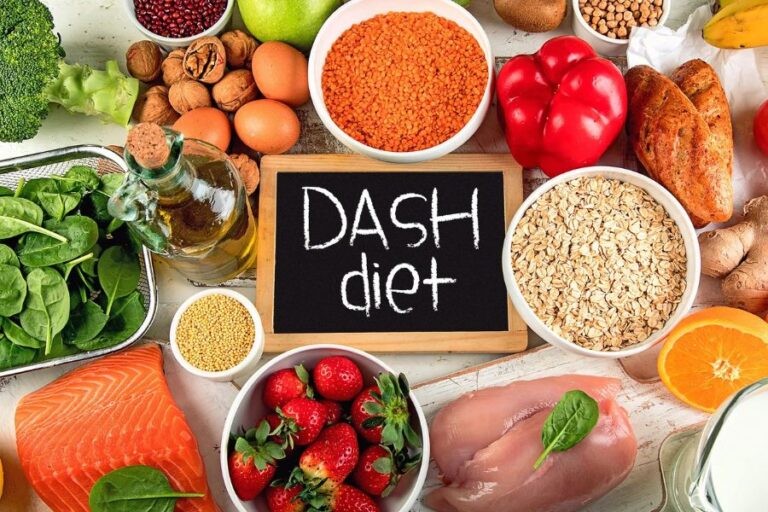
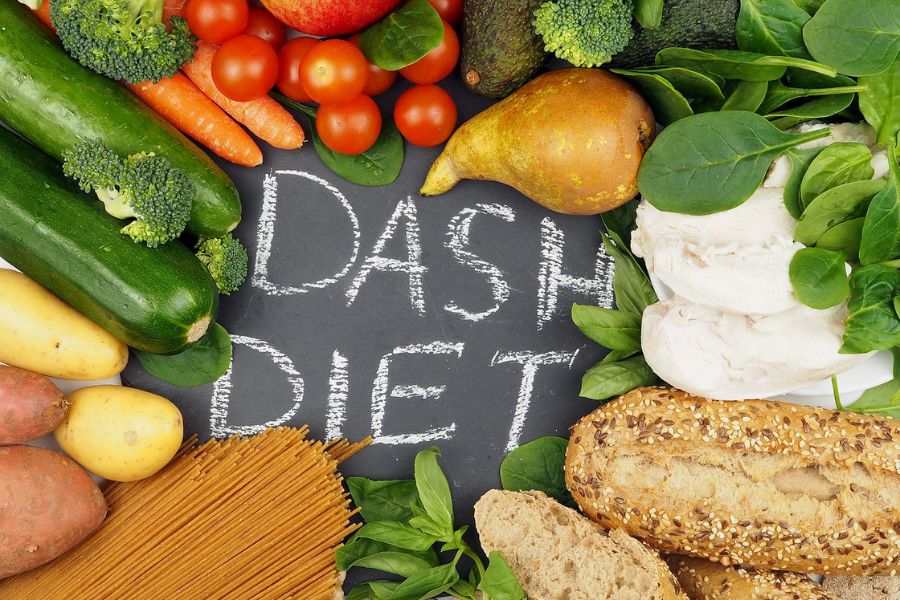
You eat plenty of produce, whole grains, low fat dairy, fish, poultry, nuts, and beans, along with small amounts of heart healthy fats. At the same time you cut back on added salt, sugary drinks, sweets, and high fat meats. The National Heart, Lung, and Blood Institute helped develop DASH as a practical, everyday way to manage or prevent high blood pressure (Mayo Clinic Diet).
There are two typical sodium levels used in DASH:
- Up to 2,300 mg per day for general use
- About 1,500 mg per day for adults over 51, African Americans, and people with hypertension, diabetes, or chronic kidney disease (Chefs for Seniors)
You can think of DASH as a structured, low sodium plan that still leaves room for flexibility.
What the Mediterranean diet looks like
The Mediterranean diet is inspired by traditional eating patterns in countries such as Greece, Italy, and Spain. It is built around:
- Vegetables and fruits
- Legumes like beans and lentils
- Whole grains
- Olive oil and nuts as main fat sources
- Regular seafood and moderate dairy
You eat less red and processed meat, and you limit added sugars and highly processed foods (Chefs for Seniors). This way of eating is rich in monounsaturated fats and omega 3s, which support heart health (Mayo Clinic Diet).
The Mediterranean diet is also about lifestyle. Social meals, daily movement, and a long term, enjoyable way of eating are all considered part of the pattern (Mayo Clinic Diet).
Compare their health benefits
You will see overlap between the DASH diet vs Mediterranean diet when it comes to health outcomes. Both have strong science behind them, but they shine in slightly different areas.
Heart health and blood pressure
Both diets are known for protecting your heart, although they take different paths.
The Mediterranean diet lowers cardiovascular risk in part by emphasizing healthy fats, especially from olive oil, nuts, and fish. These provide monounsaturated fats and omega 3 fatty acids that help support cholesterol levels and overall heart function (Mayo Clinic Diet).
In a 10 year study of adults in Athens, people who followed the Mediterranean diet most closely had a significantly lower risk of fatal and nonfatal cardiovascular disease. Only 3.1 percent of people in the highest adherence group developed cardiovascular events compared with about one third in the lowest group (PMC). After accounting for other factors, higher adherence was linked to roughly a four fold reduction in risk of 10 year cardiovascular events (PMC).
DASH is especially strong for blood pressure control. It was designed for that purpose and focuses on cutting sodium while boosting potassium, calcium, and magnesium. These nutrients help relax blood vessels and balance fluids, which can lower blood pressure (Mayo Clinic Diet). For people managing high blood pressure, health professionals often recommend DASH first because of the extensive data supporting its effectiveness (Mayo Clinic Diet).
One study from the Mediterranean region did not find a clear reduction in 10 year cardiovascular events with higher DASH adherence, while the Mediterranean diet showed strong protective effects (PMC). That does not mean DASH does not work, only that its impact may vary across populations and how it is followed.
Type 2 diabetes and blood sugar control
If you are watching your blood sugar, both eating patterns may help.
A 2019 review of Mediterranean, DASH, and vegetarian eating patterns found that all three improved A1C, a marker of long term blood sugar control, in people with type 2 diabetes. Across studies, A1C dropped by an average of about 0.8 percent. In individual research, one DASH study showed a 1.7 percent drop, while Mediterranean diet studies found A1C reductions of 1.2 percent after 1 year and 0.9 percent after 4 years (Diabetes Spectrum).
Several meta analyses linked the Mediterranean diet to modest but meaningful A1C reductions, typically between 0.3 and 0.47 percent. Low calorie Mediterranean diets also led to greater A1C drops, higher diabetes remission rates, and delayed need for medication compared with low fat diets in people newly diagnosed with type 2 diabetes (Diabetes Spectrum).
For DASH, a smaller 8 week study found that a DASH style eating plan reduced A1C by 1.7 percent compared with a traditional American Diabetes Association diet. Another four week trial showed moderate A1C improvements along with significant blood pressure reductions in people with type 2 diabetes (Diabetes Spectrum).
The consistent thread is that both patterns are rich in fruits, vegetables, whole grains, legumes, and healthy fats and limit processed foods, added sugars, and saturated fats. That combination is helpful for blood sugar and heart risk factors (Diabetes Spectrum).
Weight loss and long term maintenance
Neither the DASH diet nor the Mediterranean diet was created primarily as a weight loss program. However, both can support gradual, sustainable weight reduction when you match your portions to your calorie needs.
The Mayo Clinic Diet notes that when you follow either pattern and pay attention to calorie intake, you can lose weight steadily and maintain it over time. Their 2025 meal plans build in calorie guidelines to help you use Mediterranean or DASH style eating as part of a long term strategy (Mayo Clinic Diet).
The key advantage for weight loss is that both diets are filling and nutrient dense. You center your meals on fiber rich foods and lean proteins, which makes it easier to feel satisfied on fewer calories.
See how they differ in everyday eating
On paper these diets can look similar. The day to day experience is where you really notice the difference.
Food choices and flexibility
Both plans prioritize whole grains, fruits, and vegetables. The Mediterranean diet leans more heavily into:
- Olive oil as the main added fat
- Two or more servings of fish per week
- A daily handful of nuts
- Legumes, herbs, and spices as pantry staples
DASH also encourages nuts and legumes, but it places stricter limits on sodium and tends to include more low fat dairy and lean meats. It recommends limiting red and processed meats to two or fewer servings per week (Chefs for Seniors).
The Mediterranean diet is often described as more open ended and lifestyle based. It does not usually give you a specific sodium target. Instead, it steers you toward minimally processed foods and traditional cooking methods that naturally keep sodium reasonably low.
Alcohol and social habits
One of the subtle differences is how each pattern treats alcohol and social eating.
The Mediterranean diet sometimes includes moderate wine with meals, especially red wine, although this is optional and not necessary for benefits. Social meals, shared dishes, and relaxed eating are emphasized as part of an enjoyable routine (Chefs for Seniors).
DASH does not rely on alcohol and is more strictly health focused. It can be easier to adapt if you need a clear medical plan centered on numbers like sodium and blood pressure.
If you enjoy cooking, trying new recipes, and long meals with friends or family, Mediterranean may feel more natural. If you prefer a straightforward structure with specific daily targets, DASH might fit better.
Decide which diet fits your goals
Both the DASH diet and the Mediterranean diet can help you lose weight, lower disease risk, and feel better in your daily life. The better choice is the one you are most likely to follow consistently.
When DASH might be the better fit
DASH may suit you if:
- You have high blood pressure or a strong family history of hypertension
- Your doctor has recommended lowering sodium to a specific level
- You appreciate clear serving targets for different food groups
- You want a plan that aligns closely with traditional medical advice
You can also use a DASH style approach specifically during a period when blood pressure is a top concern, then adjust toward a more Mediterranean pattern later if you want more flexibility.
When the Mediterranean diet might be right for you
The Mediterranean diet may be a better match if:
- You want broad heart protection and improved insulin sensitivity
- You enjoy cooking with olive oil, herbs, vegetables, legumes, and seafood
- You prefer a lifestyle pattern rather than a strict plan with daily sodium counts
- You value social meals and want your diet to feel enjoyable long term
In some research, public health experts suggest that in Mediterranean regions, emphasizing a Mediterranean pattern may be more effective than promoting DASH for preventing long term cardiovascular events (PMC). That aligns with how closely this diet fits the local culture and food traditions.
A side by side snapshot
To bring it all together, here is a quick comparison.
| Feature | DASH diet | Mediterranean diet |
|---|---|---|
| Main goal | Lower blood pressure, support heart health | Overall heart and metabolic health, long term enjoyment |
| Key focus | Low sodium, higher potassium, calcium, magnesium | Plant based pattern, healthy fats, seafood |
| Typical sodium | 2,300 mg or 1,500 mg per day targets (Chefs for Seniors) | No fixed target, relies on minimally processed foods |
| Fats | Emphasis on low saturated fat, moderate healthy fats | High in olive oil, nuts, and omega 3 rich fish |
| Protein | Lean meats, poultry, fish, low fat dairy, beans | Fish and seafood often, beans, nuts, smaller amounts of meat |
| Evidence highlights | Strong for lowering blood pressure | Strong for reducing long term cardiovascular events and supporting glycemic control (Mayo Clinic Diet; PMC; Diabetes Spectrum) |
Start with small, sustainable changes
You do not have to commit overnight or follow either plan perfectly to see benefits. You can start by borrowing simple elements from the diet that appeals to you most.
For a DASH inspired start, you might:
- Swap salted snacks for fresh fruit or unsalted nuts
- Replace processed meats with baked chicken, turkey, or fish
- Check labels and choose lower sodium versions of canned beans and broths
For a Mediterranean style shift, you could:
- Cook with olive oil instead of butter
- Add a side salad with beans or lentils to dinner
- Aim for fish twice per week and use herbs, lemon, and garlic for flavor
Over time, you can layer in more changes, pay attention to portions, and adjust your total calories to support weight loss if that is one of your goals.
Both the DASH diet and the Mediterranean diet give you a clear, research backed framework, but you are still in charge of how your plate looks. If you feel unsure which pattern is best for your specific medical conditions or medications, talking with your healthcare provider or a registered dietitian is a good next step. They can help you adapt the approach that fits your health, your culture, and the foods you truly enjoy.
About the Author