Understand mental health in high stress jobs
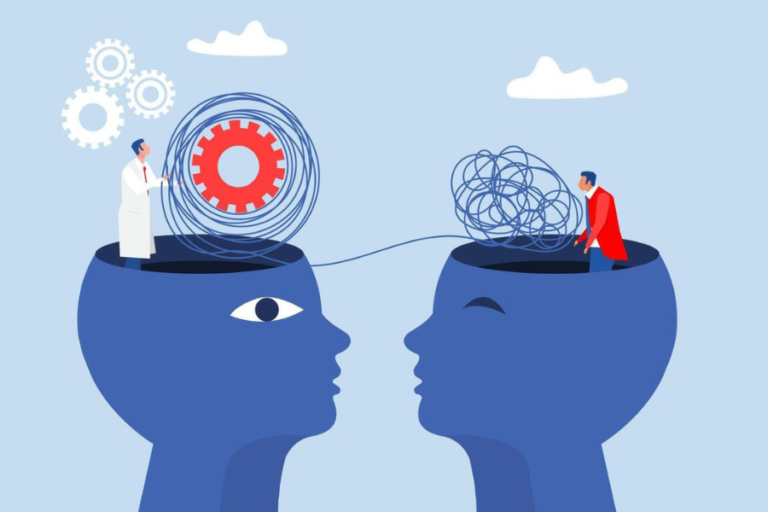
If you work in a fast paced or high pressure role, mental health in high stress jobs is not an abstract topic. It directly affects how you feel when you wake up, how you perform at work, and how you show up at home.
The World Health Organization describes workplace stress as your response to work demands that exceed your knowledge and coping abilities, often linked to poor job design, difficult working conditions, and low support from colleagues or supervisors (Indian Journal of Medical Research). When that stress becomes constant, your risk of anxiety, depression, burnout, and physical health issues rises.
High stress jobs can include:
- Healthcare and emergency services
- Mental health and social work roles
- Arts, media, and entertainment jobs
- High risk or high responsibility roles like humanitarian work or security
- Any job with long hours, intense deadlines, or constant public scrutiny
You might not always be able to change your job, but you can understand what is happening, recognize warning signs early, and take practical steps to protect your mental health.
Recognize why high stress jobs hit harder
Not all stress is harmful. Short bursts can help you focus. The problem starts when your body and mind never get a chance to reset.
According to the World Health Organization, psychosocial risks at work include job content, work schedules, workplace culture, and limited career opportunities (WHO). In high stress jobs, several of these often pile up at once.
Common stress drivers
You may recognize some of these patterns in your own work:
-
Excessive workload and long hours
More than half of the global workforce often works long hours in unsafe or unregulated conditions that undermine mental health (WHO). -
Low control over your work
When you have heavy responsibility but little say in decisions, stress builds quickly. Research links lack of control with higher levels of distress in high stress occupations (American Psychiatric Association). -
Emotional and traumatic exposure
Workers in health, humanitarian, and emergency roles are at elevated risk of exposure to adverse events, which can seriously affect mental health (WHO). -
Bullying and harassment
Sexual harassment and workplace bullying significantly increase stress, especially for women and employees lower in the hierarchy (Indian Journal of Medical Research). -
Stigma and discrimination
In a cross sectional study across 35 countries, about two thirds of employees who had experienced depression faced discrimination at work or when applying for jobs (Indian Journal of Medical Research). Stigma can make you hide what you are going through and delay getting help.
Who is most at risk
High stress can affect anyone, but some patterns stand out:
- More than 80% of U.S. workers report experiencing workplace stress, and over half say it harms life at home (OSHA).
- A large study of over 460,000 people found that 14.2% reported lifetime depression, and some occupations reported higher levels of frequent mental distress, especially arts, design, entertainment, sports, and media roles (American Psychiatric Association).
- In high risk occupations, psychological distress rises with time, with a 5% increase in risk for every additional year in the job (American Psychiatric Association).
If you feel like work is wearing you down more every year, you are not imagining it.
Spot warning signs in yourself
You do not need a formal diagnosis to start taking your mental health seriously. Early signs are often subtle, and it helps to watch for changes over time.
Emotional and psychological signs
You may notice:
- Feeling on edge, anxious, or unable to relax even away from work
- Persistent sadness, emptiness, or lack of interest in things you used to enjoy
- Irritability or anger that feels out of proportion to the situation
- Difficulty concentrating or making decisions
- A growing sense of dread about going to work
Workplace stress is linked to anxiety disorders, depression, and substance use disorders (OSHA). If your coping strategies increasingly involve alcohol, drugs, or other numbing behaviors, that is an important flag.
Physical and behavioral signs
High stress jobs do not just affect your mind. Over time, they can show up in your body and habits:
- Trouble sleeping or frequent nightmares
- Headaches, stomach issues, or unexplained aches
- Higher blood pressure or changes in blood sugar, which can increase risk of hypertension and diabetes (Indian Journal of Medical Research)
- Getting sick more often
- Changes in appetite or weight
- Withdrawing from friends and family
If you work in mental health or other caring professions, burnout can be especially intense. Studies show that 21% to 67% of mental health workers experience high burnout levels, with a much higher risk of major depressive disorder and increased substance use (PMC).
When everyday stress becomes burnout
Burnout is more than feeling tired. It combines:
- Emotional exhaustion, feeling drained by your work
- Depersonalization, becoming numb or detached from the people you serve
- Reduced personal accomplishment, feeling like nothing you do makes a difference
High burnout levels are linked to poorer physical and emotional health, more absences, and a higher chance of leaving your job (PMC). If these signs feel familiar, it is worth taking them seriously.
Understand how work and mental health interact
Work and mental health influence each other in both directions. Stressful jobs can trigger or worsen mental health conditions. Existing mental health conditions can make certain job demands harder to manage.
How high stress work affects your life
Prolonged workplace stress can:
- Increase anxiety, depression, and trauma related symptoms
- Lead to substance use as a coping strategy
- Spill over into home life, straining relationships and daily routines
In a June 2020 survey, about 40% of U.S. adults reported negative mental or behavioral health effects, including anxiety, depression, trauma symptoms, increased substance use, or suicidal thoughts, highlighting how widespread these challenges are (OSHA).
Your job can also affect how easily you can get support. In many workplaces, stigma and discrimination discourage people from speaking up or seeking treatment. This is especially true in high stress roles that prize toughness or constant availability.
How good work can protect your mental health
The relationship is not all negative. Work can be a powerful source of:
- Purpose and a sense of being useful
- Social connection and support from coworkers
- Financial stability and structure
Positive job aspects, like feeling useful and having supportive coworkers, are associated with lower distress, while negative aspects such as excessive workload and lack of control are linked to higher distress (American Psychiatric Association).
When you understand these links, it becomes easier to pinpoint what is hurting you and what is helping you, so you can focus your energy on changes that matter.
Adjust what you can control day to day
You might not be able to change your industry or schedule overnight, but there are still realistic steps you can take inside and outside of work.
Small shifts at work
Start with adjustments that fit your role and workplace culture:
-
Clarify priorities
When everything feels urgent, your stress spikes. Ask your manager which tasks truly matter most so you can focus your limited energy. -
Set boundaries where possible
This can mean closing your email during non working hours, limiting how often you check messages, or clarifying response time expectations with your team. -
Use your breaks fully
Even a short walk, a stretch, or a few quiet minutes away from your screen can help your nervous system reset. -
Reach for peer support
Connect with coworkers who understand your pressures. Supportive coworkers are linked to lower distress levels in high stress jobs (American Psychiatric Association).
Support your body to support your mind
Since stress affects your entire body, simple health habits can make a real difference:
- Keep a regular sleep schedule as much as your job allows
- Move your body during the day, even if it is brief stretching or a ten minute walk
- Aim for regular meals instead of skipping then overeating late at night
- Limit reliance on alcohol or substances to wind down
Physical activity and healthy routines are part of effective interventions for stress and mental health at work (Indian Journal of Medical Research).
Build basic coping tools
You do not need complicated routines. Try:
- Breathing exercises to calm your nervous system in high pressure moments
- Grounding techniques that pull your attention to your senses when you feel overwhelmed
- Micro check ins where you ask yourself, “What do I need in the next hour?” instead of trying to solve everything at once
These habits do not replace treatment if you need it, but they make it easier to get through demanding days.
Know what employers can and should do
You are not supposed to shoulder the entire responsibility for mental health in high stress jobs. Employers have a powerful role, and many workers know it. More than 85% of employees say actions from their employer would help their mental health in high stress jobs (OSHA).
What a healthy workplace looks like
A supportive employer can:
- Review workloads and staffing so demands are realistic
- Offer flexible work arrangements where possible
- Create clear policies on workplace violence, harassment, and discrimination, and enforce them consistently (WHO)
- Train managers to recognize and respond to mental health issues early (WHO)
- Provide access to mental health resources, such as Employee Assistance Programs, counseling, or peer support groups
Workplaces are important venues for resources, solutions, and activities that support mental health, which means your employer can either add to your stress or actively help reduce it (OSHA).
Why it is in your employer’s interest too
Reducing workplace stress is not just a kindness. It also:
- Improves morale and productivity
- Decreases injuries, sick days, and turnover
- Supports physical health, including blood pressure and immune function
- Strengthens focus and performance
OSHA reports that reducing workplace stress improves productivity, safety, and health across the board (OSHA). The World Health Organization estimates that for every dollar U.S. employers spend treating common mental health issues related to workplace stress, they get four dollars back in improved health and productivity (OSHA).
If it feels hard to ask for support, you can remember that healthier employees are also better for the organization.
Use evidence based supports and interventions
You do not have to guess what might help. Researchers have identified several approaches that reduce the impact of high stress work on mental health.
Helpful strategies for individuals
Evidence based interventions include (Indian Journal of Medical Research):
-
Cognitive behavioral strategies for stress management
These help you notice patterns in your thoughts, challenge unhelpful beliefs, and develop more effective coping skills. -
Physical activity programs
Movement has well documented benefits for mood and stress. Even brief, regular activity can help. -
Problem focused return to work programs
If you have been off due to mental health reasons, structured plans that address specific obstacles can make returning safer and more sustainable.
Routine mental health screening for every worker is generally not recommended, because false positives can increase anxiety. Targeted support that focuses on those who are struggling is more helpful (Indian Journal of Medical Research).
Helpful strategies for organizations
On the organizational side, promising interventions include (PMC):
- Improving communication and feedback
- Increasing employee autonomy where possible
- Reducing role conflict and ambiguity
- Combining individual support like training or counseling with structural changes in workload and schedules
Studies in mental health settings show that cognitive behavioral programs and combined individual plus organizational changes can reduce burnout. Although more research is needed, these results are encouraging (PMC).
Take practical next steps for yourself
If you recognize yourself in any of these descriptions, you are not failing. You are reacting in a very human way to demanding conditions. The next step is to decide what you can do today, this week, and over the longer term.
Today or this week
Pick one simple action:
- Write down your top three stressors at work and one thing that might ease each one
- Schedule a check in with a trusted coworker to talk honestly about how you are doing
- Use one full break away from your desk, phone, or station
- Look up what mental health resources your employer or community provides
Over the next month
As you feel able, you might:
- Talk with your manager about workload, boundaries, or more support
- Book an appointment with a mental health professional if symptoms are affecting daily life
- Try adding one small habit for your body, such as a brief daily walk or consistent bedtime
- Notice and write down moments when your work feels meaningful or supported, so you see both strain and strength
Longer term reflection
If your job has been affecting your mental health for years, it can help to ask:
- Which parts of this work are meaningful enough that I want to stay?
- Which parts are harming me in ways that may not be sustainable?
- Are there roles within my field, or in related fields, that would be less harmful while still using my skills?
A comprehensive approach that reduces workplace stressors, builds coping and resilience, and ensures access to help is often the most effective way to manage mental health in high stress jobs (OSHA). You play one role in that process, and your employer plays another. Both matter.
Key points to remember
- High stress jobs make mental health challenges more likely, but your reaction is understandable, not a personal weakness.
- Warning signs can show up in your mood, your body, your behavior, and your relationships.
- Supportive coworkers, reasonable workloads, and caring managers protect your mental health, while excessive demands, low control, and harassment increase risk.
- Proven interventions range from personal coping skills and therapy to organizational changes in workload, schedules, and culture.
- You deserve a work life that challenges you without breaking you, and it is reasonable to ask for support and seek changes that help you stay well.
You may not be able to remove all the stress in your job, but you can learn to recognize its impact, protect your mental health, and push for conditions that allow you to do your work without losing yourself in the process.
About the Author