A low carb breakfast sets the tone for how you eat, move, and feel the rest of the day. When you front-load your morning with protein, healthy fats, and fiber, you are more likely to enjoy steady energy, better focus, and fewer cravings later on, especially if you are using a low carb diet for weight loss or blood sugar control (EatingWell).
Below you will find practical low carb breakfast ideas you can actually see yourself eating on repeat, with options for every taste and schedule.
Understand what “low carb” means at breakfast
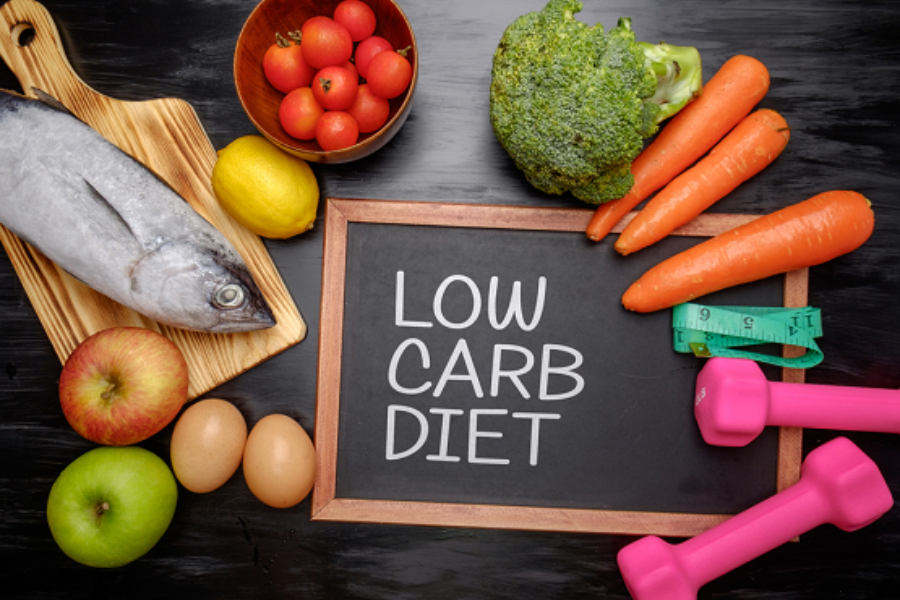
Before you overhaul your morning routine, it helps to know what you are aiming for. Low carb does not mean no carb. It means being picky about where your carbs come from.
According to nutrition experts, many low carb plans work well when about 40% of your daily calories still come from carbohydrates, which usually means at least 120 grams of carbs per day to keep fiber intake healthy and appetite in check (EatingWell). For breakfast, a realistic target is often around 15 grams of carbs or less per serving, with most of those carbs coming from fiber-rich foods instead of sugar or white flour (Food Network).
What matters most is the balance on your plate. You want:
- A solid hit of protein
- Some healthy fat
- Carbs mainly from vegetables, nuts, seeds, or a small serving of whole fruit
This mix keeps you full longer and helps prevent the blood sugar swings that can lead to mid-morning crashes and snack attacks.
Prioritize protein to stay full longer
If you only change one thing about your morning, make it this: increase your protein. Getting at least 50 grams of protein across your day is often recommended to support satiety and weight loss, and putting some of that protein at breakfast gives you a powerful head start (EatingWell).
Protein digests slowly, so it works like a brake on hunger. It also pairs well with low carb vegetables and healthy fats, which is exactly what you want on a low carb plan.
Here are a few practical ways you can boost protein without feeling like you are eating the same thing every day:
- Choose Greek yogurt over regular yogurt
- Add cottage cheese or ricotta to a bowl, toast alternative, or egg dish
- Fold tofu, edamame, or lentils into savory scrambles and hashes for a plant-based twist
- Use eggs, egg whites, or egg substitutes as a base and load them with veggies and cheese
You do not need to track every gram to benefit from higher protein. You simply need to build each breakfast around a clear protein star, then fill in the rest of the plate.
Use low carb vegetables as your base
Vegetables might not be the first thing that comes to mind when you think about breakfast, but they are one of the easiest ways to make your low carb breakfast ideas more filling and nutritious.
High water, low carb vegetables like spinach, kale, lettuce, bell peppers, mushrooms, cucumbers, celery, cauliflower, onions, and tomatoes give you volume and fiber for very few carbs (EatingWell). You can fold them into omelets, sautés, hashes, or even breakfast bowls.
If you are easing into vegetable-heavy breakfasts, start small. Add a handful of spinach to scrambled eggs, tuck sliced tomato into your plate, or top cottage cheese with diced cucumber and bell pepper. Over time, you will get used to seeing color on your breakfast plate, and it will be easier to build meals around plants rather than bread.
Quick dairy-based low carb breakfasts
If you like creamy, cold, or grab and go breakfasts, dairy can make low carb mornings especially simple.
A 7 ounce container of plain, nonfat Greek yogurt gives you around 150 calories and 20 grams of protein, with relatively few carbs, especially if you skip sweetened toppings (Verywell Health). You can add a small handful of berries, plus nuts or seeds, to boost fiber and healthy fats without sending carbs through the roof.
Cottage cheese is another convenient option. Half a cup has about 15 grams of protein and 80 calories, which is an easy base for a sweet or savory low carb bowl (Verywell Health). Try:
- Cottage cheese with strawberries and chopped almonds
- Cottage cheese with sliced cucumber, bell pepper, and a sprinkle of everything bagel seasoning
You can also use ricotta or cheese spreads on low carb toast substitutes, such as thin sweet potato slices or low carb bread recipes, for a satisfying mix of creamy and crunchy (Food Network, Food Drink Life).
Egg dishes that do more than bacon and fried eggs
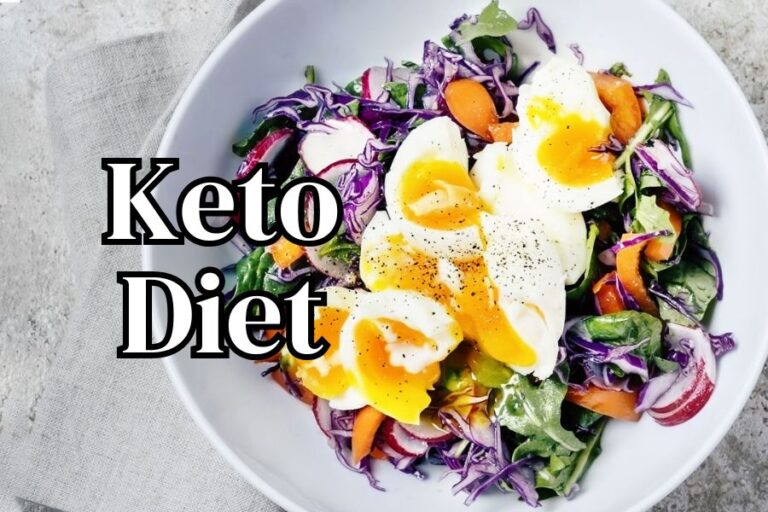
Eggs are a natural fit for low carb breakfast ideas because they are high in protein and virtually free of carbs. The key is to move beyond the same fried egg and bacon combo so you do not burn out.
Healthline shares several egg-based low carb breakfasts that show how versatile eggs can be, including spinach and goat cheese omelets, veggie frittatas, baked avocado eggs, shakshuka, broccoli and bacon crustless quiche, and veggie egg cups (Healthline). These recipes lean on non starchy vegetables and modest amounts of cheese or meat, which keeps carbs low and flavor high.
You can also streamline your mornings with make ahead options. Egg muffins and breakfast casseroles with eggs, sausage, or ground beef are easy to prep once and reheat throughout the week, which is especially helpful if you are busy but want to stick with your low carb plan (Food Network, Food Drink Life).
When you would like something lighter, try an egg white muffin or egg wrap. Egg white muffins that are loaded with vegetables are naturally low in carbs, high in protein, and freezer friendly for busy mornings (Food Network). Egg wraps filled with mushrooms, tomatoes, and greens are another tidy, handheld way to pack in protein and fiber (BBC Good Food).
Plant based and egg free options
You can still enjoy satisfying low carb breakfasts even if you do not eat eggs or dairy. The trick is to combine plant proteins with low carb vegetables and seeds so you are not left hungry an hour later.
Verywell Health points to a tofu scramble as one simple option. One fifth of a block of extra firm tofu provides at least 9 grams of protein and only about 75 calories. When you crumble it and cook it with turmeric, nutritional yeast, and a pinch of Kala namak, it takes on an eggy flavor without using any animal products (Verywell Health).
Other plant based ideas include:
- Lentil breakfast hash, which delivers about 18 grams of protein and 230 calories per cup of cooked lentils when you mix it with vegetables and spices for a hearty skillet meal (Verywell Health)
- Edamame and veggie stir fry, with around 18 grams of protein and 8 grams of fiber per cup of edamame, sautéed with garlic, ginger, and tamari for a savory, filling bowl (Verywell Health)
- Vegan tofu scrambles and keto avocado toast variations that lean on plant fats and proteins rather than grains, which you can find among Healthline’s low carb breakfast recipes (Healthline)
If you enjoy sweeter starts, vegan banana pancakes and chocolate chia pudding can still fit into a lower carb pattern when they are built with almond flour, seeds, or other low carb ingredients, and served in reasonable portions (BBC Good Food).
Low carb twists on classic “sweet” breakfasts
You do not have to give up waffles, pancakes, or cereal flavors altogether. You just need to rethink the ingredients.
Healthline highlights low carb pancakes, sugar free granola bars, protein muffins, and almond flour waffles as ways to enjoy familiar comfort breakfasts without a big carb load from refined flour and sugar (Healthline). Often, these recipes use almond flour, coconut flour, or ground seeds to provide structure and fiber, plus eggs or protein powder for staying power.
You can also experiment with:
- Low carb hot cereal made from coconut flour, flaxseed, and chia seeds for a warm, spoonable bowl that feels like oatmeal but is lighter in carbs (Food Drink Life)
- Flourless waffles or 2 ingredient English muffins that use eggs and cheese or similar combos as the base, which can be toasted and topped with butter or nut butter (Food Drink Life)
If you prefer smoothies, use protein powder or Greek yogurt as your anchor, then keep fruit portions modest and balance them with leafy greens, avocado, or chia seeds. Keto friendly smoothies such as a mint chip breakfast smoothie show how you can enjoy a dessert like flavor with a low carb profile, ideal on days when you are rushing out the door (Food Network).
Creative low carb “toast” and handheld ideas
Bread is often the highest carb part of breakfast, so finding alternatives for toast can make a big difference without feeling like you are missing out.
Sweet potato toast is one popular approach. You slice sweet potatoes into planks, toast them until tender, then top them with combinations like ricotta, berries, and almonds, avocado and sprouts, steak and roasted peppers, or bacon, egg, and cheese. These versions keep carbs lower than many traditional bread slices while adding more fiber and nutrients (Food Network).
You can also lean on:
- Lettuce or collard wraps filled with scrambled eggs, avocado, and salsa
- Low carb breads or English muffin recipes that you toast and treat like regular bread, especially the 2 ingredient versions highlighted by low carb recipe creators (Food Drink Life)
- Egg wraps or crepes made mostly from beaten eggs, used as a vehicle for ham, cheese, and vegetables (BBC Good Food)
These handheld options are especially helpful if you often eat breakfast on the go or you want something that feels familiar but fits better with your low carb goals.
If you love traditional toast or pastry, start by swapping it out just a few mornings a week. Once you find one or two low carb alternatives you genuinely enjoy, it becomes much easier to build a new habit.
Make your low carb breakfast routine sustainable
The best low carb breakfast ideas are the ones you will realistically stick with. You do not have to cook a brand new recipe every day or give up entire food groups to see benefits.
To keep your routine manageable:
- Pick two or three go to options for busy weekdays, such as egg muffins, Greek yogurt bowls, or tofu scrambles you can reheat
- Use weekends to try a new recipe, like a veggie frittata, low carb pancakes, or a breakfast casserole you can slice and store
- Prep vegetables, portion yogurt or cottage cheese, and cook proteins ahead of time so assembly is quick in the morning
Most importantly, stay flexible. Low carb does not have to be rigid to be effective. If you focus on protein, vegetables, and smart carbs at breakfast most of the time, you will be putting powerful momentum behind your overall healthy lifestyle.
About the Author