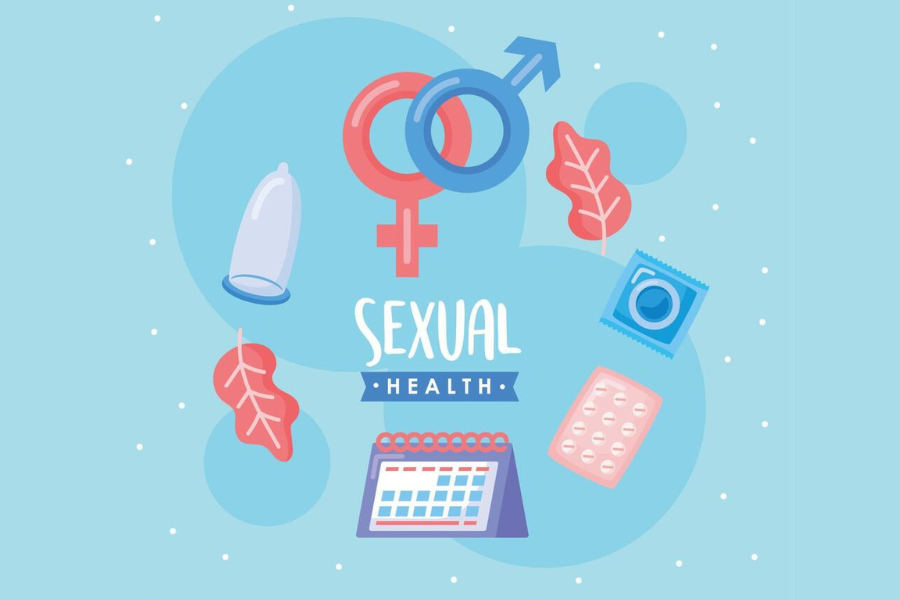
Understand what sexual health means
When you ask, “what are common sexual health issues?” you are really asking two things. First, what can go wrong with your body or sex life. Second, what you can do to protect your sexual health so sex feels safer, more satisfying, and less stressful.
Sexual health is more than the absence of disease. It includes:
- Your physical health, like whether sex is comfortable and your body responds the way you want
- Your emotional wellbeing, including how you feel about sex, relationships, and your body
- Your ability to make informed, consensual choices that feel right for you
You do not need to be sexually active to care about sexual health. Understanding the basics now helps you protect yourself and any partners in the future.
Recognize common sexual dysfunction
Sexual dysfunction means anything that gets in the way of enjoying sexual activity. According to the Cleveland Clinic, up to 43% of females and 31% of males report some degree of sexual dysfunction at some point in life (Cleveland Clinic). It is common, and it is usually treatable.
You might be dealing with sexual dysfunction if you notice:
- Low or no desire for sex that bothers you
- Trouble becoming physically aroused
- Difficulty reaching orgasm
- Pain during or after sexual activity
Sexual dysfunction can affect anyone at any age, though it becomes more common after age 40 and may affect between 30% and 40% of people over time (Cleveland Clinic).
Common causes of sexual dysfunction
Many people assume sexual problems mean they are “broken” or that something is wrong with their relationship. In reality, causes are often a mix of physical and emotional factors.
Physical causes can include (Cleveland Clinic):
- Chronic health conditions like heart disease or diabetes
- Hormonal changes
- Medication side effects, especially some antidepressants, blood pressure medications, antihistamines, and decongestants
- Alcohol or substance use
Psychological causes can include (Cleveland Clinic):
- Stress and anxiety
- Depression or other mental health conditions
- Relationship conflict or lack of emotional connection
- Past sexual trauma or negative sexual experiences
Often, both body and mind play a role. For example, a medication might reduce your arousal, and then worry about it makes the problem worse.
Why taking sexual dysfunction seriously matters
Sexual dysfunction is not just about sex. It can affect how you feel about yourself and your relationships. Many people report:
- Frustration or sadness
- Feeling less confident or attractive
- Distance and tension with a partner
The good news is that sexual dysfunction is highly treatable, and with the right support most people return to a healthy, satisfying sex life (Cleveland Clinic). Talking with a healthcare provider is an important first step.
Know the basics of erectile dysfunction
Erectile dysfunction (ED) is one of the most commonly discussed sexual health issues. ED means you have trouble getting or keeping an erection firm enough for sexual activity. Mayo Clinic notes that it affects more than half of men between ages 40 and 70 (Mayo Clinic).
You might be noticing ED if you:
- Regularly struggle to get an erection when you want to
- Lose an erection partway through sexual activity
- Start avoiding sexual situations because you are worried you will not stay hard
What can cause erectile dysfunction
Erections depend on healthy blood flow, nerve function, hormones, and emotional wellbeing. When any of these are off, ED can show up.
Physical causes include (Mayo Clinic):
- Heart disease or high cholesterol
- High blood pressure
- Diabetes
- Obesity and metabolic issues
- Smoking or heavy alcohol use
Psychological causes include (Mayo Clinic):
- Depression or anxiety
- Work or money stress
- Performance anxiety
- Relationship problems
ED can also be an early sign of heart or blood vessel problems. That is one reason doctors encourage you not to ignore it.
How erectile dysfunction is treated
ED has a range of effective treatments, depending on the cause and severity. Options include (Mayo Clinic):
- Oral medications prescribed by a doctor
- Injections or medication delivered directly to the penis
- Vacuum devices
- Penile implants in more severe, long-term cases
- Counseling to address anxiety, depression, or relationship issues
If you are experiencing persistent problems, it is worth talking with a healthcare provider. Treatment often improves both sexual function and overall health.
Understand female sexual dysfunction
Female sexual dysfunction is not one single condition. It is an umbrella term for ongoing difficulties with desire, arousal, orgasm, or pain that interfere with your satisfaction. Importantly, it is only considered a problem if it bothers you or affects your relationship (Mayo Clinic).
You might notice:
- Low or absent desire for sex that feels out of character for you
- Trouble getting physically aroused, such as vaginal dryness
- Difficulty or inability to reach orgasm
- Pain during or after penetration
What can help with female sexual dysfunction
Because causes are wide ranging, treatment is usually a blend of medical care, relationship support, and lifestyle changes. Mayo Clinic recommends approaches like (Mayo Clinic):
- Addressing underlying medical issues or hormone changes
- Adjusting medications that may be affecting your sex drive, if possible
- Working on relationship communication and emotional closeness
- Making lifestyle shifts, such as:
- Limiting alcohol
- Increasing physical activity
- Finding ways to reduce daily stress
For some premenopausal women with low sexual desire, there are also prescription medications:
- Flibanserin (Addyi), a daily pill. It can cause side effects like low blood pressure and dizziness (Mayo Clinic).
- Bremelanotide (Vyleesi), a self-injection used before anticipated sexual activity. Side effects may include nausea and flushing (Mayo Clinic).
Some treatments, like certain phosphodiesterase inhibitors that are used for ED, show mixed results in women and need careful medical supervision because of possible interactions (Mayo Clinic).
Herbal supplements and oils advertised to boost sex drive often lack strong scientific evidence, and some products with estrogen-like effects may raise the risk of breast tumors. It is wise to check with a healthcare professional before trying these options (Mayo Clinic).
Learn about sexually transmitted infections (STIs)
Sexually transmitted infections, also called STIs or STDs, are among the most common sexual health issues worldwide. They are infections passed mainly through sexual contact, including vaginal, oral, and anal sex, and sometimes through close genital skin-to-skin contact (Mayo Clinic, CDC).
You can get an STI from:
- Genital contact or fluids with someone who is infected
- Oral sex
- Anal sex
In 2021 in the United States, there were about 2.5 million reported cases of chlamydia, gonorrhea, and syphilis, and about half of these were in people ages 15 to 24 (Cleveland Clinic).
Common symptoms of STIs
Some STIs cause symptoms you can see or feel, while others are “silent” and show no signs at all. That is why regular testing is so important.
Possible signs include (Cleveland Clinic, Mayo Clinic):
- Itching, burning, or irritation around the genitals
- Unusual discharge from the vagina or penis
- Pain or burning when you pee
- Sores, bumps, or warts on the genitals, anus, or mouth
- Pelvic or lower belly pain
- Flu-like symptoms with some infections, such as herpes
However, many STIs cause no symptoms at all. You or your partner can pass an infection without realizing it.
Examples of common STIs
Some of the most common STIs include:
- Chlamydia. A bacterial infection that often causes few or no early symptoms. When symptoms do appear, usually 5 to 14 days after exposure, they can be mild but still require treatment to avoid complications (Mayo Clinic).
- Gonorrhea. Another bacterial infection that can affect the genitals, mouth, throat, eyes, or joints. Symptoms in males may show up within about 5 days, and in females within about 10 days, but can vary (Mayo Clinic).
- Genital herpes. A viral infection caused by the herpes simplex virus (HSV). It can cause painful ulcers and sometimes flu-like symptoms within about 12 days of exposure, though outbreaks and symptom patterns differ by person (Mayo Clinic).
- Human papillomavirus (HPV). The most common viral STI in the United States. Many people never have symptoms, but HPV can cause genital warts and, in some cases, raise the risk of cervical cancer (Cleveland Clinic).
- Syphilis. A bacterial infection that progresses in stages. It can start with a painless sore (a chancre) and later affect the skin, organs, brain, and eyes if untreated. Syphilis can be life threatening without treatment and can cause neurosyphilis or ocular syphilis (Mayo Clinic).
Why untreated STIs are a serious issue
Ignoring an STI can have long term consequences. Common complications include (Cleveland Clinic):
- Pelvic inflammatory disease (PID) and infertility in females
- Increased risk of ectopic pregnancy
- Epididymitis or prostatitis in males
- Higher risk of getting or transmitting HIV
The positive side is that most STIs are curable with proper antibiotics or antivirals, and even those that are not curable, like HIV, can be managed with ongoing treatment (Cleveland Clinic). Reinfection can happen, so partners need testing and treatment too.
Protect your sexual health with testing and prevention
You cannot always tell if you or a partner has an STI just by looking or by how you feel. Since many infections have no symptoms, regular testing is one of the most powerful ways to protect your sexual health.
According to the CDC, many STIs are preventable and many are curable. Key steps include knowing your status, getting diagnosed early, and making sure all partners are treated when needed (CDC).
Build a personal STI prevention plan
You can combine different strategies to lower your risk:
-
Use condoms correctly and consistently
Condoms are one of the most effective ways to reduce the risk of STIs, including HIV, when used every time and used properly (WHO). External and internal (female) condoms are both effective barrier methods. -
Get vaccinated when eligible
Safe, highly effective vaccines exist for two STIs: -
Hepatitis B virus
-
Human papillomavirus (HPV), with recommendations starting at ages 11 to 12 and extending up to age 45 (Cleveland Clinic, WHO)
-
Know your status and your partner’s status
Regular STI testing is especially important if you: -
Have new or multiple partners
-
Do not always use condoms
-
Have a partner who has other partners
Testing lets you treat infections early and reduce the chance of sending them on to someone else (CDC). -
Use counseling and behavioral support if you need it
Counseling and behavioral interventions can help you notice early symptoms, seek care promptly, and make safer choices in your sex life. The World Health Organization notes that these strategies are a primary form of prevention, although stigma and lack of awareness sometimes limit their use (WHO). -
Consider other biomedical options where available
Depending on your situation and local guidelines, additional tools might include voluntary medical male circumcision or microbicides, which can add protection alongside condoms and vaccines (WHO).
Support both physical and emotional sexual health
Many common sexual health issues blend physical symptoms with emotional reactions. For example, an STI diagnosis might trigger shame, or ED might make you anxious about intimacy. Your emotional health and sexual health feed into each other.
You support both when you:
- Treat sexual health as part of routine healthcare, not as something to hide
- Talk openly and respectfully with partners about protection, pleasure, and boundaries
- Pay attention to stress, sleep, and mental health
- Reach out for professional help if sex is causing more distress than enjoyment
Counseling can be useful whether you are single or partnered. A therapist, sex therapist, or couples counselor can help you unpack complicated feelings, work through trauma, or improve communication.
When to talk with a healthcare provider
You do not need to wait for a crisis to bring up sexual health with your doctor. It is reasonable to schedule a visit or ask questions if you:
- Have persistent pain, dryness, or discomfort with sex
- Struggle with desire, arousal, erection, or orgasm in a way that worries you
- Notice new sores, discharge, itchiness, or burning
- Think you were exposed to an STI or have a partner who tested positive
- Feel that sexual problems are affecting your mood, confidence, or relationship
Most sexual health problems are manageable and often very treatable. Earlier attention usually means simpler solutions and less stress.
Key takeaways
If you are wondering “what are common sexual health issues?” you are already taking an important step. Some of the most frequent concerns include:
- Sexual dysfunction that affects enjoyment of sex
- Erectile dysfunction and female sexual dysfunction
- Sexually transmitted infections, many of which can be silent at first
You protect your sexual health by learning your body, getting regular checkups and STI tests, using condoms, getting recommended vaccines, and seeking help when something feels off. You deserve a sex life that feels safe, informed, and aligned with what you want.
About the Author