Understand why you are tired but wired
If you keep asking yourself, “Why can’t I fall asleep even when I’m tired?”, you are not alone. Difficulty falling asleep despite feeling exhausted is common and can stem from your brain, your body, your habits, or your environment, often all at once.
Trouble sleeping is more than just frustrating. A lack of adequate sleep can blur your judgment, affect your mood, and make it harder to learn and retain information (Harvard Medical School). Over time, this can create a loop where you are tired all day, then suddenly alert when you finally lie down.
The good news is that many of the causes are understandable and, in some cases, changeable. Once you know what might be keeping you awake, you can start to adjust your routine and get better rest.
How sleep is supposed to work
Your ability to fall asleep depends on two main systems:
-
Sleep drive
This is your body’s pressure to sleep that builds the longer you are awake. -
Circadian rhythm
This is your internal clock that tells you when it is time to feel sleepy and when to be awake.
When everything is working well, your sleep drive is high and your circadian clock says “nighttime” at the same time, so you feel sleepy and drift off. When something disrupts either system, you can feel tired yet unable to fall asleep.
See how stress and anxiety delay sleep
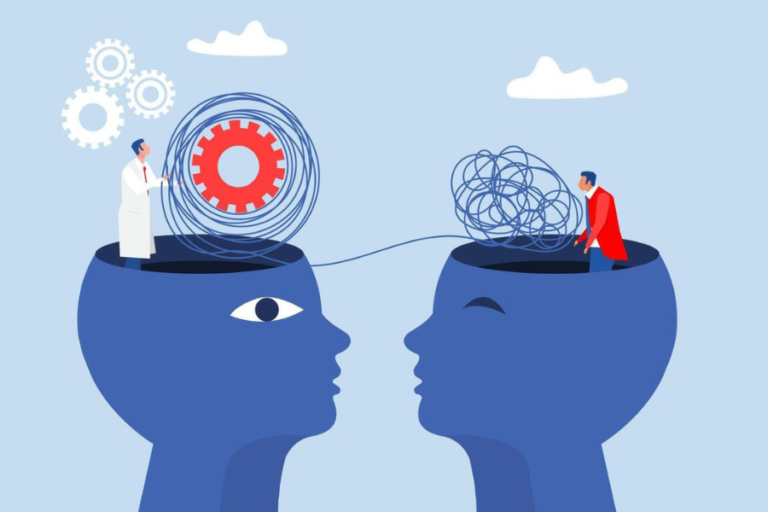
Stress and anxiety are some of the most common answers to “Why can’t I fall asleep even when I’m tired?” They put your mind and body into a state of alertness that fights against sleep.
The stress response keeps you wired
When you feel stressed, your body releases stress hormones, including cortisol. Chronic anxiety can keep these stress hormones elevated in the evening, which prevents relaxation and makes it hard to fall asleep or stay asleep (Cleveland Clinic). Stress has also been linked to changes like higher blood pressure and inflammation that interfere with your ability to initiate sleep even if you feel worn out (Harvard Medical School).
You might notice:
- A racing heart when you lie down
- Tight muscles or shallow breathing
- That “on edge” feeling, even if you are exhausted
Nighttime anxiety and mental hyperarousal
Anxiety often feels louder at night. You have fewer distractions, the house is quiet, and your mind fills the space with what-if thoughts. This mental hyperarousal, constant worry and rumination in bed, is a key factor behind insomnia and makes it harder to fall asleep even when you are tired (Sleep Foundation).
You might:
- Rehash conversations or mistakes from the day
- Worry about the next day or the future
- Keep checking the clock and calculating how little sleep you will get
This can spiral into sleep anxiety, where you start to fear going to bed because you are worried you will not sleep. Sleep anxiety is a type of worry around falling or staying asleep, and in some cases people even develop a specific phobia of sleep, called somniphobia, because they fear something bad will happen while asleep (Cleveland Clinic).
This creates a vicious cycle:
- You worry you will not sleep.
- Worry boosts your stress hormones.
- Stress keeps you awake.
- Poor sleep increases your anxiety.
- The next night, the fear of not sleeping is even stronger.
When anxiety disorders are involved
Anxiety is the most common mental health condition in the United States and affects about 40 million people. Most people with anxiety experience some form of sleep disruption, including trouble falling and staying asleep (Cleveland Clinic). Sleep disturbance is actually one of the diagnostic symptoms in some anxiety disorders (Healthline).
Related conditions can also impact your nights:
- Generalized anxiety disorder (GAD) often brings persistent worry and muscle tension that make it hard to unwind.
- Post-traumatic stress disorder (PTSD) is strongly linked with insomnia. More than 90% of people with combat-related PTSD report symptoms of insomnia (Sleep Foundation).
If anxiety or trauma resonate with your experience, it is important to remember that difficulty sleeping is not a personal failure, it is a symptom.
Recognize lifestyle habits that sabotage sleep
Sometimes your body and brain want to sleep, but your daytime and evening habits are sending mixed signals.
Caffeine that lingers into the night
Caffeine blocks the brain chemicals that make you feel sleepy. You might feel like your afternoon coffee wears off by evening, but caffeine can stay in your system for many hours. Studies have found that:
- 200 mg of caffeine, roughly a 16 ounce coffee, can still affect sleep 16 hours later
- 400 mg of caffeine taken within 6 hours before bed can worsen sleep quality (Healthline)
If you often wonder why you cannot fall asleep even when you are tired, look at:
- How much caffeine you drink in a day
- How late you have coffee, tea, energy drinks, or soda
Alcohol that disrupts your sleep cycles
Alcohol is tricky. It may help you fall asleep faster at first because it acts as a sedative. Later in the night, as your body breaks it down, it can stimulate parts of the brain and cause arousal and more awakenings. That pattern worsens sleep quality and can keep sleep difficulties going (Harvard Medical School).
If you drink to “knock yourself out,” you might:
- Wake frequently and find it hard to fall back asleep
- Feel unrefreshed the next morning, which increases daytime tiredness
- Need more alcohol over time to feel the same sedating effect
Naps that are too long or too late
Naps can be helpful when used carefully. Longer naps or naps too close to bedtime can reduce your sleep drive and make it harder to fall asleep at night.
Research summarized by Healthline notes that naps:
- Longer than 30 minutes
- Or taken late in the afternoon
are more likely to:
- Make you take longer to fall asleep at night
- Reduce your sleep quality
- Increase how often you wake during the night (Healthline)
If you need to nap, try keeping it:
- Under 20 to 30 minutes
- Before midafternoon
Evening screen time and blue light
Exposure to blue light from screens, especially in the two hours before bed, suppresses melatonin, the hormone that signals it is time to sleep. Reduced melatonin can make you feel less sleepy and delay the time it takes you to fall asleep (Healthline).
Common culprits:
- Scrolling social media in bed
- Watching TV until you are “ready” to sleep
- Working on a laptop late into the evening
Even if you feel physically tired, bright screens can tell your brain it is daytime.
Consider your mental health
Sleep and mental health affect each other in both directions. Poor sleep can worsen mood, and mental health conditions can disturb sleep.
Depression and disturbed sleep
Up to 90% of people diagnosed with depression experience some type of sleep disturbance, including insomnia and disrupted circadian rhythms (Healthline). Major depression is closely tied to insomnia, with many people:
- Struggling to fall asleep
- Waking up too early
- Experiencing fitful, unrefreshing sleep throughout the night (HelpGuide)
If you notice ongoing low mood, loss of interest in activities, or feelings of hopelessness alongside your sleep trouble, it is worth talking with a mental health professional.
Cognitive effects that feed the cycle
Sleep deprivation itself can impair concentration, logical reasoning, and working memory (Harvard Medical School). That mental fog can increase your stress and worry, which can in turn make it harder to sleep. Over time, this becomes another tiring loop:
- You do not sleep well.
- You struggle to think clearly and cope with daily stress.
- Everyday tasks feel harder, which raises stress levels.
- Higher stress makes it harder to fall asleep the next night.
Understanding that this is a known cycle can help you treat sleep problems as something that deserves care, not something to push through.
Look at medical and sleep conditions
Sometimes, you can do a lot “right” and still wonder why you cannot fall asleep when you are tired. In those cases, it can help to check for underlying medical issues or sleep disorders.
Common health conditions that disturb sleep
Many common health problems can get in the way of restful sleep. HelpGuide lists conditions that may cause difficulty falling or staying asleep, such as (HelpGuide):
- Heartburn and gastrointestinal issues
- Diabetes
- Cardiovascular disease
- Musculoskeletal pain and disorders
- Kidney disease
- Thyroid disease
- Neurological disorders
- Respiratory problems and chronic lung disease
- Mental health conditions like anxiety and depression
These conditions can:
- Cause pain or discomfort when you lie down
- Lead to frequent awakenings
- Make you feel breathless or uncomfortable at night
Breathing issues and nocturia
Specific symptoms can be especially disruptive at bedtime:
-
Breathing problems
Nocturnal asthma attacks, obstructive sleep apnea, and respiratory diseases like emphysema or bronchitis can cause difficulty breathing when you lie down. This can make you wary of falling asleep or wake you repeatedly in the night (HelpGuide). -
Nocturia
This is the need to get up frequently during the night to urinate. It can be related to heart failure, diabetes, an enlarged prostate, or side effects from medication. The repeated awakenings and effort to fall back asleep can leave you tired yet unable to sleep when you want to (HelpGuide).
Medications that interfere with sleep
Some medications prescribed for chronic illnesses or mental health conditions can impair both sleep quality and quantity (HelpGuide). If your sleep problems started after a new prescription or dose change, it is worth asking your health care provider whether your medications could be playing a role.
Sleep disorders that keep you awake
More than 50 million people in the United States have a sleep disorder, and over 100 million report not getting adequate sleep (Cleveland Clinic). Sleep disorders disrupt the normal cycle of nighttime sleep and daytime wakefulness and can include:
- Difficulty falling asleep
- Trouble staying asleep
- Sleep that does not feel restful (Cleveland Clinic)
Obstructive sleep apnea, restless legs syndrome, insomnia disorder, and circadian rhythm disorders are some examples. The exact causes vary, but they all involve disruptions to normal sleep patterns that can explain why you cannot fall asleep even when you feel very tired (Cleveland Clinic).
If you suspect a sleep disorder, especially if you snore loudly, gasp during sleep, or feel excessively sleepy during the day, it is important to seek a medical evaluation.
Notice how your environment plays a role
Your bedroom and bedtime routine send strong signals to your brain about what should happen next. If your environment says “busy” instead of “sleep,” it might keep you awake.
Noise, light, and comfort
The Sleep Cycle team notes that environmental factors such as noisy surroundings and an uncomfortable bedroom are significant reasons why you may be unable to fall asleep despite feeling tired (Sleep Cycle).
Consider:
-
Noise
Traffic, neighbors, televisions, or even a snoring partner can keep your brain on alert. -
Light
Streetlights, bright alarm clocks, or the glow from electronics can signal daytime to your brain. -
Temperature and bedding
Being too hot, too cold, or physically uncomfortable can make it hard to relax enough to drift off.
Small adjustments like earplugs, blackout curtains, or a fan can make a real difference.
When your bedroom becomes a multipurpose space
If you routinely work, study, watch TV, or scroll your phone in bed, your brain starts to associate your bed with wakefulness instead of rest. Over time, this can make it harder to feel sleepy when you lie down.
One goal of good sleep habits is to retrain your brain to link your bed with sleep and sex only. That association makes it easier to fall asleep when you get under the covers.
Try practical steps to fall asleep more easily
Once you understand some of the reasons behind “Why can’t I fall asleep even when I’m tired?”, you can start experimenting with changes. You do not need to tackle everything at once. Pick one or two small shifts and build from there.
Strengthen your sleep hygiene
Practicing good sleep hygiene, your habits and environment around sleep, can improve sleep quality and help you fall asleep faster. The Cleveland Clinic recommends creating an optimal sleep environment and routine to manage sleep trouble (Cleveland Clinic).
You can try:
- Going to bed and waking up at consistent times, even on weekends
- Limiting caffeine in the late morning and avoiding it in the afternoon and evening
- Keeping your bedroom cool, dark, and quiet
- Using your bed only for sleep and intimacy, not for work or long scrolling sessions
- Saving intense exercise for earlier in the day and gentle movement, like stretching, for later
Adjust screens, naps, and evening habits
A few targeted tweaks can lower your alertness at night:
-
Screen curfew
Turn off or dim screens at least 1 to 2 hours before bed to reduce blue light exposure (Healthline). If you must use a device, try a blue light filter and keep brightness low. -
Nap strategy
If you nap, keep it short and early in the day so you do not interfere with nighttime sleep drive. -
Alcohol timing
Avoid using alcohol as a sleep aid. If you drink, aim to finish several hours before bedtime and keep an eye on how it affects your nights.
Calm your mind and body before bed
Since stress and anxiety are such powerful sleep disruptors, adding relaxation practices can help signal your nervous system that it is safe to rest.
Helpful options include:
- Slow, deep breathing exercises
- Gentle stretching or a short yoga sequence
- Writing down worries or to-dos earlier in the evening so they are not swirling in your head at bedtime
- Listening to calming music, an audiobook, or a sleep story
Cognitive behavioral therapy for insomnia, CBT I, is considered a first line treatment for insomnia related to sleep anxiety. It helps retrain your brain to associate bed with sleep instead of stress and uses relaxation and mindfulness techniques to improve your ability to fall asleep despite anxiety (Cleveland Clinic).
If formal CBT I is not available to you, you can still borrow some ideas:
- Get out of bed if you cannot fall asleep after about 20 minutes. Do something quiet in low light, like reading, until you feel sleepy, then return to bed.
- Avoid checking the clock repeatedly, since clock watching tends to increase anxiety.
- Practice a simple relaxation exercise each night to create a consistent “sleep cue.”
Know when to seek professional help
It is normal to have occasional nights where you are tired but cannot fall asleep. However, if this is happening regularly, or if it affects your mood, concentration, or daily life, it is worth reaching out for support.
Consider talking to a health care or mental health professional if:
- You have trouble falling or staying asleep at least three nights a week for several weeks
- You often wake unrefreshed even after a full night in bed
- You snore loudly, stop breathing, or gasp in your sleep
- You suspect anxiety, depression, PTSD, or another mental health condition
- You take medications that might disrupt sleep
- You have underlying health issues like heart, lung, kidney, or thyroid disease
Medical conditions, hormonal changes, and sleep disorders such as insomnia or sleep apnea all benefit from evaluation and treatment (Sleep Cycle; Cleveland Clinic).
You do not have to figure out every cause by yourself. Sharing your symptoms and concerns with a professional is a meaningful step toward better rest.
Key takeaways
- If you wonder “Why can’t I fall asleep even when I’m tired?”, the answer often involves a mix of stress, habits, environment, and health factors.
- Stress and anxiety raise alertness and stress hormones, which can keep you awake despite fatigue.
- Lifestyle factors like late caffeine, alcohol, long or late naps, and evening screen use can delay sleep.
- Mental health conditions, medical issues, and sleep disorders are common and treatable contributors to sleep trouble.
- Improving sleep hygiene, calming your mind and body, and adjusting your evening routine can make it easier to fall asleep.
- If sleep problems are frequent or severe, or if you suspect an underlying condition, it is important to speak with a health care professional.
You deserve sleep that actually restores you. Starting with one small change tonight can help you move closer to quieter evenings and more restful mornings.
About the Author