Understand how alcohol fits with intermittent fasting
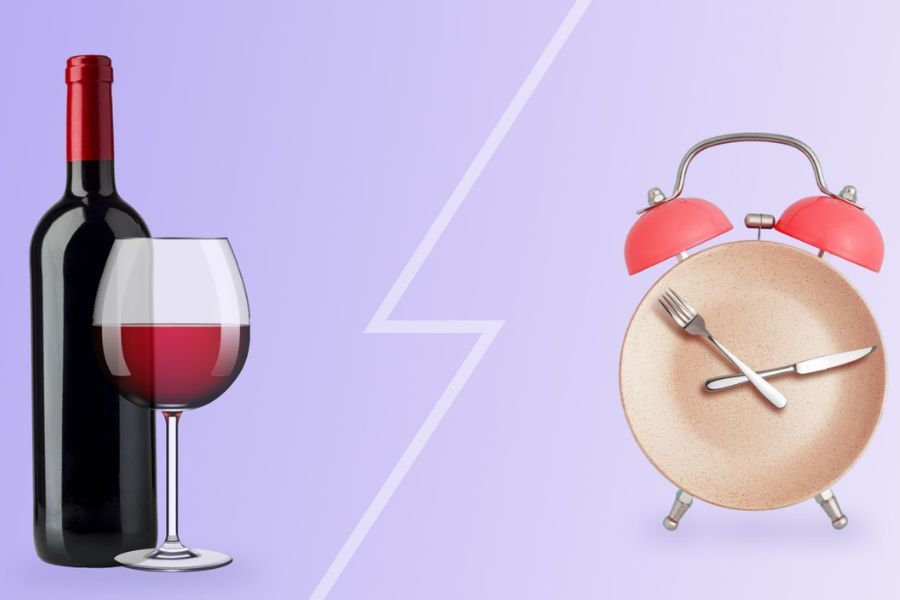
If you are practicing intermittent fasting and also enjoy a drink now and then, you might wonder how alcohol and intermittent fasting can work together. The short version: alcohol always contains calories, so it breaks a fast if you drink it during your fasting window. How much it affects your results depends on when you drink, how much you have, and what you choose to pour into your glass.
Intermittent fasting aims to give your body regular breaks from food so it can switch into fat burning, improve insulin sensitivity, and support cellular repair. Alcohol can interfere with all three if you are not careful, which is why understanding the details will help you make better choices for your health and weight loss goals.
What happens when you drink while fasting
When you drink alcohol during your fasting window, a few key things happen inside your body.
Your fast is broken
Alcohol has about 7 calories per gram, so even “clean” drinks like straight spirits are not calorie free. Because a fast is essentially a period of zero calorie intake, any alcohol breaks that fast and interrupts fasting-related processes like autophagy, the cellular cleanup that is one of the benefits of intermittent fasting (Healthline, Perfect Keto).
Fat burning slows down
Your body treats alcohol as a priority fuel. When you drink, your metabolism shifts to clearing alcohol first. In a small study of 19 adults, an alcohol rich meal significantly reduced fat breakdown 5 hours later compared to a meal that was rich in protein, fat, and carbs without alcohol (Healthline).
In practical terms, that means:
- Less fat is burned while your body deals with the alcohol
- Stored body fat is more likely to stay put during that time
Metabolic benefits are blunted
Fasting can improve insulin sensitivity and support stable blood sugar over time. Alcohol can push in the opposite direction, especially at higher intakes. Research notes that alcohol metabolism can impair insulin sensitivity, raise blood sugar, and promote fatty liver and inflammation (Aspect Health, MurLarkey Distilled Spirits).
So if you drink during your fast, you are not just adding calories, you are also working against some of intermittent fasting’s main health benefits.
How alcohol affects weight loss with intermittent fasting
If you are using intermittent fasting for weight loss, alcohol can influence your progress in several ways.
Alcohol adds “invisible” calories
Alcohol is calorie dense. It provides 7 calories per gram, and a single drink can add 100 or more calories to your day (Healthline). For example:
- Vodka has about 231 calories per 100 grams (Aspect Health)
- Whiskey has roughly 64 calories per ounce (28 grams) (MurLarkey Distilled Spirits)
These calories stack up quickly, especially if you are having more than one drink or choosing sugary mixers. Heavy drinking, defined in one article as 4 or more drinks per day for men and 3 or more for women, is linked with a higher risk of weight gain and obesity, while moderate drinking is less likely to have that effect (Healthline).
Hunger, cravings, and overeating get a boost
Alcohol can make it harder to stick to your eating plan:
- It increases appetite and cravings for high calorie, low nutrient foods
- It lowers inhibitions, so you are more likely to say yes to late night snacks
- It may disrupt blood sugar and leave you hungrier later
Articles discussing alcohol and intermittent fasting point out that these effects can easily lead to overeating and reduced diet adherence (Simple, Perfect Keto).
Your body composition may suffer
Excessive alcohol intake is linked to higher body fat and inflammation (Healthline). On top of that, when your liver is busy processing alcohol and its byproducts like acetaldehyde and acetate, it is less efficient at burning fat, and over time this can promote fatty liver disease (Aspect Health).
All of this makes it harder to get the leaner, healthier body composition you might be aiming for with intermittent fasting.
When it is safest to drink while fasting
You do not necessarily have to give up alcohol forever to make intermittent fasting work. The key is timing and moderation.
Keep alcohol out of the fasting window
All sources agree on one point. Drinking alcohol during the fasting window breaks your fast and undermines its benefits (Healthline, Simple, Aspect Health, Perfect Keto).
If you want the most from intermittent fasting, avoid alcohol completely while you are technically fasting.
Drink during your eating window, preferably with food
If you choose to drink, do it in your eating window and ideally with a meal:
- A meal that includes carbs, protein, and fat slows alcohol absorption
- You are less likely to feel dizzy or unwell
- Eating first may reduce the urge to overeat later
Guidance from Perfect Keto suggests that the best time for alcohol during intermittent fasting is after a balanced meal, not on an empty stomach, and that carbonated alcoholic drinks on an empty stomach are especially problematic for fast absorption and side effects (Perfect Keto).
Follow moderation guidelines
To keep risks lower, aim for moderate intake. A commonly referenced guideline is up to 2 drinks per day for men and 1 for women, in line with the 2020 to 2025 Dietary Guidelines for Americans, as noted by Perfect Keto (Perfect Keto).
Also pay attention to how often you drink. Even “within limits” but every day can interfere with recovery, sleep, and weight loss for some people.
Smarter drink choices for intermittent fasting
If you decide to include alcohol with your intermittent fasting lifestyle, what you drink matters.
Opt for lower calorie, low sugar options
Research based guides on alcohol and intermittent fasting often recommend (Healthline, Simple, Aspect Health):
- Dry red or white wine
- Champagne or sparkling wine that is dry
- Light beer in moderation
- Clear spirits such as vodka, gin, tequila, or rum mixed with:
- Soda water
- Plain sparkling water
- Other low calorie, sugar free mixers
Try to limit:
- Sugary cocktails
- Cream based drinks
- Sweet wines
- Drinks with regular soda, juice, or heavy syrups
These can easily double or triple the calorie and sugar content of a single drink.
Consider potential upsides of light drinking
Some sources note that small amounts of alcohol, taken with food and within your eating window, may have limited potential benefits for some people, such as slight improvements in insulin resistance or metabolic rate (Aspect Health).
This does not mean you should start drinking for health, but it suggests that very moderate intake during your eating window is unlikely to undo all your intermittent fasting progress.
Health risks to keep in mind
Even if your main focus is weight loss with intermittent fasting, it helps to remember the broader health picture.
Liver stress and inflammation
Alcohol is metabolized into acetaldehyde and acetate, which are toxic in higher amounts and can damage liver cells. Chronic or heavy intake promotes fatty liver, inflammation, and long term organ damage (Aspect Health).
Since fasting may support liver health, regular heavy drinking works against that potential benefit.
Reduced cellular repair
One of the reasons people are interested in intermittent fasting is autophagy, the cellular cleanup process linked to potential anti aging and disease protective effects. Alcohol, especially in excess, can inhibit autophagy and increase systemic inflammation (Perfect Keto).
If you drink a lot, you are limiting one of the more promising long term benefits of fasting.
Sleep, mood, and side effects
Guides on alcohol and intermittent fasting also point out that too much alcohol can (Simple):
- Disturb your sleep quality
- Trigger headaches and dehydration
- Increase hunger and cravings the next day
Poor sleep and low mood can make it much harder to stick to your fasting schedule or make healthy food choices, which is another indirect way alcohol can slow your progress.
Practical tips for balancing alcohol and intermittent fasting
You can create a simple plan that lets you enjoy an occasional drink without derailing your goals.
1. Clarify your top priority
Ask yourself what matters more right now:
- Rapid weight loss and metabolic improvements
- Or social flexibility and occasional drinks
If you are in a focused fat loss phase or working to reverse health issues, you may want to avoid alcohol entirely for a period. If you are in a maintenance phase, you might be comfortable with very occasional moderate drinking.
2. Set clear “rules” for yourself
Create a few practical limits, such as:
- No alcohol during the fasting window
- Only drink with a full meal
- Limit to 1 drink on weekdays and 2 on special occasions, or fewer based on your needs
- No sugary mixers or dessert cocktails
Putting these rules in writing or in a note on your phone can make them easier to stick to.
3. Plan your fasting schedule around social events
If you know you will be at a party or dinner where you would like to have a drink:
- Shift your eating window so it overlaps with the event
- Break your fast first with a nutrient dense meal, then have a drink afterward
- Go into the event already hydrated and not overly hungry
This helps protect both your fast and your decision making.
4. Hydrate before, during, and after
Alcohol is dehydrating, and dehydration can worsen headaches, cravings, and fatigue. To reduce these effects:
- Drink water before your first drink
- Alternate each alcoholic drink with a glass of water or sparkling water
- Have a large glass of water before bed
Staying hydrated can help you feel better and make it easier to return to your usual fasting routine the next day.
5. Monitor how your body responds
Pay attention to:
- Changes in your weight or measurements after nights you drink
- How your sleep feels
- Cravings and hunger the next day
- Mood and energy
If you notice that even small amounts of alcohol make fasting harder or slow your progress, you might decide to cut back further or avoid it for a while.
6. Talk to your healthcare provider
If you:
- Take medications
- Have diabetes, liver disease, or other chronic conditions
- Have a history of alcohol use disorder
check in with your healthcare provider before mixing alcohol and intermittent fasting. They can help you understand specific interactions and risks for your situation, something general guides cannot fully cover.
Key takeaways you can use
Here are the main points to remember about alcohol and intermittent fasting:
- Any alcohol during the fasting window breaks your fast and disrupts benefits like fat burning and autophagy (Healthline, Perfect Keto)
- Heavy or frequent drinking is linked to weight gain, higher body fat, inflammation, and fatty liver, which can counteract intermittent fasting goals (Healthline, Aspect Health)
- If you choose to drink, keep it to your eating window, have it with food, and aim for low calorie, low sugar options like dry wine or clear spirits with simple mixers (Simple)
- Moderation matters. Staying within roughly 1 drink per day for women and 2 for men is a commonly cited upper limit to reduce alcohol related harm (Perfect Keto)
- Listening to your body and being honest about your priorities will help you decide how, or if, alcohol fits into your intermittent fasting routine
You do not have to be perfect to make progress. Start with one small adjustment, such as keeping all alcohol out of your fasting window this week, and see how your body responds.
About the Author