A paleo diet grocery list makes sticking to your goals much easier. Instead of guessing every time you walk into the store, you know exactly what to reach for to support weight loss, steadier energy, and better overall health.
Below, you will find a simple, practical paleo diet grocery list you can copy into your notes app and use on your next shopping trip. You will also see how to mix and match these foods into easy meals, so the list turns into real food on your plate, not forgotten ingredients in your fridge.
Understand the basics of the paleo diet
Before you fill your cart, it helps to remember what the paleo diet is trying to do. The idea is to eat more like your hunter‑gatherer ancestors and less like a modern vending machine.
You focus on whole foods that you could theoretically hunt or gather. That means plenty of vegetables, fruits, high quality protein, and healthy fats, and very little that comes from a factory. The approach minimizes salt, sugar, and processed foods and instead relies on simple preparation and recognizable ingredients (Kevin’s Natural Foods).
On a practical level, that looks like this (EatingWell):
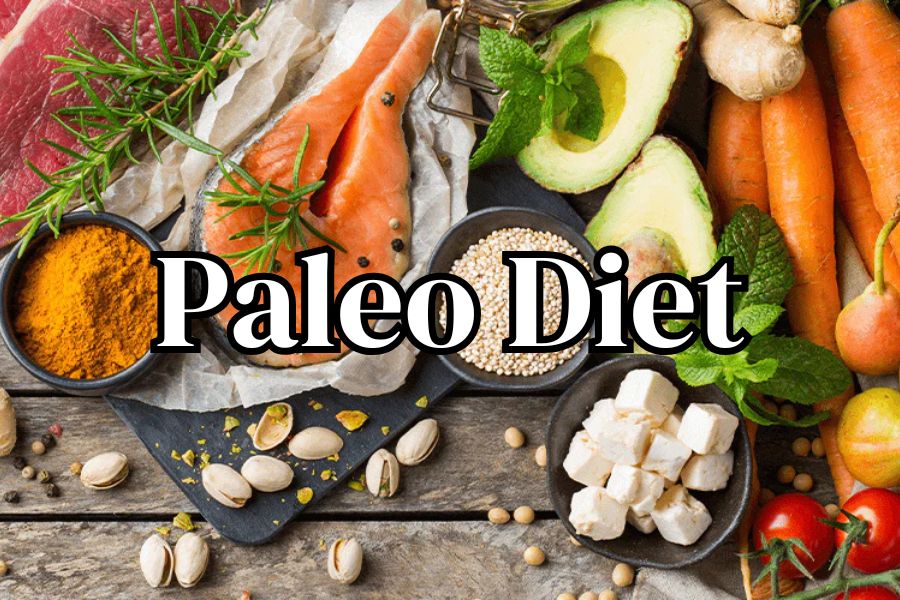
- You eat: meat, seafood, eggs, vegetables, fruits, nuts, seeds, and certain unrefined plant oils like olive and avocado oil.
- You skip: processed foods, refined sugar, grains, dairy, legumes, and artificial sweeteners.
Some people include small amounts of white rice or potatoes, while strict versions leave them out. You can adjust based on your goals and how your body responds.
Build your paleo diet grocery list
Use this section as your master paleo diet grocery list. You do not need everything at once. Start with a few items from each category so you have a balanced mix of protein, fiber, and healthy fats.
Protein: Meat, poultry, and seafood
Protein is the backbone of your paleo meals. It keeps you full, supports muscle, and helps control cravings. On paleo, you aim for high quality sources, ideally grass fed, pasture raised, or wild caught when your budget allows.
According to current guidelines, grass fed meats are leaner and contain more omega 3 fatty acids that can help reduce inflammation and support heart health (EatingWell). Wild seafood is also encouraged for similar reasons (Nerd Fitness).
Good options for your cart:
- Grass fed beef: ground beef, steak, stew meat
- Lamb: ground, chops, or stew meat
- Pork: shoulder roast, tenderloin, pork chops
- Poultry and fowl: pasture raised or organic chicken, turkey, duck, goose, or hen (Nerd Fitness)
- Wild caught seafood: salmon, tuna, cod, shrimp, lobster, scallops, sardines, canned wild salmon or tuna for convenience (Whole Foods Market)
If organic or grass fed is out of reach, choose the leanest cuts you can and trim visible fat. You can still see benefits by focusing on whole foods and skipping heavily processed meat products.
Eggs and other protein staples
Eggs are a simple, affordable paleo protein that works for breakfast, lunch, or snacks. Aim for pasture raised when possible, since these usually have a more favorable fat profile.
Alongside eggs, consider:
- Sugar free turkey sticks or beef sticks from pasture raised sources (Healthline)
- Bone broth for sipping or cooking, which adds protein and collagen and makes a warming snack (Whole Foods Market)
These items help you stay satisfied between meals so you are less tempted by non‑paleo snacks.
Vegetables: The foundation of your plate
On a paleo diet, vegetables do a lot of the heavy lifting. They provide fiber, vitamins, minerals, and volume, all of which support weight loss and overall health. They also form the base of most of your meals.
A wide variety is encouraged, from leafy greens to root vegetables. Starchy vegetables like potatoes and sweet potatoes are allowed, but if you are watching your weight or blood sugar, you may prefer to enjoy them in moderation or skip white potatoes entirely, depending on how strict you want to be (EatingWell).
Fill your cart with options like:
- Leafy greens: spinach, kale, romaine, arugula
- Cruciferous vegetables: broccoli, cauliflower, Brussels sprouts, cabbage
- Colorful veggies: bell peppers, carrots, beets, asparagus, zucchini, eggplant
- Starchy vegetables: sweet potatoes, winter squash, parsnips
- Convenience picks: pre‑cut veggie sticks or riced cauliflower to save time (Whole Foods Market)
Try to include at least one leafy green, one cruciferous vegetable, and one colorful option each week. That way, you automatically get a range of nutrients without having to think about it too much.
Fruit: Natural sweetness with a plan
Fruit absolutely fits on a paleo diet, but quality and quantity matter, especially if weight loss is part of your goal. Modern cultivated fruits can be much higher in sugar than what your ancestors would have found in the wild (Kevin’s Natural Foods).
You can still enjoy fruit, just be strategic:
- Choose lower sugar fruits more often, such as berries, citrus, and cranberries. For example, options like lime, lemon, and cranberry have relatively low sugar per serving (Nerd Fitness).
- Enjoy higher sugar fruits like bananas, grapes, and mango in moderation, especially if you are actively trying to lose weight or manage blood sugar (EatingWell).
Sample fruit picks:
- Fresh berries (strawberries, blueberries, raspberries)
- Apples and pears
- Citrus fruits like oranges, grapefruits, lemons, and limes
- Seasonal fruits like peaches or plums
- Limited dried fruit with no added sugar if you need something shelf stable, such as organic mango slices in small portions (Whole Foods Market)
If weight loss is your priority, it helps to skip fruit juice and go for whole fruit, since juice tends to spike blood sugar more quickly (Nerd Fitness).
Healthy fats: Oils, nuts, and seeds
Healthy fats keep you satisfied, stabilize energy, and help your body absorb fat soluble vitamins. Paleo encourages fats that come directly from plants or animals, rather than highly processed oils or artificial products.
Recommended paleo friendly fats and oils include olive, walnut, flaxseed, macadamia, avocado, and coconut oils. These are chosen because they come straight from plants, while processed vegetable oils and artificial sweeteners are avoided due to their heavy processing and potential health effects (EatingWell).
You can add to your list:
- Cooking oils: extra virgin olive oil, avocado oil, coconut oil, ghee (Whole Foods Market)
- Whole food fats: avocado, olives
- Nuts: almonds, walnuts, macadamia nuts, pistachios, cashews
- Seeds: sunflower seeds, chia seeds, flaxseeds
Nuts and seeds play a big role in paleo snacking. They provide protein, fat, vitamins, and minerals, and they keep you full between meals (Kevin’s Natural Foods). Just watch your portions, since they are energy dense.
One key detail: peanuts are not included, because they are technically legumes, which paleo avoids due to their lectin and phytic acid content (EatingWell).
Pantry staples and condiments
A well stocked paleo pantry helps you turn simple proteins and vegetables into satisfying meals with more flavor and variety. Look for items without added sugar, grains, or dairy.
Useful pantry staples include (Whole Foods Market):
- Bone broth for soups, sauces, and sipping
- Coconut aminos as a soy sauce alternative
- Apple cider vinegar and other vinegars
- Nut butters like almond or cashew butter, without added sugar
- Nut based flours, such as almond flour, plus arrowroot starch for thickening
- Coconut milk or other non dairy milks with simple ingredients
- Herbs, spices, and salt without additives
For dressings and dips, look for options made with avocado oil or olive oil and no added sugar or dairy. For instance, an avocado oil ranch dressing can be a paleo friendly way to make raw vegetables more appealing (Whole Foods Market).
Quick paleo friendly snack ideas
Snacks can make or break your progress. If you do not plan them, it is easy to end up at the nearest vending machine. With a little preparation, you can keep hunger in check and stay on track with your paleo diet grocery list.
Some simple paleo snack combinations include:
- Pre cut vegetables like celery, carrots, cucumber, and broccoli with guacamole or a paleo friendly dressing (Whole Foods Market)
- A small handful of nuts, such as roasted salted pistachios, almonds, or walnuts (Whole Foods Market)
- Hard boiled eggs with a piece of fruit
- Unsweetened beef or salmon jerky made with simple ingredients (Whole Foods Market)
- Coconut yogurt topped with berries and a few chia seeds (Healthline)
- Homemade paleo “oatmeal” made from coconut milk, almond flour, shredded coconut, ground flaxseeds, and coconut oil for a warm, grain free breakfast or snack (Healthline)
The key is to pair protein or healthy fat with fiber. That combination keeps you full longer and helps prevent blood sugar crashes that can lead to cravings.
If you are new to paleo, choose two or three snack options you genuinely like and keep them stocked. Simplicity makes the habit stick.
Foods to avoid or limit on paleo
Knowing what to skip can be just as helpful as knowing what to buy. The paleo diet leaves out certain categories because they are considered modern additions that do not match the hunter‑gatherer template.
According to recent guidance, the paleo diet excludes processed foods, refined sugar, grains, artificial sweeteners, dairy products, and legumes, in an effort to mimic ancestral eating in a modern way (Healthline).
That means you will avoid:
- Bread, pasta, rice, and other grain products
- Beans, lentils, peas, and peanuts
- Most packaged snacks like chips, crackers, and traditional granola bars
- Sugary drinks and desserts
- Dairy products such as milk, cheese, and yogurt, unless you follow a more flexible version
Some people choose to incorporate small amounts of white rice or certain dairy products after they have been on the diet for a while and understand how their body responds. You can treat this as a baseline and then adjust if needed.
Turn your list into simple meals
A grocery list matters most when it leads to easy meals you will actually cook. You do not need complicated recipes to eat well on paleo. Instead, think in terms of simple formulas you can repeat.
Here are a few ideas using items from the paleo diet grocery list above:
- Breakfast: scrambled eggs cooked in olive oil with spinach and tomatoes, plus half an avocado on the side
- Lunch: big salad with mixed greens, leftover grilled chicken, olives, cucumbers, and a dressing made from olive oil, lemon juice, and herbs
- Dinner: baked salmon with roasted broccoli and sweet potato wedges tossed in avocado oil
- Fast option: canned wild salmon mixed with avocado, served in lettuce leaves with sliced carrots on the side
- Cozy meal: slow cooked beef stew with bone broth, carrots, celery, and cauliflower
If meal planning feels overwhelming, start with just one meal per day in a paleo style, for example, making all your dinners paleo this week. Once that feels natural, you can expand to other meals.
Start with one small change today
You do not need a perfect pantry or a flawless week to start seeing benefits from a paleo diet. One small, clear step is enough for today.
You might:
- Swap your usual sugary snack for pre cut veggies and almond butter, or
- Replace vegetable oil in your cooking with olive oil or avocado oil, or
- Build one dinner around a piece of grass fed meat or wild caught fish and a pile of roasted vegetables.
As you get comfortable, add more items from this paleo diet grocery list to your regular routine. Over time, your cart, your kitchen, and your daily meals will shift toward whole, satisfying foods that support your weight loss and health goals.
About the Author