Understand intermittent fasting and heart health
When you hear about intermittent fasting and heart health, you probably think of quick weight loss. Intermittent fasting is more than a trend though. It is an eating pattern that alternates between periods of eating and periods of fasting, and researchers are exploring how it might affect your blood pressure, cholesterol, blood sugar, and long-term risk of heart disease.
So far, the science is mixed. Some studies suggest that intermittent fasting can improve risk factors like LDL cholesterol and insulin resistance, while others raise concerns about possible links to higher cardiovascular death in certain patterns of extreme time restriction. The key is understanding the potential benefits and limits so you can have an informed conversation with your healthcare professional before you change how you eat.
Learn how intermittent fasting works
Intermittent fasting is less about what you eat and more about when you eat. You cycle between set eating windows and fasting windows.
Common approaches include:
- Time restricted eating, such as 10 or 12 hour eating windows
- Alternate day or several days a week of reduced calories
- Intermittent calorie restriction, such as 3 lower calorie days each week
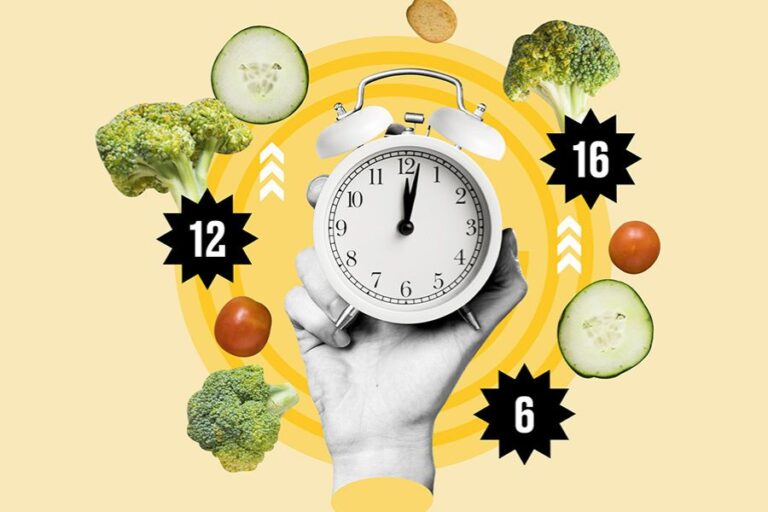
In some studies, people followed patterns like eating between 6 A.M. and 6 P.M. three days a week, or limiting meals to a consistent 10 hour window. These schedules appear to be easier to follow than very strict fasts and can still create changes in your metabolism and weight (NCBI PMC).
Explore possible heart health benefits
Current research suggests that some fasting patterns may improve several markers that relate to your heart health.
Improve cholesterol and blood fats
Intermittent fasting may help lower LDL cholesterol, often called “bad” cholesterol, and triglycerides in some people. Both LDL cholesterol and high triglycerides contribute to plaque buildup in your arteries, which raises your risk of heart disease.
- A review of fasting interventions found improvements in lipid profiles, which means better levels of cholesterol and blood fats overall (NCBI PMC).
- Mayo Clinic notes that some types of fasting may reduce LDL cholesterol and help your body handle blood sugar more effectively (Mayo Clinic).
Healthier cholesterol numbers do not guarantee that you will avoid heart disease, but they are an important piece of your overall risk.
Support better insulin response and blood sugar
How your body manages blood sugar plays a major role in heart health. High blood sugar and insulin resistance strain your blood vessels and increase inflammation over time.
According to Mayo Clinic, intermittent fasting may improve the way your body responds to insulin and help control blood sugar levels in some people (Mayo Clinic). In a randomized trial, intermittent calorie restriction three days per week improved markers of insulin resistance more than continuous calorie restriction in people with high triglycerides (NCBI PMC).
Better insulin sensitivity can help you:
- Keep blood sugar in a healthier range
- Reduce the strain on your pancreas
- Lower your long-term risk of type 2 diabetes, a major risk factor for heart disease
Reduce weight and waist size
Weight loss is one of the clearest ways intermittent fasting may indirectly support your heart.
In short-term studies, intermittent fasting sometimes leads to greater weight loss than standard calorie reduction, although long-term results beyond six months are mixed (Mayo Clinic). Several trials show that fasting schedules can safely reduce:
- Body weight
- Waist circumference
- Body fat percentage
These changes matter because carrying extra weight, especially around your midsection, is linked with higher blood pressure, abnormal cholesterol levels, and higher blood sugar. Dr. Parveen Garg of the USC Cardiac and Vascular Institute notes that weight loss from intermittent fasting can improve blood pressure, cholesterol, glucose tolerance, inflammation, and even vascular and brain health (Keck Medicine of USC).
Ease inflammation and metabolic strain
Low grade inflammation and metabolic syndrome both increase your cardiovascular risk. A systematic review of randomized trials found that fasting interventions can improve metabolic syndrome indicators and reduce inflammatory biomarkers in many participants (NCBI PMC).
Interventions that combined time restricted eating with activities like resistance exercise also led to better weight control, improved lipid profiles, and lower inflammatory markers in some groups, such as firefighters working 24 hour shifts (NCBI PMC).
You may not feel these changes day to day, but over years they can influence your risk of heart attack or stroke.
Weigh emerging risks and limitations
While intermittent fasting and heart health are strongly linked in headlines, researchers are still debating what these patterns actually mean for your long-term risk.
Understand the 8 hour window study
In 2024, a preliminary analysis presented at an American Heart Association scientific meeting drew wide attention. It looked at data from more than 20,000 adults in the National Health and Nutrition Examination Surveys, then linked these records to the U.S. National Death Index.
People who limited eating to less than 8 hours per day had a 91 percent higher risk of dying from cardiovascular disease compared with people who spread their meals across a 12 to 16 hour window (American Heart Association).
A few important details:
- The study shows an association, not proof that an 8 hour eating window causes heart problems.
- Diet data came from self reports, which can be incomplete or inaccurate.
- There may be other factors that explain some of the increased risk.
Researchers stressed that more work is needed to understand the biological reasons for this pattern and how it may vary between different groups of people (American Heart Association).
Recognize that findings are mixed
You might notice a tension in the research:
- On one hand, several randomized trials and reviews show improvements in weight, cholesterol, insulin resistance, and inflammation with intermittent fasting (NCBI PMC).
- On the other hand, observational data from large groups hint at possible increased cardiovascular death with very short daily eating windows (American Heart Association).
Mayo Clinic also notes that long term benefits for weight loss and heart health are not certain and that reviews often find only small changes in weight and blood sugar overall (Mayo Clinic).
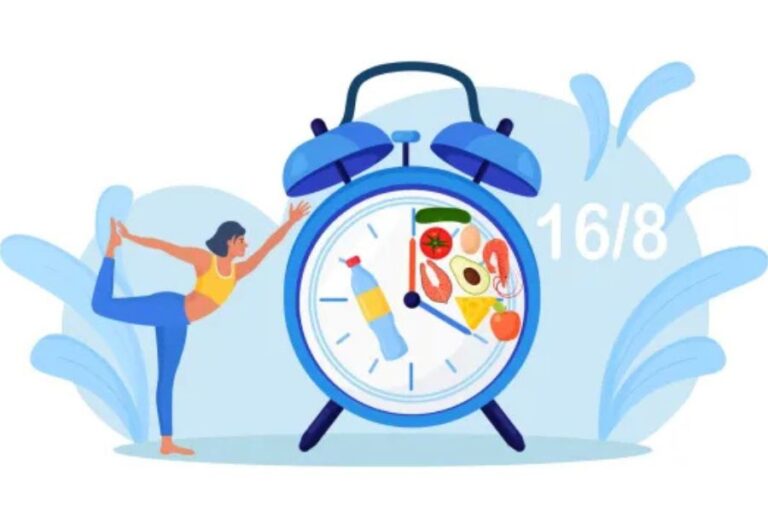
This does not mean you should fear every form of intermittent fasting. It does mean you should treat the 16:8, 8 hour eating window approach with caution and talk to your healthcare professional, especially if you already have heart disease or other chronic conditions.
Know who should be extra cautious
Intermittent fasting is not a good fit for everyone. You should be particularly careful if you:
- Have existing heart disease or have survived a heart attack
- Have diabetes or take medications that affect blood sugar
- Have low blood pressure or take diuretics
- Have a history of eating disorders
- Are pregnant, breastfeeding, or have increased calorie needs
Dr. Parveen Garg points out that intermittent fasting can trigger heart palpitations in some people. When your blood sugar drops, your blood volume can fall and your heart has to work harder, which may be risky if you have underlying heart or blood pressure problems (Keck Medicine of USC).
Medical teams also warn that people with heart disease or those recovering from a heart attack may need regular meals throughout the day to maintain stable energy, and that evidence on the long term safety of fasting for this group is limited (Keck Medicine of USC).
Experts from the American Heart Association recommend that people with heart conditions or cancer receive personalized dietary advice instead of relying on general fasting trends, especially in light of the possible link between very short eating windows and cardiovascular death (American Heart Association).
Watch for side effects and warning signs
Even if you are generally healthy, you can still feel some short term side effects from intermittent fasting, especially when you first start.
Reported issues include (Mayo Clinic):
- Headaches
- Mood swings or irritability
- Dizziness or lightheadedness
- Trouble concentrating
- Fatigue
If you notice chest pain, strong palpitations, shortness of breath, or fainting, treat these as urgent and seek medical care right away.
Milder symptoms may improve as your body adapts, but if they persist or worsen, it is a sign that your fasting schedule may be too aggressive for you.
Choose a safer approach with your doctor
If after learning about intermittent fasting and heart health you still want to try it, a safer path starts with your healthcare professional. You can work together to:
- Review your medical history and medications
- Decide if a fasting pattern makes sense for you
- Choose an eating window and fasting style that matches your lifestyle
- Plan what you will eat, not just when you will eat
Here are a few general ideas you might discuss with your doctor or dietitian.
Consider moderate eating windows
Instead of jumping into a strict 8 hour window, you may be better off starting with a moderate schedule, such as:
- A 12 hour eating window, for example 7 A.M. to 7 P.M.
- A 10 hour eating window, for example 8 A.M. to 6 P.M.
Time restricted eating in the range of 10 hours has been studied in groups like firefighters on 24 hour shifts and has shown benefits for weight management, lipids, and insulin resistance without extreme restriction (NCBI PMC).
Pair fasting with a heart healthy diet
Fasting does not automatically make your diet good for your heart. You still need to focus on what fills your plate during your eating hours. In general, that means:
- Plenty of vegetables and fruits
- Whole grains instead of refined grains
- Lean proteins such as fish, beans, or poultry
- Unsalted nuts and seeds in moderate portions
- Healthy fats from sources like olive oil
If your meals in the eating window are heavy in added sugars or saturated fats, you can lose the potential heart benefits that fasting might offer.
Match your plan to your routine
Some fasting schedules can clash with your work, family, or social life, which makes them hard to sustain. The review of fasting interventions notes that adherence can be a challenge, particularly for people with irregular schedules (NCBI PMC).
Ask yourself:
- Can you realistically finish dinner by the same time most days?
- Will you be able to take medications that require food?
- Are you often very active or working physically late in the day?
A plan that works with your routine is more sustainable and less stressful, which is good for your heart in itself.
Decide if intermittent fasting fits your goals
Intermittent fasting has become popular, with an online survey from the International Food Information Council reporting that 13 percent of American adults tried it in the past year (Keck Medicine of USC). You might be drawn to it for weight loss or to feel more in control of your eating.
Before you start, it helps to be clear about your goals:
- If your main priority is heart health, lifestyle changes like a balanced diet, regular physical activity, enough sleep, and stress management will always play a central role, with or without fasting.
- If your main goal is weight loss, remember that fasting is one of several tools. Long term success comes from a pattern you can follow for months and years, not just weeks.
Given the promising yet mixed evidence, the safest approach is to view intermittent fasting as an option you might explore thoughtfully with your healthcare professional, not a shortcut or guaranteed fix for your heart.
If you decide to experiment, start gently, listen closely to your body, and stay in regular contact with your care team so you can adjust your plan as you learn what works best for you.
About the Author