Understand keto vs carnivore diet
If you are comparing the keto vs carnivore diet to find the best fat burner, you are really choosing between two versions of very low carb eating. Both can trigger ketosis, help you lose weight, and stabilize blood sugar. The difference lies in what you are allowed to eat, how strict the rules are, and how sustainable the plan feels in your daily life.
In this guide, you will walk through how each diet works, what you eat, potential benefits, and the real-world downsides, so you can decide which approach fits your goals and lifestyle.
See how each diet works
Before you pick a side in the keto vs carnivore diet debate, it helps to understand the basic rules for each plan.
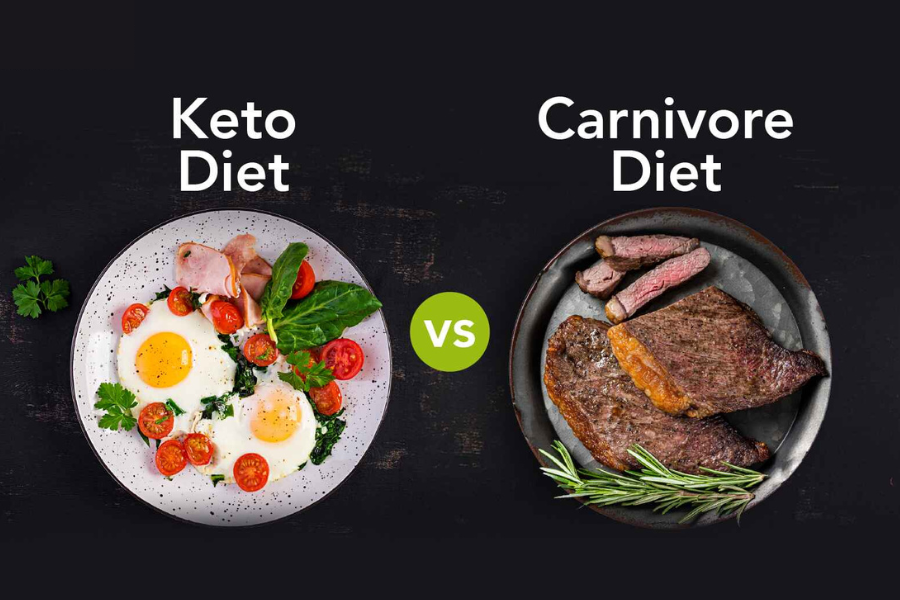
What you eat on a keto diet
The ketogenic diet is a high fat, moderate protein, very low carbohydrate way of eating. Your goal is to keep carbs low enough that your body switches from burning glucose to burning fat for fuel, a state called ketosis.
According to Health, a standard keto diet usually:
- Prioritizes healthy fats
- Keeps protein moderate
- Limits total carbs to around 20 to 50 grams per day, which is much lower than the 225 to 325 grams suggested by the Dietary Guidelines for Americans (Health)
Typical keto friendly foods include:
- Meat, poultry, and fish
- Eggs and full fat dairy like cheese
- Low carb vegetables such as spinach, broccoli, and zucchini (Groovy Keto)
- Fats and oils like butter, olive oil, and avocado oil
- Nuts, seeds, and avocados in moderation
You are not eating a lot of bread, pasta, rice, sweets, or sugary drinks. The key is managing your macros so you stay in ketosis.
What you eat on a carnivore diet
The carnivore diet takes low carb to an extreme. It is essentially a zero carb plan that focuses only on animal products.
Research from multiple sources describes carnivore as:
- Meat, fish, eggs, and some dairy
- No fruits, vegetables, grains, legumes, nuts, or seeds
- Essentially 0% of calories from carbohydrates (People’s Choice Beef Jerky)
University Hospitals describes it as an extreme version of keto that focuses on meat, fish, poultry, eggs, butter, and cheese, and virtually eliminates all carbohydrates so your body relies on fat for energy instead of glucose (University Hospitals).
You do not track macros, you simply eat animal products and avoid everything else.
Compare fat burning and weight loss
You are likely asking about keto vs carnivore diet because you want to know which one burns more fat.
How both diets promote weight loss
Both diets can be powerful tools for fat loss, mainly because they drastically cut carbs and reduce overall calorie intake.
Research summaries report that:
- Both keto and carnivore can lead to significant weight loss by increasing satiety so you naturally eat less
- Carnivore often relies on very high protein intake, which helps you feel full longer
- Keto leans on ketosis, the metabolic state where your body burns fat instead of carbohydrates (Archer Jerky)
Groovy Keto notes that both approaches can be equally effective for weight loss, with keto often supporting steady weekly losses and carnivore offering similar short term results due to extreme fullness and carb restriction (Groovy Keto).
Does one burn fat faster?
Carnivore is sometimes called the most ketogenic diet, since it drives carbs close to zero. That can:
- Push you into ketosis very quickly
- Simplify your food choices so you are less likely to snack on hidden carbs
Groovy Keto points out that carnivore can trigger ketosis in as little as 1 to 3 days, while keto usually needs around 3 to 7 days, depending on your carb intake and activity level (Groovy Keto).
However, a slightly faster entry into ketosis does not automatically mean better long term results. Your consistency over weeks and months will have a bigger impact than which diet gets you into ketosis a day or two sooner.
If you can stick to keto easily but struggle with carnivore, keto will almost certainly outperform carnivore for you in real life.
Look at blood sugar and metabolic health
If better blood sugar control is one of your goals, both diets have potential benefits.
Blood sugar and insulin on keto
Because keto sharply cuts carbs, it can:
- Reduce blood sugar spikes
- Improve insulin sensitivity
- Support diabetes management when supervised by a healthcare provider
Multiple sources note that keto significantly reduces carbohydrate intake and that research has shown improvements in blood sugar control and metabolic health when the diet is followed correctly (Archer Jerky, People’s Choice Beef Jerky).
Blood sugar and insulin on carnivore
The carnivore diet eliminates carbohydrates entirely. This can:
- Flatten blood sugar swings
- Make it easier to avoid highs and lows related to carb intake
Research summaries explain that removing carbs stabilizes blood sugar and may improve insulin sensitivity, potentially helping with diabetes management under medical supervision (Archer Jerky).
Heart health considerations
Keto and carnivore do not impact heart health in the same way.
- Keto, when built around healthier fats and low carb vegetables, may improve HDL cholesterol and support better lipid profiles, according to some research (Archer Jerky)
- Carnivore is often high in saturated fat, cholesterol, and sodium, which can raise concerns about heart disease risk over time (Baylor Scott & White Health)
If heart health is one of your main reasons for changing your diet, a more balanced low carb approach like keto, with room for vegetables and healthier fat choices, is usually a better fit than strict carnivore.
Weigh the pros and cons of keto
Now that you understand the basics, you can look more clearly at what life on keto might feel like day to day.
Benefits of keto diet
You may find keto appealing if you want:
-
Food variety
You can eat meat and fish, but also low carb vegetables, nuts, seeds, and some fruits. Health notes that keto allows both animal and plant based foods like avocados, nuts, meats, and cheese, as long as carbs stay limited (Health). -
Structured but flexible rules
You track carbs and aim for certain macros, but you still have enough room to enjoy different meals and flavors. -
Better sustainability
People’s Choice Beef Jerky points out that keto is generally considered more sustainable and healthier long term than carnivore because it offers more food variety and nutrients (People’s Choice Beef Jerky). -
More social flexibility
Eating out is easier when you can include salads, vegetable sides, and a wider range of ingredients.
Downsides and risks of keto
Keto is not effortless. You may experience:
-
Adaptation issues
During the first days or weeks, you can feel tired, foggy, or experience digestive changes as your body adjusts. Some sources note constipation or diarrhea during this phase (Archer Jerky). -
Micronutrient gaps
Because you limit higher carb fruits and vegetables, you might miss some vitamins and minerals if you do not plan carefully (Archer Jerky). -
Tracking fatigue
Counting carbs and monitoring macros can feel tedious, especially at first.
Finally, Health notes that both keto and carnivore are restrictive and may not be ideal for long term use for everyone. You may see weight regain if you return to old eating habits after stopping the diet (Health).
Weigh the pros and cons of carnivore
Carnivore looks simpler on paper, but that simplicity comes with trade offs.
Benefits of carnivore diet
You might be drawn to carnivore if you prefer:
-
Very simple rules
You eat meat, fish, eggs, and some dairy, and you skip everything else. There is no macro tracking, no carb counting, and no complicated recipes. Several sources note that this makes carnivore feel easier to follow for some people (Bearded Butchers). -
Rapid carb elimination
Since you are essentially eating zero carbs, ketosis usually kicks in quickly and blood sugar swings are reduced. -
Potential symptom relief
Some people notice fewer symptoms from food sensitivities or gut issues when they cut out all plant foods and common irritants like gluten and certain plant compounds (University Hospitals).
Downsides and risks of carnivore
The same features that make carnivore simple also make it risky and hard to maintain.
Research highlights several concerns:
-
High saturated fat and sodium
Baylor Scott & White Health notes that the diet is typically high in saturated fats, cholesterol, and sodium, which may increase the risk of heart disease and other health issues over time (Baylor Scott & White Health). -
No fiber
Because you completely remove plant foods, you get almost no dietary fiber. This can lead to constipation and may take away benefits like improved cholesterol, stable blood sugar, and lower colon cancer risk (Baylor Scott & White Health). -
Micronutrient deficiencies
Without fruits and vegetables, you may fall short on vitamins such as C and E, along with phytonutrients that support long term health (Archer Jerky). Baylor Scott & White Health also points to risks for vitamin and mineral deficiencies with prolonged use (Baylor Scott & White Health). -
Kidney and cancer concerns
Some research summaries raise concerns about kidney stress from very high protein intake and possible increased colon and rectal cancer risk from heavy red and processed meat intake (Baylor Scott & White Health). -
Poor long term sustainability
University Hospitals describes carnivore as an unsustainable eating pattern for most people because of its narrow food choices and potential health risks (University Hospitals).
For many, carnivore works better as a short term elimination experiment under medical guidance, rather than a permanent lifestyle.
Compare keto vs carnivore diet side by side
To help you see the main differences quickly, you can skim this overview.
| Feature | Keto diet | Carnivore diet |
|---|---|---|
| Main goal | Ketosis through high fat, very low carb eating | Extreme carb elimination with all animal foods |
| Carbs allowed | About 20 to 50 g per day, mostly from low carb vegetables and nuts (Health) | Essentially 0 g, all plant foods removed (People’s Choice Beef Jerky) |
| Food variety | Meat, fish, eggs, cheese, low carb vegetables, nuts, some fruits | Meat, fish, eggs, some dairy only |
| Tracking | Usually track carbs and sometimes macros | No tracking, only eat animal products |
| Evidence base | Backed by more studies on weight loss and metabolic health (People’s Choice Beef Jerky) | Mostly anecdotal, limited formal research (University Hospitals) |
| Nutrient coverage | Can supply a broader range of vitamins and minerals if planned well | High risk of deficiencies in vitamins like C and E, and no fiber |
| Sustainability | Generally more sustainable and socially flexible | Often difficult to maintain long term |
| Typical use case | Long term lifestyle or medical nutrition strategy | Short term elimination or experiment, not a typical long term plan |
Decide which diet fits your lifestyle
You do not have to treat keto vs carnivore diet like a winner takes all contest. The better question is, which approach fits your life, health, and preferences right now.
When keto might be better for you
Keto is usually a better match if:
- You want to lose fat while still eating vegetables and a variety of foods
- You care about long term sustainability and social flexibility
- You want a plan that can be tailored to different health goals, like blood sugar control or improved energy
- You prefer a way of eating that is supported by more research over time (People’s Choice Beef Jerky)
When carnivore might be worth exploring
Carnivore may be something you discuss with your healthcare provider if:
- You suspect strong reactions to many plant foods and want a short term elimination diet
- You prefer very simple food rules with minimal decision making
- You are willing to accept the diet’s restrictions for a brief, supervised trial rather than a long term lifestyle
Given the concerns from Baylor Scott & White Health and University Hospitals about heart health, nutrient deficiencies, digestive issues, and sustainability, you should be cautious about adopting carnivore on your own for long periods (Baylor Scott & White Health, University Hospitals).
Take practical next steps
If you are leaning toward keto as your main fat burning strategy, you can ease into it without overhauling your life overnight.
Start with simple changes
Try one or two of these shifts first:
- Swap sugary drinks for water, unsweetened tea, or black coffee
- Replace one starchy side per day with a low carb vegetable, such as swapping rice for cauliflower rice
- Build your plate around protein and healthy fats, then add a small serving of low carb vegetables
- Begin tracking your daily carbs so you can see where your intake stands now
Talk with a professional
Because both keto and carnivore are restrictive in different ways, checking in with a healthcare provider or registered dietitian is a smart move, especially if you:
- Have diabetes or blood sugar issues
- Have kidney or heart problems
- Are pregnant, breastfeeding, or planning a pregnancy
- Have a history of disordered eating
They can help you shape a version of keto that supports fat loss and better health while keeping nutrients balanced and risks in check.
Key takeaways
If you remember only a few points from the keto vs carnivore diet comparison, let them be these:
- Both diets cut carbs sharply, promote ketosis, and can support fat loss and more stable blood sugar.
- Keto includes both animal and low carb plant foods, which makes it more flexible, more sustainable, and generally better supported by research for long term use.
- Carnivore is an extreme, all animal, zero carb approach that may deliver rapid changes but carries higher risks for nutrient deficiencies, digestive issues, and heart health.
- The “ultimate fat burner” is the plan you can follow safely and consistently, while still living your life. For most people, that means a well planned keto diet rather than strict carnivore.
From here, your best step is to decide which approach sounds realistic for the next three months, talk with a professional if you have medical conditions, and begin making small, steady changes you can actually keep.
About the Author