Understand what keto diet rules really mean
If you are curious about keto diet rules because you want to lose weight or improve your health, it helps to know what is actually behind them. The ketogenic diet is a very low carbohydrate, high fat way of eating that shifts your metabolism into a state called ketosis. In ketosis, your body burns fat for fuel instead of relying on carbs and glucose for energy (Healthline).
Most classic keto diet rules ask you to:
- Keep carbs very low, usually around 20 to 50 grams per day
- Eat plenty of fat, often around 70 to 80 percent of your daily calories
- Keep protein in the moderate range, not too low but not very high
Harvard T.H. Chan School of Public Health notes that a typical 2,000 calorie keto plan often lands around 165 grams of fat, 75 grams of protein, and 40 grams of carbohydrates per day (Harvard T.H. Chan School of Public Health).
Those numbers can look strict at first, but each rule is tied to how your metabolism works. When you understand why they matter, it becomes easier to follow them and to decide if keto fits your life.
How ketosis changes your energy source
On a higher carb diet, your body runs mostly on glucose from carbohydrates. When you cut carbs to roughly 20 to 50 grams per day, you deprive your body of its usual fuel. In response, your liver begins turning fat into molecules called ketone bodies, which your body and brain can then use as an alternative energy source. This shift into ketosis usually starts after about 3 to 4 days of very low carb intake (Harvard T.H. Chan School of Public Health).
You may notice:
- Less dependence on constant snacking because your energy is coming from stored fat
- Fewer spikes and crashes in blood sugar
- A different kind of “steady” energy, especially once you are fully adapted
This is why staying consistent with keto diet rules matters. If you regularly eat more carbs than your body can handle and still stay in ketosis, you slide back toward using glucose and you lose the main benefit of the diet.
Follow core keto diet rules for weight loss
You often hear that following keto diet rules can speed up fat loss. That is partly because your body is burning fat for fuel in ketosis, but also because the structure of the diet tends to naturally reduce your appetite and help you avoid large blood sugar swings.
Keep carbs low and targeted
For most people, keeping carbohydrate intake under 50 grams per day is what it takes to enter ketosis. Many keto beginners aim closer to 20 to 30 grams, focusing on low carb vegetables and small amounts of berries (Healthline).
Common high carb foods that work against your keto goals include:
- Grains such as bread, pasta, rice, oats, and corn
- Starchy vegetables like potatoes, sweet potatoes, and most forms of corn and peas
- Beans and legumes including lentils, chickpeas, and black beans
- Sugary foods like candy, pastries, desserts, and sweetened drinks
- Most fruits, especially bananas, grapes, and mangoes that are high in sugar (Ideal Nutrition)
Since many processed foods hide sugar and starch, reading ingredient lists carefully becomes one of your most important keto diet rules. Packaged snacks, sauces, and ready meals often contain more carbs than you expect (Ideal Nutrition).
Choose fat as your main fuel
Because carbs are low, fat becomes your primary energy source on keto. Healthline notes that a very low carb ketogenic diet is usually around 70 percent of daily calories from fat (Healthline).
Healthy fat sources you can build meals around include:
- Avocados and olives
- Nuts and seeds
- Olive oil, avocado oil, and coconut oil
- Butter or ghee in moderate amounts
- Oily fish like salmon and sardines
Experts recommend focusing on unsaturated and omega 3 fats, and keeping processed, heavily cured, or deep fried foods more occasional. Everyday Health highlights that even on keto, it helps to limit processed and less healthy fats such as large amounts of bacon and heavy cream, and to emphasize omega 3 rich foods like salmon, sardines, and flaxseed (Everyday Health).
Keep protein in the “moderate” zone
Protein on keto is important, but more is not always better. Excess protein can be converted into glucose, which may keep you from reaching full ketosis. Healthline suggests a range of about 0.7 to 0.9 grams of protein per pound of body weight, or 1.5 to 2.0 grams per kilogram (Healthline).
Good protein options that fit keto diet rules are:
- Meat and poultry
- Seafood
- Eggs
- Some dairy products like cheese, Greek yogurt, and cottage cheese, in moderation (Healthline)
This balance helps you protect your muscle mass while keeping your carb intake low enough and your fat intake high enough to support ketosis (Harvard T.H. Chan School of Public Health).
See how keto diet rules support better health
Weight loss is often the reason you may first look at keto, but following keto diet rules consistently can influence other aspects of your health as well.
Blood sugar and insulin control
Because the ketogenic diet drastically reduces carbohydrate intake, it also lowers the amount of glucose entering your bloodstream. This typically leads to lower blood sugar and insulin levels (Healthline). For some people, that can mean:
- Fewer energy crashes after high carb meals
- Less intense sugar cravings
- More stable hunger signals
Anyone who has issues with blood sugar should work closely with a healthcare professional before and during keto, especially if medication doses may need to change.
Possible effects on cholesterol
The impact of keto on cholesterol can be different from person to person. UC Davis Health explains that when you start a keto diet, you are encouraged to get baseline and follow up blood tests. Some people see an increase in LDL, often called “bad cholesterol”, while others have improvements in HDL, the “good cholesterol”, and in triglycerides (UC Davis Health).
Because responses vary, medical supervision is recommended, especially if you already have heart disease risk factors.
Appetite, cravings, and energy
Dropping carbs and learning to rely on fat for fuel can naturally change how hungry you feel. Many people report:
- Less frequent hunger and fewer cravings
- The ability to go longer between meals without feeling shaky or weak
- A calmer, more even sense of energy after the first weeks of adaptation
These effects are not guaranteed, but they are a big part of why keto diet rules can feel sustainable once you move past the early transition period.
Ease into keto diet rules safely
If you move from a typical higher carb diet straight into a strict ketogenic plan overnight, the shift can be uncomfortable. You might experience what is often called the “keto flu”, a short period where you feel tired, headachy, or generally unwell.
Taper carbs instead of dropping overnight
Everyday Health reports that beginners are often better off tapering carbohydrate intake gradually instead of suddenly cutting down to very low levels. This slower ramp helps your body adjust and may reduce the intensity of keto flu symptoms (Everyday Health).
A practical approach is to:
- Start by cutting out sugary drinks and desserts.
- Then reduce obvious starches like bread, pasta, and rice.
- Finally, adjust portions of starchy vegetables and higher sugar fruits.
At each step, you replace removed carbs with healthy fats and low carb vegetables rather than simply eating less food overall.
Hydrate and replace electrolytes
When you lower your carb intake, your insulin levels tend to drop. As that happens, your kidneys excrete more sodium, which can contribute to lightheadedness, headaches, fatigue, and leg cramps (Healthline).
Several simple habits make a big difference during this phase:
- Drink at least half your body weight in ounces of water daily, for example, 75 ounces if you weigh 150 pounds (Everyday Health)
- Season your food with salt within the general limit of 2,300 milligrams of sodium per day as recommended by the FDA, unless your provider sets a different target (Healthline)
- Include foods that provide potassium and magnesium, such as leafy greens and nuts, or talk with your healthcare provider about supplements
UC Davis Health also notes that a multivitamin with minerals is often advised to help cover any nutrient gaps while you are following strict keto diet rules (UC Davis Health).
Recognize and manage keto flu
When you first reach very low carb levels, you may experience:
- Fatigue
- Headaches
- Nausea or digestive upset
- Irritability
- Trouble focusing
Healthline describes this “keto flu” as temporary while your body adapts to burning fat instead of carbs. Symptoms often last a few days, though full metabolic adaptation can take several weeks (Healthline).
To ease this transition:
- Increase water and electrolytes
- Get enough sleep
- Avoid intense new exercise routines during the first week or two
- Consider stepping your carbs down instead of cutting them all at once
If symptoms are severe or do not improve, it is important to check in with a healthcare professional.
Know what you can and cannot eat on keto
Understanding exactly what fits within keto diet rules takes much of the guesswork out of daily meals. You do not have to follow a single version of keto for it to work, but knowing the general categories will help you design meals that support ketosis.
Foods to focus on
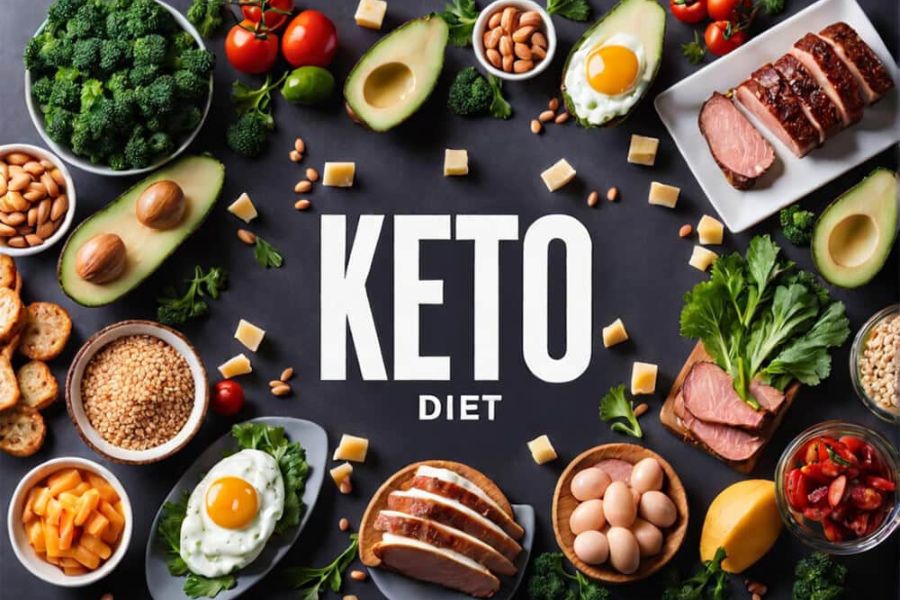
Across different versions of a ketogenic diet, core food groups tend to be similar. Healthline and other sources highlight these as staples (Healthline):
- Animal proteins: meat, poultry, and seafood that are naturally low in carbs
- Eggs: about 6 grams of protein and less than 1 gram of carbs per large egg
- Dairy: cheese, plain Greek yogurt, cottage cheese, cream, and half and half in moderation
- Low carb vegetables: leafy greens, broccoli, cauliflower, peppers, zucchini, other nonstarchy vegetables
- High fat plant foods: avocados and olives
- Fats and oils: olive oil, avocado oil, coconut oil, butter, and ghee, which are all carb free
- Beverages: water, unsweetened coffee and tea, and unsweetened sparkling water
Many people base their meals on whole, single ingredient foods like meat, fish, eggs, butter, nuts, healthy oils, avocados, and low carb vegetables, while avoiding packaged items that add sugar or starch (Healthline).
Foods and drinks to limit or avoid
To maintain ketosis, you typically need to avoid or sharply limit:
- Grains and starches: wheat, rice, oats, corn, bread, cereal, pasta, and most baked goods (Healthline)
- Starchy vegetables: potatoes, sweet potatoes, corn, and many peas
- Beans and legumes: lentils, kidney beans, black beans, chickpeas (Harvard T.H. Chan School of Public Health)
- Sugary foods and sweets: candy, pastries, desserts, and sugar sweetened drinks that cause insulin spikes and interfere with fat burning (Ideal Nutrition)
- Most fruits: especially higher sugar options such as bananas, grapes, and mangoes, although small servings of raspberries and similar berries can sometimes fit within your carb limit (Ideal Nutrition; UC Davis Health)
- Sugary beverages: fruit juice, soda, and mixed alcoholic drinks, which can quickly exceed your daily carb limit. Lower carb alcohol options, such as some spirits or red wine with less than 5 grams of carbs per serving, may fit occasionally (Healthline)
- High sugar condiments: ketchup, barbecue sauce, syrups, honey, and many bottled sauces. Vinegar based sauces, mayonnaise, and mustard usually contain fewer carbs (Healthline)
If you enjoy ham, watch for sweetened versions. Honey baked or glazed ham contains added sugars that can hinder ketosis. Plain deli ham with less than 1 gram of carbs per slice is a more keto friendly option (Healthline).
A quick comparison table
| Category | Generally keto friendly | Generally not keto friendly |
|---|---|---|
| Grains & starches | None in large amounts | Bread, pasta, rice, oats, corn, cereal |
| Vegetables | Leafy greens, broccoli, cauliflower, zucchini | Potatoes, sweet potatoes, most corn and peas |
| Fruit | Small portions of berries like raspberries | Bananas, grapes, mangoes, fruit juice |
| Protein | Meat, poultry, seafood, eggs | Breaded meats, sugary marinades |
| Dairy | Cheese, Greek yogurt, cottage cheese, cream | Sweetened yogurts, ice cream |
| Fats & oils | Olive, avocado, coconut oil, butter, ghee | Highly processed trans fat products |
| Drinks | Water, unsweetened coffee and tea, sparkling water | Soda, juice, sugary cocktails |
Choose the version of keto that fits you
There is more than one way to follow keto diet rules. UC Davis Health describes three common versions (UC Davis Health):
- Classic keto diet: Very strict, with carefully set fat, protein, and carb ratios. Often used medically and usually followed with guidance from a dietitian.
- Modified keto diet: Similar to classic but allows more protein and sometimes slightly more carbs.
- Modified Atkins diet: The most flexible. It is still high fat and low carb but allows unlimited protein and has looser structure.
If you are mainly interested in weight loss and better energy, you may not need the strictest version. However, whichever style you choose, the same core ideas apply: keep carbs low, use fat as your main fuel, and protect your health with good food quality and regular check ins.
Plan for medical guidance and long term health
Any major change in how you eat is worth discussing with a healthcare professional, and that is especially true for a structured plan like keto.
UC Davis Health advises that people starting the keto diet get baseline blood tests and follow up testing to monitor cholesterol and other markers. Some side effects that have been reported include keto flu, increased sodium loss, and potential changes in bone health markers, which is why supervision and smart supplementation are important (UC Davis Health).
A registered dietitian or knowledgeable healthcare provider can help you:
- Decide which version of keto is appropriate
- Set realistic weight loss and health goals
- Monitor your bloodwork and adjust your plan
- Make sure your nutrient intake is balanced, even with restricted carbs
Keto diet rules can be powerful tools, but they work best when they are personalized to your needs and health history.
Put keto diet rules into action
To start using keto diet rules in a realistic way, it helps to think in small, clear steps rather than trying to change everything overnight.
Consider beginning with one or two changes this week:
- Swap sugary drinks for water or unsweetened tea.
- Replace your usual side of rice or pasta with cauliflower rice or a leafy green salad.
- Add more healthy fats, such as avocado, olive oil, or a handful of nuts, to your meals.
As you feel more comfortable, you can gradually lower your carbs, fine tune your fat and protein intake, and watch how your body responds. Along the way, pay attention not only to the number on the scale, but also to your energy, cravings, mood, and how easy it feels to stick with your new routine.
Following keto diet rules consistently can help you shift your body into fat burning mode, support better blood sugar control, and possibly improve other health markers, as long as you approach the diet thoughtfully and with proper guidance.
About the Author