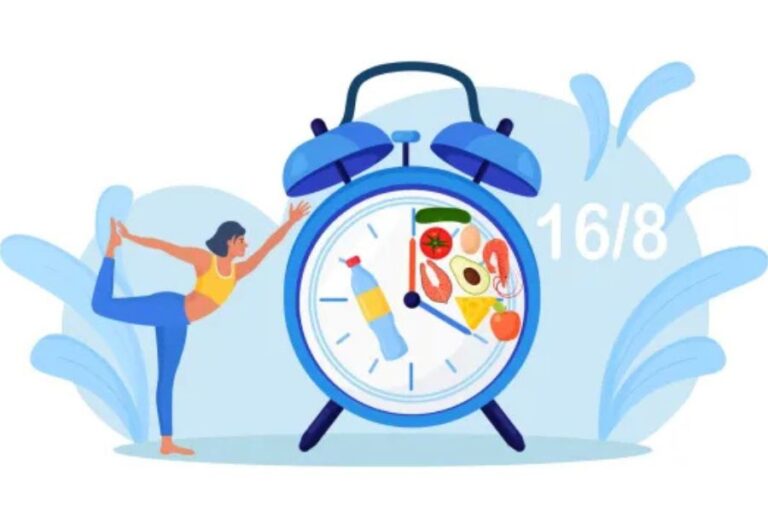
Intermittent fasting can be a helpful tool for weight loss and better health, but it is easy to trip over a few common intermittent fasting mistakes when you are just getting started. The good news is that most of these missteps are simple to fix once you know what to look for. With a bit of planning and a realistic approach, you can build a routine that feels sustainable instead of stressful.
Below, you will find the most frequent intermittent fasting mistakes and clear, practical ways to avoid them so you can decide if this style of eating is right for you.
Understand what intermittent fasting is (and is not)
Before you can avoid mistakes, it helps to be clear on what intermittent fasting actually involves.
Intermittent fasting is a pattern of eating that alternates between periods when you eat and periods when you do not eat. During the fasting window, you usually consume only calorie free drinks such as water, black coffee, or unsweetened tea. During the eating window, you eat your usual meals.
What intermittent fasting is not:
- It is not a free pass to starve yourself.
- It is not a diet where food quality does not matter.
- It is not safe or appropriate for everyone, especially people with certain medical conditions.
If you choose to try fasting, your body still needs enough calories and nutrients for energy, tissue repair, and healthy organ function (Fairview Rehab).
Start with a realistic fasting schedule
One of the biggest intermittent fasting mistakes is jumping into an aggressive schedule right away.
Mistake: Shrinking your eating window too quickly
Going straight to an 18/6 or 20/4 plan when you are used to eating every 3 or 4 hours can leave you feeling weak, irritable, and overly focused on food. This is a common reason people give up after a few days.
Experts suggest easing in gradually. Libby Mills, M.S., RDN, notes that abruptly cutting down to an 8 hour eating window can cause excessive hunger and discouragement (EatingWell). Other guidance recommends starting with something like 12/12 or 14/10 and letting your body adapt over several months (Harvard Health Publishing, Regeneration Health).
How to fix it
- Begin with a gentle schedule such as:
- 12/12: 12 hours eating, 12 hours fasting
- 14/10: 10 hour eating window, 14 hour fast
- Hold each schedule for at least 1 to 2 weeks before shortening the eating window.
- Pay attention to your energy, mood, and sleep. If you feel worse over time, ease up instead of pushing harder.
Do not ignore potential health risks
Another common mistake with intermittent fasting is assuming it is safe for everyone just because it is popular.
Mistake: Fasting without considering your health background
Restricting food for long stretches can affect hormones, medication timing, and overall energy. Research suggests that low energy availability from fasting may disrupt hypothalamic function, which can lead to lower estrogen levels, menstrual issues, and reproductive problems in women (Fairview Rehab).
A preliminary analysis of more than 20,000 U.S. adults also found that people who limited their eating to less than 8 hours per day had a 91% higher risk of cardiovascular death compared with those who ate over 12 to 16 hours daily (American Heart Association). The study has limitations, but it is a clear signal that long term, very short eating windows may not be ideal for everyone, especially if you have heart disease or cancer.
Intermittent fasting can also interact with certain medications, including drugs for diabetes, blood pressure, or heart disease. Some medicines must be taken with food to avoid nausea or stomach upset, and fasting may affect mineral balance as well (Harvard Health Publishing).
How to fix it
Consider getting medical advice before fasting if you:
- Have diabetes, heart disease, low blood pressure, or a history of eating disorders.
- Are pregnant, breastfeeding, or trying to conceive.
- Take medications that need to be taken with food.
- Notice menstrual changes or other hormonal symptoms.
A personalized approach that accounts for your age, activity level, and current health is far safer than copying someone else’s routine (Regeneration Health).
Avoid starving yourself during eating windows
With intermittent fasting, what you eat still matters. One of the more surprising intermittent fasting mistakes is not eating enough when you actually can eat.
Mistake: Under eating and running on empty
You might be tempted to keep portions too small because you want fast weight loss. Over time, though, too few calories can affect your energy, mood, and nutrient status. It may also lead to excessive weight loss in older adults, which can impact bone health, immune function, and overall strength (Harvard Health Publishing).
Some people find they simply cannot fit enough food into a short eating window and may benefit from slightly extending it (PrivateMDs).
Mistake: Overeating or binging after a fast
On the other side of the spectrum, you might arrive at your first meal extremely hungry and end up overeating. After fasting, appetite hormones and hunger centers in the brain are more active, which can drive overconsumption (Harvard Health Publishing).
Experts consistently note that overeating during the eating window is a frequent error, often justified as “making up” for fasting (EatingWell, Regeneration Health). Restricting all day and then binging at night can disrupt your circadian rhythm, disturb sleep, and undercut any benefits you might hope to gain (PrivateMDs).
How to fix it
- Aim for balanced, satisfying meals with:
- Quality protein
- Healthy fats
- Fiber rich vegetables and whole grains
- Eat slowly so your brain has time to register fullness.
- If you consistently feel stuffed or exhausted after meals, adjust your portion sizes rather than blaming the entire fasting approach.
- If you cannot meet your needs in 8 hours, try a slightly longer window such as 10 or 12 hours instead of forcing a strict 16/8 every day.
Prioritize nutrient dense foods
One of the most overlooked intermittent fasting mistakes is focusing only on when you eat and not what you eat.
Mistake: Relying on processed, sugary, or salty foods
If your eating window is packed with fast food, sweets, and heavily processed snacks, you may undo most potential benefits. Consuming fatty, sugary, or very salty foods during eating periods can work against your goals and make fasting feel harder (Fairview Rehab).
Depending too heavily on refined carbohydrates can also cause blood sugar spikes and crashes, which make it tougher to stay comfortable during your fasting hours. A low carbohydrate focus that emphasizes quality proteins and fats may improve satiety and help you handle time without food more easily (PrivateMDs).
Mistake: Trying to “compensate” with junk food
Another common pattern is “rewarding” yourself for fasting by stuffing yourself with treats once the eating window opens. This not only strains digestion, it can also derail weight loss progress and increase cravings the next day.
How to fix it
During eating windows, aim for:
- Lean proteins such as chicken, fish, eggs, tofu, or beans.
- Healthy fats from avocado, olive oil, nuts, and seeds.
- Plenty of vegetables and some fruits.
- Whole grains like oats, quinoa, or brown rice instead of refined breads and pastries.
These foods offer vitamins, minerals, and fiber that keep you full while supporting your health.
Plan ahead instead of winging it
You can handle intermittent fasting much more easily if you treat it like any other schedule change in your life.
Mistake: Not being prepared for meals and snacks
If you do not plan meals ahead of time, it is easy to miss your eating window or end up grabbing whatever is fastest and most convenient. This lack of preparation is a frequent cause of poor food choices and inconsistent fasting and eating times (PrivateMDs).
How to fix it
- Decide your fasting and eating hours in advance and write them down.
- Prep a few simple meals so you are not cooking from scratch when you are already hungry.
- Keep quick, balanced options on hand like:
- Pre washed salad greens with a protein topping.
- Greek yogurt with nuts and berries.
- Hard boiled eggs and cut vegetables.
A little planning reduces last minute stress and makes it easier to stay on track.
Hydrate the smart way
Hydration is one of the simplest tools you have for making fasting more comfortable, yet it is often overlooked.
Mistake: Not drinking enough water
Dehydration can easily be mistaken for hunger, so if you barely drink during the day you may feel unnecessarily uncomfortable. Experts suggest that about 2 liters or 64 ounces of water daily can help support metabolism and reduce false hunger signals (EatingWell).
Neglecting hydration can also lead to fatigue, headaches, and poor concentration, especially when you extend your fasting hours (Regeneration Health).
Mistake: Relying on soda and diet drinks
Drinking soda or artificially sweetened beverages during fasting periods may not provide the benefits you expect. These drinks can increase cravings for sweets and make you more likely to overeat at your next meal (EatingWell).
Mistake: Consuming hidden calories during your fast
It is easy to assume that a splash of cream, butter in coffee, or a small drink at night “does not count.” In reality, any calories break a true fast. Items like buttered coffee or alcohol before bed fall into this category (PrivateMDs).
How to fix it
During fasting hours, stick to:
- Water, plain or infused with lemon or herbs.
- Black coffee.
- Unsweetened green or herbal tea.
These calorie free drinks help fill your stomach and keep you hydrated without interrupting your fast (Fairview Rehab).
Match your workouts to your eating schedule
Fasting and exercise can work together, but timing matters.
Mistake: Doing intense workouts on an empty stomach
Hard workouts require fuel. Engaging in very intense exercise when you have not eaten for many hours is generally not recommended because your body may not have enough energy for both performance and recovery (EatingWell). This can leave you feeling lightheaded, overly fatigued, or unusually sore afterward.
How to fix it
- Schedule tough workouts closer to the middle of your eating window, when you are fed and hydrated.
- During longer fasting periods, favor moderate activities like walking, gentle cycling, or stretching.
- Listen to your body. If you feel weak, shaky, or dizzy, scale back and eat sooner.
Listen to your body’s warning signs
Some discomfort is normal when you change any eating pattern, but certain symptoms are a sign that you may need to adjust or stop.
Mistake: Ignoring persistent side effects
Intermittent fasting can cause headaches, lethargy, irritability, and constipation, especially when you first begin or if your fasting window is quite long (Harvard Health Publishing). If these issues continue or get worse, a strict fasting plan might not be the right fit for you.
Older adults in particular may be more vulnerable to negative effects like excessive weight loss and reduced energy, especially since many studies have focused on younger participants (Harvard Health Publishing).
How to fix it
- Track how you feel over several weeks, not just a single day.
- If symptoms persist, try:
- Lengthening your eating window.
- Increasing calories and nutrients.
- Switching to a less restrictive schedule, such as a 12/12 split rather than a tight 8 hour window.
- Reach out to a health professional if you are concerned about your symptoms, particularly if you have underlying medical conditions.
Stay patient with your progress
It is easy to become discouraged if the scale does not move quickly.
Mistake: Expecting instant results
Changes in weight, energy, and metabolic health usually unfold over weeks or months, not days. Expecting drastic results from intermittent fasting in a very short time can lead you to quit a plan that might have helped if you had approached it more gradually (Regeneration Health).
How to fix it
- Give any schedule at least several weeks before you decide whether it suits you.
- Track more than weight. Note changes in sleep, energy, cravings, and mood.
- Be open to adjustments. If a specific approach is not working, it is okay to change it or choose a different eating style altogether.
Quick checklist: Common intermittent fasting mistakes to avoid
Use this short list as a reminder while you experiment:
- Jumping into a very short eating window without easing in.
- Ignoring your personal health history or medication needs.
- Eating far too little or binging during eating windows.
- Filling your plate with ultra processed, sugary, or salty foods.
- Skipping meal planning and relying on last minute choices.
- Drinking too little water or relying on sodas and diet drinks.
- Adding cream, butter, or alcohol during fasting hours.
- Scheduling intense workouts at the end of long fasts.
- Pushing through ongoing headaches, fatigue, or dizziness.
- Expecting overnight results and giving up too soon.
If you decide to try intermittent fasting, start small and stay curious about how your body responds. You can always adjust your schedule, lengthen your eating window, or step away from fasting entirely if it does not feel like a good fit. Your goal is not to follow the strictest plan, it is to find an approach to eating that supports your health, your lifestyle, and your long term well being.
About the Author