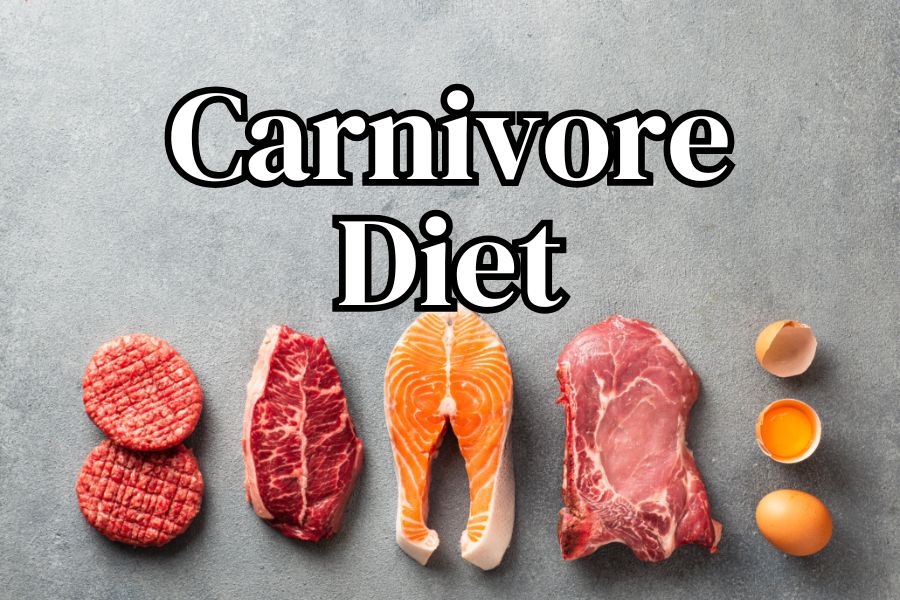
What carnivore diet vs keto really means
If you are weighing the carnivore diet vs keto, you are probably looking for a way to lose weight, feel better, or get your blood sugar under control. Both approaches are very low in carbohydrates, but they are not interchangeable.
On keto, you focus on high fat, moderate protein, and very low carbs to push your body into ketosis, a state where you burn fat for fuel instead of sugar. On carnivore, you eat only animal products like meat, fish, eggs, and some dairy, and you cut out all plant foods entirely, which is why it is sometimes called a zero carb diet (Health).
Understanding how they differ makes it much easier to see which, if either, fits your life and health goals.
How each diet actually works
Both diets change what your body uses for fuel, but they get there in slightly different ways.
What you eat on keto
On a standard ketogenic diet, you usually:
- Limit carbs to about 50 grams per day or less
- Eat plenty of fat from foods like olive oil, avocado, nuts, cheese, and fatty fish
- Keep protein moderate so your body stays in ketosis rather than turning excess protein into glucose
That sharp drop in carbohydrates pushes your body to burn fat for energy and produce ketones instead of relying on blood sugar (Health). Keto still allows some plant foods, such as non starchy vegetables, nuts, and seeds, as long as you stay within your carb limit.
What you eat on carnivore
On the carnivore diet, your plate is much simpler. You stick with:
- Meat, including beef, pork, poultry, and organ meats
- Fish and seafood
- Eggs
- Animal fats, butter, and sometimes cheese or other dairy
Everything else is off the list. You do not eat fruit, vegetables, grains, beans, nuts, or seeds (Healthline). That makes carnivore a more extreme form of low carb eating and essentially an offshoot of keto with even stricter rules (Inspira Health Network).
Because you are cutting out all carbohydrates, your body still relies heavily on fat and protein for energy. However, the diet is so restrictive that many experts consider it unsustainable for most people (University Hospitals).
Potential benefits of both diets
When you look at carnivore diet vs keto, you will see some overlapping upsides. A lot of them come from eating more protein and fewer refined carbs.
Weight loss and appetite control
Both diets are known for helping people lose weight. Several things work in your favor:
- Higher protein and fat can keep you full for longer, which can naturally reduce how many calories you eat without deliberate restriction (Healthline)
- Very low carb intake can lead to quick water weight loss at first, which is often motivating
- On keto, being in ketosis may help your body use stored fat for energy more efficiently (Cureus)
Short term studies of very low carbohydrate ketogenic diets show meaningful drops in body weight, triglycerides, and blood pressure over 6 to 12 months (Cureus).
Carnivore can also lead to weight loss, mainly because you cut out entire categories of high calorie foods like sweets, pastries, chips, and sugary drinks, and you rely on very filling protein rich meals (Healthline).
Blood sugar and insulin support
If you are concerned about blood sugar, both diets can have powerful short term effects.
On carnivore, you eliminate all carbohydrates, which means your blood sugar and insulin levels are less likely to spike and crash. Some people with diabetes or insulin resistance report more stable blood sugars when they avoid carbs completely (Archer Jerky).
On keto, you still sharply reduce carbs, which can also improve insulin sensitivity. In one clinical trial of people with type 2 diabetes who followed a very low carb ketogenic diet, HbA1c dropped from 7.5 percent to 6.3 percent over 16 weeks and many participants were able to reduce or stop some diabetes medications, though they needed close medical supervision (Cureus).
If you take medication for diabetes, you should never start carnivore or keto without your doctor on board. Your prescriptions may need rapid adjustment as your blood sugars change.
Energy and mental clarity
Many people on both diets say they feel more steady energy and less afternoon brain fog. While these experiences are mostly anecdotal, there are some possible reasons:
- Fewer blood sugar swings
- Less ultra processed food
- More focus on whole foods and protein
Advocates of the carnivore diet often claim reduced inflammation and improved mood, but so far these benefits are based on personal stories, not controlled trials (Inspira Health Network).
Health risks and limitations to know
Every restrictive diet carries trade offs. For carnivore diet vs keto, the potential downsides are important to understand before you commit.
Nutrient gaps and gut health
Carnivore removes not just junk food but all plant foods, which also means:
- No fiber at all
- No phytonutrients, plant antioxidants, or many vitamins that come from fruits and vegetables
- Higher risk of constipation and possible gut inflammation due to lack of fiber and diversity in your gut bacteria (Healthline)
Nutrition experts warn that the absence of plants can lead to long term nutrient deficiencies and may not be safe for children, pregnant people, or anyone with existing nutrient issues (Inspira Health Network). University Hospitals goes further and advises people with heart disease, kidney problems, nutrient deficiencies, children, pregnant women, and those with compromised immune systems to avoid the carnivore diet altogether (University Hospitals).
Keto also has gaps, though usually not as extreme. You still eat small amounts of low carb vegetables, but the strict carb limit can make it hard to get enough:
- Fiber
- Magnesium
- Vitamin C
- Potassium
Because of that, people on keto often deal with constipation, fatigue, muscle cramps, and a temporary cluster of symptoms commonly called keto flu, including irritability, nausea, and brain fog (Northwestern Medicine).
Heart health and saturated fat
Both diets can be high in saturated fat, especially if you lean heavily on red meat, butter, full fat dairy, and coconut oil.
Researchers are still debating exactly how saturated fat affects heart disease risk, but there are reasons to be cautious:
- Very low carb ketogenic diets often improve triglycerides and raise HDL cholesterol, which is usually positive
- However, they can also raise LDL cholesterol, the type that is linked with higher cardiovascular risk, especially when animal fats dominate the diet (Cureus)
- A large long term study found that low carb diets that rely mostly on animal fats and proteins were associated with higher all cause mortality, while low carb diets rich in plant fats and proteins were linked to lower mortality (Cureus)
On carnivore, saturated fat intake is often even higher, and experts express concern that this may raise LDL cholesterol and increase the risk of heart disease over time (Archer Jerky). Registered dietitians from University Hospitals note that the combination of very high fat intake and missing food groups can create serious health concerns if followed long term (University Hospitals).
On keto, many clinicians recommend focusing on healthier fats such as olive oil, avocado, nuts, and fatty fish rather than large amounts of red meat and butter (Northwestern Medicine).
Long term sustainability
Even if you are motivated now, how realistic is it to stick with carnivore or keto in daily life?
Keto is strict, but you can still include:
- Low carb vegetables
- Some berries
- Nuts and seeds
- A wider range of recipes, including modified versions of favorite meals
That bit of flexibility helps many people keep keto going for several months. However, studies show that the weight loss and metabolic improvements from ketogenic diets often fade after about a year as adherence drops and old eating patterns return (Cureus). Northwestern Medicine reports that many people regain at least half of the weight they lost once they stop keto (Northwestern Medicine).
Carnivore is even harder to maintain socially and emotionally. You are left out of most shared meals, restaurant menus, and celebrations. Nutrition experts describe it as unsustainable for most people and potentially risky as a long term lifestyle (University Hospitals).
When carnivore might be considered
Most dietitians do not recommend going full carnivore, but there are some narrow cases where a very short trial under medical supervision might be discussed.
Some people with severe reactions to certain plant foods or compounds, such as gluten, lectins, or oxalates, report symptom relief on a carnivore style diet (University Hospitals). In those situations, a specialist might use carnivore as a temporary elimination tool, then gradually reintroduce foods to identify triggers.
If you are thinking about carnivore because other elimination diets have not helped, it is especially important to work closely with a registered dietitian or physician. They can monitor your labs, guide you on supplements, and help you avoid malnutrition.
For most people who want weight loss or better health, experts recommend a more balanced, diverse approach that still emphasizes high quality protein but includes fruits, vegetables, and whole grains (Inspira Health Network).
How to choose what fits you
You do not need to pick an extreme diet to make progress. Still, if you are comparing carnivore diet vs keto and want a clear picture, it can help to see them side by side.
| Question | Carnivore diet | Keto diet |
|---|---|---|
| Main idea | Only animal products, zero carbs from plants | Very low carbs, high fat, moderate protein |
| Food variety | Very limited | Moderate, includes some plants |
| Potential benefits | Rapid weight loss, steady blood sugar, possible symptom relief for some intolerances | Weight loss, better blood sugar control, improved triglycerides and HDL |
| Main concerns | No fiber or plant nutrients, high saturated fat, nutrient deficiencies, long term safety unknown | Nutrient gaps, possible LDL increase, keto flu, hard to sustain long term |
| Best suited for | Very select cases under medical care, short term elimination | People who can track carbs and are comfortable making big changes for a limited time |
| Not advised for | Heart or kidney disease, pregnancy, children, nutrient deficiencies, immune issues (University Hospitals) | People with certain medical conditions or on medications without doctor supervision |
To choose your next step, ask yourself:
- How long am I realistically willing to eat this way?
- Am I prepared to check my labs and work with a doctor or dietitian?
- Do I value food flexibility and social meals, or am I open to strict rules for a short period?
Often, a middle ground works better. For example, you might:
- Cut refined carbs and sugary drinks
- Eat generous portions of lean and fatty fish, poultry, eggs, and some red meat
- Fill half your plate with non starchy vegetables
- Include whole grains or fruit in modest portions that your body tolerates
This kind of pattern still borrows useful ideas from keto and carnivore, such as prioritizing protein and dialing back sugar, without removing entire food groups.
The bottom line before you start
Both carnivore and keto can produce rapid, visible changes, especially in the first few months. That does not automatically make them the best or safest long term solution for you.
Research on very low carbohydrate diets suggests clear short term benefits in weight, blood sugar, and some heart markers, but it also shows that the benefits tend to fade as adherence drops and that the quality and source of your fats and proteins matters a lot for long term health (Cureus).
If you are curious about carnivore diet vs keto, consider:
- Talking with your doctor, especially if you have diabetes, heart or kidney issues, or take regular medications
- Meeting with a registered dietitian who can tailor a low carb or high protein plan to your needs
- Starting with smaller, sustainable changes rather than jumping immediately into the most restrictive option
You deserve a way of eating that supports your health, fits your life, and does not leave you feeling boxed in. Use carnivore and keto as information and inspiration, not as the only paths to better weight and better health.
About the Author