How stress and sleep are connected
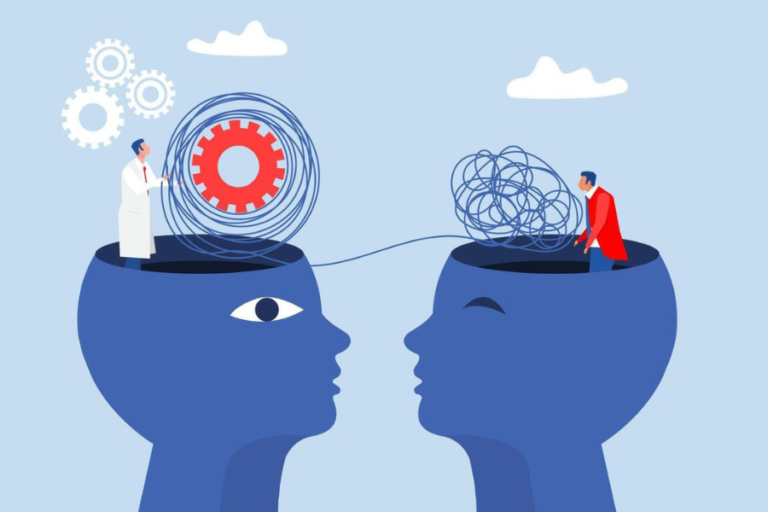
If you have ever asked yourself, “how does stress affect sleep?” you are not alone. Stress and sleep are tightly linked, and they tend to feed off each other. When you are stressed, you may find it harder to fall asleep, stay asleep, or wake up feeling refreshed. In turn, poor sleep can make everyday stress feel much heavier.
Researchers describe this as a two-way relationship. Stress can trigger insomnia and fragmented sleep, and lack of sleep can heighten anxiety and emotional tension, which then makes sleep even more difficult (Sleep Foundation).
Understanding what is happening inside your body when you are stressed can help you recognize patterns, reduce worry, and choose habits that support better rest.
What stress does in your body
When you feel stressed, your body shifts into a state of heightened alert. This is often called the “fight or flight” response.
The role of the HPA axis
Stress activates a system in your body called the hypothalamic pituitary adrenal (HPA) axis. Once it switches on, your brain and adrenal glands release hormones like cortisol and adrenaline. These hormones are helpful when you truly need to react quickly, but they also:
- Increase heart rate
- Speed up breathing
- Boost alertness and mental activity
If stress continues, this system can stay partly activated instead of winding down. People with insomnia often show signs of this 24 hour “hyperarousal,” such as higher heart rate, body temperature, and stress hormone levels both day and night compared to good sleepers (PMC – NCBI).
Cortisol, melatonin, and your sleep clock
In a typical day, cortisol and melatonin work together to guide your sleep wake cycle:
- Cortisol rises in the morning to help you feel awake
- As day turns to evening, cortisol drops and melatonin rises, signaling that it is time to sleep (Sleep Center of Middle Tennessee)
When you are under stress, cortisol can stay elevated later into the day and evening. Elevated cortisol can:
- Suppress melatonin production
- Disrupt your natural sleep pattern
- Make it harder to fall asleep or stay asleep (Sleep Center of Middle Tennessee)
Over time, this hormonal tug-of-war can create a vicious cycle of stress, hormone imbalance, and poor sleep quality (Sleep Center of Middle Tennessee).
Types of stress related sleep problems
Stress does not affect everyone’s sleep in the same way. Your symptoms can be brief and situational, or they can become more persistent.
Short term insomnia from acute stress
Acute stress is stress that arises suddenly, often from a specific event such as:
- A looming work deadline
- An upcoming exam
- A major argument
- A sudden life change
During these times, you may notice:
- Trouble falling asleep
- Waking up more often at night
- Waking earlier than usual and not being able to go back to sleep
Acute stress often triggers short term insomnia, also called adjustment insomnia. The Sleep Foundation notes that when the stressor passes, these symptoms may fade, especially if you already had a solid sleep pattern beforehand (Sleep Foundation).
Chronic stress and long term insomnia
If high stress continues or you face ongoing pressures, sleep problems can shift into a more long lasting pattern. Chronic insomnia is usually defined as:
- Difficulty falling or staying asleep
- Occurring at least three times per week
- Lasting for three months or more
- Happening despite having time and opportunity to sleep (Sleep Foundation)
Persistent stress and anxiety can lock you into a cycle where:
- Stress makes it hard to sleep
- Poor sleep raises anxiety and emotional sensitivity
- Increased anxiety makes you worry more about sleep
- Worry about sleep makes it even harder to rest (Sleep Foundation)
Personality traits like high anxiety, rumination, and difficulty coping with stress can make you more vulnerable to developing chronic insomnia in response to life events (PMC – NCBI).
How stress changes your sleep quality
You might think of sleep as a single block of rest, but it has different stages that cycle through the night. Stress interferes with these stages and changes the structure of your sleep, often without you realizing it.
Less deep sleep and more awakenings
Deep slow wave sleep (SWS) is the stage that leaves you feeling restored. Experimental studies show that stress can:
- Decrease time spent in slow wave sleep
- Reduce rapid eye movement (REM) sleep
- Lower overall sleep efficiency
- Increase the number of awakenings (National Library of Medicine)
Even mild stressors, such as adapting to a sleep lab or dealing with a minor medical procedure, consistently lead to more awakenings and less deep sleep in controlled experiments (National Library of Medicine).
In day to day life, emotional stress from worry or burnout is linked to similar patterns: less slow wave sleep and more arousals during the night (National Library of Medicine).
Changes in REM sleep
Major stressful life events, such as bereavement or divorce, can also change REM sleep. Studies show that after such events, people may have:
- Shorter time before REM sleep starts
- A higher percentage of sleep spent in REM
- Less deep slow wave sleep overall (National Library of Medicine)
These changes resemble what is often seen in depression, which helps explain why long periods of stress and poor sleep can affect mood so strongly.
Hyperarousal around the clock
Insomnia is not just “not sleeping enough.” Research suggests it behaves more like a 24 hour state of hyperarousal. Compared with good sleepers, people with insomnia often show:
- Higher heart rate
- Higher body temperature
- More high frequency brain activity, even during sleep
- Elevated cortisol and ACTH levels, especially in the evening and first half of the night (PMC – NCBI)
Interestingly, many insomniacs report daytime fatigue but do not appear unusually sleepy on objective tests. Instead, they often look more alert than average during the day, which again supports the idea of a constantly revved up system rather than simple sleep loss (PMC – NCBI).
Stress, sleep, and your hormones
Stress and disturbed sleep influence far more than how rested you feel. They affect key hormones that regulate appetite, metabolism, and growth.
Metabolism and blood sugar
Sleep restriction and fragmentation, even in healthy young adults, can disrupt metabolic hormones. Research shows that limited sleep can:
- Lower glucose tolerance
- Reduce thyrotropin levels
- Increase evening cortisol
- Increase sympathetic nervous system activity (International Journal of Endocrinology)
Suppressing slow wave sleep for several nights can also reduce insulin sensitivity without an adequate insulin response. This can impair glucose tolerance and may raise diabetes risk over time (International Journal of Endocrinology).
Circadian misalignment and ongoing sleep deprivation, such as in shift work, are associated with:
- Reversed melatonin and cortisol rhythms
- Lower leptin (a hormone that helps signal fullness)
- Higher glucose and insulin levels
- Reduced sleep efficiency
Together, these changes increase the risk for metabolic syndrome, obesity, and diabetes (International Journal of Endocrinology).
Appetite and weight regulation
Sleep loss can also shift the hormones that control appetite:
- Leptin (which suppresses appetite) tends to decrease
- Ghrelin (which stimulates appetite) tends to increase
In one study, acute sleep restriction led to an 18% drop in leptin and a 24% rise in ghrelin. Participants ate more calories, especially from carbohydrate rich foods (International Journal of Endocrinology).
This helps explain why stressful periods with short or broken sleep can make you crave snacks and feel hungrier than usual.
Growth hormone and repair
Growth hormone peaks shortly after sleep onset, particularly during slow wave sleep. It plays a major role in tissue repair, muscle maintenance, and overall recovery (International Journal of Endocrinology).
People with frequently disturbed sleep, such as those with posttraumatic stress disorder, often show lower nighttime growth hormone levels. This suggests that stress related sleep disruption can interfere with your body’s normal nighttime repair processes (International Journal of Endocrinology).
Why some people’s sleep is more “sensitive”
You might notice that someone close to you sleeps soundly no matter what is happening, while your own sleep falls apart after a single stressful day. Research describes this difference as “sleep reactivity.”
What is sleep reactivity?
Sleep reactivity is your tendency to experience sleep disturbance when you are under stress. People with high sleep reactivity are more likely to:
- Have trouble falling asleep when life gets stressful
- Wake more often during the night
- Develop ongoing insomnia after stressful events (PMC)
A self report questionnaire called the Ford Insomnia Response to Stress Test (FIRST) measures this trait. Scores on this test line up with objective measures of sleep disturbance in stressful situations, such as lower sleep efficiency and longer time to fall asleep in lab studies (PMC).
How sleep reactivity affects your risk
High sleep reactivity is a strong predictor of future insomnia. In a large two year study of good sleepers, people with high sleep reactivity were:
- Nearly 60% more likely to develop insomnia symptoms
- About twice as likely to develop chronic insomnia
These risks held even after accounting for previous sleep problems, depressive symptoms, and stress exposure (PMC).
Sleep reactivity also seems tied to certain insomnia patterns. Those with high reactivity are two to three times more likely to develop sleep onset insomnia, where falling asleep is the main struggle. Short sleep insomnia types, with especially limited total sleep time, appear to show even higher sleep reactivity, suggesting a particularly fragile sleep system (PMC).
If this sounds like you, it does not mean you are stuck with poor sleep. It does mean you may benefit from being proactive about stress management and sleep habits, especially during challenging periods.
Everyday signs your sleep is affected by stress
Stress affects sleep in both obvious and subtle ways. You might notice some of the following:
- Taking a long time to fall asleep
- Waking up frequently at night
- Waking up too early and feeling unable to return to sleep
- Feeling mentally drained but physically “wired”
- Racing thoughts when you lie down
- Thinking about work, school, or finances in bed (Baylor College of Medicine)
Dr. Annise Wilson from Baylor College of Medicine notes that excessive thinking about responsibilities, especially in teens and young adults focused on exams or assignments, often leads to disrupted sleep and difficulty drifting off (Baylor College of Medicine).
Over time, chronic sleep deprivation from stress related insomnia can affect:
- Learning and memory
- Metabolism
- Endocrine function
- Overall health and daytime performance (Baylor College of Medicine)
How to ease stress before bed
You cannot eliminate stress from life, but you can create routines that help your body and mind shift out of high alert before bedtime. These strategies are backed by research and can be adapted to suit your preferences.
Practice calming techniques
-
Mindfulness meditation
Mindfulness involves noticing your thoughts and feelings without judgment and gently bringing your attention back to the present. Regular mindfulness practice has been shown to reduce sleep disturbances in adults by helping them relax before bed (Sleep Foundation). -
Meditative movement
Activities such as yoga, tai chi, and qigong combine gentle movement with breath and focused attention. These practices can improve stress management and emotional well being, and yoga in particular has been shown to help manage sleep problems (Sleep Foundation). -
Deep breathing exercises
Simple deep breathing can be used anytime you feel keyed up. Techniques like slow, even breaths or patterns such as the 4 7 8 method help activate your body’s relaxation response and reduce stress that interferes with falling asleep (Sleep Foundation).
Build supportive daytime habits
What you do during the day shapes how easily you fall asleep at night.
- Move your body regularly: Consistent physical activity supports better sleep quality and helps regulate stress.
- Stick to steady wake times: Waking up around the same time every day helps keep your internal clock stable, which in turn steadies your sleep pattern. This is especially helpful if you live with generalized anxiety (Sleep Foundation).
- Watch your caffeine timing: Caffeine in the late afternoon or evening can amplify stress related wakefulness.
Set up an evening wind down routine
About an hour before bed, it can help to gradually send your body the signal that the day is wrapping up:
- Dim lights and lower noise where you can
- Avoid stimulating tasks like intense work or emotional conversations
- Limit screens, especially blue light from phones and laptops, since this can disrupt melatonin production and keep cortisol elevated (Baylor College of Medicine)
- Choose calming activities such as reading, stretching, or a warm shower
If racing thoughts are an issue, writing them down before bed can help get them out of your head and onto paper, which reduces the urge to keep thinking about them in the dark (Baylor College of Medicine).
Try behavioral sleep strategies
Clinicians often recommend specific behavioral tools when stress and insomnia are tangled together:
- Stimulus control therapy: Use the bed only for sleep and intimacy. If you cannot fall asleep after about 20 minutes, get up, do something quiet in low light, then return to bed when you feel sleepier. This helps retrain your brain to associate bed with sleep instead of stress.
- Sleep hygiene: Keep your bedroom cool, dark, and quiet. Avoid heavy meals right before bed, and keep daytime naps brief if you take them.
- Consistent schedule: Go to bed and wake up at similar times every day, even on weekends, to steady your circadian rhythm (Baylor College of Medicine).
When to seek extra support
If stress and poor sleep are starting to affect your mood, relationships, or daily functioning, or if you have been struggling to sleep well at least three nights a week for several months, it may be time to talk with a healthcare professional.
Consider reaching out if you:
- Feel constantly exhausted or “wired and tired”
- Notice significant changes in weight, appetite, or energy
- Snore loudly, gasp in your sleep, or wake up choking, which can suggest sleep disordered breathing or sleep apnea linked with hormonal and stress system changes (Sleep Center of Middle Tennessee)
- Have ongoing symptoms of anxiety or depression
A clinician can help you explore options such as cognitive behavioral therapy for insomnia (CBT I), stress management strategies, or further testing to rule out medical causes of sleep disruption.
Bringing it all together
Stress affects sleep at every level, from racing thoughts to hormone shifts and changes in sleep stages. Elevated cortisol, persistent hyperarousal, and individual sensitivity to stress all shape how well you sleep and how rested you feel the next day.
You cannot control every stressor in life. You can, however, support your sleep by:
- Understanding how stress and sleep interact in your body
- Practicing calming techniques like mindfulness, gentle movement, and breathing
- Keeping steady daytime routines and regular wake times
- Creating an evening wind down that helps your nervous system shift out of high alert
Even a small change, such as adding five minutes of deep breathing before bed or writing down tomorrow’s to do list, can make it a little easier for your body to relax into sleep. Over time, these steady, low effort habits can help loosen the grip that stress has on your nights.
About the Author