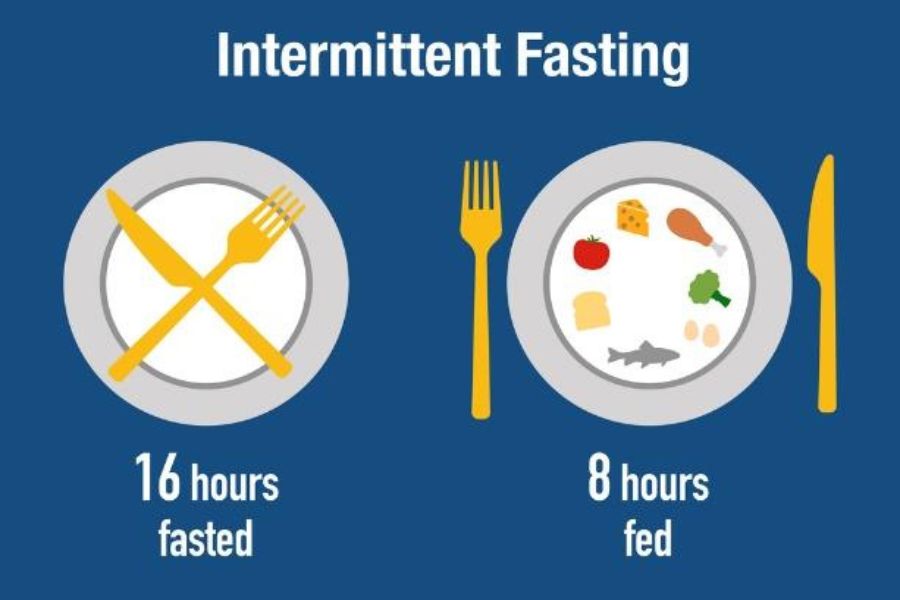
Understand what intermittent fasting really is
Intermittent fasting is not a specific diet. It is an eating pattern that focuses on when you eat instead of exactly what you eat. You rotate between periods of eating and periods of eating very few or no calories.
In most intermittent fasting schedules, you:
- Eat during a set window of hours
- Fast for the remaining hours, usually with only calorie free drinks like water, black coffee, or plain tea allowed (Healthline)
According to Johns Hopkins Medicine, intermittent fasting alternates regular eating and fasting on a schedule and may help you manage weight and even prevent or reverse some diseases (Johns Hopkins Medicine).
You will see different names for similar approaches, such as:
- Intermittent fasting
- Time restricted eating
- Alternate day fasting
They all share the same basic idea. You create regular windows when your body is not getting energy from food so it has to use stored fuel instead.
Learn how intermittent fasting affects your body
To understand if intermittent fasting can help you lose weight and keep it off, it helps to know what is happening inside your body.
Metabolic switching
After several hours without food, your body uses up the sugar stored in your liver and muscles. Then it needs another energy source. At this point it begins to burn fat, a process sometimes called metabolic switching.
Neuroscientist Mark Mattson from Johns Hopkins explains that most people eat frequently enough that they rarely reach this switch. With intermittent fasting, you give your body time to move from using sugar to burning fat for fuel (Johns Hopkins Medicine).
Cellular repair and health markers
According to the Mayo Clinic, fasting periods can trigger cellular changes that focus on repair and more efficient energy use. In the short term, this may improve some health markers, although long term effects are still not fully clear as of 2024 (Mayo Clinic).
Potential health benefits
Research summarized by Johns Hopkins Medicine and the University of Michigan School of Public Health suggests intermittent fasting may be associated with:
- Weight loss and a leaner body
- Improved metabolic health and insulin sensitivity
- Possible protection against type 2 diabetes and heart disease
- Potential benefits for brain health and longevity (Johns Hopkins Medicine, University of Michigan)
At the same time, the Mayo Clinic notes that long term safety and effectiveness are still being studied (Mayo Clinic).
Compare popular intermittent fasting schedules
Intermittent fasting is not one single plan. Several formats exist, and you can choose one that fits your lifestyle and health needs.
Time restricted eating plans
Time restricted eating limits your daily eating to a shorter window of hours. You fast for the remaining hours, often overnight.
Common approaches include:
- 12:12 schedule
- Fast for 12 hours, eat during a 12 hour window
- Often suggested as a gentle starting point for beginners (University of Michigan)
- 16:8 method
- Fast for 16 hours, eat during an 8 hour window, such as 12 p.m. to 8 p.m.
- One of the most popular and beginner friendly methods
- Much of the fasting period can happen while you sleep (Johns Hopkins Medicine, MDVIP)
Whole day or alternating day plans
Other methods focus on full days with very low or no calories.
- 5:2 approach
- Eat normally 5 days a week
- On 2 nonconsecutive days, limit intake to about 500 to 600 calories in a single meal (Johns Hopkins Medicine)
- Alternate day fasting (ADF)
- Eat your full recommended calories one day
- Eat only about 30 percent of your usual intake or very few calories the next day (MDVIP)
- One Meal A Day (OMAD)
- Eat one large, nutrient dense meal within about one hour
- Fast for the remaining 23 hours with only calorie free drinks (MDVIP)
Quick comparison table
| Method | Fasting period | Eating period | Typical difficulty* |
|---|---|---|---|
| 12:12 | 12 hours | 12 hours | Low |
| 16:8 | 16 hours | 8 hours | Low to moderate |
| 5:2 | 2 days very low intake | 5 days normal eating | Moderate |
| Alternate day | Every other day low intake | Normal eating on off days | Moderate to high |
| OMAD | 23 hours | 1 hour | High |
*Difficulty can vary based on your habits, health, and lifestyle.
If your main goal is lasting weight loss, starting with a mild schedule like 12:12 or 16:8 is often easier to maintain than more extreme options.
See how intermittent fasting supports weight loss
Intermittent fasting can support weight loss in several ways, but it is not magic. It works through some basic principles.
Natural calorie reduction
By shortening your eating window or limiting calories on certain days, you often eat fewer total calories without strict counting. Healthline notes that many fasting methods can help create a calorie deficit, which supports weight loss (Healthline).
Appetite and hormone changes
Fasting periods may help regulate hunger hormones, which can change your appetite and how quickly you feel full. Research suggests this can support better appetite control over time (Healthline).
However, Harvard Health points out a strong biological tendency to overeat after fasting. Your appetite hormones and brain signals can push you to eat more, which can cancel out your calorie deficit if you are not careful (Harvard Health).
Metabolic health and fat burning
Intermittent fasting appears to:
- Improve insulin sensitivity in some people
- Encourage your body to use more stored fat for energy
- Possibly lower blood pressure and some heart risk factors (Healthline)
All of these can support weight management, but they work best when you pair fasting with overall healthy eating.
Focus on lasting, not just quick, weight loss
You can lose weight with many different plans, at least for a while. The real test is whether you can keep the weight off.
Why consistency matters more than the specific method
The Mayo Clinic notes that simple calorie restriction may offer similar benefits to intermittent fasting in some studies (Mayo Clinic). This suggests that what really matters is:
- Consistently eating fewer calories than you burn
- Choosing a pattern you can live with long term
If intermittent fasting helps you do both without feeling miserable, it can be a helpful tool. If it makes you obsess over food or binge during eating windows, it may not support lasting results.
The role of what you eat
Several sources, including Healthline and the University of Michigan, stress that food quality matters just as much as your fasting schedule (Healthline, University of Michigan).
During your eating windows, aim for:
- Plenty of vegetables and fruits
- Whole grains like oats, brown rice, and whole wheat
- Lean proteins such as fish, poultry, beans, and lentils
- Healthy fats from nuts, seeds, avocados, and olive oil
- Limited ultra processed foods and sugary drinks
This approach is more likely to support energy, mood, and long term health compared to using your eating window for heavy, low nutrient foods.
Know the risks and side effects
Intermittent fasting is not automatically safe or appropriate for everyone, even if it is popular.
Common short term side effects
During the first days or weeks, you might notice:
- Hunger and food cravings
- Headaches, often mild to moderate
- Fatigue or low energy
- Irritability or mood swings
- Trouble concentrating
These effects are described by Healthline, Harvard Health, and the Mayo Clinic. Many people find that symptoms lessen as their body adapts, but not always (Healthline, Healthline, Harvard Health, Mayo Clinic).
Digestive changes can also show up, including:
- Indigestion or acid discomfort
- Diarrhea or loose stools
- Constipation
- Bloating or nausea (Healthline)
Dehydration and electrolyte issues
Fasting can increase how much water and salt you lose through urine, especially at first. If you do not replace fluids and electrolytes, you may feel:
- Dizziness
- Weakness
- Headaches
Staying well hydrated is important. This is highlighted in fasting guidance from Healthline and MDVIP (Healthline, MDVIP).
Possible longer term concerns
The Mayo Clinic and Harvard Health mention that:
- Long term effects of intermittent fasting are still uncertain
- Certain fasting cycles like strict 16:8 in some studies may increase heart disease risk compared with other patterns
- Older adults who are already at low body weight may lose too much additional weight, which can harm bones, immunity, and energy levels (Mayo Clinic, Harvard Health)
Who should avoid intermittent fasting
Multiple sources advise caution or avoidance if you:
- Are pregnant or breastfeeding
- Have a history of eating disorders
- Have advanced diabetes, or take insulin or medications that affect blood sugar
- Take medications that require food to prevent stomach irritation
- Have certain heart, blood pressure, or other chronic conditions
- Have social or work patterns that make strict fasting difficult or stressful (Johns Hopkins Medicine, University of Michigan, Harvard Health, Mayo Clinic)
In these cases, it is especially important that you talk with your doctor before you try intermittent fasting, if you try it at all.
Decide if intermittent fasting fits your life
Intermittent fasting is one option, not the only path to better health or weight loss. Ask yourself a few questions before you commit.
Questions to consider
-
Do you tend to skip breakfast or late night snacks already?
-
If yes, a time restricted plan like 12:12 or 16:8 may feel natural.
-
Do you have a history of yo yo dieting or binge eating?
-
If yes, long fasts may trigger those patterns. You may be better served by a more flexible approach.
-
Do your medications or medical conditions require regular meals?
-
If yes, do not start fasting without your doctor’s direct guidance.
-
Do you have a demanding physical job or schedule?
-
On heavy activity days, very low calorie or full day fasts may not be safe or practical.
Signs intermittent fasting might be a good fit
Intermittent fasting may suit you if you:
- Prefer structure, but do not like tracking every calorie
- Want fewer, larger meals instead of constant snacking
- Can maintain a balanced diet during eating windows
- Are able to adjust your social and work schedule so fasting does not cause constant stress
If you feel constantly preoccupied with food, exhausted, or overly restricted, that is feedback from your body that this method may not be right for you.
Start intermittent fasting safely and gently
If you decide to try intermittent fasting for weight loss, a slow, careful start will make it more sustainable.
Step 1: Talk with your healthcare provider
Because fasting can affect blood sugar, blood pressure, medication timing, and hormones, Johns Hopkins, the University of Michigan, the Mayo Clinic, and MDVIP all recommend talking with your doctor before you begin, especially if you have any medical conditions (Johns Hopkins Medicine, University of Michigan, Mayo Clinic, MDVIP).
Share:
- Your typical eating pattern
- Any current medications or supplements
- Your weight loss and health goals
Ask what type of schedule, if any, is safe for you.
Step 2: Begin with a modest fasting window
Instead of jumping straight into a strict 16:8 or OMAD plan, you can:
- Choose a 12 hour overnight fast, such as 7 p.m. to 7 a.m.
- Hold this schedule for at least one to two weeks
- If you feel well, gradually extend the fasting window by 1 to 2 hours at a time until you reach a pattern that suits you, such as 14:10 or 16:8 (University of Michigan)
This slow increase gives your body time to adapt and helps you notice side effects early.
Step 3: Prioritize nutrient dense meals
During your eating period, focus on:
- Protein at each meal or snack, such as eggs, beans, yogurt, poultry, or fish
- High fiber carbohydrates like vegetables, fruits, whole grains, and legumes
- Healthy fats from nuts, seeds, and olive oil
This combination supports steady energy and can make fasting periods more comfortable. Healthline notes that intermittent fasting works best alongside a whole foods diet and does not require special products (Healthline).
Step 4: Hydrate throughout the day
To lower the risk of dehydration and headaches:
- Drink water regularly, not just when you feel thirsty
- Include calorie free drinks like herbal tea or black coffee if your body tolerates caffeine
- Pay attention to urine color and aim for pale yellow
Hydration is particularly important on hot days, during exercise, or if you notice dizziness or fatigue (Healthline).
Step 5: Watch how your body responds
Keep track of:
- Your mood and energy
- Sleep quality
- Digestive changes
- Cravings and hunger patterns
If you consistently feel unwell or you find yourself overeating during your eating windows, it may be time to adjust your schedule or reconsider intermittent fasting.
Use intermittent fasting as one tool, not the whole plan
Intermittent fasting can support weight loss and better health for some people, but it is not a cure all and it is not the right choice for everyone.
What matters most for lasting weight loss is:
- A pattern of eating you can stick with, whether it includes fasting or not
- Balanced, satisfying meals that nourish your body
- Reasonable activity that fits where you are right now
- Enough sleep and stress management
If you choose to try intermittent fasting, treat it as one tool in a larger, long term approach. Start gently, stay curious about how your body feels, and work closely with your healthcare provider so that any changes you make support both your weight and your overall health.
About the Author