Understand intermittent fasting for women
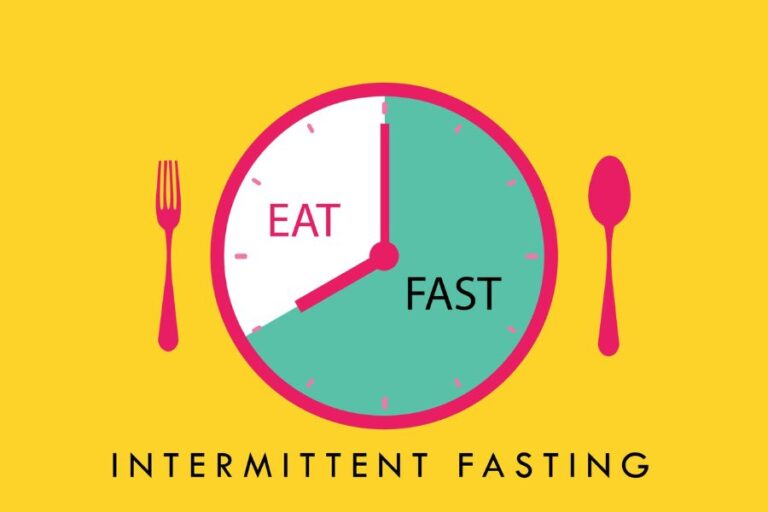
Intermittent fasting for women is not just about when you eat. It also affects your hormones, energy, and long-term health. You alternate between eating windows and fasting windows, usually each day or a few days a week.
Popular approaches include:
- 16/8: fast for 16 hours, eat within 8 hours
- 14/10: fast for 14 hours, eat within 10 hours
- Time-restricted eating like 8 a.m. to 4 p.m.
- 5:2: eat normally 5 days a week, eat very few calories 2 days a week
Research suggests intermittent fasting can support weight loss, improve insulin sensitivity, and may lower risks for conditions like type 2 diabetes and heart disease (Johns Hopkins Medicine, Harvard Chan School, ZOE).
At the same time, your body responds differently than a man’s. Hormones that control your menstrual cycle, fertility, stress response, and appetite can all shift with fasting. That is why avoiding a few common mistakes helps you get benefits without feeling awful.
Below, you will find the missteps many women make, why they backfire, and what to do instead.
Mistake 1: Ignoring your unique hormone needs
Your sex hormones are more sensitive to energy intake and stress than you might realize. For women of childbearing age, intermittent fasting can influence hormones like estrogen and progesterone.
How fasting can affect your cycle
In premenopausal women, fasting can affect gonadotropin-releasing hormone (GnRH). This hormone helps regulate estrogen and progesterone, and it responds to cues like food scarcity. If your body senses a shortage, it may dial back ovulation to protect you from getting pregnant during a perceived famine (Cleveland Clinic).
Possible results include:
- Longer or shorter cycles
- Missed periods
- Changes in PMS symptoms
- Fertility challenges in some women
For women in perimenopause, hormone levels are already fluctuating. Fasting can sometimes tip you into symptoms like worsened mood, fatigue, or sleep disruption (Cleveland Clinic).
Postmenopausal women may tolerate intermittent fasting better, since estrogen and progesterone are already low and more stable. Some research suggests they may see weight and metabolic benefits with fewer reproductive side effects (Cleveland Clinic, UIC Today).
What to do instead
- Pay attention to your cycle. Track changes in length, symptoms, and flow.
- Be especially cautious if you are trying to conceive or have a history of cycle irregularities.
- If you notice missed periods or big shifts in symptoms, speak with your healthcare provider and consider easing back your fasting routine.
Mistake 2: Jumping into extreme fasting windows
It is tempting to go straight into a 20-hour fast or a very strict regimen because it feels like you will see faster results. For many women, that backfires.
Starting with long fasting windows can:
- Spike your hunger and cravings
- Lead to headaches, fatigue, and irritability
- Make you more likely to binge when your eating window opens
- Increase stress on your body, which can then affect hormones
Experts recommend a gradual approach. Cleveland Clinic dietitian Julia Zumpano suggests women begin with a 12-hour fast, like 8 p.m. to 8 a.m., and slowly work up to longer windows if they feel well (Cleveland Clinic).
A gentler on-ramp
Try this progression if you are new to intermittent fasting:
- Week 1–2: 12/12
- Example: Stop eating at 8 p.m., start again at 8 a.m.
- Week 3–4: 14/10
- Example: Eat between 8 a.m. and 6 p.m.
- Week 5 and beyond: 16/8 if tolerated
- Example: Eat between 9 a.m. and 5 p.m.
You can stay at any step that feels sustainable. The best plan is the one you can live with long term.
Mistake 3: Fasting at the wrong time of day
When you eat matters almost as much as how long you fast. Your body’s internal clock is tuned to food earlier in the day.
Research suggests that eating earlier supports:
- Better blood sugar control
- Improved blood pressure
- Easier weight loss
- Potential benefits for fertility and hormone balance (Harvard Chan School, Nutrients via PMC)
In women with PCOS, eating more calories at breakfast instead of dinner lowered androgen levels like testosterone and DHEA-S, and improved sex hormone binding globulin, even without weight loss (Nutrients via PMC).
Late-night eating pitfalls
If your eating window is very late, like noon to 8 p.m. or 2 p.m. to 10 p.m., you may:
- Sleep worse after big evening meals
- Experience more blood sugar swings
- Struggle more with cravings
- See fewer metabolic improvements
What to do instead
If your lifestyle allows it, aim to:
- Start eating earlier in the day, for example 8 a.m. or 9 a.m.
- Finish your last meal by 6 p.m. or 7 p.m.
- Keep dinner lighter than breakfast and lunch when possible
Even a simple shift like moving your last meal from 9 p.m. to 7 p.m. can make a difference.
Mistake 4: Skipping nutrition during eating windows
Intermittent fasting for women is not a free pass to eat whatever you want in your eating window. What you eat still plays a big role in weight, energy, and hormone health.
If your meals are low in protein, fiber, or micronutrients, you might notice:
- Intense hunger between meals
- Blood sugar crashes and energy dips
- Constipation
- Slower progress toward your goals
Cleveland Clinic experts recommend focusing on lean proteins, fruits, vegetables, and whole grains. When you break your fast, aim for a meal that is high in protein and fiber, and includes healthy fats. This helps you avoid big blood sugar spikes and crashes (Cleveland Clinic).
Build a balanced plate
When you open your eating window, try to include:
- Protein
- Examples: eggs, plain Greek yogurt, tofu, beans, fish, chicken
- Fiber-rich carbs
- Examples: oats, quinoa, beans, lentils, berries, apples, sweet potatoes
- Healthy fats
- Examples: avocado, olive oil, nuts, seeds
- Colorful vegetables
- Examples: leafy greens, peppers, carrots, broccoli
For a simple fast-breaking meal, you might choose:
- A veggie omelet with avocado and a side of berries, or
- A bowl of lentil soup with whole grain bread and a big salad
Mistake 5: Ignoring warning signs and side effects
Some discomfort is normal when you first adjust to intermittent fasting. But if you constantly feel unwell, your plan is probably not right for you.
Common side effects include:
- Headaches
- Tiredness and low energy
- Constipation
- Trouble concentrating
- Overeating or bingeing when the fast ends (ZOE)
If you push through these for weeks or months without adjusting, you may be putting unnecessary stress on your body.
When to adjust your approach
Consider shortening your fasting window or pausing intermittent fasting if you notice:
- Persistent dizziness or faintness
- Mood changes that affect your daily life
- Ongoing digestive issues
- Worsening sleep
- More frequent illness or feeling run down
A gradual approach can help. ZOE’s guidance suggests making small changes over several months instead of jumping into extreme schedules right away (ZOE).
Mistake 6: Overlooking special health conditions
Intermittent fasting for women is not safe or appropriate in every situation. Certain health conditions and life stages need extra care.
When fasting can be risky
You should talk with your doctor and may need to avoid or modify fasting if you:
- Are pregnant or trying to conceive
- Are breastfeeding
- Have diabetes, especially if you take blood sugar–lowering medications
- Take medications that must be taken with food at specific times
- Have a history of eating disorders such as anorexia, bulimia, or binge eating
- Are underweight or struggling to maintain your weight
Multiple expert sources advise against intermittent fasting during pregnancy and breastfeeding and urge caution for people with diabetes or a history of disordered eating (ZOE, Harvard Chan School, Cleveland Clinic, Johns Hopkins Medicine).
For anyone with past or current eating disorders, fasting can increase the risk of binge eating or orthorexia. If this applies to you, do not start intermittent fasting without medical and mental health support (Cleveland Clinic).
A safer path
If you fall into any of these groups, your healthcare provider can help you:
- Decide if intermittent fasting is appropriate at all
- Choose milder changes, such as regular meal timing or gentle calorie adjustments
- Monitor blood work, cycle changes, and overall health over time
Mistake 7: Assuming research is clear and complete
You might see bold claims about intermittent fasting for women, both positive and negative. The reality is more nuanced.
Some human studies show:
- Weight loss and improved insulin resistance with time-restricted eating
- Decreases in certain androgens, like testosterone and free androgen index, in premenopausal women with obesity or PCOS, especially when eating earlier in the day (Nutrients via PMC)
- No major changes in some reproductive hormones like estradiol, estrone, and progesterone in certain groups of women over short-term fasting trials (UIC Today)
At the same time, there are important limits:
- Many studies are small and short, often only a few weeks
- Most focus on premenopausal women with obesity, not all women (Nutrients via PMC)
- Animal research suggests possible risks to bone health, menstrual regularity, fertility, pregnancy, and lactation, but it is not yet clear how much this applies to humans (ZOE)
How to use the science wisely
Instead of assuming intermittent fasting is a miracle cure or a complete danger, treat it as one tool. Pay close attention to:
- How you feel day to day
- Objective markers like weight, waist size, blood pressure, or lab results when available
- Changes in your menstrual cycle, skin, mood, and sleep
If something feels off, that is important data, even if a study suggests everything should be fine.
Mistake 8: Expecting fasting to fix everything
Intermittent fasting can support weight loss and metabolic health. Some women over 60, for example, have lost a few kilograms of body fat on a 16/8 plan over several weeks (ZOE). It can also reduce insulin levels and help stabilize hunger by lowering the hormone ghrelin (Harvard Chan School).
But if the rest of your habits are working against you, fasting alone will not undo everything. You may struggle to see progress if you:
- Sleep poorly most nights
- Sit for long stretches without movement
- Use food to cope with stress without other tools
- Drink heavily or smoke
Support fasting with simple habits
You do not need a total life overhaul. Focus on a few basics that complement your fasting plan:
- Aim for a regular sleep schedule most nights
- Add short walks or light movement into your day
- Keep water nearby and sip throughout your fasting window
- Build 1 or 2 nonfood stress relievers, like stretching, journaling, or brief breathing exercises
These gentle changes make it easier to keep your fasting routine and feel steady throughout the day.
Mistake 9: Forgetting to adjust over your life stages
Your body at 25 is not your body at 45 or 65. The way you approach intermittent fasting for women should shift as your hormones and health needs change.
In your reproductive years
You may need to:
- Be cautious with very long fasts
- Align stricter fasting, if you use it, with the first half of your cycle
- Ease up during the week before your period, when fasting often feels harder (Cleveland Clinic)
During perimenopause
Since hormones are fluctuating, you may find:
- Moderate fasting windows feel better than very strict ones
- Earlier eating times help with sleep and energy
- You need more attention to protein and resistance exercise to support muscle and bone health
After menopause
Intermittent fasting may be more comfortable and effective. Some studies show weight loss, lower insulin resistance, and decreased oxidative stress markers in postmenopausal women using time-restricted eating (UIC Today).
Still, it is important to:
- Monitor for signs of low energy or mood changes
- Check in with your provider about bone health, heart health, and medications
- Adjust fasting windows around your social life and overall quality of life
Putting it all together
To use intermittent fasting for women in a way that supports your health, focus on avoiding the most common mistakes:
- Ignoring your hormone needs and menstrual cycle signals
- Jumping into extreme fasting windows instead of easing in
- Choosing very late eating windows that fight your body’s natural rhythm
- Treating your eating window like a free-for-all instead of focusing on protein, fiber, and healthy fats
- Pushing through constant side effects without adjustment
- Overlooking health conditions or life stages that make fasting risky
- Taking bold claims at face value without looking at how you personally feel
- Expecting fasting alone to fix sleep, stress, or low energy
- Using the same fasting plan at every age and stage
Start with a simple, sustainable schedule, such as a 12- or 14-hour overnight fast, prioritize nourishing food, and listen closely to your body. Then, with your healthcare provider’s guidance, adjust as needed until your plan supports both your goals and your day-to-day life.
About the Author