Understand the link between keto diet and inflammation
If you live with daily aches, fatigue, or chronic conditions, you might wonder whether a ketogenic diet could help calm inflammation. The connection between the keto diet and inflammation is more than a trend. There is growing research that explores how a very low carb, high fat way of eating can influence inflammatory markers in your body.
In simple terms, a standard keto diet restricts carbohydrates to roughly 5–10% of your daily calories. This pushes your body into ketosis, a metabolic state where you burn fat for fuel instead of glucose. In ketosis you produce ketone bodies like beta hydroxybutyrate (BHB), which appear to have direct anti inflammatory effects in several parts of the body, including the brain and joints (Frontiers in Medicine).
Learn how keto may reduce inflammation
You do not have to become a biochemist to benefit from keto, but understanding the basics can help you make informed choices.
Key anti inflammatory effects of keto
Research points to a few major ways the ketogenic diet may reduce inflammation:
-
Lower insulin and blood sugar swings
By slashing carbs, you reduce insulin spikes and overall glucose levels. This shift may help calm chronic low grade inflammation linked to high blood sugar and metabolic issues (Frontiers in Medicine). -
More ketones, fewer inflammatory signals
When you are in ketosis, your liver produces BHB. This ketone body can: -
Inhibit the NLRP3 inflammasome, a protein complex that drives production of inflammatory cytokines like IL 1β
-
Suppress Toll like receptor 4 signaling, which also feeds inflammation
Together, these effects appear to lower pro inflammatory cytokines such as TNF α and IL 6 (Frontiers in Medicine). -
Changes in inflammatory markers in studies
A 2023 meta analysis of 44 randomized controlled trials found that, compared with control diets, ketogenic diets: -
Significantly lowered tumor necrosis factor alpha (TNF α) levels
-
Reduced interleukin 6 (IL 6) levels
Both are key inflammatory markers tied to many chronic conditions (PubMed).The effect was more pronounced in:
-
People younger than 50
-
Interventions lasting 8 weeks or less
-
Participants with a body mass index (BMI) over 30 kg/m²
At the same time, the ketogenic diet did not significantly change other markers such as C reactive protein (CRP), IL 8, or IL 10 in that analysis (PubMed).
Brain inflammation and keto
If you deal with brain fog, migraines, or neurological conditions, you might be especially interested in how keto affects the brain.
Scientists at the University of California, San Francisco found that ketogenic diets reduce brain inflammation by altering how your brain uses energy (UCSF News). They identified a protein called CtBP that links metabolism to inflammatory gene activity. When glucose metabolism is blocked and ketones rise, CtBP helps switch off certain inflammatory genes. In rat studies, blocking glucose metabolism with a compound called 2 deoxyglucose reduced brain inflammation nearly back to control levels (UCSF News).
These findings do not mean keto is a cure for brain conditions, but they do offer a plausible explanation for why some people feel clearer and more focused after a period of consistent ketosis.
Autoimmunity and the gut
Inflammation is a major driver in autoimmune disorders. Newer research hints at how the keto diet and inflammation may interact in this area too.
A 2024 mouse study from UC San Francisco explored a multiple sclerosis (MS) model and found that:
- Keto increased levels of BHB
- Higher BHB levels were linked to less severe MS symptoms and lower inflammation
- BHB promoted growth of a gut bacterium called Lactobacillus murinus
- This bacterium produced a compound called indole lactic acid (ILA)
- ILA helped quiet inflammatory T helper 17 cells tied to autoimmune activity (UCSF News)
Supplementing mice with BHB, ILA, or Lactobacillus murinus directly also improved their symptoms, while mice that could not produce BHB in the gut had more severe inflammation (UCSF News).
This is early research in animals, not a treatment guideline, but it highlights how metabolic changes on keto may influence your immune system through your microbiome.
Compare keto and anti inflammatory diets
If your main goal is to lower inflammation, you might be weighing a classic anti inflammatory diet against keto. Both aim to calm your immune response, but they go about it in different ways.
Core differences in focus
-
Anti inflammatory diet
-
Focuses on whole, minimally processed foods
-
Emphasizes colorful fruits and vegetables, whole grains, healthy fats, and lean proteins
-
Limits highly processed foods, refined sugars, and industrial seed oils
-
Tends to be moderate in carbohydrates, not extremely low
-
Benefits often show up over weeks to months (Purposeful Healing DPC)
-
Ketogenic diet
-
Very low carbohydrate, high fat, moderate protein
-
Designed to keep you in ketosis most of the time
-
Can produce noticeable changes in inflammation within 1 to 4 weeks for some people (Purposeful Healing DPC)
-
Often harder to maintain long term for social and practical reasons
In general, keto may deliver faster changes in inflammatory markers, while a broader anti inflammatory approach can feel more flexible and sustainable.
Combining both approaches
You do not have to choose sides. You can blend the two by following a low carb, anti inflammatory keto style of eating. This means you stay in ketosis while still prioritizing:
- Non starchy vegetables
- High quality fats
- Clean protein sources
- Minimal ultra processed foods
Examples of dishes that fit both keto and anti inflammatory principles include:
- Turmeric cauliflower rice made with olive oil or avocado oil
- Salmon or sardines over leafy greens with avocado and olive oil
- Zucchini noodles tossed with pesto and walnuts
This hybrid approach may help you enjoy the benefits of both ketosis and nutrient dense, inflammation friendly ingredients (Purposeful Healing DPC).
Use keto to support joint and autoimmune health
If you live with inflammatory arthritis, such as rheumatoid arthritis or psoriatic arthritis, you may be curious whether keto can lower pain and stiffness. Research in this area is promising but still limited.
What current evidence suggests
A 2021 review in Frontiers in Medicine summarized how ketogenic diets and related strategies like intermittent fasting might influence inflammatory arthritis (Frontiers in Medicine):
- Keto reduces insulin levels and increases BHB and glucagon, which together can suppress pro inflammatory cytokines like TNF α, IL 1β, IL 6, and IL 17
- BHB specifically inhibits the NLRP3 inflammasome and Toll like receptor 4 signaling, which decreases IL 1β and other inflammatory cytokines
- Weight loss from keto can lower inflammation because excess fat tissue itself produces inflammatory signals that worsen joint pain
The review also noted that intentional weight loss in people with rheumatoid arthritis was linked to improved disease symptoms.
However, the same paper pointed out that actual clinical trials of keto in rheumatoid arthritis and ankylosing spondylitis are limited and inconclusive so far. Larger, longer studies are still needed.
Intermittent fasting, which induces a similar metabolic state to keto, has shown improvements in psoriatic arthritis symptoms in some studies, possibly through BHB related effects on IL 17 and IL 10 (Frontiers in Medicine).
The takeaway for you: keto can support a lower inflammatory environment, but it should be part of a broader treatment plan, not a stand alone cure for autoimmune disease.
Build a low inflammation keto plate
If you decide to use a ketogenic diet to help manage inflammation, how you build your plate matters as much as your macros. You can be in ketosis and still eat foods that are not very friendly to your joints or gut.
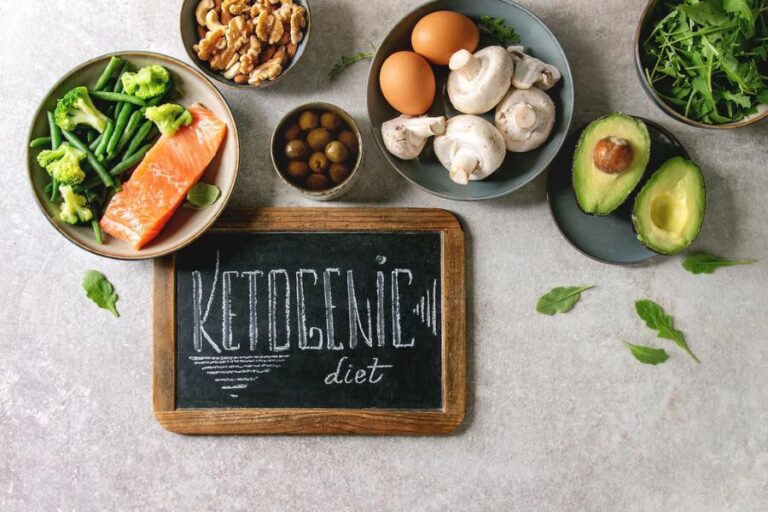
Prioritize anti inflammatory keto foods
Focus on:
-
Healthy fats
-
Extra virgin olive oil, avocado oil, coconut oil, ghee, grass fed butter
-
Avocados, olives, nuts, and seeds in moderate portions
-
Protein sources
-
Fatty fish like salmon, mackerel, sardines, and anchovies
-
Pasture raised eggs
-
Poultry, grass fed beef, and lamb
-
Tofu or tempeh if you tolerate soy and follow a plant forward keto approach
-
Low carb vegetables
-
Leafy greens, such as spinach, kale, arugula, and romaine
-
Cruciferous vegetables, such as broccoli, cauliflower, Brussels sprouts, and cabbage
-
Peppers, zucchini, cucumbers, asparagus, and green beans
-
Flavor boosters with anti inflammatory properties
-
Turmeric and black pepper
-
Ginger and garlic
-
Herbs like rosemary, basil, cilantro, and oregano
Limit these potential inflammation triggers
Even on keto, some foods may work against your goals if you are sensitive to them:
- Highly processed meats, such as bacon full of additives, hot dogs, and low quality sausages
- Refined seed oils, like soybean oil, corn oil, and generic vegetable oil
- Ultra processed low carb products with long ingredient lists
- Artificial sweeteners and sugar alcohols that upset your digestion
You do not have to cut out every possible trigger at once. Instead, notice how you feel after meals and adjust.
Use keto diet timing for inflammation support
When you eat can influence inflammation almost as much as what you eat. Because keto already mimics some of the effects of fasting, pairing thoughtful meal timing with the right foods can give you an extra edge.
Consider intermittent fasting carefully
Intermittent fasting, such as eating in an 8 hour window and fasting for 16 hours, can strengthen the metabolic effects you get from keto. In some studies, fasting has:
- Reduced inflammatory cytokines
- Improved symptoms in psoriatic arthritis, possibly through BHB related mechanisms (Frontiers in Medicine)
If you are new to fasting, start gently:
- Begin with a 12 hour overnight fast, for example, 7 pm to 7 am
- Lengthen your overnight fast by 1 hour at a time as tolerated
- Always pay attention to energy levels, mood, and any flares in symptoms
Talk with your healthcare provider before combining strict keto and fasting, especially if you take medications for blood sugar, blood pressure, or autoimmune conditions.
Watch for stress and sleep trade offs
If restricting your eating window leaves you feeling deprived, anxious, or awake at night, it may backfire and increase stress hormone levels, which can worsen inflammation. In that case, a gentler version of keto without aggressive fasting can still offer benefits.
Set realistic expectations and stay safe
The connection between the keto diet and inflammation is encouraging, but it is not magic. Knowing what to expect, and where the evidence is still emerging, can help you avoid disappointment.
What you might notice and when
Based on current research:
- Some people notice less joint stiffness, clearer thinking, or fewer headaches within 1 to 4 weeks of consistent ketosis (Purposeful Healing DPC)
- Changes in lab markers like TNF α and IL 6 have been observed within weeks to a few months in clinical trials (PubMed)
- Other markers like CRP may not change as much, or may require longer and broader lifestyle changes
Your starting point, age, BMI, and any underlying conditions all influence how quickly you feel a shift.
When to be cautious
Keto is not ideal for everyone. Talk with your doctor before starting if you:
- Have a history of eating disorders
- Take medications that lower blood sugar or blood pressure
- Are pregnant or breastfeeding
- Have kidney, liver, or pancreatic disease
If you do start and notice extreme fatigue, heart palpitations, worsening mood, or new digestive issues that do not ease after a couple of weeks, check in with a medical professional.
Blend keto with sustainable lifestyle habits
You will get the most out of a ketogenic diet and its potential anti inflammatory effects when you treat it as part of a broader lifestyle, not a narrow short term fix.
To support lower inflammation, try to also:
- Move your body daily, even with a short walk or gentle stretching
- Prioritize sleep, aiming for a consistent schedule and a dark, quiet bedroom
- Practice stress management that works for you, such as breathing exercises, journaling, or time in nature
- Limit smoking and heavy alcohol use, both of which fuel inflammation
Small, steady changes in these areas keep your progress from keto going and make it easier to maintain a balanced, lower inflammation lifestyle over time.
Take your next small step
If you are curious about using a keto diet to reduce inflammation and improve your health, you do not need to overhaul everything overnight. You can start with one or two changes you feel confident about, such as:
- Swapping a high carb breakfast for eggs with avocado and sautéed greens
- Replacing refined seed oils with olive oil in your cooking
- Adding one anti inflammatory spice, like turmeric, to your meals each day
Pay attention to how your body responds over several weeks, not just a few days. Then, adjust your version of keto so it supports both your inflammation goals and your long term wellbeing.
About the Author