A Mediterranean-style dinner does not have to be complicated or expensive. With a handful of pantry staples and fresh produce, you can put together Mediterranean diet recipes that support your health and still feel indulgent.
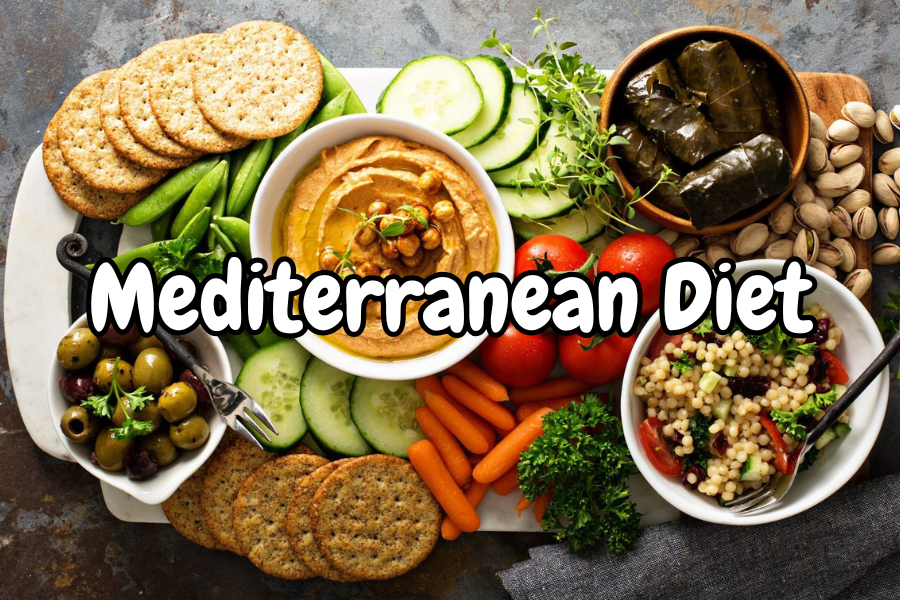
The Mediterranean diet centers on vegetables, fruits, whole grains, beans, nuts, and extra virgin olive oil, with fish and poultry as your main animal proteins and smaller amounts of dairy and red meat. This way of eating is linked with better heart and brain health and overall longevity, based on traditional patterns from countries along the Mediterranean Sea (Cleveland Clinic). It also happens to be delicious.
Below, you will find approachable Mediterranean diet recipes and ideas for breakfast, lunch, dinner, and snacks, plus simple tips for meal planning and customizing the diet to your needs.
Understand the basics of Mediterranean diet recipes
Before you start cooking, it helps to know what gives Mediterranean diet recipes their health benefits and signature flavor.
Mediterranean meals put plants at the center of your plate. Vegetables, fruits, beans, lentils, whole grains, herbs, and nuts show up in almost every dish. Olive oil is your main fat, especially extra virgin olive oil, which is rich in unsaturated fats and antioxidants that support heart, brain, and inflammation health in ways regular olive oil does not match (Cleveland Clinic).
You still eat animal products, just in different proportions. Fish and seafood appear often. Poultry and eggs are enjoyed in moderation. Red meat is used sparingly, almost like a garnish. Cheese and yogurt are included, but not in oversized portions.
Just as important, Mediterranean diet recipes are meant to be enjoyable. The focus is on variety, satisfying flavors, and the pleasure of the table rather than strict rules or constant calorie counting (The Mediterranean Dish).
Stock a simple Mediterranean pantry
You do not need specialty ingredients to cook Mediterranean diet recipes at home. A few affordable staples will let you mix and match meals all week.
Keep some basic whole grains on hand such as quinoa, brown rice, farro, barley, or whole wheat couscous. Add canned beans and lentils like chickpeas, white beans, and black beans. Buy extra virgin olive oil in a bottle size you can use within a couple of months so it stays fresh.
For flavor, rely on garlic, onions, lemons, vinegars, and a short list of dried herbs and spices. Oregano, basil, thyme, cumin, paprika, and crushed red pepper are especially useful. A variety of nuts and seeds, for example almonds, walnuts, and chia seeds, can top salads, yogurt, and grain bowls.
Fresh produce brings everything to life. Focus on seasonal vegetables, leafy greens, and fruits that fit your budget. According to Mediterranean cooking experts, a basic pantry of vegetables, leafy greens, fish, olive oil, nuts, herbs, grains, and legumes is more than enough to build easy and flavorful meals (The Mediterranean Dish).
Start your day with Mediterranean breakfasts
Breakfast is an easy place to begin if you are new to Mediterranean diet recipes. The goal is to include some combination of whole grains, fruit or vegetables, healthy fat, and protein.
You might enjoy yogurt bowls made with plain Greek yogurt, a drizzle of extra virgin olive oil or a spoon of nut butter, fresh berries, and a sprinkle of nuts or seeds. Overnight oats with chia seeds and fruit are another option. Recipes like Berry Chia Pudding and Fig and Ricotta Overnight Oats use omega 3 rich chia seeds, fiber, and nutrient dense ingredients for a creamy, satisfying start to the day (EatingWell).
If you prefer savory breakfasts, try hummus toast with sliced tomatoes and cucumbers, or scrambled eggs cooked with spinach, tomatoes, and herbs. Mediterranean cooks often bake eggs with vegetables in one pan, such as sheet pan eggs and veggies or shakshuka, which is a simple dish of eggs gently cooked in tomato sauce with peppers and spices (The Mediterranean Dish). These recipes are easy to batch cook, so you can reheat portions on busy mornings.
Build satisfying Mediterranean lunches
For lunch, Mediterranean diet recipes prioritize fiber, protein, and healthy fats so that you stay full without feeling heavy or sluggish in the afternoon.
Grain bowls and salads are your best friend here. Start with a base of cooked whole grains or leafy greens. Layer on beans or lentils for plant protein, then add chopped vegetables, a small amount of cheese if you like, and a simple olive oil and lemon dressing.
You can follow the lead of recipes like a Chickpea and Quinoa Bowl with Roasted Red Pepper Sauce, which turns legumes and whole grains into a grab and go lunch that matches Mediterranean diet principles of legumes and whole grains (EatingWell). High protein pasta salads made with chickpea pasta, crunchy vegetables, and mozzarella in a heart healthy vinaigrette are another filling option (EatingWell).
If you enjoy sandwiches, look for ways to pack in vegetables and use whole grain bread. Think roasted vegetable and hummus sandwiches, tuna and white bean salad stuffed into whole wheat pitas, or a French inspired Pan Bagnat filled with vegetables and fish, which is a classic Mediterranean style sandwich (The Mediterranean Dish).
Enjoy flavorful Mediterranean dinners
Mediterranean diet dinners do not need long ingredient lists to be impressive. Many classic recipes use one pan and are ready in about 30 minutes, which makes them realistic for weeknights.
Lean proteins with plenty of vegetables
Fish and seafood appear often in Mediterranean diet recipes and are a key source of lean protein, omega 3 fats, and minerals. Simple dishes like Greek baked cod with lemon and garlic or lemon and garlic baked cod pair mild fish with a bright, garlicky sauce and plenty of olive oil. These recipes are popular because they are quick to prepare and work well with a side like Greek salad for a balanced meal (The Mediterranean Dish).
You could also roast salmon on a sheet pan with Brussels sprouts or broccoli, tossed with olive oil, garlic, and lemon. Recipes such as sheet pan salmon with broccoli highlight how easily you can roast fish and vegetables together for a healthy weeknight dinner (EatingWell). Grilled Mediterranean salmon cooked in foil with cherry tomatoes and tapenade is another flavorful option that aligns with Mediterranean diet principles (Allrecipes).
When you prefer poultry, think about simple one pan meals. Sheet pan chicken thighs with Brussels sprouts and gnocchi roast chicken and vegetables together with Mediterranean seasonings like garlic, oregano, and red wine vinegar, which keeps cleanup easy and the flavors bright (EatingWell). Balsamic chicken with orzo or asparagus is another example of how a tangy glaze and plenty of vegetables can turn chicken into a complete Mediterranean style dinner (EatingWell).
Cozy one pot and plant based meals
You do not have to eat fish or meat at every dinner. Mediterranean diet recipes often feature beans, lentils, and vegetables as the main event.
A slow cooker Mediterranean stew with vegetables, white beans or chickpeas, leafy greens like kale or spinach, and a drizzle of olive oil is a convenient, vegan friendly meal that fits the diet well (EatingWell). One pot dishes like white bean, spinach, and sun dried tomato orzo combine pasta, beans, and vegetables in a creamy garlic and herb sauce for a quick but satisfying dinner (EatingWell).
You might also experiment with curried butter beans, which simmer tender beans with red curry paste and spices and can be served alone or over brown rice or whole grain noodles for a filling Mediterranean style meal (EatingWell). Soups like a white bean soup made with sun dried tomatoes, garlic, cream, and Parmesan echo the comforting flavors of popular chicken dishes while staying vegetarian (EatingWell).
Add simple Mediterranean snacks and sides
Healthy snacks and side dishes keep your meals interesting and help you stick with Mediterranean diet recipes long term.
Instead of chips or candy, reach for hummus with baby carrots, cucumbers, or whole grain crackers. Small portions of nuts, seeds, or olives also fit the Mediterranean pattern. Community guidance from Mediterranean focused resources often suggests easy snacks like labneh on whole wheat toast or tahini date bars for a sweet treat that still follows Mediterranean principles (The Mediterranean Dish).
On the side of your main meals, simple salads can be enough. Cucumber and tomato salad, Greek salad with tomatoes, cucumbers, olives, and feta, or tabouli salad with parsley, bulgur, and lemon all lean on fresh vegetables, herbs, and olive oil as core ingredients (The Mediterranean Dish). You can rotate these through the week so your plate never feels repetitive.
A helpful rule of thumb is to ask whether your snack or side includes at least one plant food and one healthy fat. If the answer is yes, it likely fits within Mediterranean diet guidelines.
Adapt the Mediterranean diet to your needs
You can adjust Mediterranean diet recipes to match your preferences and any medical needs, which makes this way of eating flexible instead of rigid.
If you follow a vegetarian pattern, you can skip meat and fish and rely on plant proteins like beans, lentils, and nuts. The Mediterranean diet can also be modified to be gluten free by swapping wheat based products for gluten free grains such as brown rice, quinoa, or certified gluten free oats. It is a good idea to work with a dietitian or your primary care doctor when you make larger changes, so you can be sure you are still meeting your nutrient needs and health goals (Cleveland Clinic).
You can also adapt recipes based on your schedule. Many Mediterranean dinners are naturally quick, but if you are very busy, focus on those designed to be ready in 30 minutes or less. Collections of fast Mediterranean diet dinners, including shakshuka, sautéed shrimp with garlic and lemon, and spicy harissa salmon, show how easily you can put together healthy meals on hectic nights (The Mediterranean Dish).
Plan a week of Mediterranean meals
To turn inspiration into real change, it helps to sketch out a simple Mediterranean meal plan. You do not have to plan every detail, but choosing a few recipes ahead of time reduces stress and helps you shop efficiently.
You might select:
- Two easy breakfasts you can repeat, such as chia pudding and hummus toast
- Two or three lunch ideas, like grain bowls and high protein pasta salad
- Four or five dinners that balance fish, poultry, and plant based meals, including at least one one pot or sheet pan recipe
Many Mediterranean focused sites offer free 7 day sample meal plans with recipes you can click and print, which can be a handy starting point while you build your own rotation (The Mediterranean Dish). Over time, you will notice which dishes you crave regularly and which ingredients keep showing up on your grocery list.
As you get more comfortable with Mediterranean diet recipes, you can swap in new vegetables based on the season, try different fish or beans, and play with herbs and spices to keep flavors fresh. Each small change you make, from using extra virgin olive oil more often to adding one extra vegetable at dinner, nudges your eating pattern toward a more Mediterranean style.
You do not have to overhaul your diet overnight. Try choosing one new recipe from this style of eating for the week ahead, then pay attention to how you feel afterward. If you enjoy the taste and notice more steady energy or less afternoon hunger, that is a sign you are moving in a helpful direction.
About the Author