Understand how trauma and mental health connect
You hear the phrase “trauma and mental health” a lot, but it can still feel abstract. In reality, trauma is more common than you might think, and it can quietly shape how you feel, think, and function day to day.
Trauma is not just one type of event. It can include:
- Accidents or injuries
- Abuse or neglect
- Violence or assault
- Natural disasters
- Combat
- The sudden loss of someone you love
Trauma is essentially any experience that overwhelms your usual ability to cope and makes you feel deeply unsafe or out of control (Mental Health Foundation). What that looks like is different for everyone. Two people can go through the same event and have very different reactions.
According to a report summarized by Healthline, about 70% of adults in the United States have experienced at least one traumatic event in their lives (Healthline). That does not mean everyone develops a mental health condition, but it does show why understanding trauma and mental health really matters for your overall well-being.
Recognize common trauma responses
If you have been through something overwhelming, your mind and body are likely doing exactly what they were designed to do: protect you. Many early trauma reactions are normal responses to an abnormal situation.
Immediate reactions after trauma
Right after a traumatic event, you might notice:
- Exhaustion or fatigue
- Confusion or disorientation
- Sadness or tearfulness
- Anxiety or fear
- Agitation or irritability
- Numbness or emotional “shut down”
- Feeling disconnected from your surroundings, sometimes called dissociation
These experiences are widely recognized as common short-term reactions and do not automatically mean you have a mental health disorder (NCBI Bookshelf). They are often your brain and body’s way of trying to make sense of what happened.
If these reactions stay very intense, last for weeks, or begin to interfere with daily life, that is when they may signal a trauma-related condition.
Emotional changes you might notice
Over time, trauma can affect how you manage emotions. You might struggle with:
- Anger that feels bigger than the situation
- Waves of anxiety that seem to come from nowhere
- Deep sadness or shame
- Feeling emotionally flooded or, on the opposite side, emotionally numb
Researchers refer to this as emotional dysregulation, which is especially common when trauma happens in childhood (NCBI Bookshelf). To cope, some people turn to behaviors that provide quick relief but cause more harm in the long run, such as:
- Misusing alcohol or drugs
- Overeating or restricting food
- Self-injury like cutting, burning, or scratching
- Compulsive behaviors, such as overworking or risky sexual behavior
If you recognize yourself in any of this, it is not a sign of weakness. It is a sign that you have been trying to manage very real pain with the tools you had at the time.
Physical signs trauma may be affecting you
Trauma often shows up in the body as much as in the mind. You might notice:
- Muscle tension or chronic pain
- Headaches
- Fatigue that lingers even after rest
- Tightness in your chest
- Stomach or digestive issues
- Trouble falling or staying asleep
The Anxiety & Depression Association of America notes that trauma-related stress can leave your body in a long-lasting “survival mode,” which can lead to ongoing muscle tension, pain, and other physical symptoms (ADAA). Trauma does not just “live in your head.” It can affect your whole system.
See how trauma reshapes your brain and body
You might think of your reactions as personal flaws, but trauma actually changes the way key parts of your brain and nervous system work.
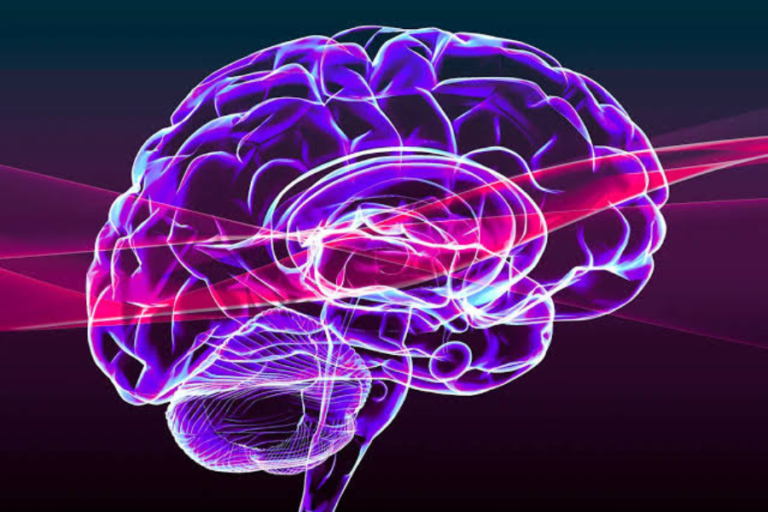
What happens in your brain
Several brain areas are especially affected by trauma:
-
Amygdala
This is your brain’s threat detection center. After trauma, it can become overactive and start seeing danger everywhere, even in relatively safe situations. That can leave you feeling on edge, jumpy, or hypervigilant (ADAA). -
Hippocampus
This area helps organize and store memories. Trauma can disrupt this process, which may explain why you have trouble remembering parts of what happened or, on the other hand, experience vivid flashbacks or intrusive images. It can feel like the past is still happening in the present (ADAA). -
Networks that control thinking and emotion
Studies on childhood trauma show changes in brain regions involved in memory, decision making, and emotional processing, including the temporal lobe, insular cortex, and parahippocampal gyrus (Brain and Behavior). Different types of early trauma can affect different brain networks.
These changes do not mean your brain is “broken.” They mean your brain adapted to survive. With the right support, it can also adapt to heal.
What happens in your nervous system
Trauma deeply affects your autonomic nervous system, the part of your body that manages automatic functions like heart rate and breathing.
After a traumatic event, your nervous system might have trouble coming back to baseline. You may notice:
- A racing heart even when you are resting
- Feeling frozen or shut down in stressful situations
- Being easily startled
- Feeling wired and exhausted at the same time
The Anxiety & Depression Association of America notes that post-trauma, your body can get “stuck” in a protective state, which keeps you ready for danger long after the threat has passed (ADAA). Understanding this can help you respond with compassion instead of criticism when your body reacts strongly.
Learn how trauma affects daily life
The long-term effects of trauma and mental health are not just about diagnoses. They are also about your everyday experience. You might see the impact in ways that feel small but add up.
How it shapes your thoughts and behaviors
Trauma can quietly rewrite your expectations about the world. You might:
- Expect the worst in most situations
- Have persistent worst-case-scenario thinking
- Avoid people, places, or activities that remind you of what happened
- Pull away from relationships because closeness feels risky
- Feel undeserving of good things
Trauma can wire your brain to look for danger, even when you are technically safe, and that can limit your ability to enjoy life or take healthy risks (ADAA).
How it impacts relationships, work, and self-care
According to the Mental Health Foundation, trauma can affect many areas of life:
-
Relationships
You might struggle to trust, feel constantly on guard, or fear abandonment. This can make romantic relationships, friendships, and family connections feel complicated or exhausting (Mental Health Foundation). -
Work and school
Concentration problems, sleep issues, or panic symptoms can make it harder to focus, meet deadlines, or show up consistently. -
Self-care
You may find it hard to eat regularly, sleep well, or move your body when your mind is occupied with anxiety, numbness, or low mood.
These struggles are not a reflection of your worth or effort. They are understandable effects of a nervous system that has been under strain.
Know common trauma-related mental health conditions
Not everyone who experiences trauma develops a mental health disorder. Some people have short-term symptoms that ease over time, while others experience longer-lasting effects. When symptoms are intense, persistent, and disruptive, a trauma-related condition may be present.
Post-traumatic stress disorder (PTSD)
PTSD can develop after you experience, witness, or are confronted with actual or threatened death, serious injury, or sexual violence. For a diagnosis, symptoms must last more than one month and significantly affect work, relationships, or daily life (Mayo Clinic).
Symptoms can include:
- Intrusive memories, flashbacks, or nightmares
- Avoiding reminders of the trauma
- Negative changes in mood or beliefs, such as persistent guilt or hopelessness
- Feeling constantly on guard, irritable, or easily startled
PTSD affects millions of adults each year in the United States (High Focus Centers). It is a serious condition, but it is also treatable.
Complex PTSD (C‑PTSD)
Complex PTSD usually develops after repeated or prolonged trauma, especially in situations where escape feels impossible, such as childhood abuse or ongoing domestic violence. It shares many features with PTSD but may also include:
- Intense difficulty managing emotions
- Deeply ingrained negative beliefs about yourself
- Ongoing relationship problems
Although C‑PTSD is grouped under PTSD in the DSM, it has some unique characteristics that mental health professionals pay close attention to (High Focus Centers).
Other trauma-related conditions
Healthline notes that trauma is linked to several conditions described in the DSM-5-TR and beyond, including (Healthline):
- Acute stress disorder
- Adjustment disorders
- Reactive attachment disorder (in children)
- Anxiety and depression
- Substance use disorders
Trauma can also contribute to what is sometimes called secondhand or secondary traumatic stress in people who frequently hear or witness others’ trauma, such as healthcare workers, first responders, or therapists (High Focus Centers).
None of these diagnoses define you. They are tools professionals use to better understand what you are going through and guide treatment.
Understand why childhood trauma is especially impactful
When trauma happens early in life, it can have long-lasting effects because your brain and body are still developing.
How early experiences leave a mark
The Centers for Disease Control and Prevention reports that more than 60% of adults have experienced at least one adverse childhood experience, often called an ACE, while 16% have experienced four or more (Integrative Life Center). ACEs include:
- Physical, emotional, or sexual abuse
- Neglect
- Exposure to domestic violence
- Substance use or mental illness in the home
- Caregiver loss or instability
The more ACEs you experience, the greater your risk of long-term mental health challenges, substance use, and physical health problems in adulthood (Integrative Life Center).
Childhood trauma can keep the fight-or-flight response switched on for long periods, which affects both emotional and physical health. It is associated with:
- Memory issues
- Emotional volatility
- Difficulty trusting others or feeling safe in relationships (Integrative Life Center)
Research has also shown that different subtypes of childhood trauma, such as emotional abuse or neglect, are linked with specific changes in brain networks that influence mood, cognition, and coping patterns (Brain and Behavior).
Why early support makes a difference
Because early trauma can alter brain development, timely support for children is especially important. A study in the journal Brain and Behavior emphasizes that psychological interventions for maltreated children may lower the risk of psychiatric issues in adulthood (Brain and Behavior).
If you went through trauma as a child and never received help, seeking support now is still worthwhile. Your brain remains capable of change, even in adulthood.
Consider how identity and context shape your experience
Trauma does not happen in a vacuum. Who you are and the world you live in both shape how trauma affects you and what kinds of support you can access.
Healthline highlights that intersectionality, which includes factors like age, race, gender, sexuality, and economic status, can influence your trauma experience (Healthline). For example:
- LGBTQ+ people in the military may face both combat-related trauma and discrimination.
- Black youth may experience racial trauma and its mental health effects differently across genders.
Access to safe housing, healthcare, and community support also plays a major role in how you cope and recover. When you consider your own history, it can help to acknowledge the larger forces that may have shaped your experience, not just personal choices or willpower.
Explore treatment and healing options
If trauma is affecting your mental health, you are not stuck. A variety of treatments and supports can help you feel safer in your own mind and body again.
Therapy approaches for trauma
For many trauma-related conditions, psychotherapy is the primary treatment.
-
Cognitive behavioral therapy (CBT)
CBT helps you notice and reframe unhelpful thoughts and patterns that keep you stuck. Healthline notes that CBT is a main treatment for trauma-related disorders, often combined with specialized approaches such as trauma-focused CBT (Healthline). -
PTSD-focused therapy
The Mayo Clinic explains that psychotherapy, sometimes with medication, is the main treatment for PTSD (Mayo Clinic). Therapy may be individual or group based and can help you: -
Process the traumatic event at a safe pace
-
Build stress management skills, including relaxation and sleep strategies
-
Practice skills for handling triggers and flashbacks
Your therapist may draw from different evidence-based methods, but the core goals are similar: helping you regain a sense of control and safety.
Medications as part of care
Medications are sometimes used to ease symptoms such as depression, anxiety, or sleep problems related to trauma. The Mayo Clinic notes that choosing the right medication involves collaboration with a healthcare professional who monitors benefits and side effects over time (Mayo Clinic).
Medication is not a cure-all, but for some people, it provides enough relief to fully participate in therapy and daily life.
Trauma-informed and holistic care
For childhood trauma in particular, trauma-informed therapy is especially important. This kind of care emphasizes:
- Physical and emotional safety
- Trust and collaboration with your therapist
- Attention to both body and mind
The Integrative Life Center notes that a holistic, trauma-informed approach, which may include body-based practices alongside talk therapy, can significantly improve quality of life for people healing from childhood trauma (Integrative Life Center).
Support yourself while you heal
Professional help is a key part of healing, but what you do between appointments matters too. Small, consistent steps can help your nervous system feel safer and more stable.
Simple practices to try
You do not need an elaborate routine. You can begin with a few practical habits:
-
Gentle movement
Short walks, stretching, or light yoga can help release built-up tension and bring you back into your body. -
Grounding exercises
When you feel overwhelmed, you can try: -
Naming five things you can see
-
Four things you can touch
-
Three things you can hear
-
Two things you can smell
-
One thing you can taste
This kind of exercise can help you reconnect with the present moment.
-
Sleep support
Create a simple wind-down routine, such as dimming lights, limiting screen time before bed, or listening to calming audio. Many PTSD treatment plans include improving sleep as a key goal (Mayo Clinic). -
Basic nourishment
Eating regular, balanced meals can stabilize energy and mood. Even one extra glass of water or a small, nutritious snack is a step toward taking care of yourself.
Building safe connections
Healing often happens in connection with others. You might:
- Share a little of what you are going through with a trusted friend
- Join a support group, online or in person, for people with similar experiences
- Let loved ones know specific ways they can support you, like checking in before events that might be triggering
The Mayo Clinic notes that PTSD can also strain the mental health of family members and partners, which means it can be helpful for loved ones to learn about trauma and get support for themselves too (Mayo Clinic).
Know when to seek urgent help
If your trauma reactions feel unmanageable, you do not need to navigate them alone.
Healthline points out that the SAMHSA National Helpline, 1‑800‑662‑4357, offers free, confidential referrals to mental health and substance use treatment in the United States (Healthline).
If you are in immediate danger or thinking about harming yourself or someone else, contact your local emergency number right away or use your country’s crisis service.
Reaching out in a crisis is not a sign you are failing. It is a sign you are taking your pain seriously enough to get help.
Takeaway: Your reactions make sense, and support is possible
When you understand how trauma and mental health fit together, your experiences may start to look less mysterious and more understandable. You might see that:
- Many of your reactions are natural responses to overwhelming events
- Trauma can affect your brain, body, and relationships in real, measurable ways
- Childhood experiences can echo into adulthood, but your story is not fixed
- Evidence-based treatments like CBT and trauma-informed therapy can help
- You deserve support, whether your trauma happened recently or years ago
You do not have to “just get over it” or handle everything on your own. Even one step, such as reading about trauma, scheduling a therapy appointment, or sharing a bit of your story with someone you trust, can be a meaningful move toward healing.
About the Author