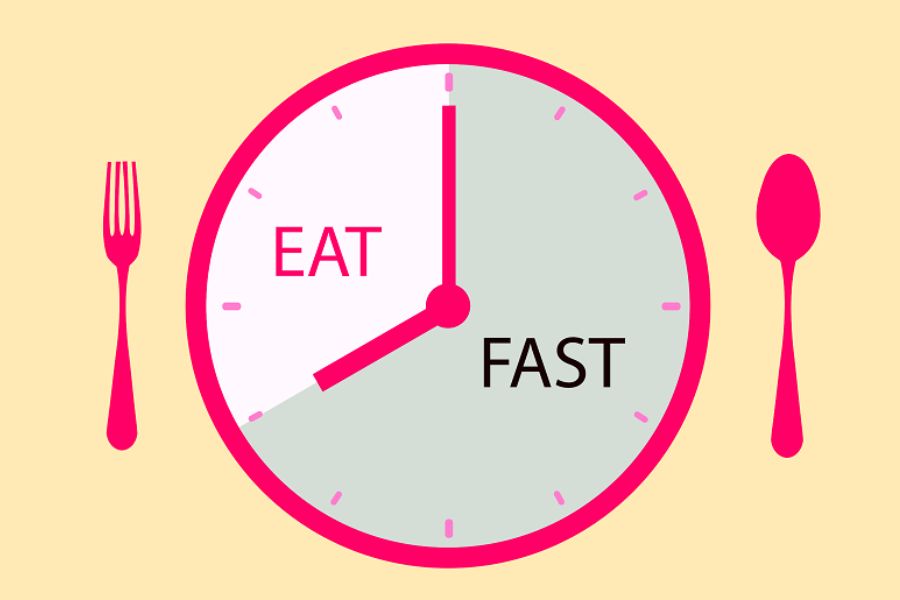
How intermittent fasting supports weight loss
If you are exploring weight loss with intermittent fasting, you are probably hoping for something more straightforward than counting every calorie. Intermittent fasting is not magic, but research suggests it can be an effective way to manage your weight and improve certain health markers when you use it thoughtfully and pair it with a healthy diet.
Intermittent fasting is an eating pattern where you cycle between periods of eating and periods of not eating. Instead of changing what you eat first, you change when you eat. According to Johns Hopkins Medicine, this pattern can help with weight management and may even help prevent or improve some conditions related to metabolism and chronic disease (Johns Hopkins Medicine).
The key idea is that during a long enough break from food, your body uses up its easy-to-access sugar stores and then switches to burning fat. This shift, often called a “metabolic switch,” is one of the main reasons intermittent fasting can support fat loss and lower insulin levels (Mass General Brigham).
Understand how intermittent fasting works
The metabolic switch
When you eat regularly across a long day, your body mostly runs on glucose from your meals. Intermittent fasting introduces longer stretches without food.
- After roughly 10 to 12 hours of fasting, your body starts shifting from burning glucose to burning fatty acids for energy (Mass General Brigham).
- Johns Hopkins experts describe this as a metabolic switch. Once your sugar stores are used up, your body begins drawing on stored fat instead (Johns Hopkins Medicine).
For weight loss, that switch matters. Spending more time in a fat-burning state can help you lose body fat over time, as long as you do not consistently overeat during your eating windows.
Effects on insulin and blood sugar
Intermittent fasting can also affect hormones related to weight and blood sugar. A review of multiple studies found that intermittent fasting can reduce insulin resistance and fasting insulin levels, especially when weight loss occurs (Mass General Brigham).
Lower insulin and improved insulin sensitivity may help you:
- Store less fat around the abdomen
- Lower your risk of type 2 diabetes and related conditions like fatty liver and PCOS
- Feel more stable energy between meals
However, if you already have diabetes or take medications that affect blood sugar, you need medical guidance before you try fasting because it can change your medication needs (Canadian Family Physician).
How intermittent fasting compares to regular dieting
You might wonder whether limiting when you eat really works better than just eating less overall. Large reviews suggest that for weight loss, intermittent fasting is generally about as effective as traditional calorie restriction:
- A major analysis of 99 clinical trials with more than 6,500 participants found that intermittent fasting approaches, including alternate day fasting, 16:8 time restricted eating, and 5:2 fasting, led to comparable weight loss and cardiometabolic benefits to traditional calorie restricted diets (Harvard T.H. Chan School of Public Health).
- Another review of 27 intermittent fasting trials reported consistent weight loss from about 0.8 percent to 13 percent of starting body weight, with similar results to calorie restricted diets and no serious adverse events reported (Canadian Family Physician).
In other words, intermittent fasting is not necessarily a shortcut. It is another tool that might feel simpler and more sustainable for you than tracking every bite, especially if you prefer clear rules about eating times.
Common intermittent fasting methods
There is no single “right” way to do intermittent fasting for weight loss. Several approaches have been studied, and you can choose one that fits your schedule, health, and preferences.
16:8 time restricted eating
The 16:8 method is one of the most popular starting points if you are aiming for weight loss with intermittent fasting.
- You fast for 16 hours each day and eat only during an 8 hour window.
- Many people do this by delaying breakfast, for example eating between 10 a.m. and 6 p.m., or by eating earlier in the day and finishing dinner by mid-afternoon.
Research suggests that eating earlier in the day within your 8 hour window may be more beneficial for weight and metabolic health than concentrating your calories late at night (Mass General Brigham).
This schedule is common in studies and is often recommended for beginners (Verywell Health). However, some research cited by Johns Hopkins notes that simply limiting your eating window, without other changes, may not always lead to meaningful long term weight loss on its own (Johns Hopkins Medicine). Your overall food choices still matter.
5:2 intermittent fasting
The 5:2 approach gives you more flexible daily timing and instead focuses on two lower calorie days per week.
- You eat normally five days per week.
- On two nonconsecutive days, you limit intake to about 500 to 600 calories.
This pattern has been studied for weight loss and improvements in blood sugar control and is often seen as more manageable than longer strict fasts (Johns Hopkins Medicine; Verywell Health; Cleveland Clinic).
Alternate day fasting
Alternate day fasting is more intensive and typically not where you start.
- You alternate between days of normal eating and days of major restriction.
- On fasting days, intake is often limited to around 25 percent of your usual calories, or in some protocols, very few or no calories.
A large review found that alternate day fasting produced slightly greater weight loss, about 1.3 kilograms more, than standard calorie restricted diets, along with improvements in waist size and markers like cholesterol and inflammation (Harvard T.H. Chan School of Public Health).
However, there are some cautions:
- A Cleveland Clinic summary noted that people who stopped alternate day fasting saw an increase in LDL cholesterol after six months, which suggests mixed long term effects (Cleveland Clinic).
- This pattern can be tough socially and mentally and is more likely to cause side effects.
More extreme methods (OMAD, 24 hour fasts)
Some versions of intermittent fasting are more aggressive. These include:
- One Meal a Day (OMAD), where you eat all your daily calories in a single meal.
- “Eat Stop Eat” style fasting, where you fast for 24 hours once or twice per week.
These can lead to weight loss but are not ideal for most beginners and may be risky for people with certain medical conditions (Verywell Health). They also raise the chances of overeating when you do finally eat and can be hard to sustain.
What the research says about weight loss
Expected weight loss results
Different intermittent fasting plans have been studied in people who are overweight or obese, often over weeks to months. Overall, the pattern is consistent:
- People following intermittent fasting typically lose between about 0.8 percent and 13 percent of their starting body weight, depending on the study length, fasting schedule, and how well they stick to the plan (Canadian Family Physician).
- Over 2 to 12 weeks, average BMI reductions around 4.3 percent have been observed, with waist measurements shrinking by a few centimeters in studies lasting longer than 4 weeks (Canadian Family Physician).
When researchers directly compare intermittent fasting to standard calorie restricted diets, weight loss is usually very similar, and adherence and dropout rates are also alike (Canadian Family Physician). So the real advantage for you might be practicality. Many people find it easier to keep track of hours than to track every calorie.
Metabolic and health benefits
Beyond the number on the scale, intermittent fasting may offer other potential benefits:
- Improved insulin sensitivity and lower fasting insulin levels, especially when you lose weight (Mass General Brigham; Canadian Family Physician)
- Better glycemic control and lowered hemoglobin A1c in people with type 2 diabetes, although these individuals need close medical supervision because of hypoglycemia risk (Canadian Family Physician)
- Potential improvements in waist circumference, triglycerides, cholesterol, and inflammation markers in some fasting schedules like alternate day fasting (Harvard T.H. Chan School of Public Health)
- Short term shifts in how cells use energy and repair themselves, which might support broader health in the near term, although long term effects are still uncertain (Mayo Clinic)
Researchers emphasize that most trials are relatively short. You still need more long term data to fully understand how different fasting cycles affect your health over years, not just months (Mayo Clinic).
What you eat still matters
Intermittent fasting can simplify your routine because you are not required to count every calorie. Many people appreciate that. However, what you eat during your eating windows still heavily influences your weight loss, energy, and health.
Experts at Mass General Brigham stress that to support weight loss with intermittent fasting, you need to focus on nutrient dense foods during your eating periods and avoid overeating unhealthy options “because you were fasting” earlier (Mass General Brigham).
Aim to build your meals around:
- Fruits and vegetables (fresh, frozen, or canned with minimal added sugar or salt)
- Whole grains like oats, quinoa, brown rice, and whole wheat bread
- Lean proteins such as fish, poultry, beans, lentils, tofu, and low fat dairy
- Healthy fats from sources like olive oil, nuts, seeds, and avocado
Intermittent fasting can also help you reset your relationship with snacking. Some people find that when they limit eating to specific hours, they:
- Snack less on high sugar or highly processed foods
- Feel more satisfied with smaller portions
- Become more mindful about when they are truly hungry (Cleveland Clinic)
If you use fasting as an excuse to binge during your eating window, your results will likely suffer. It helps to think of intermittent fasting as a structure that supports healthy choices, not a free pass to eat anything in unlimited amounts.
Pros of intermittent fasting for weight loss
Intermittent fasting has become popular partly because it feels simpler than many other diets. Here are some potential advantages you might notice.
Simpler rules and fewer decisions
Intermittent fasting often feels easier because it focuses on timing more than counting. You may appreciate that:
- You do not need to track every bite if you stick to reasonable portions.
- You make fewer daily decisions about snacks and late night eating.
- You have a clear boundary between “eating time” and “not eating time.”
Mary Hyer, a registered dietitian at Mass General Brigham, notes that many people find intermittent fasting easier to adopt because it removes the burden of constant food tracking, as long as they also choose healthy foods during eating windows (Mass General Brigham).
Potential health perks along with weight loss
If intermittent fasting suits you, you could see more than just a lower number on the scale:
- Better blood sugar and insulin markers
- Possible protection against some chronic conditions tied to obesity and insulin resistance, such as type 2 diabetes or fatty liver (Mass General Brigham; Canadian Family Physician)
- A leaner body shape due to reduction in waist circumference, which may mean less visceral fat around your organs (Harvard T.H. Chan School of Public Health)
Some people also report a general sense of improved well-being once they adapt to fasting, such as clearer thinking, steadier energy, or a better sense of control around food (Johns Hopkins Medicine).
Cons and side effects to consider
Intermittent fasting is not automatically a fit for everyone. It can come with challenges and risks, especially in certain situations.
Common short term side effects
When you first start fasting, your body may need 2 to 4 weeks to adjust (Johns Hopkins Medicine). During that time, you might experience:
- Hunger and strong cravings
- Irritability or mood changes
- Low energy or fatigue
- Headaches or dizziness
- Constipation or digestive changes
The Mayo Clinic also lists potential issues such as menstrual cycle changes and other symptoms in some people, especially if fasting is combined with other stressors (Mayo Clinic). If side effects feel severe or do not settle as you adjust, it is a sign to pause and talk with a healthcare provider.
Risks for specific groups
Certain people should be very cautious or avoid intermittent fasting unless a healthcare professional is closely involved:
- Individuals with diabetes, especially those on insulin or medications that lower blood sugar, due to hypoglycemia risk (Canadian Family Physician; Mayo Clinic)
- People with a history of eating disorders or disordered eating, because strict rules around food and fasting can be triggering
- Pregnant or breastfeeding individuals
- People with certain chronic illnesses or those on multiple medications, where fasting might interfere with timing or absorption
Verywell Health also highlights that intermittent fasting may have different hormonal effects in men and women. Some trials suggest fasting could lower androgen levels in males and that females may be more sensitive to fasting due to hormonal fluctuations (Verywell Health). This is one reason an individualized approach, with medical guidance, is important.
Possible impact on muscle and heart
If weight loss is your goal, you want to lose mostly fat, not muscle. Some research suggests that fasting, especially more extreme versions, can increase the risk of losing lean muscle mass if you are not careful with protein intake and strength training (Verywell Health).
There are also early signals that certain time restricted patterns might affect heart risk differently. The Mayo Clinic notes that some evidence suggests a 16 hour fast with an 8 hour eating window could raise heart disease risk compared to other forms of time restricted eating, although long term data is limited and still evolving (Mayo Clinic).
These findings do not mean intermittent fasting is unsafe for everyone, but they are reminders to avoid a one size fits all approach.
How to choose the right fasting plan for you
If you decide to try weight loss with intermittent fasting, you can set yourself up for success by tailoring the approach to your life instead of forcing your life to fit the approach.
Step 1: Check in with your health team
Before you start, especially if you have any medical conditions or take medications, talk with your healthcare provider. Harvard researchers recommend that people considering intermittent fasting work with a professional who can look at:
- Your medical history
- Your current health conditions and medications
- Your usual diet and food preferences
- Your social schedule and daily routine
- Your ability to stick with a chosen plan long term (Harvard T.H. Chan School of Public Health)
If you have diabetes, low blood pressure, or are taking multiple medications, do not fast without medical input.
Step 2: Start with a gentle version
Instead of jumping directly into an intense plan, ease in. For example:
- Begin by shortening your eating window to 12 hours, such as 8 a.m. to 8 p.m., and hold that for a week.
- If you feel well, consider moving to a 14:10 schedule, then to 16:8 if it still feels manageable.
- Or try a single low calorie day, similar to a light version of the 5:2 approach, and notice how your body responds.
A slow ramp gives your body time to adapt and allows you to evaluate whether intermittent fasting matches your lifestyle.
Step 3: Pair fasting with smart food choices
Use your eating windows to nourish your body well:
- Build each meal around protein, fiber, and healthy fats to help you feel full longer.
- Plan meals ahead so you are not stuck making last minute choices when you are very hungry.
- Keep highly processed, ultra sugary foods from becoming the default in your eating window, even if they technically “fit” the schedule.
If you strength train or do intense exercise, time your workouts with your eating window when possible so you can fuel and recover with adequate protein and carbs.
Step 4: Protect your muscle
To avoid unnecessary loss of lean mass:
- Include a source of protein at every meal and snack during your eating window.
- Incorporate strength training or resistance exercise a few times per week.
- Avoid extremely low calorie intakes on fasting days unless your healthcare team is guiding you, since drastic restriction increases muscle loss risk (Verywell Health).
If you notice significant weakness, reduced exercise performance, or other concerning changes, it may be a sign to adjust your fasting schedule or increase calories.
Step 5: Watch how you feel, not just what you weigh
Weight is one data point, but it is not the only one. As you test intermittent fasting, pay attention to:
- Energy levels across the day
- Mood and irritability
- Sleep quality
- Hunger and fullness cues
- Ability to concentrate and be productive
If you feel worse most of the time, if cravings become overwhelming, or if the pattern starts to crowd out social activities, it might not be the right approach for you even if the scale is moving.
Is intermittent fasting right for you?
Intermittent fasting can be a helpful and research supported way to lose weight and improve some aspects of metabolic health. Large reviews show that weight loss with intermittent fasting is generally comparable to traditional dieting, and some methods may offer extra benefits for insulin sensitivity, waist circumference, and inflammation (Harvard T.H. Chan School of Public Health; Canadian Family Physician).
At the same time, it is not a universal solution. Some people feel better and more in control with set eating windows, while others experience fatigue, irritability, or more complicated health risks. Short term studies are promising, but long term effects, especially for specific groups, are not fully clear yet (Mayo Clinic).
If you are interested, you can:
- Talk with your healthcare provider about whether intermittent fasting is safe for you.
- Choose a gentle method like 16:8 or a modified 5:2 plan.
- Combine fasting with balanced, nutrient dense meals instead of relying on timing alone.
- Adjust or stop if side effects outweigh the benefits.
Your best eating pattern is one you can live with, that supports your health, and that feels sustainable over the long run. Intermittent fasting is one option among many to reach that goal, and you have room to experiment and find what fits you best.
About the Author