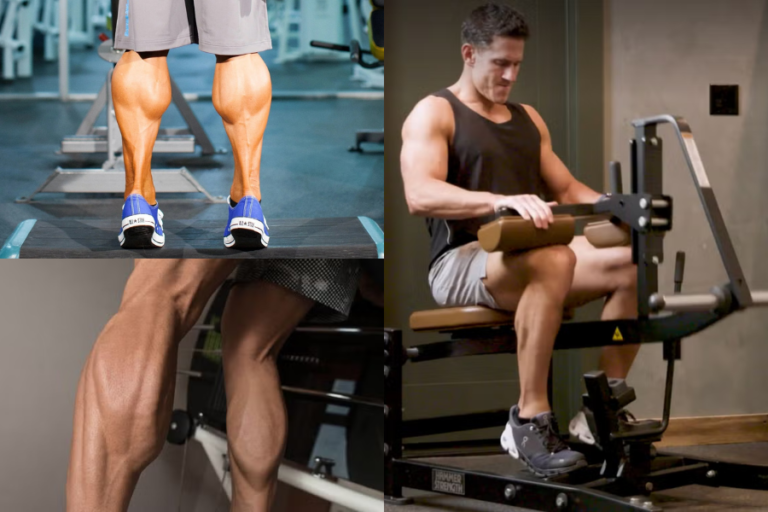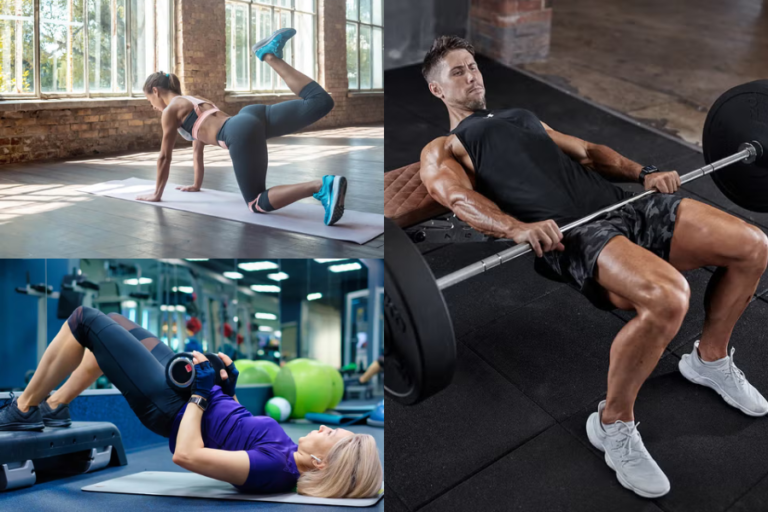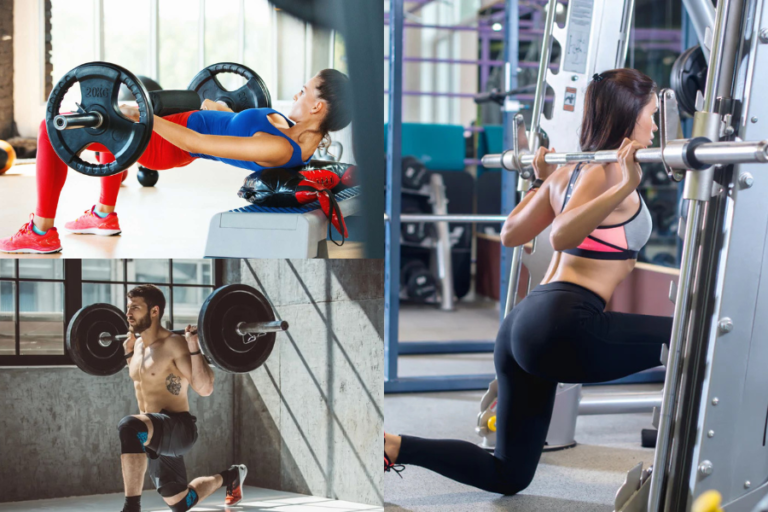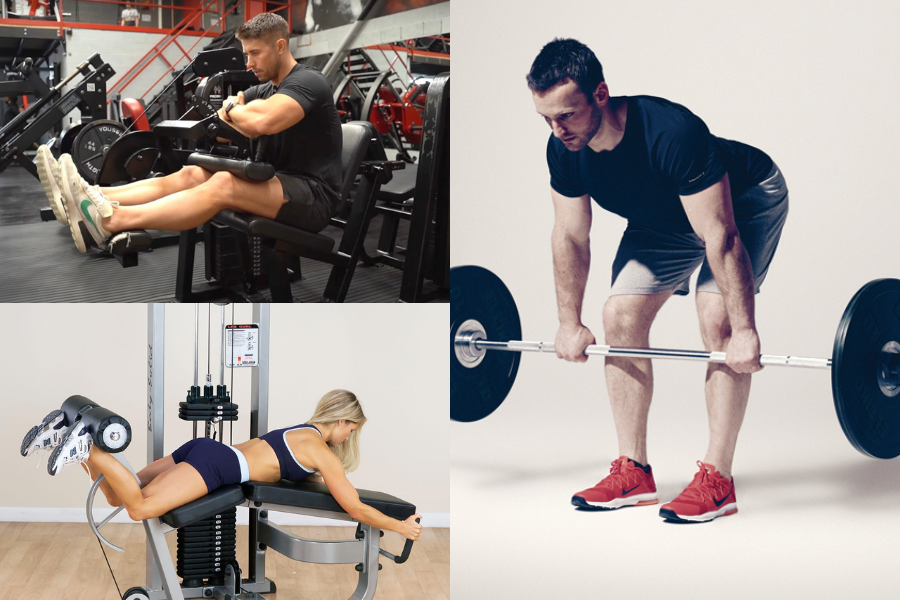
A strong hamstring and glute workout does more than build a better backside. It supports your knees, protects your lower back, and makes everyday movements like walking stairs or standing up feel easier. When you train these muscles with intention, you get a powerful mix of strength, stability, and injury resistance.
Below, you will find a simple, science-backed way to train your hamstrings and glutes, plus example exercises and routines you can start using right away.
Why your hamstrings and glutes matter
Your glutes and hamstrings form the engine of your lower body. They extend your hips, help you sprint, jump, and change direction, and keep your pelvis and spine in good alignment.
Your glutes are made up of three muscles: the gluteus maximus, gluteus medius, and gluteus minimus. They control hip extension, abduction, and rotation and help keep your knees in line with your toes during movement. The hamstring group includes the biceps femoris, semitendinosus, and semimembranosus, which run along the back of your thigh and control knee flexion and hip extension.
When these muscles are strong and working together, you can:
- Reduce your risk of hamstring pulls and strains, especially in running or field sports
- Improve hip stability, which supports your lower back and knees
- Generate more power for lifts, sprints, and jumps
- Burn more calories at rest, since muscle tissue is metabolically active and supports overall metabolic health and insulin sensitivity
If you sit often or are relatively new to strength training, your glutes may be underactive and your hamstrings may be tight. That combination increases your injury risk, so a structured hamstring and glute workout is a smart investment.
Understand how these muscles work
A quick bit of anatomy goes a long way in helping you choose the right exercises and perform them correctly.
What the hamstrings actually do
Your hamstrings cross both the hip and the knee, so they have two main jobs:
- Bend your knee, as in a leg curl
- Extend your hip, as in a deadlift or sprint
They also play a major role in decelerating your body during running and jumping, which is why they are so commonly injured in sports. According to Sports Injury Physio, the hamstrings attach from the sit bone of your pelvis down to the bones of the lower leg, and they work closely with the glutes to extend your hip during powerful movements.
The glutes as stabilizers and powerhouses
Your gluteus maximus is the largest muscle in your body and is responsible for hip extension, standing up, climbing stairs, and maintaining upright posture. When it is strong and active, it unloads stress from your lower back and helps prevent pain.
The glute medius and minimus sit on the side of your hip. They keep your pelvis level when you walk or run and stop your knees from collapsing inward. Weakness here often shows up as knee discomfort or hip instability.
Tight hip flexors from long periods of sitting can inhibit glute activation. When your glutes do not fire properly, your hamstrings and lower back work harder than they should, which raises your risk of hamstring strains.
Start with smart warm ups and mobility
Before you dive into heavy deadlifts or hip thrusts, you want your muscles warm, your joints moving smoothly, and your glutes switched on.
A solid lower body warm up can include:
- Ten minutes of light cardio such as brisk walking, cycling, or easy jogging
- Dynamic mobility and activation drills like:
- Knee hugs
- Glute bridges
- Lunges with elbow to instep
- Hip flexion drills
These exercises, performed for about three rounds of 10 repetitions each, increase blood flow, raise muscle temperature, and help your nervous system recruit the right muscles during your hamstring and glute workout.
Tight hamstrings also need regular stretching. Simple toe-touch variations, either standing or seated, held gently after your workout can help maintain flexibility and reduce your risk of strain, especially if you are active in sports that involve sprinting.
Choose the right mix of exercises
A balanced hamstring and glute workout uses both compound lifts and isolation moves. Compound lifts train several muscles at once and help you build overall strength and power. Isolation exercises focus on a single muscle group and let you add extra volume without a lot of joint stress.
Compound exercises for strength and power
These lifts work your glutes, hamstrings, and other lower body muscles together.
- Squats: Squats are quad dominant, but they still train your glutes and help overall athletic performance. Variations range from bodyweight air squats at home to heavy barbell squats in the gym.
- Conventional or Romanian deadlifts: Romanian deadlifts place a strong emphasis on the hamstrings and glutes by focusing on a hip hinge and a deep stretch on the back of the thigh. The eccentric phase of the RDL is particularly effective for building strength and size and can carry over to heavier conventional deadlifts.
- Step-ups: Stepping onto a box or bench with added dumbbells engages your glutes, hamstrings, and core. Increasing the height or adding load makes these more challenging.
- Split squats and Bulgarian split squats: These unilateral movements build strength and stability in each leg, and a slight forward lean can emphasize glutes and hamstrings.
- Kettlebell swings: A powerful ballistic hip hinge that loads the hamstrings and glutes while also working your upper and mid back.
For many of these exercises, you can start with 3 sets of 6 to 10 reps at a challenging but controlled weight. Heavier hip hinge exercises such as stiff leg deadlifts tend to work best in the 5 to 10 rep range, since very high reps can cause excessive fatigue in your lower back.
Isolation exercises for focused development
Isolation exercises give your hamstrings and glutes extra stimulus without relying on very heavy loads.
- Glute bridges and hip thrusts: These primarily target your gluteus maximus and also involve the hamstrings and adductors. They place relatively little strain on the lower back and are especially useful if your back is sensitive.
- Hamstring curls: Seated or lying leg curls focus on knee flexion. Research shared by Sports Injury Physio and RP Strength highlights leg curls as excellent for hamstring hypertrophy when you use controlled, deliberate repetitions and avoid momentum.
- Stability ball curls: Starting with a basic glute bridge position and then curling a stability ball toward you increases hamstring engagement while also challenging your core and hip stability.
According to Dr. Mike Israetel of RP Strength, hamstring curls are best performed in moderate to high rep ranges like 10 to 30 reps per set with light to moderate loads. That approach maximizes muscle growth while keeping your joints safe.
Quick rule of thumb:
Aim for at least one hip hinge exercise and one knee flexion exercise each week so you train the hamstrings in both of their primary roles.
Structure your weekly hamstring and glute workouts
How often you train your hamstrings and glutes depends on your schedule, goals, and recovery. Many glute experts suggest training glutes about two to three times per week, and you can apply a similar frequency to your hamstrings if you manage the volume and intensity sensibly.
You can use these guidelines as a starting point:
- Beginners: Two hamstring and glute focused sessions per week
- Intermediate: Two or three sessions per week at moderate volume
- Advanced: Up to three sessions per week, adjusting volume based on recovery
Because the hamstrings are relatively sensitive to training volume, RP Strength recommends doing only one main hamstring exercise per session and rotating 2 to 3 different movements across the week. For example, you might choose Romanian deadlifts in one session, seated leg curls in another, and single-leg RDLs in the third.
Sample hamstring and glute workout plans
You can plug the exercises below into your routine and adjust the difficulty as you get stronger.
Beginner-friendly lower body day
Use this if you are new to strength training or coming back after a long break.
- Warm up:
- Ten minutes of light cardio
- Knee hugs, glute bridges, lunges with elbow to instep, and hip flexions, 3 sets of 10 reps each
- Main workout:
- Bodyweight squats, 3 sets of 10 to 12 reps
- Dumbbell Romanian deadlifts, 3 sets of 8 to 10 reps
- Dumbbell step-ups, 3 sets of 10 reps per leg
- Glute bridges, 3 sets of 12 to 15 reps
- Band or machine hamstring curls, 2 to 3 sets of 12 to 15 reps
- Cool down:
- Five minutes of light stretching for hamstrings, glutes, and hip flexors
This covers both compound and isolation work and helps you learn movement patterns without overloading your joints.
Intermediate strength and size session
If you already lift regularly, you can increase the challenge.
-
Warm up as above
-
Main workout:
- Barbell back squats or front squats, 3 sets of 6 to 8 reps
- Romanian deadlifts, 3 sets of 6 to 8 reps
- Barbell or dumbbell hip thrusts, 3 sets of 8 to 10 reps
- Split squats or Bulgarian split squats, 3 sets of 8 to 10 reps per leg
- Seated leg curls, 3 sets of 12 to 20 reps
- Optional finisher:
- Kettlebell swings, 3 sets of 12 to 15 reps
Keep at least one or two reps “in the tank” on most sets, especially for hip hinges, to avoid excessive lower back fatigue.
Prevent injuries with good habits
Strong hamstrings and glutes are a big part of injury prevention, but how you train and recover matters just as much.
Experts at Genesis Orthopaedic and Spine highlight several key points:
- Strengthen the hamstrings directly with exercises like glute bridges, hip thrusts, and curls to balance dominant quadriceps.
- Maintain flexibility with regular stretching before and after activity, especially if your hamstrings feel tight.
- Respect fatigue, since tired muscles are more vulnerable. Give yourself at least one full rest or light day between intense leg workouts.
- Pay extra attention during adolescence and growth spurts, when bones may lengthen faster than muscles and increase strain risk.
Tight hip flexors can also inhibit glute function and overload your hamstrings. Including hip flexor stretches at the end of your workout, along with gentle extension-based mobility, helps keep everything working together smoothly.
Putting it all together
A “killer” hamstring and glute workout is not about destroying yourself with endless reps. It is about choosing smart exercises, training them consistently, and allowing time for recovery so you can get stronger week after week.
If you want a simple way to start, try this approach next time you train legs:
- Warm up with 10 minutes of cardio and mobility
- Pick one compound hip hinge, one squat or lunge variation, and one hamstring curl
- Add a glute bridge or hip thrust for extra glute focus
- Finish with light stretching for hamstrings, glutes, and hip flexors
Stick with that structure for a few weeks, track your progress, and adjust weights or reps as you get stronger. Over time, you will build the kind of hamstring and glute strength that supports your entire body, both in and out of the gym.
About the Author