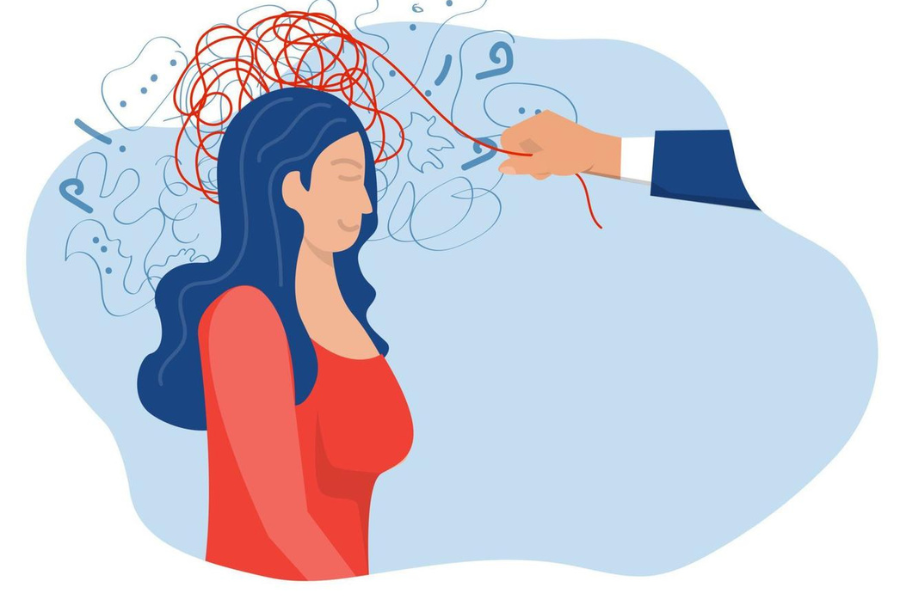
Why daily habits matter for emotional stability
When your mood feels unpredictable, it can be tempting to wait for motivation or a breakthrough moment. In reality, simple daily habits for emotional stability often do more to steady your mind than any single big change.
Healthy routines give your day a clear shape. They help you conserve energy, reduce decision fatigue, and make mental health care something you do automatically instead of something you have to constantly remember. Research shows that regular routines improve emotional well-being, especially for people living with depression and anxiety (Mental Health America).
You do not need a perfect schedule to benefit. You only need a few realistic, repeatable habits that fit your life.
Build a gentle daily structure
You may already have some structure through work, school, or caregiving. Emotional stability comes from adding a bit more intention to that existing framework, not from creating a rigid timetable.
How routines support your mood
A consistent daily routine can:
- Help you feel grounded and safe
- Reduce stress and mental clutter
- Make it easier to eat, sleep, and care for yourself
- Support recovery after a mental health crisis
Structured days that include therapy, rest, meals, recreation, and reflection provide a foundation for healing and make it easier to trust yourself again (The Pavilion at Williamsburg Place).
Start smaller than you think
If you are already struggling, an ambitious schedule can feel discouraging. Instead:
- Add one positive habit or remove one unhelpful habit per week
- Choose something that takes 5 to 15 minutes
- Plan when it will happen, for example: after breakfast or before bed
Starting with small steps creates real, lasting change in your daily habits for emotional stability (Mental Health America).
Create mood-friendly morning and evening routines
Your mornings and evenings bookend your day. A few predictable actions at these times can have an outsized impact on emotional steadiness.
A grounding morning routine
Aim for a morning that is calm instead of rushed. You can keep it simple:
- Wake up at roughly the same time each day, even on weekends
- Drink water before checking your phone
- Spend a few minutes on one mental health habit, such as journaling, breathing exercises, or a short walk
Planning ahead helps on busy days. For example, prepping breakfast, packing a bag, or choosing clothes the night before makes it easier to stick with your routine, even when you are short on time (Mental Health America).
A soothing evening wind-down
Good sleep is one of the most powerful daily habits for emotional stability. To support it:
- Aim for about 8 hours of sleep if possible
- Make your room cool, dark, and quiet
- Turn off bright screens 30 to 60 minutes before bed
- Do something relaxing, like reading, stretching, or gentle breathing
Practicing good sleep habits helps regulate your mood and supports long-term mental health (Mental Health America).
Use mindfulness to steady your thoughts
Mindfulness means paying close attention to the present moment without judging yourself. You notice sensations, feelings, and thoughts, and then let them pass instead of getting pulled into every story your mind tells.
Mayo Clinic notes that mindfulness exercises can reduce stress and improve emotional balance by redirecting your attention away from negative or racing thoughts that feed anxiety and depression (Mayo Clinic).
Simple mindfulness exercises you can use anywhere
You do not need a meditation cushion or a long block of free time. Try short, practical exercises like:
-
Five Senses Exercise
Notice: -
5 things you can see
-
4 things you can touch
-
3 things you can hear
-
2 things you can smell
-
1 thing you can taste
This quick scan pulls you out of your head and into your body, which supports emotional stability in stressful moments (PositivePsychology.com).
-
3-Minute Breathing Space
-
Minute 1: Notice what you are thinking and feeling, without trying to change anything.
-
Minute 2: Focus gently on your breathing.
-
Minute 3: Expand your awareness to your body and surroundings.
This tiny routine is especially helpful when you have a busy life and need something you can do between tasks (PositivePsychology.com).
- Outdoor sensory check-in
Step outside, notice the light, temperature, and sounds, and feel your feet on the ground. Outdoor mindfulness has particular benefits for emotional health (Mayo Clinic).
Build a consistent mindfulness habit
More structured practices, like body scan or sitting meditation, work best in a quiet space, often in the morning before your day starts (Mayo Clinic).
To make mindfulness a natural part of your emotional stability routine:
- Start with 3 to 5 minutes a day
- Attach it to an existing habit, such as brushing your teeth
- Gradually increase the time if it feels helpful
Practicing mindfulness daily for several months can make it feel more effortless and deepen your connection to your own emotional life (Mayo Clinic).
Make journaling your daily mental check-in
Journaling is more than “dear diary” entries. It is a tool that helps you understand what you feel, why you feel it, and what might help you move forward.
A large review of 20 randomized controlled trials found that journaling led to meaningful improvements in mental health symptoms, including anxiety and PTSD. Anxiety symptoms improved by about 9 percent and PTSD symptoms by about 6 percent in people who journaled compared with those who did not (PMC).
Why journaling stabilizes emotions
Regular writing can help you:
- Express thoughts and feelings safely
- Prioritize problems and worries
- Track symptoms and notice triggers
- Identify negative thought patterns and practice more supportive self-talk
The University of Rochester Medical Center notes that journaling can help manage stress, anxiety, and depression by giving you a structured way to process your inner world (URMC).
Make journaling low-pressure and sustainable
To turn journaling into one of your daily habits for emotional stability:
- Set a realistic time frame, such as 5 to 10 minutes a day
- Write or draw whatever comes to mind, without worrying about grammar or style
- Keep your journal private so you can be honest, which research suggests increases its benefits (PMC)
- Create a calming ritual around it, like writing with a cup of tea in a quiet spot (URMC)
Longer-term journaling, for more than 30 days, appears especially helpful for easing depressive symptoms (PMC). Think of it as a long conversation with yourself rather than a quick fix.
Move your body to support your mind
Your brain and body are closely linked. Regular movement is one of the most reliable daily habits for emotional stability because it affects brain chemicals like serotonin and endorphins that influence mood.
Mayo Clinic explains that physical activity boosts feel-good endorphins and distracts from daily worries, which can significantly lower stress (Mayo Clinic).
What kind of exercise works best
For most healthy adults, Mayo Clinic recommends:
- At least 150 minutes per week of moderate aerobic activity, such as brisk walking
- Or 75 minutes per week of vigorous activity, such as running or fast cycling
- Plus strength training at least twice per week to reduce the physical effects of stress (Mayo Clinic)
If those numbers feel intimidating, remember that you can build up gradually.
You can also combine exercise with mindfulness. Movement practices like yoga and tai chi have been shown to improve stress resilience and emotional regulation, with significant reductions in perceived stress and stress hormone levels in students who participated in mindfulness-based exercise programs (PMC).
Make movement small, frequent, and enjoyable
You do not need a gym membership to benefit. Consider:
- Ten-minute walks during breaks
- Climbing stairs instead of using an elevator
- Short “movement snacks” like a few squats or stretches between tasks
Even short bursts of activity can add up to better emotional stability over time (Mayo Clinic).
To help your exercise routine stick:
- Choose activities you actually like
- Set SMART goals: specific, measurable, attainable, realistic, and timely (Mayo Clinic)
- Respect your limits to avoid overtraining, which can lead to fatigue, irritability, and low mood in active people (PMC)
Social exercise, like walking with a friend or joining a class, can also reduce loneliness and increase your sense of support, both of which are important for emotional health (PMC).
Spend mindful time in nature
Nature is a powerful, accessible tool for emotional grounding. You do not need a forest to benefit. A small park, neighborhood trees, or even a balcony with plants can help.
Mental Health America notes that simple nature activities, such as walking, smelling flowers, or sitting by a tree, can help you feel calmer and more emotionally stable (Mental Health America).
You might try:
- A short daily “green break” outdoors
- Eating one snack or meal outside when the weather allows
- Combining nature time with mindfulness or light exercise
Even a few minutes of intentional time outside can reset your nervous system when your emotions feel heightened.
Calm your nervous system with breathing exercises
When you feel overwhelmed, your body often reacts before your mind can catch up. Your heart races, your muscles tighten, and your thoughts speed up. Gentle breathing exercises can interrupt this cycle and help your emotions settle.
Mental Health America recommends a simple pattern sometimes called box breathing:
- Inhale for 4 seconds
- Hold for 4 seconds
- Exhale for 4 seconds
- Hold for 4 seconds
Repeating this pattern a few times can calm your mind and ground your emotions (Mental Health America).
You can use this exercise:
- Before a stressful conversation
- When you feel anxiety building
- As part of your morning or bedtime routine
Over time, your body begins to associate this breathing pattern with safety, which can improve your emotional stability in challenging moments.
Protect your emotional health with basic self-care
Some of the most effective daily habits for emotional stability are also the simplest. They may not feel dramatic, but they create the conditions your brain and body need to function well.
Supportive daily choices
According to the University of Rochester Medical Center, emotional well-being improves when you combine journaling with other healthy habits, including:
- Eating balanced, nutrition-rich meals
- Getting regular exercise
- Prioritizing sleep
- Practicing daily relaxation or meditation
- Avoiding alcohol and drugs (URMC)
Mental Health America also highlights the value of connecting regularly with others. Spending time with loved ones or pets can lower stress hormones and boost your mood (Mental Health America).
When keeping a routine feels hard
Some days, even basic self-care can feel out of reach, especially if you live with depression or anxiety. On those days, it helps to shrink your expectations instead of giving up on yourself.
You might focus on just one or two “anchor” actions, such as:
- Taking a shower
- Eating something simple for breakfast
- Stepping outside for a few minutes
Returning to small, manageable actions can reconnect you with a sense of stability without asking you to be perfect (The Pavilion at Williamsburg Place).
Put it all together in a realistic plan
You do not need to adopt every habit at once. In fact, trying to overhaul your entire life overnight often backfires. A gentler, more realistic approach is more likely to support emotional stability in the long run.
A sample “starter” routine
You can use this as inspiration and adapt it to your situation:
-
Morning
-
Wake up at a consistent time
-
Drink water and take 3 minutes for mindfulness or breathing
-
Do 5 to 10 minutes of journaling or stretching
-
Daytime
-
Take one 10-minute walk, preferably outdoors
-
Use the Five Senses Exercise or 3-Minute Breathing Space when stress spikes
-
Evening
-
Eat a simple, balanced meal if possible
-
Limit screens 30 minutes before bed
-
Write a few lines about your day or note three things you are grateful for
-
Aim for a regular bedtime in a cool, dark, quiet room
Once these pieces feel comfortable, you can add new habits or adjust the ones you have.
Give yourself permission to adjust
Emotional stability does not mean you never feel sad, anxious, or overwhelmed. It means you have tools and routines that help you move through those feelings with a bit more steadiness.
Some days your routine will go smoothly. Other days you might only manage one small habit. Both are part of the process.
If you feel stuck, or if symptoms like depression, anxiety, or trauma reactions are making it hard to function, consider reaching out to a mental health professional. Support can make building and maintaining daily habits feel more doable and less lonely.
Even one small action today counts. Whether you take a short walk, try a breathing exercise, or write a few honest sentences in a journal, you are already practicing daily habits for emotional stability that can work wonders over time.
About the Author