Understand what emotional regulation is
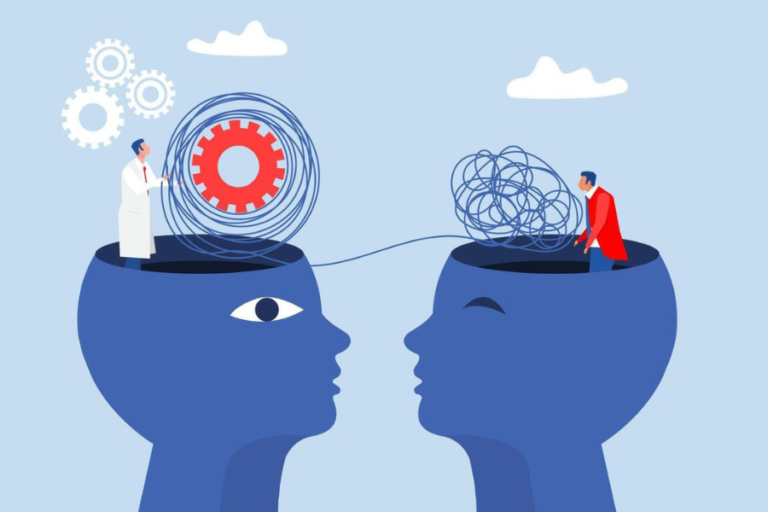
When you think about emotional regulation techniques, you might picture trying to stuff down your feelings or stay calm at all costs. In reality, emotional regulation is not about ignoring emotions. It is about noticing what you feel, understanding where it comes from, and choosing how to respond in a way that fits your values and long term goals.
Researchers describe emotional regulation as your ability to influence which emotions you feel, when you feel them, and how you experience or express them (PositivePsychology.com). This can be conscious, like taking a walk to cool off after an argument, or more automatic, like feeling a wave of relief after a deep breath.
Emotional regulation is closely linked to self regulation, which involves managing your thoughts, behaviors, impulses, and choices, not just your feelings (Harvard Health Publishing). In practice, this means you still feel anger, sadness, or anxiety, but you are less likely to say something you regret, shut down completely, or turn to unhealthy coping habits.
Over time, building these skills can:
- Lower daily stress and anxiety
- Improve your relationships and communication
- Support healthier habits like exercise, sleep, and nutrition
- Increase your sense of control and resilience
Notice how you experience emotions
Before any emotional regulation technique can work, you need a basic sense of how emotions show up for you. This kind of self awareness is sometimes called metacognitive awareness, or simply noticing your internal experience in real time (American Journal of Lifestyle Medicine).
Common signs you are getting overwhelmed
Pay attention to patterns like:
- Physical signals
- Tight chest, racing heart, clenched jaw, stomach knots
- Thought patterns
- “This always happens.”
- “I cannot handle this.”
- “They are doing this on purpose.”
- Behaviors
- Snapping at people
- Shutting down or withdrawing
- Scrolling endlessly or using substances to numb out
You do not need to fix anything at this stage. Your only job is to notice:
“I am feeling something big right now. My heart is racing. My thoughts are spinning.”
Simply being aware that you are in an emotional state slows down automatic reactions and creates room for choice.
Use quick calming techniques in the moment
When emotions spike, your brain shifts into survival mode. Fast, simple emotional regulation techniques can help you calm your nervous system enough to think clearly again.
Try the Stop Breathe Reflect Choose method
Harvard Health highlights a four step strategy for self regulation that you can use almost anywhere: Stop, Breathe, Reflect, Choose (Harvard Health Publishing).
- Stop
- Notice that you are triggered or overwhelmed.
- Do not send the text, hit reply, or walk away abruptly just yet.
- Breathe
- Take 3 to 5 slow breaths.
- Inhale through your nose for a count of 4.
- Exhale slowly through your mouth for a count of 6.
- Reflect
- Ask yourself:
- “What exactly am I feeling right now?”
- “What is the real problem I am trying to solve?”
- “What do I want this situation to look like in an hour or a day?”
- Choose
- Pick one small, constructive response. For example:
- “I am going to step outside for five minutes.”
- “I am going to say, ‘I need a little time to think about this.’”
- “I am going to write this message and send it after I reread it later.”
Using this method regularly trains your brain to pause and respond instead of reacting on autopilot.
Practice simple breathing exercises
Deep, intentional breathing can trigger your parasympathetic nervous system, the part of your body that supports rest and recovery. This helps shift you out of “fight or flight” and into a calmer state (PositivePsychology.com).
Try one of these when you feel keyed up:
-
4–6 breathing
-
Inhale for 4 counts.
-
Exhale for 6 counts.
-
Repeat for 1 to 3 minutes.
-
Box breathing
-
Inhale for 4 counts.
-
Hold for 4 counts.
-
Exhale for 4 counts.
-
Hold for 4 counts.
-
Repeat several times.
The goal is not to erase the emotion. It is to steady your body so you can work with the emotion more effectively.
Build a regular mindfulness habit
Mindfulness plays a central role in emotional regulation techniques taught in therapies like Dialectical Behavior Therapy (DBT) and Acceptance and Commitment Therapy (ACT) (American Journal of Lifestyle Medicine). It is also a core strategy for self regulation in everyday life (Harvard Health Publishing).
Mindfulness simply means paying attention to the present moment, including your thoughts and feelings, without judging them as good or bad.
A 5 minute mindfulness practice to try
You can start with a short daily practice:
- Sit in a comfortable position.
- Close your eyes or soften your gaze.
- Notice your breath moving in and out.
- When your mind wanders, gently bring it back to your breath.
- If you notice a feeling, name it quietly, for example, “anxiety is here,” then return to the breath.
Even 5 to 10 minutes a day of this kind of breath focused mindfulness can improve emotional regulation and overall mental health over time (American Journal of Lifestyle Medicine).
You can also weave mindfulness into daily tasks, like:
- Noticing the sensation of water when you wash your hands
- Feeling your feet on the ground while you wait in line
- Taking one mindful breath before you answer a phone call or email
The more familiar you become with your internal world, the less frightening intense emotions tend to feel.
Reframe your thoughts with cognitive strategies
Your thoughts and emotions constantly influence each other. If your thinking is distorted or overly negative, your emotional reactions usually spike. Cognitive strategies help you identify and adjust unhelpful thoughts so you can regulate your feelings more effectively.
Identify and label what you are feeling
First, practice naming emotions as clearly as you can. Instead of “I feel bad,” try:
- “I feel disappointed.”
- “I feel embarrassed.”
- “I feel lonely.”
- “I feel afraid I will fail.”
Labeling emotions is a key part of many cognitive behavioral strategies and is linked to better self regulation (Harvard Health Publishing). It helps your brain move from a vague sense of distress to something you can understand and address.
Use cognitive reappraisal
Cognitive reappraisal, a core tool in Cognitive Behavioral Therapy (CBT), involves looking at a situation from a new angle and finding a more balanced thought. It does not mean pretending everything is fine. It means telling the whole story, not just the worst part.
When you notice a strong emotion, try this:
- Write down the triggering situation.
- “My friend did not text me back all day.”
- Write down your first thoughts.
- “They are mad at me.”
- “I must have done something wrong.”
- Look for distorted thinking.
Ask yourself:
- “Am I assuming the worst?”
- “Do I have facts to prove this?”
- “Is there another possible explanation?”
- Create a more balanced thought.
- “It is possible they are busy or having a hard day.”
- “If there is a problem, we can talk about it.”
- Notice how your feelings shift.
You might still feel uneasy, but less overwhelmed or panicked.
Cognitive reappraisal is one of several evidence based emotional regulation techniques shown to improve resilience and quality of life (PositivePsychology.com).
Take action with behavioral activation
Sometimes the more you think about your emotions, the more stuck you feel. Behavioral activation focuses on action first. It is an emotion regulation technique that encourages you to engage in activities that support a healthier mood, even if you do not feel motivated at the start.
According to research, behavioral activation can help break cycles of depression and anxiety by nudging you toward small, positive behaviors like movement, social connection, and skill building (American Journal of Lifestyle Medicine).
Pick small mood friendly actions
Consider choosing one or two actions from this list when you notice your mood dipping:
- Take a 10 minute walk outside
- Text or call someone you trust
- Do a simple household task you have been avoiding
- Prepare a basic, nourishing meal or snack
- Take a shower and change into clean clothes
- Spend 10 minutes on a hobby or learning something new
You can think of these as “votes” for the version of you that cares about your mental health, even on hard days. The goal is not to force happiness, but to gently shift your environment so your emotions have a chance to move.
Use mindfulness based therapies as a guide
If you work with a therapist, you may encounter structured approaches that combine emotional regulation techniques into comprehensive systems. Three of the most widely used are Cognitive Behavioral Therapy (CBT), Dialectical Behavior Therapy (DBT), and Acceptance and Commitment Therapy (ACT).
Dialectical Behavior Therapy (DBT) skills
DBT was designed specifically to help with emotion dysregulation and intense, rapidly shifting feelings. It teaches skills in four main areas:
-
Mindfulness
Staying present and aware, instead of getting swept away by emotions. -
Distress tolerance
Handling painful feelings or situations without making them worse, for example, using self soothing or distraction. -
Emotion regulation
Understanding your emotional patterns and using practical tools to change them. -
Interpersonal effectiveness
Communicating needs, setting boundaries, and maintaining relationships.
DBT also introduces the idea of a “Wise Mind,” a balanced state that integrates emotion and reason so you can make choices that feel both grounded and authentic (American Journal of Lifestyle Medicine).
Acceptance and Commitment Therapy (ACT) principles
ACT focuses on psychological flexibility, or your ability to stay present, accept internal experiences, and take action based on your values. Instead of trying to eliminate uncomfortable thoughts and feelings, you practice:
-
Acceptance
Allowing emotions to be there, without fighting or suppressing them. -
Defusion
Noticing thoughts as mental events, not absolute truths. -
Values clarification
Getting clear about what matters most to you in life. -
Committed action
Taking steps that align with your values, even when emotions are intense.
ACT has strong evidence for helping with chronic pain, anxiety, and other long term challenges (American Journal of Lifestyle Medicine). Its skills can support you in staying grounded and purposeful, even when your inner world feels unsettled.
Understand why emotional regulation is challenging
If you struggle with emotional regulation, it is not a personal failing. There are many reasons these skills might feel hard, and often they are tied to experiences outside your control.
Research highlights several common challenges (Greater Boston Behavioral Health):
-
Past trauma
Traumatic experiences can shape how your brain and body respond to stress, making you more sensitive to perceived threats. -
Chronic stress
Long term stress can keep your nervous system on high alert, so even small triggers feel overwhelming. -
Mental health conditions
Conditions like borderline personality disorder (BPD) and generalized anxiety disorder (GAD) often involve emotion dysregulation. -
Family modeling
If you grew up around explosive anger, emotional shutdown, or constant criticism, you may not have seen healthy regulation in action (Gottman Institute).
Recognizing that there are understandable reasons behind your patterns can reduce shame and make it easier to seek support.
Consider structured support and therapy
You do not have to build emotional regulation skills alone. Many mental health programs are designed to help you learn, practice, and apply these techniques in daily life.
For example, Intensive Outpatient Programs (IOP) and Partial Hospitalization Programs (PHP) often include:
- Individual therapy using CBT, DBT, or ACT
- Group sessions where you practice skills like mindfulness, distress tolerance, and cognitive restructuring
- Support in applying emotional regulation techniques to real world situations (Greater Boston Behavioral Health)
Therapy can be especially helpful if:
- Your emotions feel out of control or unpredictable
- You often act in ways you regret when you are upset
- You are living with conditions like BPD, PTSD, depression, or anxiety
- You rely on substances or other risky behaviors to cope
A therapist can help you tailor strategies that fit your history, strengths, and current challenges, and can guide you step by step as you practice.
Take small, sustainable steps
Emotional regulation is a skill set, not a personality trait. Like any skill, it improves with repetition, feedback, and patience. Neuroplasticity research shows that your brain can actually rewire itself as you practice new ways of responding to emotions and stress (PositivePsychology.com).
To keep things manageable, you might:
- Choose one technique to focus on for a week, such as Stop Breathe Reflect Choose
- Add a 5 minute mindfulness practice to your morning or evening
- Pick one small behavioral activation task when you notice your mood sinking
- Write down one unhelpful thought each day and practice finding a more balanced alternative
You do not need to transform your emotional life overnight. Each small, consistent step helps you build a calmer, more flexible relationship with your feelings, and over time, those steps add up to real change.
About the Author