Understand workouts while intermittent fasting
If you are curious about workouts while intermittent fasting, you are not alone. Many people want to know if they can lift weights, run, or do HIIT while eating within a set window and still lose weight, gain muscle, and feel energized.
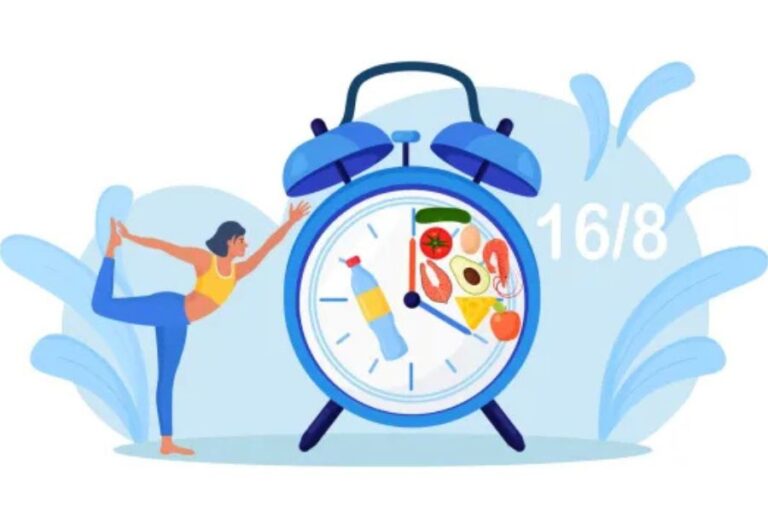
Intermittent fasting typically means cycling between eating and fasting periods, such as a 16:8 schedule where you fast for 16 hours and eat within an 8 hour window (Health Hub). During the fasting window your body relies more on stored energy like glycogen and body fat to fuel movement.
For busy people, this approach can be appealing because you are already juggling work, family, and a full calendar. Planning meals and workouts inside a simple fasting structure can actually make your routine feel more predictable instead of more complicated.
What intermittent fasting can and cannot do
When you train during intermittent fasting you can:
- Support fat loss by encouraging your body to use stored fat for energy (PMC – NCBI)
- Maintain or even build lean muscle if you lift consistently and eat enough protein and calories in your eating window (Centr, Versa Gripps)
- Improve insulin sensitivity and support healthier blood sugar control (Prospect Medical)
However, intermittent fasting is not magic. If you regularly undereat, skimp on protein, or push through very hard workouts without recovery, you are more likely to feel drained and stall your progress. The goal is to pair your fasting schedule with realistic, powerful workouts that fit into your life.
Pick an intermittent fasting schedule that fits your day
Before you plan workouts while intermittent fasting, choose a structure that actually works with your job, commute, and family time. The best schedule is the one you can stick with most days.
Common intermittent fasting methods
Researchers and coaches often refer to three main intermittent fasting styles for active people (Centr):
| Method | How it works | Good fit if you… |
|---|---|---|
| 16:8 | Fast 16 hours, eat within 8 hours each day | Prefer a daily routine and consistent meals |
| 5:2 | Eat normally 5 days, restrict calories on 2 nonconsecutive days | Have flexible weekdays and like variety |
| Fast 800 | 800 calories per day for about 2 weeks within 8 to 12 hours | Want a short, focused reset with guidance |
For most busy people, a simple 16:8 schedule is easiest. For example, you might:
- Fast from 8 pm to 12 pm
- Eat between 12 pm and 8 pm
- Place your workout around 12 pm to 6 pm so at least one full meal can surround your training
There is no single method that wins for muscle gain or fat loss in every study. The key factor is whether you can place your workouts and meals in a way that supports performance and recovery.
How to match your workout time to your fasting window
You have three basic options when you organize workouts while intermittent fasting:
- Train at the start of your eating window
- Train in the middle of your eating window
- Train toward the end of your fasting window
Each has pros and cons.
Training at the start of your eating window
Many people feel their best if they work out when their eating window opens, for example doing a lunchtime workout in a 16:8 schedule.
Benefits:
- You can eat a solid pre workout snack shortly before training
- You can enjoy a full meal soon after your session to replenish glycogen and support muscle repair (Prospect Medical)
- Energy often feels higher compared with long fasted training
This option works nicely for office workers, parents, or students who can block out a midday or early evening session.
Training fully fasted
You might also choose to work out before breakfast or during the fasting window, such as early morning before work. Research shows that fasted exercise increases lipolysis, which means your body breaks down fat and uses more of it for fuel (PMC – NCBI).
Fasted training can:
- Support fat utilization and body composition improvements
- Align with hormonal shifts that boost growth hormone and insulin sensitivity (Prospect Medical)
At the same time, you may feel:
- Reduced strength during heavy lifting or intense cardio, especially before your body adapts
- A drop in workout intensity if you try to maintain your usual pace or load (24 Hour Fitness)
If you do heavy weight lifting while still fasting, plan to eat soon after your session to support muscle recovery and glycogen replenishment (Prospect Medical).
Training in the middle of your eating window
This is the most forgiving option for many people, especially if you are newer to intermittent fasting. You can:
- Eat a light pre workout meal
- Train with reasonable intensity
- Follow up with a balanced meal and snack before your eating window closes
If your schedule allows a mid afternoon or early evening workout, this timing can provide the most consistent energy.
Choose workout types that work with fasting
You do not have to overhaul your entire routine when you start intermittent fasting, but certain kinds of workouts will feel better at different times of day.
Low to moderate intensity cardio
Walks, easy cycling, casual swimming, or light jogging pair well with fasting. A review found that aerobic exercise in the fasted state increases fat oxidation, which simply means your body relies more on fat for energy (PMC – NCBI).
If your goal is steady health and weight loss, aim for:
- 30 to 60 minutes of low to moderate intensity cardio
- 3 to 5 days per week, depending on your schedule (Health Hub)
You can do these sessions fasted or fed. If you feel lightheaded or unusually tired, it is a sign to slow the pace or move them closer to your eating window.
Strength training while intermittent fasting
Resistance training is what helps you maintain and build muscle while you are fasting and losing fat. The research is encouraging. A systematic review of eight trials combining intermittent fasting with resistance training found that lean body mass was maintained and in many cases fat loss improved at the same time (Versa Gripps).
Across these studies:
- People lifted 3 to 4 days per week with standard bodybuilding style routines
- Muscle was preserved, and several groups lost fat
- Performance stayed stable when protein and calories were sufficient
In other words, intermittent fasting does not automatically cause muscle loss if you lift consistently and eat enough.
For busy people, focus on compound movements that give you the most results in the least time:
- Squats or leg presses
- Deadlifts or hip hinges
- Lunges or step ups
- Push ups or bench presses
- Rows or pull downs
You can keep strength sessions to 30 to 45 minutes and still see progress if you stay focused and increase weight or reps gradually.
If you prefer to lift while fasting, be aware that short term strength may feel lower and it becomes even more important to eat right after your session to support muscle repair (Prospect Medical).
HIIT and sprint training
High intensity interval training and sprint workouts can be powerful tools when you are short on time. Prospect Medical notes that HIIT and sprint training during intermittent fasting can:
- Boost human growth hormone and testosterone
- Improve brain function and mood
- Heighten fat burning, especially if you continue fasting for 2 to 3 hours afterward (Prospect Medical)
However, these sessions are demanding. If you try to pair intense HIIT with long fasting windows too often, you may feel drained or notice sleep and recovery suffer. Start with 1 session per week, then build up only if you feel strong.
For endurance athletes, research suggests caution. Very long or high intensity endurance training while fasted may not boost performance or fat oxidation significantly and can make hard sessions feel much tougher (PMC – NCBI). Avoid switching to fasted training shortly before major events.
Use nutrition to support your workouts
Intermittent fasting works best when your eating window still covers your basic calorie and protein needs. Skipping meals entirely or eating mostly snacks will leave you tired and may cost you muscle over time.
Get enough protein for muscle
Multiple sources highlight that protein intake is the single biggest nutrition factor in keeping and building muscle during intermittent fasting (Centr, Versa Gripps).
Helpful guidelines:
- Aim for a solid source of protein at each meal
- Try to include 25 to 30 grams of high quality protein every few hours during your eating window
- Spread your intake across 2 to 3 meals rather than cramming everything into one giant meal
This regular protein pattern gives your muscles repeated opportunities to repair and grow, even though your total eating time is shorter.
Plan pre and post workout meals
You do not have to eat large, complex meals around every workout, but a small amount of fuel at the right time can make a big difference.
If you train near the start or middle of your eating window, consider:
-
Pre workout:
-
A piece of fruit plus a handful of nuts
-
Yogurt with berries
-
Toast with peanut butter
-
Post workout:
-
A meal that includes lean protein, some carbohydrates, and a bit of healthy fat
-
For example, grilled chicken with rice and vegetables or tofu with quinoa and stir fried vegetables
If you train while fully fasted:
- Keep intensity moderate at first, especially for cardio
- Bring a meal or snack to eat soon after you finish if your eating window opens shortly afterward
- Pay attention to dizziness or shaking, which signals you may need to adjust timing or intensity (Health Hub)
Research on fasted cardio suggests that although you may burn more fat during the workout itself, total fat use over 24 hours can be similar when compared with eating beforehand. People who eat before training tend to burn more fat during the recovery period (24 Hour Fitness). The takeaway is that both approaches can work. Choose the one that fits your energy and schedule.
Hydration and electrolytes
Fasting does not mean you skip fluids. You still need water throughout the day. To feel your best in workouts while intermittent fasting:
- Drink water consistently during your fasting and eating windows
- Include a pinch of salt in meals or use low sugar electrolyte drinks if you sweat heavily
- Watch for signs of dehydration such as dark urine, headaches, or sudden fatigue
Build a weekly workout plan that fits a busy schedule
To make intermittent fasting practical, combine it with a simple weekly structure. You do not need long gym sessions every day.
Here is an example of how you might organize your week on a 16:8 schedule with a 12 pm to 8 pm eating window:
Sample weekly schedule
-
Monday:
-
Lunchtime: 35 minute full body strength session
-
Focus on squats, push ups, rows, and planks
-
Tuesday:
-
Morning: 30 minute brisk walk fasted
-
Afternoon: light stretching
-
Wednesday:
-
Late afternoon: 20 to 25 minute HIIT workout
-
Alternate 30 seconds of faster effort with 90 seconds of easy movement
-
Thursday:
-
Rest or gentle yoga
-
Friday:
-
Lunchtime: 35 minute full body strength session
-
Focus on deadlifts or hip hinges, lunges, overhead presses, and core work
-
Saturday:
-
Morning or afternoon: 40 to 60 minutes of easy cycling, hiking, or swimming
-
Sunday:
-
Rest or casual walk
You can shift this template around your own work days and family responsibilities, but the core ideas are:
- Two or three strength sessions each week
- One or two higher intensity cardio sessions, if you tolerate them well
- One or two longer easy cardio sessions
- At least one rest day
This structure supports fat loss and health while helping you maintain muscle on an intermittent fasting plan.
Stay safe and listen to your body
Intermittent fasting with exercise is safe for most healthy adults, but it is not right for everyone. As you explore workouts while intermittent fasting, keep a close eye on how you feel week to week.
Signs you may need to adjust
Consider changing your schedule, eating window, or workout intensity if you notice:
- Persistent dizziness or lightheadedness during or after exercise
- Unusual irritability, sleep problems, or headaches
- A sharp drop in performance that lasts more than a week
- Constant soreness that does not improve with rest
Sometimes small shifts help a lot, such as moving heavy lifts into your eating window or adding a bit more carbohydrate around intense days.
Who should be cautious
Intermittent fasting and fasted training are not recommended if you:
- Are pregnant or breastfeeding
- Have a history of eating disorders
- Take medications that must be taken with food on a specific schedule
- Have certain medical conditions that affect blood sugar regulation
If you have any medical concerns, talk with your doctor before starting intermittent fasting or changing your workout routine.
Key takeaways for busy people
When you see workouts while intermittent fasting as a flexible framework rather than a rigid rulebook, it becomes much easier to fit into a busy life. Here is a quick summary you can keep in mind:
- Intermittent fasting can support fat loss and better insulin sensitivity and it can maintain muscle if you lift and eat enough protein.
- You can schedule workouts at the start, middle, or end of your eating window. Choose the time that gives you steady energy and reliable recovery.
- Low and moderate intensity cardio work well in a fasted state. Heavy lifting and HIIT usually feel better when they sit closer to your eating window.
- Aim for regular strength training, higher protein meals, and simple pre and post workout snacks. These three pieces matter more than the exact fasting schedule.
- Pay attention to lightheadedness, extreme fatigue, or poor sleep and adjust your plan instead of pushing through.
Start small, perhaps with one or two workouts per week timed to your eating window, and build from there. Intermittent fasting can be a useful tool, but your long term consistency with food, movement, and rest will move you toward your goals most of all.
About the Author