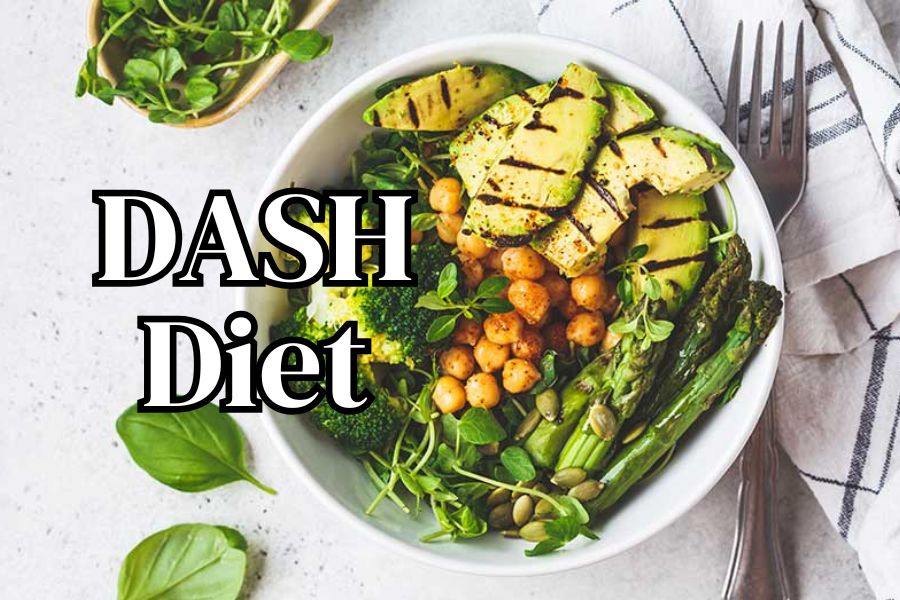
A balanced DASH diet menu is one of the most practical ways to support healthy blood pressure while still eating satisfying meals. Instead of relying on special foods or strict rules, the DASH eating plan focuses on daily and weekly goals that you can fit into your normal routine (NHLBI). If you are looking for a way to lose weight and improve heart health without feeling deprived, building a simple DASH diet menu is a smart place to start.
Below, you will learn what the DASH diet is, how to structure your day, and how to turn those guidelines into easy, realistic meals.
Understand what the DASH diet is
DASH stands for Dietary Approaches to Stop Hypertension. It is a healthy eating pattern designed to help treat or prevent high blood pressure by lowering salt intake and emphasizing nutrients like potassium, calcium, magnesium, protein, and fiber (Mayo Clinic).
Instead of a short-term “diet,” you can think of the DASH diet as a long-term template. Your plate is built around vegetables, fruits, and whole grains, with moderate portions of lean protein and low-fat or nonfat dairy on the side (Mayo Clinic). Highly processed foods, sugary treats, and salty snacks move into the “sometimes” category instead of being daily staples.
The plan is designed around a 2,000 calorie per day pattern, but you can adjust portion sizes up or down with the help of a health care professional or dietitian to match your own calorie needs (Mayo Clinic).
Learn the basic DASH food groups
Before you build a DASH diet menu, it helps to understand the key food groups and how often they show up in your day. The National Heart, Lung, and Blood Institute offers daily and weekly targets so you can see what a typical 2,000 calorie pattern looks like without buying special products or supplements (NHLBI).
On a standard 2,000 calorie DASH diet menu, your day usually includes (Verywell Health):
- Vegetables
- Fruits
- Whole grains
- Low-fat dairy
- Lean meats, poultry, or fish
- Nuts, seeds, and legumes (several times per week)
- Small amounts of added fats and limited sweets
Salt intake is capped at 2,300 milligrams per day, or about 1 teaspoon of table salt, and often lowered to around 1,500 milligrams for an even stronger blood pressure benefit (Verywell Health, NHLBI).
What matters most is that you regularly choose nutrient dense foods that are high in fiber, potassium, magnesium, calcium, and protein, and that you keep sodium and added sugars in check (Verywell Health).
See how a sample day can look
When you first read the guidelines, they can sound abstract. Putting them into an actual day makes the DASH diet feel more manageable.
Here is an example of how a 2,000 calorie style day might be structured based on typical DASH patterns from resources like the Mayo Clinic sample menus (Mayo Clinic) and Verywell Health (Verywell Health):
| Meal | Example idea |
|---|---|
| Breakfast | Oatmeal cooked with low-fat milk, topped with sliced banana and walnuts |
| Mid-morning | A small apple and a few baby carrots |
| Lunch | Turkey medallions with a tomato salad, whole grain roll, and a side of fruit |
| Afternoon snack | Plain yogurt with berries or a small handful of nuts |
| Dinner | Spiced salmon or grilled tilapia with pineapple salsa, quinoa, and broccoli |
| Evening treat | A small square of dark chocolate or a serving of fresh fruit |
Recipes like overnight oatmeal, edamame salad with sesame ginger dressing, quinoa stuffed or “unstuffed” peppers, and simple seafood dishes fit well within DASH goals and keep your meals interesting (Taste of Home).
You can use a layout like this as a loose template, then swap in foods you already enjoy as long as they match the main categories.
Focus on sodium without obsessing
Sodium is a key part of any effective DASH diet menu, but you do not have to count every grain of salt to make progress. Your main goal is to stay below 2,300 milligrams of sodium per day, and many people benefit from lowering that to 1,500 milligrams if recommended by their health care team (NHLBI).
You can lower sodium by:
- Cooking more meals at home so you control seasonings
- Using herbs, citrus, garlic, and spices in place of salt
- Choosing fresh or frozen vegetables instead of canned, or rinsing canned options
- Comparing nutrition labels and picking lower sodium broths, sauces, and breads
- Limiting high salt foods like processed meats, canned soups, frozen dinners, pizza, and salty snacks (Verywell Health)
If you are shifting from a very salty diet, your taste buds might need a couple of weeks to adjust. Over time, you will likely notice that less salty foods start to taste just right, and heavily salted items become overwhelming.
Choose foods that work for weight loss
If weight loss is one of your goals, a DASH diet menu can help by filling your plate with high volume, lower calorie foods. Vegetables, fruits, and whole grains are naturally rich in fiber and water, which makes them more satisfying per bite. Lean protein and low-fat dairy add staying power so you feel full longer.
Because DASH does not eliminate any major food group, you can tailor your portions to your calorie needs. A dietitian or health care professional can help you adjust the standard 2,000 calorie layout if you need a different target (Mayo Clinic).
As you plan, you can:
- Fill half your plate with non starchy vegetables at lunch and dinner
- Choose whole grains like oats, brown rice, and quinoa instead of refined white bread or pasta
- Pick lean proteins such as skinless poultry, fish, beans, or lentils more often than fatty cuts of red meat
- Keep sweets and sugary drinks as occasional extras rather than everyday habits (Verywell Health)
These choices help you create a small calorie deficit while still getting the nutrients that support overall health and blood pressure.
Include heart healthy fats and plant foods
A balanced DASH diet menu does not cut out fat completely. Instead, you shift toward healthier unsaturated fats and plant based foods that support your heart.
The DASH pattern encourages (Verywell Health):
- Olive oil and soft, non hydrogenated margarine instead of butter or lard
- Nuts, seeds, and nut butters in modest amounts several times per week
- Beans, lentils, peas, and other legumes as regular protein sources
These foods contribute fiber, magnesium, and healthy fats that can help lower LDL, or “bad,” cholesterol, when you use them in place of saturated fats from full fat dairy or heavily marbled meats.
You also gain extra variety in your meals. For example, you might:
- Top oatmeal with a spoonful of peanut butter and sliced fruit
- Add chickpeas or black beans to salads and grain bowls
- Sprinkle sunflower seeds or pumpkin seeds on roasted vegetables
Small shifts like these add up when you repeat them day after day.
Plan around your lifestyle and preferences
The most effective DASH diet menu is the one you are willing to follow most days of the week. You do not need to copy a sample menu exactly. Instead, you can treat the official serving tables and worksheets as a framework and then plug in foods you actually like (NHLBI).
If you prefer simple, repeatable meals, you might:
- Eat similar breakfasts Monday through Friday, like overnight oats or whole grain toast with fruit
- Rotate two or three easy lunches, such as a turkey and veggie wrap or a bean and grain bowl
- Cook a large batch of whole grains or roasted vegetables on the weekend to mix and match at dinner
If you enjoy cooking, you can explore recipe collections designed for the DASH diet, like the 50 recipe roundup that includes options such as quinoa unstuffed peppers, edamame salad, and heart healthy seafood dishes (Taste of Home).
When you eat out, you can still stay close to your goals by choosing grilled or baked proteins, asking for sauces on the side, prioritizing vegetables, and watching for high sodium menu items like soups, cured meats, and fried foods.
Pay attention to drinks and alcohol
What you drink can either support or work against your DASH efforts. Sugary drinks add calories without much nutrition, and heavy alcohol use is linked with higher blood pressure.
If you drink alcohol, guidelines suggest no more than two drinks per day for men and one drink per day for women (Verywell Health). You may decide that drinking less than that, or not at all, fits better with your blood pressure and weight loss goals.
Most of the time, you can choose:
- Water, still or sparkling
- Unsweetened tea or coffee
- Low-fat or nonfat milk within your daily dairy allowance
These choices help you stay hydrated without adding extra sodium or sugar to your day.
Use tools and support to stay consistent
Getting started with a DASH diet menu is one step. Staying consistent is what brings long term benefits. Fortunately, you do not have to piece everything together alone.
The National Heart, Lung, and Blood Institute provides worksheets and tables that let you compare your current eating pattern to DASH targets, then plan your daily and weekly servings more easily (NHLBI). Mayo Clinic also offers sample three day menus built around 2,000 calories so you can see how a full set of meals might look in real life (Mayo Clinic).
You can bring these tools to a visit with your health care provider or a registered dietitian and ask for help tailoring the plan to your calorie needs, blood pressure goals, and any other health conditions you might have (Mayo Clinic).
If the idea of changing everything at once feels overwhelming, you can start with one or two shifts, such as:
- Adding a fruit or vegetable to every meal
- Swapping one high sodium processed food for a homemade alternative
- Cooking fish once a week instead of choosing red meat
Over time, these small changes stack up. The DASH diet has repeatedly been recognized as one of the best overall and best heart healthy patterns available, which reflects how well it can support long term health when you follow it consistently (NHLBI, Taste of Home).
If you start today by planning tomorrow’s breakfast or lunch around DASH principles, you will already be on your way toward a more balanced menu and better cardiovascular health.
About the Author