Understand intermittent fasting for seniors
Intermittent fasting for seniors is less about strict dieting and more about choosing when you eat. Instead of grazing from morning to night, you give your body regular breaks from food. During those fasting periods, your system can shift from using mainly glucose for fuel to burning stored fat, which may support weight loss and healthier blood sugar levels (Nutrients).
For older adults, intermittent fasting usually means:
- Eating all your meals in a consistent daily window, such as 12 hours
- Avoiding long stretches without food that can leave you shaky or weak
- Working closely with your doctor to make sure any schedule you choose fits with your medications and health needs
The goal is not to eat as little as possible. It is to create a simple, sustainable rhythm that supports your energy, digestion, and long‑term health.
Explore common intermittent fasting methods
Intermittent fasting comes in several formats. Some are far more appropriate for seniors than others. Experts describe three main types (Harvard Health Publishing):
Time restricted eating (daily schedule)
With time restricted eating, you eat within the same block of hours every day and fast the rest of the time.
Common examples include:
- 12:12: Eat for 12 hours, fast for 12 hours, for example 7 a.m. to 7 p.m.
- 14:10: Eat for 10 hours, fast for 14 hours, for example 8 a.m. to 6 p.m.
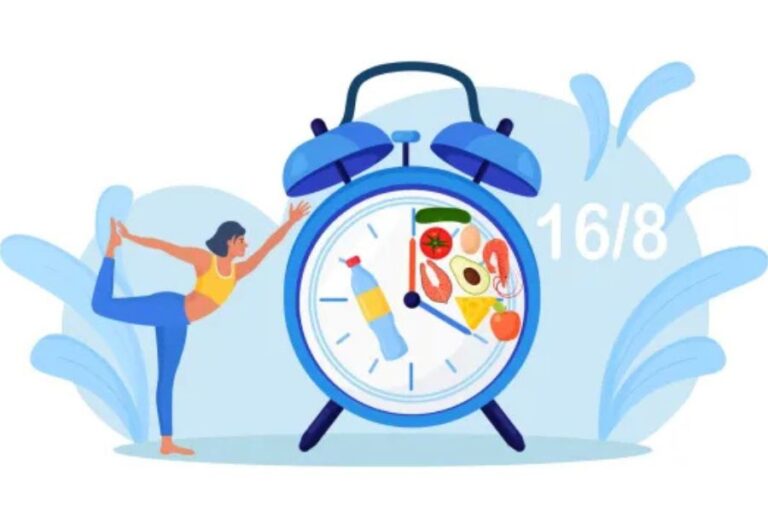
- 16:8: Eat for 8 hours, fast for 16 hours, for example 10 a.m. to 6 p.m.
For older adults, a gentle schedule like 12:12 is often considered the most manageable and age friendly. It allows three balanced meals, lines up well with your natural day, and still gives your body overnight rest (Pegasus Senior Living).
More restrictive windows such as 16:8 or 20:4 can make it hard to eat enough protein, fiber, and vitamins, which you need even more as you age.
5:2 intermittent fasting
The 5:2 approach means:
- 5 days a week, you eat as you normally would
- 2 nonconsecutive days a week, you significantly reduce calories
In many versions of 5:2, people eat about one quarter of their usual calories on fasting days. Research in adults aged 55 to 70 found that a 5:2 plan led to more weight loss than a typical healthy diet, and those who followed it performed better on memory and thinking tests (AARP).
However, because those low‑calorie days can be intense, this pattern is not ideal for many seniors, especially if you manage diabetes, take medications with food, or have a history of low blood sugar.
Alternate day fasting
Alternate day fasting means you switch between:
- One day of eating normally
- One day of very low calories or complete fasting
Studies in people with overweight or obesity show that alternate day fasting can lead to noticeable weight loss without major changes in bone density in the short term (PMC). Still, this method can be tiring and socially awkward, and it has a higher risk of leaving you underfueled. For older adults, daily gentle time restricted eating is usually a safer, more realistic choice.
Recognize potential benefits for seniors
When you tailor intermittent fasting for seniors carefully, research suggests you may see several health benefits. Keep in mind that your experience will be personal, and benefits usually build gradually over time.
Support healthy weight and body composition
Regular fasting windows can make it easier to reduce total calories without counting every bite. In studies of adults with extra weight, methods such as alternate day fasting, 5:2, and time restricted eating produced modest but meaningful weight loss, often in the 3 to 8 percent range over a few months (Nutrients, Pegasus Senior Living).
After about 12 hours without food, your body begins to switch from primarily burning glucose to using fatty acids and ketones for energy. This metabolic switch helps mobilize stored fat and may preserve muscle mass when you eat enough protein and stay active (Nutrients).
For seniors, even a small amount of weight loss can ease stress on your joints, improve mobility, and support heart health, as long as you are not losing muscle.
Improve blood sugar and insulin sensitivity
Several clinical trials show that intermittent fasting can:
- Reduce insulin levels
- Improve insulin sensitivity
- Help lower A1C in people with prediabetes or type 2 diabetes
In one year‑long study of older adults with type 2 diabetes, intermittent energy restriction reduced HbA1c about as effectively as continuous dieting, but those using intermittent fasting lost more weight overall (Nutrients).
By giving your digestive system rest and avoiding late night snacking, you may also help your body keep blood sugar steadier overnight. This is one reason experts emphasize aligning eating with your natural daytime activity.
Support heart and metabolic health
Studies of time restricted eating and other fasting patterns have found improvements in several markers tied to heart and metabolic health, including:
- Lower blood pressure
- Reduced heart rate
- Better cholesterol profiles
- Lower triglycerides
- Reduced inflammation (Harvard Health Publishing, Nutrients)
These changes can be especially valuable for seniors who want to reduce their risk of conditions such as cardiovascular disease and stroke.
Protect brain function and memory
Intermittent fasting may benefit your brain as well as your waistline. In a study of adults aged 55 to 70, those following the 5:2 method:
- Lost more weight
- Scored better on tests of executive function and memory
compared with those on a typical healthy diet (AARP).
Researchers think that ketones, the fuel your body produces during fasting, may support brain cells and help them communicate more efficiently. Reduced inflammation and better blood sugar control also play a role in protecting cognitive health.
Support cellular rejuvenation and longevity
Intermittent fasting does more than help with weight. At the cellular level it appears to:
- Enhance mitochondrial efficiency, which may contribute to a longer and healthier lifespan (Harvard Health Publishing)
- Promote cellular clean‑up processes that keep cells functioning more like younger ones (Nature Communications via AARP)
In older adults, cells exposed to intermittent fasting patterns have looked biologically younger and healthier, even when overall calorie intake was not reduced (AARP).
Potential benefits for bone and tissue healing
Bone health is a special concern as you age. A recent study in aged mice found that intermittent fasting, combined with a specialized treatment, restored bone healing to levels similar to young animals. Fasting seemed to:
- Rejuvenate bone‑forming cells by boosting mitochondrial activity
- Reduce cellular stress
- Shift the gut microbiome in ways that support tissue repair (eLife)
These results are in animals only, so they do not translate directly to people yet. However, they highlight another potential way intermittent fasting might support healthier aging in the future.
Human studies so far suggest that commonly used intermittent fasting schedules up to six months do not appear to harm bone density and may offer slight protection during modest weight loss, although more long‑term data in seniors is needed (PMC).
Weigh the risks and cautions carefully
Intermittent fasting for seniors also has real risks. Your body does not tolerate extremes as easily as it may have when you were younger, so listening to warning signs matters.
Risk of excessive weight and muscle loss
As you age, you naturally lose muscle mass and bone density. If you cut calories too sharply or compress your eating window so much that you cannot meet your protein and nutrient needs, you may:
- Lose muscle instead of fat
- Weaken your bones
- Lower your immune function
- Feel chronically tired
Some research suggests that alternate day fasting can reduce lean mass more than traditional calorie reduction in adults. This is especially concerning for older adults who are already at higher risk for frailty and osteoporosis (PMC).
To protect yourself, any fasting plan you follow should:
- Keep your weight loss gradual, not rapid
- Include protein at each meal
- Be paired with strength and balance exercises as your doctor allows
Blood sugar swings and dizziness
If you live with diabetes or prediabetes, extended fasting can sometimes:
- Increase the risk of low blood sugar, especially if you take insulin or certain medications
- Lead to dizziness, weakness, or even falls
- Make it harder to time your medications properly
Researchers caution that intermittent fasting in older adults must be approached slowly and with medical supervision to avoid hypoglycemia and related complications (Nutrients).
Medication timing and medical conditions
Many medications must be taken with food or at specific times of day. Abruptly changing when you eat can interfere with:
- Blood pressure medications
- Diabetes medications
- Heart medications
- Pain relievers or anti‑inflammatory drugs
Harvard‑affiliated clinicians emphasize that older adults with conditions such as type 2 diabetes, cardiovascular disease, or mobility challenges should only attempt intermittent fasting with a doctor’s guidance (Harvard Health Publishing).
Bone health concerns in some patterns
Observational data in younger adults link regularly skipping breakfast with:
- Lower hip bone mineral density in young women
- Higher odds of lumbar spine bone loss in young men (PMC)
These patterns might reflect other lifestyle factors, such as smoking or alcohol use, not just eating timing. Still, they are a reminder that extreme fasting schedules that eliminate breakfast or condense eating into just a few hours may not be the best match for your bones as you age.
Choose an age friendly fasting schedule
If you and your physician decide that intermittent fasting is suitable for you, the next step is choosing a pattern that respects your age and lifestyle.
Why a 12:12 schedule suits many seniors
A 12:12 intermittent fasting schedule means:
- You eat during a consistent 12‑hour window each day
- You fast for the remaining 12 hours, most of which will be overnight
For example:
- Breakfast around 7 a.m.
- Lunch around noon
- Light dinner finished by 7 p.m.
This simple structure:
- Mimics a natural eating rhythm
- Supports your circadian rhythm and sleep by avoiding late night meals (AARP)
- Leaves space for three balanced meals and possibly a small snack
- Reduces the temptation to overeat in a short window
Nutrition guidelines suggest that fasting schedules should become less restrictive with age, not more, which makes a 12:12 rhythm a logical starting point for many seniors (Pegasus Senior Living).
Time your meals to your day
To get the most from intermittent fasting:
- Front‑load your calories earlier in the day when your body handles blood sugar more efficiently
- Avoid heavy, late dinners that keep your digestion active into the night
- Keep your window consistent from day to day so your body knows what to expect
If your social life or family schedule makes dinner later, you can slide your window later as well, such as 9 a.m. to 9 p.m. The key is consistency and giving yourself at least 12 hours off from food overnight.
Ease into intermittent fasting safely
You do not need to overhaul your eating pattern overnight. A gradual, step‑by‑step approach is often the safest and most sustainable way to explore intermittent fasting for seniors.
Step 1: Talk with your healthcare provider
Before you make any changes:
- Review your full medical history, including heart issues, diabetes, digestive conditions, and any history of eating disorders.
- Go over your current medications and supplements. Ask specifically how fasting could affect timing or absorption.
- Discuss a realistic goal. Are you aiming for gentle weight loss, better blood sugar control, improved sleep, or all of the above?
Experts recommend that seniors ease into fasting over several months, under medical guidance, so your care team can monitor labs, medications, and symptoms along the way (Harvard Health Publishing).
Step 2: Start by shortening late night eating
Once your doctor is on board, begin with small adjustments:
- Set a “kitchen closed” time at night, maybe 9 or 10 p.m.
- Avoid snacking in front of the TV right before bed
- Keep water, herbal tea, or other noncaloric drinks nearby if you like to sip something in the evening
Even moving from a 15 or 16 hour eating window to 13 or 14 hours can start to give your body more rest overnight.
Step 3: Work toward a 12 hour window
After a week or two of cutting late snacks, gradually shift your schedule:
- Move your last meal 15 to 30 minutes earlier every few days
- Delay breakfast a little if it feels comfortable, for example from 6:30 a.m. to 7 a.m.
Continue until your eating window is about 12 hours. Give yourself time to settle in at this level before considering anything more restrictive. For many seniors, this is enough.
Step 4: Listen to your body and adjust
During the adjustment period, pay attention to:
- Energy levels during the day
- Dizziness, shakiness, or headaches, especially in the morning
- Changes in sleep quality
- Mood or concentration issues
If any of these feel worse and do not improve with minor tweaks, talk with your doctor. It may be a sign to widen your eating window or to try a different approach.
Build balanced meals within your eating window
Intermittent fasting is not a free pass to fill your eating window with sugary snacks or ultra‑processed foods. What you eat still matters. In fact, it becomes even more important when your meals are limited to a specific part of the day.
Focus on nutrient dense foods
To support healthy aging while you fast, aim for:
- Lean protein at each meal, such as fish, poultry, eggs, beans, tofu, or Greek yogurt
- High fiber carbohydrates, including vegetables, fruits, oats, quinoa, and whole grain bread or pasta
- Healthy fats, like nuts, seeds, olive oil, and avocado
- Calcium and vitamin D sources for bone health, such as low fat dairy, fortified plant milks, or leafy greens
These foods help maintain muscle, protect your bones, and support your immune system, all while keeping you fuller through your fasting hours.
Stay hydrated
During fasting periods, you can and should drink:
- Water
- Unsweetened tea
- Black coffee, unless your doctor advises otherwise
Dehydration can make you feel more tired or hungry, so keep fluids handy throughout the day. If you wake up at night to use the bathroom frequently, you may want to shift more of your fluid intake earlier.
Know who should avoid or modify fasting
Intermittent fasting for seniors is not suitable for everyone. You should avoid or significantly modify fasting if you:
- Have a history of eating disorders
- Are underweight or have recently lost weight without trying
- Have brittle diabetes or frequent low blood sugar episodes
- Take medications that must be taken with food several times a day
- Are recovering from major surgery or illness
- Are pregnant, breastfeeding, or caring for a chronic condition that requires regular caloric intake
In these situations, a more traditional pattern of three to four evenly spaced, balanced meals may be safer. Your doctor or a registered dietitian can help you design an eating plan that supports your specific health challenges.
Make intermittent fasting fit your life
The most effective intermittent fasting plan is the one you can maintain without feeling deprived or unwell. A few simple practices can help you succeed.
Keep your schedule flexible, not rigid
Life will always include:
- Holidays and birthdays
- Trips and vacations
- Doctor appointments that change your routine
If you treat your fasting window as a guide rather than an unbreakable rule, you will be more likely to stick with it long term. When you do extend your eating window for a special occasion, simply return to your usual pattern the next day without guilt.
Combine fasting with gentle movement
Fasting alone is not a complete health plan. For healthy aging, try to include:
- Light strength training, such as resistance bands or bodyweight exercises
- Walking or water aerobics for your heart and joints
- Stretching or balance exercises to reduce fall risk
Exercise helps preserve muscle and bone while you lose fat, which becomes even more important if you are eating within a set window. Ask your doctor which activities are safe for you.
Monitor progress with your care team
As you settle into your chosen fasting schedule, keep a simple record of:
- Weight trends, not day‑to‑day fluctuations
- Blood pressure readings if you monitor at home
- Any blood sugar readings if you check them
- Sleep quality and daytime energy
Share these with your doctor at follow‑up visits. Together, you can decide whether to adjust your fasting window, modify your medications, or change any part of your plan.
Key takeaways for seniors
- Intermittent fasting for seniors is usually safest in gentle forms, such as a consistent 12 hour daily eating window.
- Potential benefits include modest weight loss, improved insulin sensitivity, better heart and metabolic markers, and even cognitive support, based on emerging research in older adults (AARP, Harvard Health Publishing).
- Risks include unintended weight and muscle loss, low blood sugar, dizziness, interference with medications, and possible bone health concerns with more extreme patterns.
- Seniors should always talk with a healthcare provider before starting, then ease into fasting gradually while maintaining balanced, nutrient dense meals.
- The goal is not perfection. It is to find a steady, age appropriate eating rhythm that helps you feel lighter, more energetic, and better supported in your daily life.
If you are curious about intermittent fasting, one simple place to begin is to choose a realistic “kitchen closed” time tonight, such as 8 p.m., and notice how you feel when you give your body a longer rest until breakfast.
About the Author