Understand intermittent fasting strength training
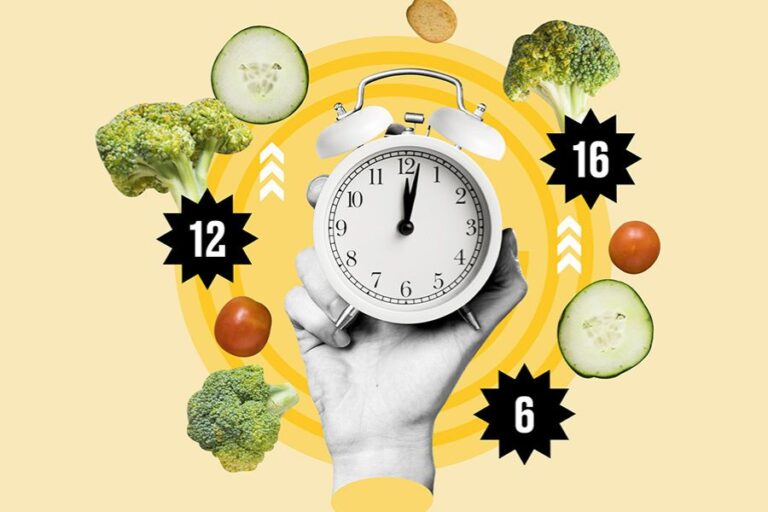
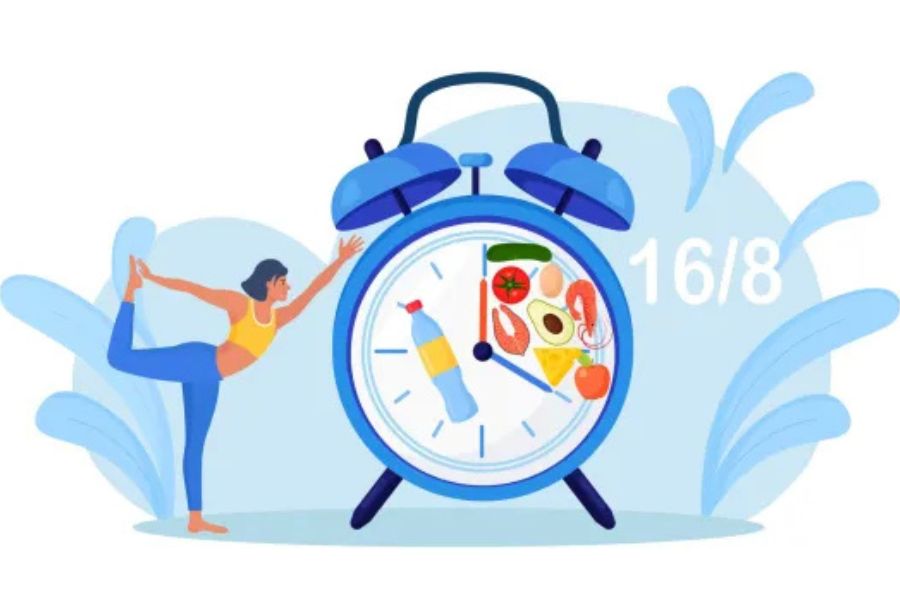
Intermittent fasting strength training combines planned fasting periods with resistance workouts so you can lose fat, protect muscle, and improve overall health. Instead of grazing on small meals all day, you cycle between hours when you eat and hours when you do not.
You will see this approach called:
- Intermittent fasting (IF)
- Time restricted eating (TRE)
- 16/8 fasting, which is the most common style for lifters
The key idea is simple: you spend longer in a fasted state to encourage fat burning, then use your eating window to fuel strength training, recovery, and muscle maintenance.
Know how intermittent fasting affects muscle
Before you mix intermittent fasting and strength training, it helps to know what is going on inside your muscles.
Muscle gain and fasting
Muscle is in a constant cycle of building up and breaking down.
- Muscle protein synthesis (MPS) is the building side
- Muscle protein breakdown (MPB) is the losing side
You build or maintain muscle when MPS is equal to or higher than MPB over time.
Research suggests long fasting stretches, especially 16 hours or more, can increase muscle protein breakdown compared with a traditional pattern of 3 to 5 meals across the day (Frontiers in Nutrition). That is one reason some people worry that IF will automatically cost them muscle.
On the other hand, strength training is a powerful signal for muscle growth. When you lift, you trigger MPS and tell your body that your muscles are valuable and should be preserved. That is why combining intermittent fasting with strength training tends to work better than fasting alone.
Several summaries note that pairing IF with resistance exercise helps people drop body fat while largely maintaining muscle mass (Crunch Fitness, PureGym).
Why older or inactive people should be extra careful
If you are an older adult or you spend a lot of time sitting, your muscles may already respond less strongly to protein and exercise. This is called anabolic resistance.
Evidence suggests that long fasting windows can worsen this issue if you do not eat enough high quality protein at your meals (Frontiers in Nutrition). You can still use intermittent fasting, but you will want to pay closer attention to:
- Total daily protein
- Protein at each meal
- Regular resistance training
If you are in this group, talk with a doctor or dietitian before starting a new fasting routine.
Pick a fasting schedule that fits your life
You have options for how to set up intermittent fasting strength training. The best schedule is the one you can follow consistently.
The popular 16/8 schedule
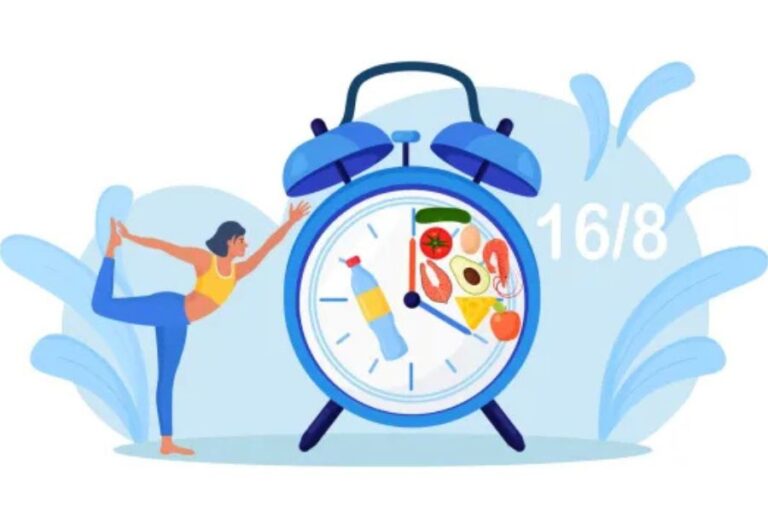
The 16/8 approach means:
- 16 hours: fast, only zero calorie drinks like water, black coffee, or plain tea
- 8 hours: eat your meals and snacks
Common 16/8 eating windows include (Protein Chefs):
- 12 p.m. to 8 p.m.
- 9 a.m. to 5 p.m.
- 7 a.m. to 3 p.m.
These windows work nicely if you are also trying to build or maintain muscle because 8 hours is usually enough time to get in 2 or 3 solid, protein rich meals (Simple Life).
Other timing ideas
Some sources suggest that if your main goal is hormone optimization and fat loss, you may experiment with fasting 16 to 18 hours and placing your workout in the morning, then eating later in the day (Prospect Medical). That is a more advanced option and may not feel great when you are new to IF.
To start, pick a simple 16/8 window that works with your job, family, and social life. A realistic plan will always beat a perfect plan you cannot keep.
Plan when to work out
You can lift weights while fasted or fed and still make progress. The right choice depends on how you feel and perform.
Training at the end of your fast
Some coaches and gyms recommend scheduling your strength training near the end of your fasting window, then eating soon after (Crunch Fitness). This gives you:
- Access to more fat as fuel during the workout
- A big post workout meal that supports recovery and muscle repair
- The psychological comfort of “earning” your first meal of the day
If you are using a 12 p.m. to 8 p.m. window, for example, you might train around 11 a.m., then have your first meal at noon.
Training fully fasted in the morning
Some health organizations suggest that early morning may be the best time to work out, because it lines up with your circadian rhythm and leaves your evenings free (Prospect Medical). In this setup you:
- Wake up, work out in a fasted state
- Delay food for a while afterward if your goal is fat loss and hormone changes
- Start your eating window later in the morning or midday
This can work if you feel strong enough to lift heavy without breakfast. If you notice weaker performance, dizziness, or low motivation, it may not be ideal for you, especially for high intensity lifting.
Training during your eating window
You might find you simply perform better with food in your system. In that case you can:
- Have a meal 1 to 3 hours before lifting
- Work out mid window
- Eat another protein rich meal afterward
Some summaries point out that muscle gains look similar whether you train fasted or fed, as long as your daily protein and calories are on point (Simple Life). So your comfort and performance are valid reasons to choose one timing over another.
Eat for results, not just survival
Intermittent fasting is about when you eat, but strength training results depend heavily on what you eat too.
Get enough protein
If you are lifting while fasting, protein becomes your best friend. Several sources recommend aiming for about:
- 1.6 to 2.2 grams of protein per kilogram of body weight per day, especially if you are dieting and lifting (Crunch Fitness)
- Roughly 0.6 to 0.9 grams of protein per pound of body weight per day in other guidance (Simple Life)
You can break this into 2 or 3 meals within your eating window. Research suggests that your muscles respond well when each meal includes about 0.25 to 0.3 grams of protein per kilogram of body weight, followed by a few hours of digestion and recovery (Frontiers in Nutrition).
Build meals around whole foods
Use your eating window to give your body high quality nutrients, especially if fat loss and muscle protection are your goals.
Good options include (Protein Chefs):
- Protein: eggs, fish, poultry, meat, tofu, Greek yogurt, legumes
- Carbohydrates: whole grains, potatoes, beans, lentils, fruits
- Healthy fats: nuts, seeds, olive oil, avocado
Some services design meals specifically to support intermittent fasting and strength training using high quality ingredients like grass fed beef and wild caught seafood, which can be helpful if you prefer ready to eat options (Protein Chefs).
Do not fear carbohydrates
Carbs are a useful fuel for lifting. Recommendations for people trying to gain or maintain muscle while fasting often fall around 1.8 to 3.2 grams of carbohydrate per pound of body weight per day, especially if you are doing heavy weight training (Simple Life).
You do not need to hit the high end of that range if you are in a calorie deficit, but including carbohydrates around your workouts can:
- Replenish glycogen stores
- Support performance
- Help recovery so you feel ready for your next session
Time your post workout meal
When you train fasted or near the end of a fast, your post workout meal matters even more.
Guides on IF and training repeatedly emphasize:
- Eating a protein rich meal soon after your workout to support muscle repair and growth (Crunch Fitness)
- Including complex carbohydrates in that meal if you have lifted heavy to refill glycogen stores (PureGym)
If you are stacking fasting and intense exercise, do not leave your muscles waiting too long for nutrients.
Design a simple strength training plan
You do not need an advanced workout split to benefit from intermittent fasting strength training. A basic routine that hits all major muscle groups will do a lot of the work for you.
Focus on big compound lifts
Compound exercises use more than one joint and recruit a lot of muscle at once. For example:
- Squats
- Deadlifts or hip hinges
- Bench press or push ups
- Rows
- Overhead presses
These moves give you the most “bang for your buck” when you have limited training days or energy.
Train 2 to 4 days per week
Most evidence based programs for people who want to build or keep muscle use strength training at least twice a week. With IF in the mix, that is still a good target.
A simple weekly plan might look like this:
- Day 1: Full body strength session
- Day 2: Rest or light cardio
- Day 3: Full body strength session
- Day 4: Optional moderate cardio
- Day 5: Full body strength session or rest, depending on experience
- Days 6 to 7: Rest, walking, or easy movement
Moderate intensity cardio, around 2 or 3 times per week for 25 to 40 minutes, can support your fitness and help you maintain lean mass without getting in the way of strength gains (Simple Life).
Balance intensity and fasting
Heavy or high intensity sessions require more fuel. If you notice:
- You cannot progress your weights
- You feel drained halfway through your session
- Your form breaks down early
Consider moving those harder workouts into your eating window instead of fully fasted time (PureGym). Lighter lifting or easy cardio often feel more comfortable in a fasted state.
Use cardio and HIIT wisely
Cardio and interval training can support your intermittent fasting strength training plan, but they are tools, not the main event.
Steady state cardio
Moderate cardio like brisk walking, cycling, or easy jogging can:
- Improve heart health
- Support fat loss
- Help you recover between lifting sets
Doing this 2 or 3 times per week for 25 to 40 minutes fits well with most IF schedules and does not seem to interfere with muscle maintenance when your protein and lifting are on track (Simple Life).
High intensity intervals and sprints
Some guides note that combining sprint style training with intermittent fasting may increase growth hormone levels and improve body composition, strength, and stamina (Prospect Medical).
If you add HIIT:
- Keep sessions short and infrequent, for example 1 or 2 times per week
- Allow at least one rest or easy day between hard efforts
- Consider placing HIIT in your eating window or close to a meal if you do not feel strong when fasted
Your priority is to protect strength and recovery, so avoid stacking intense lifting and intense cardio back to back in a deep fast unless you know your body handles it well.
Watch for common challenges
Mixing intermittent fasting and strength training is doable, but you may run into a few predictable bumps.
Low energy during workouts
Fasted training can feel sluggish at first. You can troubleshoot by:
- Moving your workout closer to your first meal
- Eating a bit more carbohydrate in the meal before your session
- Reducing training volume slightly while your body adjusts
- Staying on top of hydration, especially with morning workouts
If performance remains poor after a few weeks, it is reasonable to keep IF but put all heavy lifting inside your eating window.
Difficulty building muscle
Gaining new muscle usually requires a calorie surplus. That is harder to achieve if your eating window is short and your appetite is low when the window opens (PureGym).
If your main goal is muscle gain rather than fat loss, you might:
- Use a longer eating window like 10 hours instead of 8
- Add calorie dense, nutrient rich foods such as nuts, olive oil, full fat dairy, or whole grain breads
- Keep a closer eye on your body weight and training progress
It is possible to build muscle while fasting, but it often happens more slowly. You may find IF works best for you in a “leaning out” phase rather than a full bulk.
Risk of muscle loss during dieting
If you are in a calorie deficit and fasting for long stretches without enough protein, muscle loss becomes more likely, especially in older adults and people with lower activity levels (Frontiers in Nutrition).
Protect yourself by:
- Hitting protein targets regularly
- Lifting weights at least twice per week
- Avoiding extreme calorie cuts alongside aggressive fasting schedules
If you see rapid drops in strength or significant fatigue, consider easing up on the deficit or shortening your fasting window.
Put it all together in a sample day
Here is an example of what a 16/8 intermittent fasting strength training day might look like if your eating window is 12 p.m. to 8 p.m.
- 7:00 a.m.
- Wake up, drink water or black coffee
- Light walk or stretching
- 11:00 a.m.
- Strength workout: squats, presses, rows, accessory work
- 12:00 p.m. (Meal 1, post workout)
- Protein rich main dish, like chicken or tofu with rice and vegetables
- Some healthy fat such as avocado or olive oil
- 4:00 p.m. (Meal 2)
- Lean protein such as fish or Greek yogurt
- Whole grains or starchy vegetables
- Fruit and a handful of nuts
- 7:30 p.m. (Meal 3, if needed for your calorie goals)
- Lighter meal with protein and vegetables, for example eggs and sautéed greens
- 8:00 p.m.
- Fasting period begins again
You can shift the times earlier or later to match your schedule, but the structure remains the same: use your eating window to fuel training, recovery, and health.
Key takeaways
- Intermittent fasting strength training can help you lose fat while maintaining muscle if you pair it with smart nutrition and resistance workouts.
- A 16/8 schedule is a practical starting point since it leaves enough time to eat 2 or 3 high protein meals.
- You can train fasted or fed. Choose the timing that gives you the best performance and consistency.
- Prioritize adequate protein each day, plus carbohydrates that support your lifting and recovery.
- Keep strength training at the center of your plan and treat cardio and fasting as tools around it.
You do not need a perfect routine on day one. Choose a fasting window that suits your life, add two or three lifting days each week, and focus on hitting your protein. From there you can adjust and fine tune based on how your body responds.
About the Author