Whether you’re aiming to jump higher, move faster, or maintain stability through fast-paced games, a well-rounded glute workout for athletes can be the game-changer you need. Your glutes don’t just power you forward, they also protect your lower back, stabilize your hips, and boost overall athletic performance. Below, you’ll find ways to strengthen this key muscle group, from targeted exercises to smart recovery techniques.
Start with dynamic warm-ups
Before you jump into squats or deadlifts, spend a few minutes priming your muscles. Dynamic warm-ups increase blood flow to your glutes, lower your risk of strains, and prepare your body for intense training.
Effective warm-up moves
- High knees: Lift your knees to hip level while jogging in place to activate your quads and glutes.
- Hip circles: Stand on one leg and slowly circle your raised knee outward, then inward, to open up the hip joints.
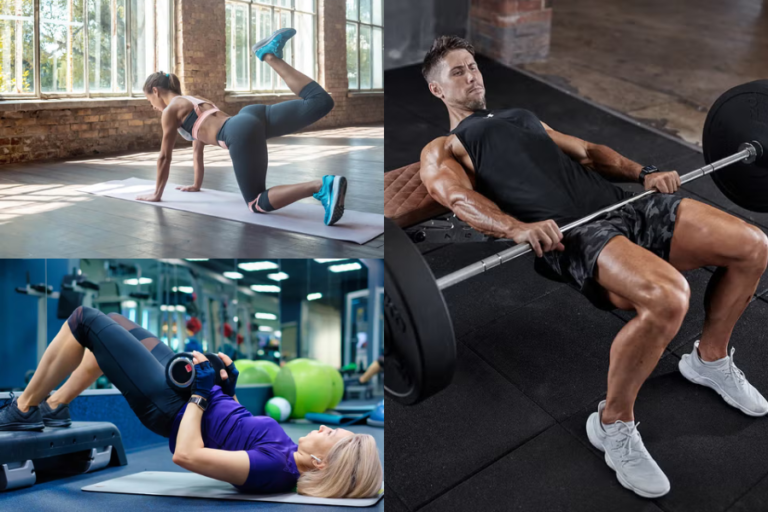
- Glute bridges: Lie on your back with knees bent, feet on the floor, and lift your hips toward the ceiling. Squeeze your glutes at the top for a couple of seconds before lowering.
Focus on compound exercises
Movements that work multiple muscle groups simultaneously give you the most value for your effort. Compound exercises efficiently develop power in your lower body and core, which translates into more explosive sprints, jumps, and lateral shifts.
Top compound glute exercises
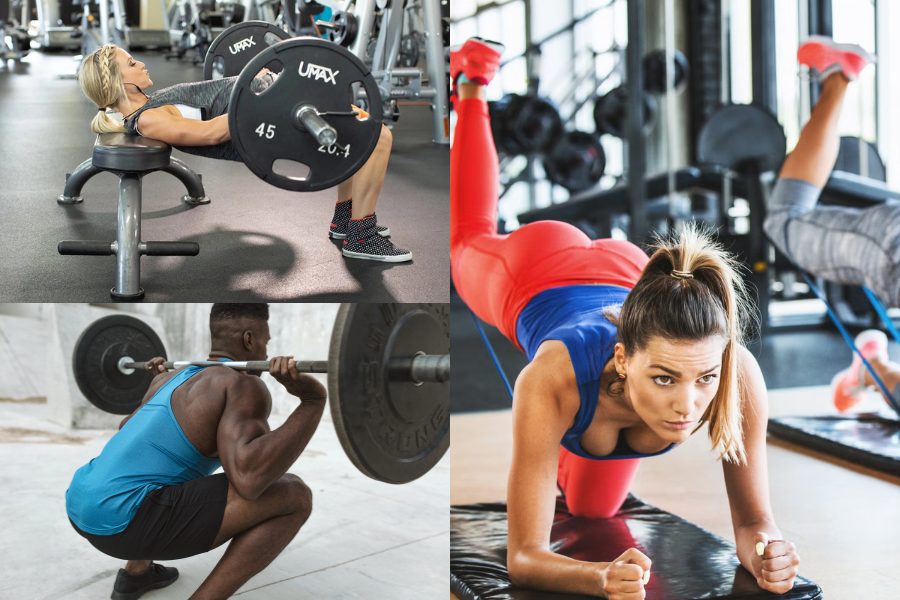
- Squats: Keep your chest up, weight on your heels, and drive upward with your glutes.
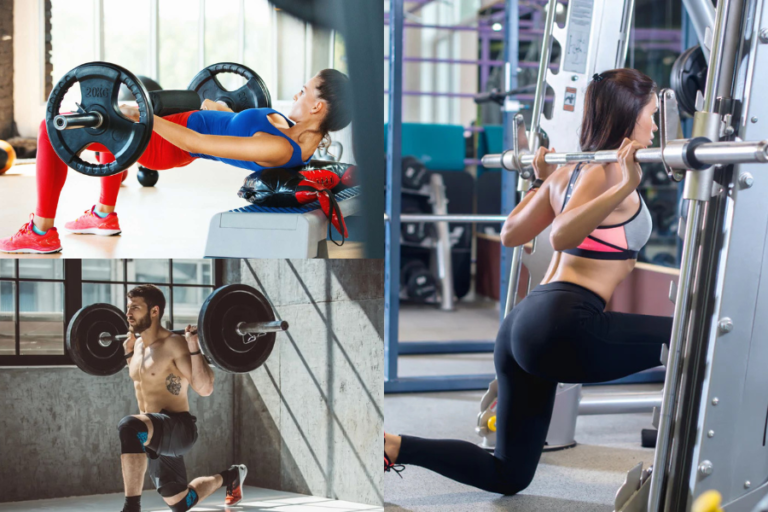
- Lunges: Maintain a steady knee position over your ankle as you step forward or backward, engaging your hips and glutes for stability.
- Deadlifts: Remember to hinge at the hips rather than squatting down. Your glutes and hamstrings do the heavy lifting when you maintain proper form.
Add isolation for definition
Once you’ve nailed the compound lifts, sprinkle in glute-specific isolation movements to target smaller muscles. These exercises refine your glute strength and address any imbalances that might hold you back on the field or court.
Simple isolation drills
- Donkey kicks: Position yourself on all fours, keeping your back neutral, and drive one heel upward to engage your glute.
- Side-lying leg lifts: Lie on your side, foot flexed, and lift your top leg to work the outer glute.
- Hip thrusts: Rest your shoulders on a bench with feet planted on the floor, then drive your hips upward and pause to maximize the glute contraction.
Prioritize form and recovery
Correct form not only prevents injuries, but also makes your training more effective. Listen to your body’s signals and remember that rest and recovery are part of building stronger glutes.
Quick recovery pointers
- Stretch daily: Focus on your hip flexors and lower back to balance the extra glute work.
- Foam roll: Target tight spots in your hamstrings, IT band, and glutes to reduce tension.
- Eat for recovery: Consume lean protein and nutrient-dense carbs to help muscles repair and grow.
Track progress and stay consistent
Improving your glute strength takes time, so be patient while you track your progress. Simple methods like logging workout sets and reps or measuring how high you can jump provide clear evidence of what’s working. Stay consistent, and you’ll see a noticeable boost in your lower-body strength and overall athletic performance.
Ways to measure improvement
- Keep a workout journal: Write down the weight used, plus reps and sets for each exercise.
- Test your vertical leap: A higher jump often signals stronger glutes and legs.
- Evaluate stability: Notice if lunges and pivots feel more controlled during sports drills.
By weaving these moves and habits into your weekly routine, you’re setting up your body for more explosive movements and better endurance. Small tweaks add up fast, and, before long, you’ll feel the payoff of a dedicated glute workout for athletes in every sprint, jump, and directional change you make. Enjoy the journey as you build a powerful foundation to transform your game.
About the Author