A heart healthy plan that also supports weight loss can feel hard to find. The DASH diet is different. It was designed to lower blood pressure, yet it has also been shown to help you lose weight and improve overall health at the same time (NHLBI, Mayo Clinic).
If you want a practical eating style you can actually live with, not another short term fad, the DASH diet is worth a closer look.
What the DASH diet actually is
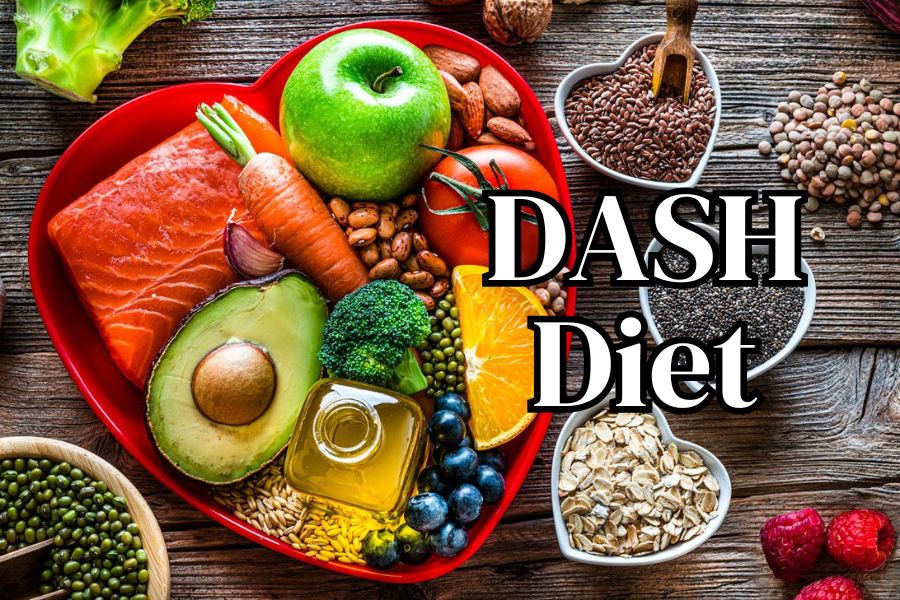
DASH stands for Dietary Approaches to Stop Hypertension. It is a healthy eating pattern originally created to help prevent and treat high blood pressure by lowering sodium and increasing key nutrients that support heart health, such as potassium, calcium, magnesium, and fiber (Mayo Clinic).
Instead of focusing on one superfood or banning entire food groups, the DASH diet emphasizes a balance of:
- Vegetables
- Fruits
- Whole grains
- Fat free or low fat dairy
- Lean protein like fish, poultry, beans, and nuts
At the same time, you limit foods that are high in sodium, added sugar, and saturated fat, such as processed snacks, sugary drinks, fatty meats, and full fat dairy products (Mayo Clinic).
You do not need special products or shakes. The plan is built around everyday foods and clear serving goals for a 2,000 calorie a day pattern, which you can then adjust up or down with your health care provider or a dietitian (NHLBI).
Why the DASH diet is great for weight loss
Although the DASH diet was designed for blood pressure, it turns out to be very weight loss friendly. Here is why it can help the scale move in the right direction.
Naturally lower in calories
When you fill your plate with fruits, vegetables, and whole grains, you automatically eat fewer calorie dense foods without feeling deprived. These foods are high in volume and fiber, so you feel full on fewer calories.
Most example menus for the DASH diet hover around 2,000 calories or less per day, and they can be adjusted lower if weight loss is your goal, ideally with professional guidance (Mayo Clinic).
Built in portion control
The DASH plan gives you a target number of daily and weekly servings from each food group. Those serving ranges act like a quiet portion guide so you are less likely to overeat without thinking about it. The National Heart, Lung, and Blood Institute even offers worksheets that help you compare your usual intake to DASH recommendations and understand what a serving actually looks like (NHLBI).
High in fiber and protein
A classic DASH day includes beans, whole grains, fruits, vegetables, and low fat dairy. Together, those foods provide plenty of fiber and a steady supply of protein. That combination helps you:
- Stay satisfied between meals
- Reduce cravings for sugary snacks
- Avoid energy crashes that push you toward overeating
When it is easier to stay satisfied, you are more likely to keep your calorie intake in a range that supports weight loss.
Supports other healthy habits
In the PREMIER clinical trial, people who followed the DASH diet and increased their physical activity saw greater drops in blood pressure and more weight loss than those who only received lifestyle advice (NHLBI, PMC).
In other words, the DASH diet can be a strong foundation that works well with your workout routine and other healthy changes.
Proven health benefits beyond weight loss
If you are focusing on weight, it helps to know that the same diet can protect your long term health. The research on DASH is unusually strong compared to many popular diets.
Lower blood pressure and better cholesterol
In a landmark study of 459 adults, those who followed the DASH diet had significantly lower blood pressure and LDL cholesterol than those who ate a typical American diet, which reduced major risk factors for cardiovascular disease (NHLBI).
A separate meta analysis of 17 randomized controlled trials with 2,561 participants found that DASH lowered systolic blood pressure by about 6.74 mmHg and diastolic pressure by about 3.54 mmHg, with even greater benefits in people with hypertension and those on energy restricted diets (PMC). That means if you are overweight and working to lose, you may see especially strong blood pressure improvements.
Extra benefits when you cut sodium
The DASH Sodium trial showed that combining DASH with sodium reduction, particularly to lower levels, produced even greater blood pressure drops. Systolic blood pressure fell by an average of 7.1 mmHg in people without hypertension and 11.5 mmHg in those with hypertension when sodium was limited (PMC).
Standard DASH sets sodium at or below 2,300 milligrams per day, about one teaspoon of table salt, while a lower sodium version brings that down to 1,500 milligrams daily (Mayo Clinic). Your health care provider can help you choose the right level.
Heart, bone, and metabolic health
Beyond blood pressure, following a DASH style of eating is linked with:
- Lower LDL cholesterol and triglycerides
- Reduced uric acid levels
- Lower incidence of heart failure in adults under 75
- Improved bone mineral status
- Roughly a 13 percent decrease in estimated 10 year cardiovascular disease risk (PMC)
Research has also explored DASH variations like OmniHeart and OmniCarb. When some carbohydrate calories were replaced with protein or unsaturated fat, blood pressure and lipid levels improved even more than with original DASH, which suggests you have room to tailor the plan to your preferences while staying within a heart healthy framework (NHLBI).
What you eat on a typical DASH day
To picture how the DASH diet fits into your life, it helps to see the pattern in simple terms. For a 2,000 calorie day, your plate generally leans this way:
Plenty of plants, moderate lean protein, controlled sodium, and very little added sugar or saturated fat.
You would aim for:
- Several servings of vegetables and fruits spread throughout the day
- Whole grains such as oatmeal, brown rice, or whole wheat pasta
- Fat free or low fat milk, yogurt, or cheese
- Lean protein like fish, skinless poultry, beans, or lentils
- Small portions of nuts and seeds a few times per week
- Limited sweets and sugary drinks
The DASH eating plan does not require special products. It simply guides you toward a mix of foods that meet specific nutrient targets for heart health, using a daily and weekly serving structure that is meant to be realistic and sustainable (NHLBI).
Sodium, alcohol, and caffeine on DASH
Because the DASH diet was built to manage blood pressure, it pays special attention to sodium and encourages moderation with alcohol.
You are encouraged to:
- Keep sodium at or below 2,300 milligrams per day, or 1,500 milligrams for a stronger blood pressure effect, if that is appropriate for your health situation (NHLBI)
- Limit alcohol to no more than two drinks per day for men and one or less for women because higher intakes can raise blood pressure (Mayo Clinic)
The DASH guidelines do not formally address caffeine. If you are concerned about how coffee or energy drinks affect your blood pressure, it is worth talking with your health care provider about whether cutting back might help you personally (Mayo Clinic).
How to start the DASH diet for weight loss
You do not have to change everything overnight. Small shifts can move you into a DASH style of eating while still feeling doable.
Step 1: Take stock of what you eat now
For a few days, track your meals, snacks, and drinks. Notice:
- How often you eat fruits and vegetables
- How many processed or salty foods show up
- Your usual portion sizes
Then compare that rough picture to the DASH pattern. The National Heart, Lung, and Blood Institute worksheets can help you line up your current habits with DASH targets so you see where to focus first (NHLBI).
Step 2: Add, then subtract
Instead of cutting everything at once, start by adding foods that are missing.
You might begin by:
- Adding a piece of fruit to breakfast
- Swapping one refined grain for a whole grain, such as brown rice for white
- Including one serving of vegetables at lunch and dinner
Once those feel routine, slowly reduce:
- Sugary drinks, replacing them with water or unsweetened tea
- Packaged snacks high in sodium
- Large portions of fatty meats, replacing part of the portion with beans or lentils
Each change nudges your daily pattern closer to DASH while keeping your meals satisfying.
Step 3: Adjust portions for weight loss
If you want to lose weight, you aim for DASH food group goals within a calorie range that fits your body size and activity level. Your provider or a registered dietitian can help you set a target, often starting around 1,500 to 1,800 calories for weight loss, then adjusting based on how your body responds.
Within that calorie level, you still follow the same DASH principles: plant focused, lean proteins, low sodium, and limited added sugars and saturated fat.
When the DASH diet is a good fit for you
You are likely to appreciate the DASH diet if you:
- Want to lower or prevent high blood pressure
- Prefer real, recognizable foods over special products
- Need a plan that supports steady weight loss rather than quick fixes
- Like clear structure but also want flexibility in what you eat
The DASH eating plan has been named the best heart healthy diet and the best diet for high blood pressure for 2025, reflecting its strong research base and practicality for everyday life (NHLBI).
If you are ready to get started, begin with one or two changes this week, such as adding a serving of vegetables to your usual dinner and swapping a salty snack for a piece of fruit. As those habits stick, you can layer in the next step. Over time, you build an eating pattern that helps you lose weight, supports your heart, and fits into the life you already live.
About the Author