A carnivore diet meal plan can sound both simple and extreme. You eat mostly animal foods, skip plants and dramatically cut carbs. You may have heard people credit it with rapid weight loss, steadier energy and clearer thinking. Before you fill your cart with steaks, it helps to understand how this way of eating actually works, where the potential benefits come from and what serious tradeoffs you need to weigh.
Below, you will walk through how a carnivore diet meal plan is structured, what a week of eating might look like, reported pros and cons, and smart precautions to consider if you are thinking about trying it.
Understand what a carnivore diet meal plan is
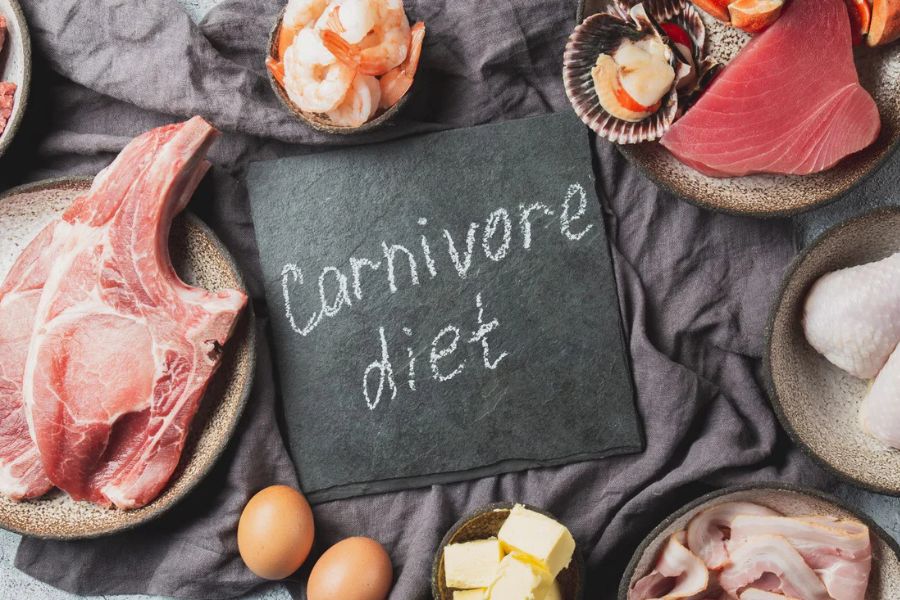
On a classic carnivore diet meal plan, you eat only animal based foods. That usually includes:
- Beef, pork, lamb and other red meats
- Poultry such as chicken and turkey
- Fish and seafood, especially fatty fish
- Eggs
- Animal fats like butter, tallow or ghee
- Organ meats such as liver, heart or oxtail
You avoid all carbohydrates. That means no fruits, vegetables, grains, legumes, nuts, seeds or added sugars. As WebMD explains, the diet, as of 2023, cuts out all plant foods and focuses exclusively on animal products like beef, chicken, pork, fish, eggs and organ meats like liver and oxtail (WebMD).
Many followers also limit or avoid processed meats and additives, though that varies by person.
How it differs from other low carb diets
At first glance, a carnivore diet can look like a very strict version of keto or Atkins. There is an important difference. Keto and Atkins keep carbs low, but they still allow some carbohydrates from vegetables, berries or even whole grains after a certain phase.
The Cleveland Clinic notes that the carnivore diet is more extreme. You eliminate carbohydrates entirely, while low carb plans like keto and Atkins still include some carbs and more food variety (Cleveland Clinic). That is why you often see the carnivore diet described as an all meat or zero carb way of eating.
See how a carnivore diet works in your body
A carnivore diet meal plan changes your main fuel source. When you avoid carbs, your body has very little glucose coming in from food. Over time, you start relying more on stored fat and dietary fat for energy. This shift is known as ketosis.
According to a 2024 overview from Chomps, the carnivore diet aims to eliminate carbohydrates so that your body uses fats and ketones as its primary fuel. This can promote fat burning, more stable energy and less hunger, although many people feel fatigue, headaches or other “adaptation” symptoms during the first week or so (Chomps).
In practice, your day ends up being high in protein and very high in fat. The fat provides sustained energy, while protein helps you feel full and supports muscle maintenance.
Decide what fits in your version of carnivore
There is a strict version of the carnivore diet, and there are looser versions. Understanding that range can help you decide what might be realistic for you.
A stricter approach
The stricter version, popularized by physician Shawn Baker around 2018, centers on:
- Grass fed red meat
- Fatty cuts like ribeye or short ribs
- Fatty fish like salmon or sardines
- Eggs
- Small amounts of low lactose dairy such as hard cheese
This approach, described by Chomps, excludes all fruits, vegetables, grains, sugars, nuts, seeds and additives, with the goal of fully eliminating carbs and staying in ketosis (Chomps).
A more flexible approach
Some modern versions are more nuanced. A 2024 guide from Primal Kitchen describes carnivore style plans that still focus on meat and seafood but may also include:
- Eggs and full fat dairy like cheese and yogurt
- Herbs, spices and condiments
- Occasionally, some non starchy vegetables
This shows that not every carnivore diet is literally only meat and water (Primal Kitchen). However, all versions are still highly animal focused and low in carbohydrates.
If you are testing the waters, you might find it easier to start with a slightly flexible version, then adjust based on how you feel and what your healthcare provider recommends.
Explore a sample 7 day carnivore diet meal plan
Seeing an example can make this way of eating feel more concrete. The specifics will vary, but common carnivore diet meal plan ideas include a lot of steak, eggs and fatty fish.
Chomps outlines a typical week that relies heavily on grass fed meat and wild caught fish to maintain ketosis and satiety (Chomps). Your breakfasts might be steak and eggs or cheese omelets. Lunch could be salmon with pork or a ribeye steak. Dinners often feature ground beef patties, prime rib or chicken with cheddar. Snacks tend to be sardines, hard boiled eggs or meat sticks.
Here is a simple example of how that could look for you:
Day 1:
Breakfast: 3 eggs fried in butter with a side of bacon
Lunch: Grilled salmon with a pat of ghee
Dinner: Ribeye steak cooked in tallow, salt and pepper
Snack: A few slices of cheddar or a meat stick
Other common ideas include scrambled eggs with turkey, salmon patties made from canned salmon and turkey bacon, or a baked chicken casserole with rotisserie chicken, cream cheese, sour cream and shredded cheese, as noted by WebMD (WebMD).
You can see that the focus is on fatty cuts and full fat ingredients. That is intentional, since fat becomes your main source of calories.
Weigh the potential benefits for weight loss and health
If you are considering a carnivore diet meal plan, you are probably hoping it will help with weight loss or other health issues. There are several commonly reported benefits, but it is important to recognize that many are based on self reports and not long term clinical trials.
What followers often report
Supporters frequently mention:
- Rapid weight loss and improved body composition
- Less bloating and fewer digestive complaints
- Reduced joint pain or inflammation
- Better mental clarity and focus
- More stable energy and fewer cravings
Chomps summarizes these claims by noting that many people attribute fast weight loss to fat adaptation and ketosis, lower inflammation to avoiding high carb and processed foods, and improved mental clarity to ketones serving as brain fuel. Higher intake of healthy fats and protein is also credited with increased testosterone and muscle mass in some followers (Chomps).
In one survey of more than 2,000 adults who had followed a carnivore diet for 9 to 20 months, participants self reported improvements in BMI, energy, sleep, strength, endurance, memory and focus. Diabetic respondents also reported needing less medication. However, as that report notes, it was not a controlled clinical trial and did not include lab measurements, so the findings should be interpreted cautiously (Chomps).
Why you might lose weight
For weight loss specifically, a carnivore diet meal plan can help you:
- Cut refined carbs and added sugars that tend to drive overeating
- Feel fuller between meals because protein and fat digest slowly
- Naturally reduce snacking, since your food choices are limited
Switching to mostly whole, unprocessed animal foods can reduce calories for many people, at least in the short term. That said, you can still gain weight on carnivore if portion sizes and total calories are consistently high.
Understand the major health risks and tradeoffs
Nutritionally, the carnivore diet is controversial. Healthcare organizations consistently urge caution. Several key concerns appear across expert reviews.
Nutrient gaps and digestive issues
Because you cut out entire food groups, you also remove a large portion of your intake of vitamins, minerals, fiber and plant based antioxidants. The Cleveland Clinic emphasizes that the carnivore diet can lead to deficiencies and may increase the risk of digestive issues, heart disease and some cancers for this reason (Cleveland Clinic).
Specific concerns include:
- Very low vitamin C intake, since you are not eating fruits or most vegetables
- No dietary fiber, which can affect bowel regularity and your gut microbiome
- Lack of phytonutrients that support long term heart and brain health
Nutrition specialists also warn that the absence of fiber and plant compounds may negatively affect your digestion and long term disease risk (Inspira Health Network).
Saturated fat, sodium and heart health
Another concern is the amount of saturated fat and sodium you may consume if you rely heavily on processed meats or very fatty cuts. According to Chomps, high intake of sodium and saturated fat on strict carnivore plans may increase the risk of stroke and kidney disease, especially if you already have cardiovascular or kidney issues (Chomps).
Most major guidelines, including U.S. Dietary Guidelines and recommendations from registered dietitians like Kate Patton at Cleveland Clinic, still advise a balanced eating pattern that includes fruits, vegetables, whole grains and lean proteins, rather than cutting out entire food groups (Cleveland Clinic).
Limited research and long term unknowns
Perhaps the biggest unknown is what happens if you follow a carnivore diet meal plan for years. As of 2024, the Cleveland Clinic points out that scientific research specifically validating the long term safety and benefits of the carnivore diet is limited and inconclusive, even though you can find many success stories online (Cleveland Clinic).
Because of that, most experts, including dietitians quoted by Inspira Health Network, do not recommend the carnivore diet as a long term strategy. Instead, they encourage a more moderate, varied approach that includes plenty of plant based foods (Inspira Health Network).
Make safer, smarter choices if you still want to try it
If you are curious and still want to test a carnivore diet meal plan, you can take steps to lower your risk and pay closer attention to how your body responds.
Talk with a professional first
Before you make such a big change, especially if you have diabetes, high blood pressure, kidney disease or a history of heart problems, it is wise to talk with your doctor or a registered dietitian. Inspira Health Network strongly recommends professional guidance for any restrictive diet, including carnivore, since long term effects and cardiovascular risks remain unclear (Inspira Health Network).
Together, you can discuss:
- Appropriate lab tests to get a baseline and monitor changes
- How long to try the diet before reassessing
- Whether supplements for vitamins, minerals or fiber make sense for you
WebMD also suggests that anyone attempting the carnivore diet consider supplements to help cover nutrient gaps, especially for fiber, vitamins and minerals (WebMD).
Choose better quality and a mix of cuts
You do not need expensive steaks at every meal, and in fact, variety may be better for your health and your budget. Some practical tips from available guidance include:
- Focus on leaner cuts like skinless chicken or lean ground beef part of the time, rather than exclusively eating very fatty red meat (WebMD)
- Include seafood, especially fatty fish like salmon, to get omega 3 fats that support heart and brain health (WebMD)
- Add organ meats like liver, heart or kidney once or twice a week. The Primal notes that organ meats are nutrient dense and relatively affordable, which can help you cover more vitamins and minerals on a carnivore style plan (The Primal)
If you use dairy, pay attention to how you feel. WebMD points out that while cheese, milk and yogurt may be allowed in some versions of carnivore, you might want to limit them if they trigger inflammation or digestive discomfort (WebMD).
Support your digestion and electrolytes
Going from a typical high carb diet to an all meat, no fiber pattern is a shock for your digestive system. On top of that, eating low carb affects how your body manages electrolytes. The Primal highlights several common mistakes and fixes:
- Stay on top of electrolytes like sodium, magnesium, potassium and calcium. Adding salt to food and using mineral supplements or electrolyte drinks can help prevent fatigue, headaches and muscle cramps (The Primal).
- Give your body time to adjust. Initial constipation or changes in bowel habits are common when you suddenly remove fiber. Hydration and movement matter even more.
- Avoid very heavy meat meals right before bed. Meat takes time to digest. The Primal suggests finishing large dinners at least 3 to 4 hours before bedtime or choosing lighter proteins like fish or eggs if you eat late, to support better sleep (The Primal).
The Primal also notes that eating at least two meals a day, often within a 6 to 8 hour window, can be less stressful than dropping to a single huge meal. That balance may help with nutrient absorption and energy while still allowing some fasting if you enjoy it (The Primal).
Decide if a carnivore diet is right for you
A carnivore diet meal plan can be a powerful reset from a heavily processed, sugar filled way of eating. You may lose weight quickly and notice short term improvements in energy, appetite and even certain symptoms. At the same time, you are trading away fiber, plant based nutrients and much of the flexibility that helps people maintain healthier habits over a lifetime.
Most major health organizations and registered dietitians do not recommend carnivore as a long term plan. Instead, they favor patterns that include vegetables, fruits, whole grains and lean proteins for a more complete, sustainable nutrient profile (Cleveland Clinic, Inspira Health Network).
If you are interested, you might treat a carnivore diet meal plan as a short term, carefully monitored experiment, not a permanent lifestyle. Start by discussing it with your doctor or dietitian, then build a version that fits your health status, your preferences and your real life. Paying attention to how you feel, your lab results and your long term goals will help you decide whether this extreme approach genuinely moves you toward better health.
About the Author