A paleo diet plan can absolutely support weight loss, but the real progress comes from how you design and follow it day to day. When you focus on whole foods, smart portions, and a bit of planning, you get the fat loss benefits of paleo without the common pitfalls like fatigue, cravings, or nutrient gaps.
Below you will find practical ways to set up your paleo diet plan so it works with your life and moves the scale in the right direction.
Understand what “real” paleo looks like
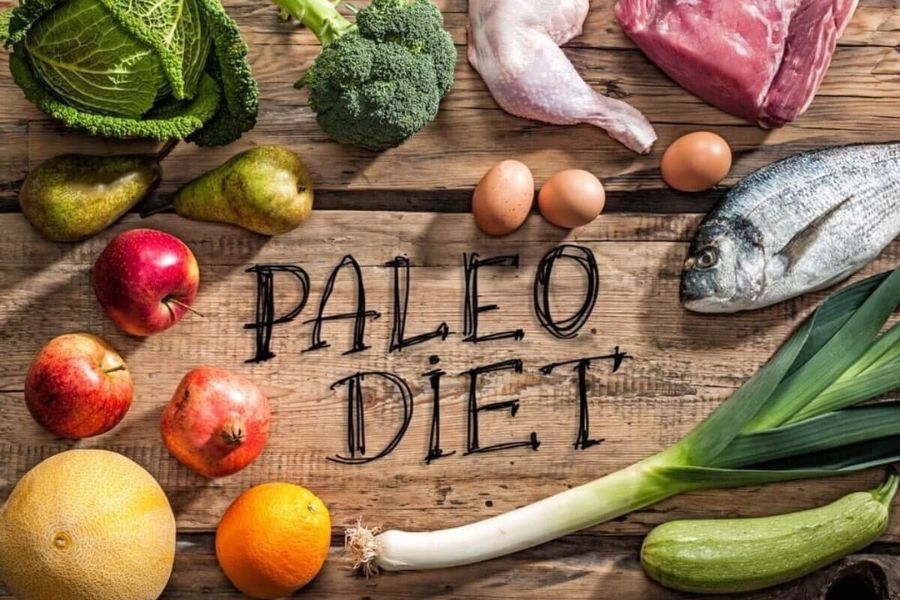
Before you fine tune for weight loss, it helps to be clear on what a paleo diet actually includes. At its core, your paleo diet plan focuses on whole, unprocessed foods that mirror what hunter gatherers might have eaten: vegetables, fruits, lean meats, fish, eggs, nuts, seeds, healthy fats, and herbs and spices (Healthline).
You avoid modern processed foods and ingredients such as:
- Refined sugar and sweets
- Bread and baked goods made from wheat or other grains
- Most vegetable oils and artificial sweeteners
- Legumes like beans, lentils, soy, and peanuts
- Dairy products in strict versions of the diet
Some people follow flexible or “modern” paleo approaches that add in grass fed butter or gluten free grains such as rice, so you have room to adapt within your own comfort zone (Healthline).
The more you base your meals on simple whole foods and the fewer packaged “paleo” products you rely on, the easier it becomes to lose weight.
Use paleo foods to naturally cut calories
One reason a paleo diet plan can help you lose weight is that it crowds out many of the highly processed, high calorie foods that quietly push your intake up. When you build meals around lean proteins, vegetables, and healthy fats, you usually feel satisfied on fewer calories without strict tracking.
Short term studies have linked paleo style eating to weight loss and improvements in risk factors for lifestyle related diseases (Healthline, Mayo Clinic). A large study of young Spanish adults also found that people who ate more in line with a paleo pattern had lower cardiovascular risk factors, mostly because they minimized highly processed foods and ate plenty of fruits and vegetables (Mayo Clinic).
You can turn that general advantage into steady weight loss by:
- Filling at least half your plate with non starchy vegetables
- Treating meat as a key component but not the only star
- Using healthy fats like olive oil and avocado in modest amounts rather than pouring them freely
That combination of fiber, protein, and controlled fat helps you feel full, which makes it easier to stop when you have had enough.
Avoid the “meat heavy” trap
A common mistake is thinking that a paleo diet plan means eating unlimited bacon, steak, and burgers without the bun. Too much meat, especially fatty cuts, can stall weight loss and may increase chronic health risks such as heart disease (Bon Appétit).
Experts suggest a more balanced approach. Consider meat an accompaniment rather than the bulk of your plate. Overshooting with eight ounce servings at every meal can put unnecessary stress on your kidneys and liver and can easily push you into calorie surplus (Aaptiv).
For weight loss and overall health, try these guidelines:
- Choose leaner cuts of beef and pork more often than heavily marbled options
- Prioritize poultry, wild caught fish, and shellfish, which are naturally lean and high in protein
- Aim for a realistic daily protein target, about eight to nine ounces of meat or equivalents, then rely on vegetables for volume and satisfaction (Bon Appétit)
Grass fed meats and wild caught seafood also give you more omega 3 fats, which support heart health and help reduce inflammation, an extra bonus as you lose weight (EatingWell).
Load up on vegetables for fiber and fullness
Because a paleo diet plan cuts out grains and legumes, you need another way to reach a healthy fiber intake. If you do not pay attention to this, you may end up constipated, constantly hungry, or both.
People who avoid grains and beans on paleo are encouraged to aim for at least five servings of non starchy vegetables per day to help make up the fiber loss (Aaptiv). That might look like:
- A large handful of spinach in your eggs at breakfast
- A big salad with lunch
- Roasted broccoli, cauliflower, or Brussels sprouts at dinner
- Raw carrots, cucumbers, or bell peppers as snacks
Fruits and nuts help too, although higher sugar fruits should be more occasional if weight loss is your priority. Starchy vegetables like potatoes can absolutely fit for many people, but if you have blood sugar or weight concerns, keep portions in check (EatingWell).
If you are new to a high produce diet, you might notice some gas or bloating while your digestive system adjusts. That is normal. Increase portions gradually and drink enough water as your body adapts (Healthline).
Protect your bones with smart paleo choices
Cutting out dairy, tofu, and legumes can create a challenge for calcium and vitamin D, both of which are essential for bone health. Many people following a strict paleo diet plan unintentionally skimp on these nutrients, which is not ideal in the long run (Aaptiv, Everyday Health).
You can defend your bones while staying paleo by leaning into natural, calcium rich foods such as:
- Dark leafy greens like kale, broccoli, and mustard greens
- Canned salmon or sardines with the bones
- Certain nuts and seeds, such as almonds and chia
Vitamin D is harder to get from food alone, so regular safe sun exposure and talking with your healthcare provider about supplementation is wise, especially if you live in a northern climate. Since micronutrient gaps are a known concern in stricter versions of paleo, a registered dietitian can help you personalize your plan so you lose weight without sacrificing long term health (Mayo Clinic).
If you choose to stay 100 percent grain free, dairy free, and legume free, it becomes more important to be intentional with vegetables, fish, and supplements so you do not end up with avoidable deficiencies.
Plan ahead so you actually stick with it
Your paleo diet plan will only support weight loss if you can follow it consistently. Many people start strong, then end up grabbing non paleo convenience foods whenever hunger catches them by surprise. Planning for meals and snacks in advance is one of the biggest “secrets” behind effortless progress.
Common strategies that work well include:
- Batch cooking protein like chicken thighs or ground turkey so you always have a base for quick meals
- Washing and chopping vegetables right after grocery shopping so they are ready to use
- Packing portable snacks such as raw veggies with guacamole, hard boiled eggs, nuts, or grain free bars for busy days (Bon Appétit)
You might find it helpful to follow a structured weekly meal plan, especially at the beginning. Some services offer full 7 day paleo friendly menus built around fresh produce, meat, seafood, nuts, and seeds, with tips for using leftovers for lunches and ready to eat options like rotisserie chicken to reduce your cooking time (Whole Foods Market). Other resources provide 52 weeks of seasonal paleo menus plus grocery lists and recipes that keep your meals varied rather than repetitive (ThePaleoDiet.com).
Whatever system you use, your goal is the same: make your default choice paleo friendly so you are not relying on willpower at the last minute.
Watch the sugar in “paleo treats”
Another weight loss roadblock hides in plain sight. You can find cookies, cakes, and snack bars labeled as paleo that are still very high in sugar from honey, maple syrup, coconut sugar, or dried fruit. The sweeteners might be more natural, but your body still responds with a blood sugar spike followed by a crash.
Experts recommend treating paleo desserts as occasional treats, not daily staples. Even though the ingredients align with your paleo diet plan, eating them frequently can slow or even reverse your weight loss efforts (Bon Appétit).
When you want something sweet:
- Start with a piece of fresh fruit and a handful of nuts
- Choose smaller portions of richer desserts and savor them slowly
- Keep “health halo” thinking in check, a brownies calories do not disappear just because it is grain free
If you notice cravings stay strong even after a few weeks of paleo, it often helps to reduce how often you are reaching for any kind of added sweetener.
Know the limits and listen to your body
A paleo diet plan can be a powerful tool, but like any eating pattern, it has pros and cons. Major concerns include the exclusion of whole grains, legumes, and low fat dairy, all of which are nutrient dense foods that offer fiber, vitamins, minerals, and protein. There are also no long term clinical trials yet that prove paleo is superior to other well researched patterns such as the Mediterranean diet, which provides similar cardiovascular benefits with a wider range of foods (Mayo Clinic, Kevin’s Natural Foods).
If you have a history of heart disease, kidney problems, or type 1 diabetes, you are encouraged to speak with your doctor before making major dietary changes, since a higher protein, lower carb plan may not be ideal for everyone (Everyday Health). You might discover that a slightly modified paleo style that includes some dairy or gluten free whole grains serves your body and your long term health better than a strict plan.
The most sustainable approach is the one that:
- Helps you lose or maintain weight at a comfortable pace
- Keeps your energy, digestion, and mood stable
- Fits your budget and cooking habits
- Leaves room for flexibility when life does not go exactly to plan
If paleo checks those boxes for you, these adjustments and “secrets” can turn it from a short challenge into a long term lifestyle that supports both weight loss and overall health.
Putting your paleo diet plan into action
To get started, pick one area to optimize this week. You might choose to:
- Double your daily vegetable intake to improve fiber and fullness
- Cut your portion of meat slightly and replace the volume with roasted vegetables
- Plan three simple paleo dinners in advance so you are not scrambling at 6 p.m.
- Swap nightly paleo desserts for fruit based options most days
As those habits begin to feel normal, you can layer in the next tweak. Over time, your paleo diet plan will feel less like a strict set of rules and more like a natural way of eating that makes weight loss feel achievable instead of exhausting.
About the Author