How intermittent fasting affects your brain
If you have heard people rave about intermittent fasting mental focus, you might wonder what is actually happening in your body and brain. Intermittent fasting (IF) is more than an eating pattern for weight loss. It changes how your cells use energy, which can influence memory, attention, and how clearly you think.
Intermittent fasting typically means you cycle between periods of eating and not eating for 12 to 48 hours, with normal meals in between. During longer fasts, your body gradually shifts from using glucose as its main fuel to tapping stored fat. As this happens, your liver produces molecules called ketones. Research suggests that this metabolic switch begins roughly 12 to 36 hours after fasting starts, depending on your schedule and individual biology (NCBI).
These ketones are more than just backup fuel. They have specific effects in your brain that may support mental clarity and long-term brain health.
Why intermittent fasting might sharpen mental focus
When you fast, your blood sugar stays steadier and your body runs more on fat. This metabolic state can feel different from a typical day of frequent snacking and energy dips.
According to a detailed review of intermittent fasting and brain health, ketones such as β‑hydroxybutyrate (BHB) and acetoacetate become a preferred fuel source for your brain. They also help regulate transcription factors in neurons, which can support cognition and resilience over time (NCBI).
You may notice benefits like:
- Fewer energy crashes between meals
- A more steady sense of alertness during your fasting window
- Less distraction from constant hunger cues or meal planning
Some people describe this as feeling “locked in” during fasting hours, especially on consistent schedules like a 16/8 routine.
The science behind focus and clarity
The potential brain benefits of intermittent fasting do not come from one single change. They are the result of several overlapping mechanisms that affect your brain cells and body systems.
Ketones as stable brain fuel
During fasting, your body breaks down stored fat into ketones. These molecules can cross the blood brain barrier and provide a stable, efficient fuel source for neurons.
- Ketones tend to produce fewer reactive byproducts than glucose.
- They can help keep your energy levels more even, instead of the highs and lows that sometimes follow sugar-heavy meals.
Clinical and observational work suggests that this shift to ketones is linked with improved mental clarity and steadier alertness, especially in people who follow common fasting patterns like 16:8 (Lone Star Neurology).
BDNF and brain plasticity
Intermittent fasting has been shown to increase levels of brain-derived neurotrophic factor (BDNF) in humans and animals (NCBI). BDNF is often described as “fertilizer” for your brain because it:
- Supports the growth and survival of nerve cells
- Helps form and strengthen connections between neurons
- Promotes mitochondrial biogenesis, which improves cellular energy production
- Increases resistance to stress at the cellular level
These changes are tied to learning, memory, and cognitive flexibility, which are all part of how well you can focus and stay mentally agile.
Autophagy and cellular cleanup
Fasting triggers autophagy, a process where cells clear out damaged components. In the brain, this can:
- Remove defective proteins and organelles
- Reduce harmful inflammation
- Help protect against long-term degenerative changes
This cellular cleanup is one reason intermittent fasting is being studied as a supportive approach in conditions like Alzheimer’s and Parkinson’s disease (Lone Star Neurology).
Stronger circadian rhythm
Your brain function is closely tied to your internal clock. When you eat is one of the signals that sets this rhythm.
Research shows that intermittent fasting helps synchronize central and peripheral clock genes, which can lead to more efficient coordination of your body’s anabolic and catabolic processes (NCBI). In practice, a stronger circadian rhythm can support:
- More predictable energy throughout the day
- Better sleep quality
- Clearer thinking during your natural peak hours
Aligning your eating window with daylight, such as earlier in the day, may further reinforce these benefits (Aviv Clinics).
The gut brain connection
Your gut microbiome also follows a daily rhythm. Intermittent fasting appears to:
- Increase microbial diversity
- Restore circadian oscillations in gut bacteria
- Modulate neural, endocrine, and immune pathways that link your gut and brain (NCBI)
Through this microbiota gut brain axis, changes in your gut can influence mood, stress response, and cognitive performance. Over time, this may contribute to a calmer, more focused mental state.
What current research actually shows
It is important to keep your expectations grounded. While the mechanisms behind intermittent fasting mental focus are promising, not every study finds dramatic short term effects in healthy adults.
A comprehensive review points out that, despite strong mechanistic evidence and benefits in certain brain related diseases, current trials do not show clear short term cognitive improvements in healthy people who start intermittent fasting (NCBI). Possible reasons include:
- Many participants already perform well on cognitive tests, so improvements are hard to detect.
- Adaptation to fasting may take longer than the study period.
- Test conditions may not reflect everyday tasks where you personally notice focus shifts.
At the same time, other human studies suggest that intermittent fasting can help stabilize blood sugar, reduce brain fog, and support decision making and memory recall. Alternate day fasting, for example, has been linked with improvements in verbal memory and overall cognitive performance (Lone Star Neurology).
In short, the science is evolving. You may feel a noticeable boost in clarity, or your experience may be more subtle. Either way, the underlying brain protective effects could still be helpful over the long term.
How intermittent fasting supports weight loss and focus
If you are exploring intermittent fasting for weight loss, the focus benefits might feel like a welcome bonus. In reality, both may come from the same core changes.
Here is how the two goals overlap:
-
Improved insulin sensitivity
More efficient insulin use helps your body access stored fat more easily and keeps blood sugar more stable, which can reduce cravings and afternoon slumps. -
Fewer eating occasions
Shorter eating windows often mean fewer chances to snack mindlessly. This can lower your total calorie intake and reduce the mental noise around food. -
Reduced inflammation
By supporting autophagy and metabolic health, fasting can lower systemic inflammation. Chronic inflammation is linked to both weight gain patterns and impaired cognition. -
Better sleep and energy
A strong circadian rhythm can help you sleep more deeply, which supports appetite regulation and daytime alertness.
When you combine these effects, it is easier to stay consistent with your eating plan and to stay clear headed while you work, exercise, or take care of everyday tasks.
Common intermittent fasting methods for mental clarity
You do not need extreme fasting schedules to explore intermittent fasting mental focus. Several straightforward methods are commonly used.
16/8 method
This is one of the most popular and approachable options, especially if you are a beginner.
- Fast for 16 hours each day.
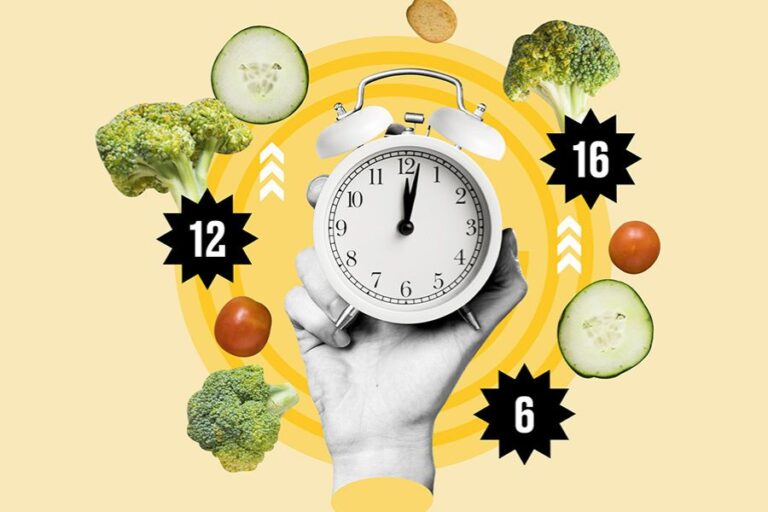
- Eat within an 8 hour window, such as 10 a.m. to 6 p.m.
This pattern is flexible and can align with your usual routine. Many people find their sharpest focus from late morning through early afternoon during the fasting window, once they are used to the schedule (Aviv Clinics).
Alternate day fasting
With alternate day fasting, you:
- Eat normally on one day.
- On the next day, either fast completely or eat a very small amount of calories.
Some human trials have reported better verbal memory and cognitive performance with this approach, although it can be more challenging to maintain compared with a daily time restricted window (Lone Star Neurology).
Time restricted eating aligned with daylight
Another option is to keep all your meals within the daylight hours, for example:
- First meal shortly after sunrise.
- Last meal several hours before bedtime.
This pattern takes advantage of your natural circadian rhythm and may further support brain function and healthy aging, in part by giving your body extended overnight repair time (Aviv Clinics).
Simple strategies to boost mental benefits
If you want to get the most from intermittent fasting mental focus, it helps to support your brain in other ways at the same time. A few targeted habits can amplify the effects of fasting.
Choose brain friendly foods in your eating window
What you eat when you are not fasting matters. Nutrient dense meals help your brain take full advantage of the restorative fasting periods.
Prioritize:
- Healthy fats, like olive oil, avocado, nuts, and seeds, to support ketosis and cell membranes.
- High quality protein from eggs, fish, poultry, beans, or lentils, to provide amino acids for neurotransmitters.
- Colorful vegetables and some fruit, for antioxidants and fiber that support gut health.
Consuming brain boosting foods during your eating window can enhance the cognitive benefits of intermittent fasting by providing efficient nourishment for your brain cells (Aviv Clinics).
Stay hydrated during fasts
Dehydration can quickly cause headaches, fatigue, and concentration problems, which might mask any focus improvements from fasting.
During your fasting hours, aim to:
- Drink water consistently, not all at once.
- Include unsweetened beverages like herbal tea or black coffee if they fit your plan.
Maintaining hydration supports overall health and helps you sustain mental clarity while fasting (Aviv Clinics).
Move your body gently
Exercise and intermittent fasting can work together to support brain health.
Light to moderate activity, such as walking or stretching, can:
- Increase blood flow to the brain.
- Improve mood and reduce anxiety.
- Enhance neuroplasticity, especially when combined with higher BDNF levels from fasting.
Regular gentle exercise is one of the strategies recommended to maximize the cognitive benefits of intermittent fasting (Lone Star Neurology).
Manage stress and sleep
Stress and poor sleep can blunt the benefits of almost any nutrition strategy.
To protect your mental focus:
- Practice simple relaxation habits during your fast, such as deep breathing or short meditations.
- Keep a regular sleep schedule, with a consistent bedtime and wake time.
- Avoid very large or very late meals that disrupt your sleep.
Stress management techniques like meditation or breathing exercises are specifically recommended to help sustain enhanced mental clarity and focus with intermittent fasting (Lone Star Neurology).
What to expect when you start
Your personal experience with intermittent fasting mental focus may change over the first few weeks.
In the beginning, it is normal to notice:
- Hunger or irritability at your usual meal times
- A learning curve around planning your eating window
- Mild dips in energy as your body adapts to using more fat
These early symptoms usually fade as your metabolism adjusts. As adaptation continues, you may start to feel:
- A calmer appetite and fewer sudden cravings
- Longer stretches where you can concentrate without thinking about food
- A general sense of mental “lightness” compared with heavier eating patterns
Keep in mind:
- The metabolic switch to ketones typically begins 12 to 36 hours after you start fasting, depending on the length of your fast and your individual physiology (NCBI).
- Shorter daily fasting windows like 16/8 may not reach the same depth of ketosis as multi day fasts, but they can still support circadian rhythm, gut health, and calorie balance.
- Your baseline health, stress, and sleep all influence how you respond.
Listening to your body is key. You can adjust your fasting schedule, food choices, and activity level based on how you feel and what fits your life.
When intermittent fasting might not be right for you
Intermittent fasting is not appropriate for everyone. You should avoid or be very cautious with fasting if you:
- Have a history of eating disorders or disordered eating patterns
- Are pregnant, breastfeeding, or trying to conceive
- Take medications that require food at specific times
- Have certain chronic conditions that could be worsened by long gaps between meals
If any of these apply to you, or if you are unsure, talk with a healthcare professional who understands your medical history before making big changes to your eating pattern.
Key takeaways for your daily life
Intermittent fasting mental focus is not just a buzz phrase. It reflects real changes that happen in your brain and body when you spend regular time in a fasted state.
To summarize:
- Intermittent fasting shifts your metabolism from glucose to ketones, which can provide stable brain fuel and support cognitive function (NCBI).
- Fasting increases BDNF, supports autophagy, and strengthens circadian rhythms, all of which are linked to brain health and clarity (NCBI).
- Some studies report better memory and reduced brain fog with fasting, although short term benefits in healthy adults are not consistent across all trials (Lone Star Neurology).
- Choosing brain friendly foods, staying hydrated, moving regularly, and managing stress can amplify the mental benefits of your fasting routine (Aviv Clinics).
If you are drawn to intermittent fasting for weight loss, you might find that the real game changer is how it helps you feel more focused, steady, and in control of your habits. You can start with a small change, such as closing your kitchen two hours earlier tonight, and notice how your body and mind respond over the next few days.
About the Author