Understand how a keto grocery list works
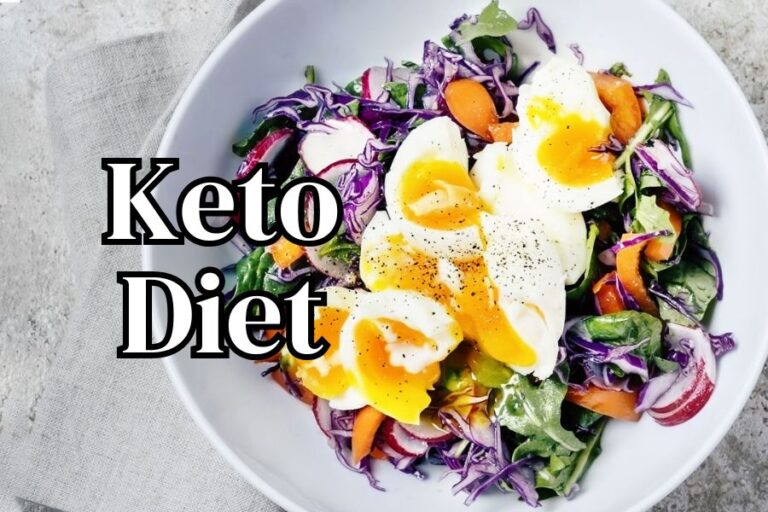
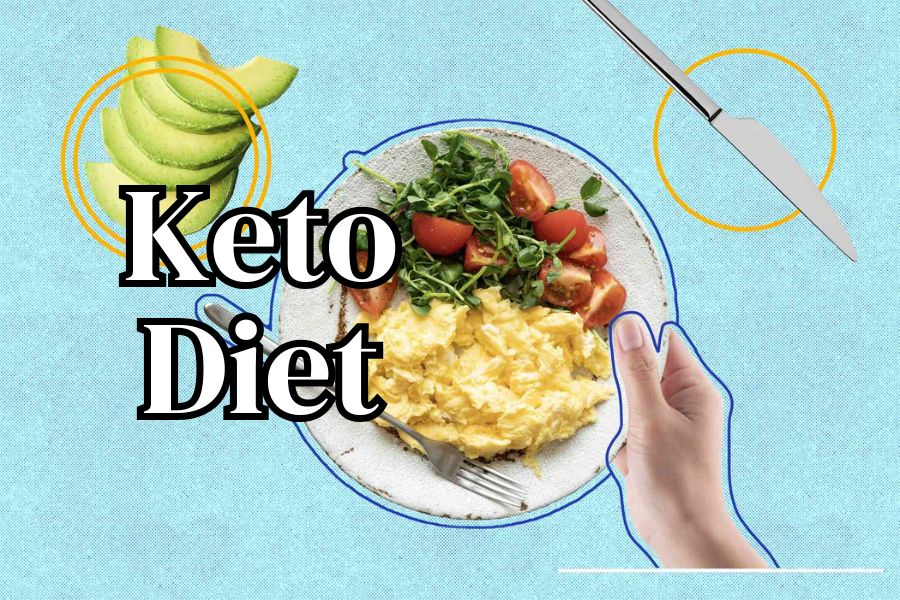
If you want a keto grocery list that actually supports weight loss and better health, it helps to understand what you are shopping for and why. A ketogenic diet focuses on high fat, moderate protein, and very low carbohydrate intake so your body shifts into ketosis and starts using fat for fuel instead of sugar (UC Davis Health).
Typical keto macros look like this:
- About 70–75% of calories from fat
- About 15–25% from protein
- About 5% or fewer from carbs, usually under 20–50 grams of carbs per day (Healthline; Perfect Keto)
Your keto grocery list should make those numbers easier to hit, not harder. That means stocking your cart with:
- Low carb vegetables
- Healthy fats and oils
- Quality proteins
- Limited low sugar fruits
- Minimal processed foods
Once you know what to look for, the store feels less overwhelming and you can move through the aisles with a clear plan.
How net carbs fit into your list
On keto you focus on net carbs rather than total carbs. Net carbs are the carbs that actually impact your blood sugar.
Net carbs are generally calculated as:
Net carbs = total carbs − fiber − sugar alcohols
People with diabetes may subtract only half of the sugar alcohols to better manage blood sugar (Perfect Keto).
When you are comparing products, scan the nutrition label for:
- Total carbohydrates
- Dietary fiber
- Sugar alcohols (if any)
A lower net carb count per serving means that item is more likely to fit comfortably into your daily allowance.
Build your cart around low carb vegetables
Vegetables keep your meals colorful and satisfying, and they provide fiber and micronutrients that are harder to get from meat and dairy alone. On keto, not all vegetables are equal.
Above ground vegetables are usually the best choice. They tend to be low in carbs, especially leafy greens and green vegetables (Diet Doctor; Perfect Keto).
Best vegetables for your keto grocery list
You can enjoy these vegetables fairly freely if you are aiming for under 20 grams of carbs per day (Diet Doctor):
- Spinach
- Kale
- Lettuce and salad mixes
- Cucumbers
- Zucchini and other summer squash
- Cabbage
- Asparagus
- Broccoli
- Cauliflower
- Green peppers
- Brussels sprouts (in moderate portions)
High fat plant options like avocados and olives are also keto friendly and help boost your fat intake (Healthline).
You can use these vegetables for salads, sheet pan dinners, stir fries, omelets, and as replacements for higher carb foods. For example, cauliflower rice instead of regular rice or zucchini noodles instead of pasta.
Vegetables to limit or avoid
Below ground vegetables usually contain more carbs. These include:
- Potatoes and sweet potatoes
- Carrots and parsnips
- Beets
- Most root vegetables
Below ground vegetables often have 6 to 19 grams of net carbs per 100 grams, compared with under 5 grams for many above ground vegetables (Diet Doctor). They can add up quickly and push you over your carb limit.
Other plant foods that do not belong on a strict keto grocery list include:
- Legumes like beans, lentils, and peas
- Corn
- Quinoa
These are relatively high in carbohydrates and make it tough to stay under 20 grams of carbs a day (Diet Doctor; UC Davis Health).
You do not have to give up onions completely. They are higher in carbs and grow below ground, but you typically use small amounts to season dishes. Green onions or scallions can also fit in modest quantities (Diet Doctor).
Choose high quality protein sources
Protein helps preserve muscle, supports satiety, and makes your meals feel substantial. A well designed keto grocery list includes a mix of animal proteins and some dairy.
Many animal proteins contain few or no carbs, which makes them easy to fit into a keto plan (Healthline; Perfect Keto).
Proteins to prioritize
In the meat and seafood section, look for:
-
Fatty fish
-
Salmon
-
Mackerel
-
Sardines
-
Tuna
These are rich in omega 3 fats and are nearly carb free (Healthline; Perfect Keto). -
Shellfish
-
Shrimp
-
Crab
-
Mussels
These provide protein and micronutrients with very few carbs. -
Meat and poultry
-
Beef, including lean cuts and fatty cuts
-
Pork and bacon
-
Dark meat chicken, such as thighs and drumsticks
-
Turkey
Meat and poultry generally contain no carbohydrates and supply all nine essential amino acids (Perfect Keto). -
Eggs
-
Whole eggs
-
Pasture raised or omega 3 enriched when possible
Each large egg has less than 1 gram of carbs and about 6 grams of protein (Healthline).
You can keep your shopping simple by choosing a few staples that you enjoy, then rotating seasonings and cooking methods.
Protein prep tips to stay keto
The way you cook protein matters. To keep meals low carb:
- Skip breading and flour based coatings on meat and fish
- Avoid sugary marinades and sauces
- Choose grilling, baking, roasting, or pan searing
- Use herbs, spices, lemon, and garlic for flavor rather than sugary glazes
If you buy pre marinated or prepared meats, scan the ingredient list for added sugar, starch, or syrup.
Stock up on keto friendly dairy
Dairy can contribute both protein and fat, which makes it helpful on a keto diet when used thoughtfully. The key is to avoid added sugars and focus on higher fat, lower carb options.
Dairy items to add to your list
In the dairy aisle, look for:
-
Cheese
-
Cheddar
-
Mozzarella
-
Swiss
-
Other hard or semi soft cheeses
Most cheeses are naturally low in carbs (Healthline). -
Yogurt and cottage cheese
-
Plain Greek yogurt
-
Plain cottage cheese
These work in moderation, especially when paired with low carb berries or nuts. -
High fat dairy
-
Heavy cream
-
Half and half
-
Sour cream
High fat dairy fits a keto approach, especially in coffee, sauces, and dips (Healthline; Kevin’s Natural Foods). -
Butter and ghee
These are both carb free sources of fat and work well for cooking and flavoring vegetables (Healthline).
If you avoid dairy or prefer plant based options, unsweetened soy, almond, or coconut milk can also be keto friendly as long as they do not contain added sugars (Healthline).
How to avoid hidden sugar in dairy
When you check labels:
- Choose unsweetened yogurts and plant milks
- Compare brands, some have significantly more sugar
- Watch flavored varieties, which often include syrup or cane sugar
- Keep an eye on serving size, since it affects total carbs
If you want a bit of sweetness, you can add a keto friendly sweetener at home instead of buying pre sweetened products.
Fill your pantry with healthy fats and oils
Healthy fats are the core of a keto grocery list. They keep you full, help your body stay in ketosis, and make low carb vegetables and proteins taste satisfying.
Best fats and oils for keto
In the oil and pantry sections, look for:
-
Olive oil
A source of monounsaturated fats and antioxidants that support heart health, great for salads and low to medium heat cooking (Healthline). -
Avocado oil
Neutral tasting and suitable for higher heat cooking, also rich in monounsaturated fats (Healthline). -
Coconut oil
Contains saturated fat and works well for baking and medium heat cooking, plus adds flavor to some dishes (Healthline; Kevin’s Natural Foods). -
Butter and ghee
Great for sautéing vegetables, scrambling eggs, or finishing a steak, both are carbohydrate free (Healthline). -
Animal fats
-
Lard
-
Tallow
These have a higher smoke point and are useful for high heat cooking (Kevin’s Natural Foods).
You can also add high fat condiments to your list:
- Mayonnaise made with healthy oils
- Full fat salad dressings without added sugar
- Cream cheese and sour cream for dips and sauces
Pairing vegetables with fat
Healthy fats make keto vegetables more satisfying and help you meet your daily fat targets. A few easy pairings:
- Roast broccoli or cauliflower in olive oil or avocado oil
- Sauté spinach or kale in butter or ghee
- Drizzle olive oil over salads and add olives or avocado
- Serve sliced cucumbers or bell peppers with cream cheese or sour cream based dips (Diet Doctor)
You do not need to drown everything in fat, but you also do not need to be afraid of using it. The goal is to eat enough fat so you stay satisfied without overshooting your overall calorie needs.
Add low sugar fruits and smart pantry staples
You can still enjoy fruit and treats on a keto diet, you just need to be selective and mindful about portions.
Keto friendly fruits to consider
Many fruits contain too much sugar to fit a strict keto plan. Some lower carb choices include:
- Avocado
- Raspberries
- Blackberries
- Strawberries
- Lemons
These fruits can fit into a daily carb limit when you monitor portions (UC Davis Health; Kevin’s Natural Foods).
You can use small amounts of berries in:
- Greek yogurt bowls
- Chia puddings
- Salads
- Low carb desserts
Essential pantry items for keto
A well stocked pantry makes it easier to cook keto meals quickly and stick to your plan when you are busy. Useful staples include:
-
Baking substitutes
-
Almond flour
This can replace wheat flour in many low carb recipes (Kevin’s Natural Foods). -
Sweeteners
-
Stevia
-
Monk fruit
-
Erythritol
These provide sweetness without the same blood sugar impact as regular sugar (Kevin’s Natural Foods). -
Dark chocolate
Preferably sugar free or very low sugar to keep carbs down (Kevin’s Natural Foods). -
Nuts and seeds
-
Almonds
-
Walnuts
-
Chia seeds
-
Flaxseeds
These can be calorie dense, so portion size still matters, but they fit well into a keto diet.
When you add a few of these to your shopping list, you gain more flexibility for snacks and homemade treats.
Plan for keto friendly snacks and drinks
You do not have to snack on keto if your meals keep you full. Still, having a few reliable options on your keto grocery list can help you stay on track when hunger hits.
Store bought keto snacks to look for
Many grocery stores carry packaged snacks designed for low carb eating. Whole Foods, for example, highlights a variety of keto friendly products, including (Whole Foods Market):
- Freshly cut vegetables
- Keto breads
- Protein bars and shakes
- Pork rinds
- Stevia sweetened chocolate
- Zero sugar cookies
- Low carb pancake and waffle mixes
Specific examples include:
-
Base Culture Original Keto Bread
-
Grain free
-
Dairy free
-
Soy free
-
Sweetened with arrowroot flour and golden flaxseed meal
-
Contains 0 grams of sugar per slice (Whole Foods Market)
-
Eating Evolved Organic Keto Cups
-
Made with cacao, coconut butter, MCT oil, and monk fruit sweetener
-
Provide 10 to 13 grams of fat and about 1 gram of sugar per serving (Whole Foods Market)
-
Dang Bars and Bulletproof Bars
-
Sweetened with stevia
-
Offer around 9 to 13 grams of protein, 1 to 6 grams of fiber, and 1 to 4 grams of sugar per bar (Whole Foods Market)
Similar products from other brands can fit into your keto grocery list if you read labels carefully and confirm the net carbs.
Simple whole food snack ideas
Alongside packaged options, you might add these to your list:
- Hard boiled eggs
- Cheese slices or cheese sticks
- A small handful of nuts
- Sliced cucumber or bell pepper with guacamole
- Celery sticks with cream cheese
- Olives
- Pork rinds without added sugar
These choices are quick, portable, and align well with keto macros.
Drinks that stay keto friendly
For drinks, keep it simple and unsweetened. Good options include:
- Water, still or sparkling
- Coffee, black or with heavy cream or unsweetened plant milk
- Tea, hot or iced without sugar
Avoid juices, regular soda, and most sweetened beverages, since they contain enough sugar to disrupt ketosis (Healthline).
Use your keto grocery list to support your health
A thoughtful keto grocery list does more than stock your kitchen. It sets you up for more consistent eating habits, fewer impulse buys, and better weight management over time. Planned shopping helps you stay focused on foods that support ketosis and your health goals (Perfect Keto).
At the same time, there are a few health details worth keeping in mind.
Stay on top of nutrients and electrolytes
Following a strict keto diet can change how your body handles minerals and vitamins.
- You may lose more salt and sodium than usual and need to increase salt intake compared with a higher carb diet (UC Davis Health).
- Most people on a strict keto diet benefit from a multivitamin with minerals, since diet alone may not cover all vitamin and mineral needs (UC Davis Health).
You can also support your nutrient intake by including different vegetables, proteins, and fats on your list instead of buying the exact same items every week.
Check your health markers as you go
Keto can improve markers like HDL cholesterol and triglycerides for some people, but in others it can raise LDL cholesterol to levels that are not ideal (UC Davis Health).
Before you commit fully, it is a good idea to:
- Talk with your healthcare provider about whether keto is right for you.
- Get blood work to check cholesterol and other key markers.
- Repeat tests after 3 to 6 months to see how your body responds (UC Davis Health).
That way you can adjust your grocery list and your approach based on actual data, not just how you feel day to day.
Put your keto grocery list into action
You do not have to overhaul everything at once. You can start small and gradually shape your cart into a keto friendly one.
Here is a simple way to use this guide on your next trip:
- Choose 2 to 3 proteins you enjoy, such as salmon, chicken thighs, and eggs.
- Add 3 to 5 low carb vegetables, like spinach, zucchini, broccoli, and lettuce mixes.
- Pick 2 to 3 healthy fats, for example olive oil, butter, and avocado oil.
- Include 1 or 2 low sugar fruits, like avocado and raspberries.
- Add a few snacks or pantry items that fit your lifestyle, such as nuts, almond flour, and a keto friendly chocolate.
As you shop this way week after week, your kitchen naturally fills with foods that support ketosis, weight loss, and better health. Over time, your keto grocery list becomes less of a strict set of rules and more of a familiar, flexible routine that works for you.
About the Author