A Mediterranean diet is one of the few eating patterns that is both deeply enjoyable and strongly backed by research. It centers on plant-based foods, healthy fats like extra virgin olive oil, and simple home cooking that you can actually stick with long term. Studies link the traditional Mediterranean diet to a lower risk of heart disease, stroke, and other chronic conditions, along with potential benefits for brain health and weight management (Cleveland Clinic, PubMed).
Below are practical Mediterranean diet tips that make healthy eating feel like something you want to do, not something you have to do.
Start with the Mediterranean plate basics
At its core, the Mediterranean diet is about what you eat most of the time, not occasional treats. You build your plate around minimally processed, plant-centered foods with healthy fats.
On a typical day, you focus on:
- Vegetables and fruits in generous amounts
- Whole grains like oats, farro, brown rice, and whole wheat
- Beans and lentils for plant protein and fiber
- Nuts and seeds, especially walnuts and almonds
- Extra virgin olive oil as your main fat
- Seafood regularly, plus some poultry, eggs, and fermented dairy like yogurt
- Limited red meat, sweets, and heavily processed foods
This pattern mirrors how people in Mediterranean countries ate in the mid 20th century, which has been tied to a lower risk of coronary artery disease and other chronic issues (Cleveland Clinic, UC Davis Health).
Make extra virgin olive oil your everyday hero
If there is one simple swap that instantly makes your meals more Mediterranean, it is choosing extra virgin olive oil (EVOO) as your primary fat.
EVOO is rich in heart-healthy monounsaturated fats and antioxidants. Compared with regular olive oil, it has more unsaturated fats and protective compounds that support heart and brain health and help calm inflammation (Cleveland Clinic).
You can:
- Drizzle EVOO over salads and roasted vegetables
- Use it to sauté onions, garlic, and greens
- Stir it into cooked grains like quinoa or farro
- Finish soups and stews with a teaspoon of olive oil for flavor and richness
If you are trying to lose weight, you can still use olive oil, you just measure it. A small spoonful adds a lot of flavor and satisfaction, which can help you feel fuller and reduce the urge to snack mindlessly.
Build fun, colorful meals for weight loss
One reason the Mediterranean diet supports weight loss is that it is naturally high in fiber and healthy fats and relatively low in refined sugar and saturated fat. That combination helps you feel satisfied on fewer calories (UC Davis Health).
Instead of counting every bite, you can focus on how your plate looks:
- Fill about half your plate with vegetables, cooked or raw
- Reserve a quarter for whole grains or starchy vegetables
- Use the remaining quarter for lean protein like fish, beans, or chicken
- Add a small amount of healthy fat like olive oil, nuts, or avocado
If you prefer structure, beginner-friendly Mediterranean meal plans can give you ballpark calorie ranges. For example, one 7 day plan offers daily totals of roughly 1164 to 1382 calories, with simple ways to add food to reach 1500 or 2000 calories by including items like whole wheat English muffins, Greek yogurt, and nuts (EatingWell). You can use those ideas as inspiration and then adjust portions to match your hunger and activity level.
Turn everyday favorites into Mediterranean meals
You do not need to give up your favorite foods to follow a Mediterranean diet. Often, you can make small, smart tweaks that keep the spirit of the dish but improve the nutrition.
For example, you might:
- Swap white pasta for whole wheat or legume based pasta, then load it with sautéed vegetables, garlic, and olive oil
- Replace heavy cream sauces with tomato based sauces built on onions, garlic, herbs, and a splash of olive oil
- Make pizza on whole wheat crust with lots of vegetables, a modest sprinkle of cheese, and a drizzle of EVOO
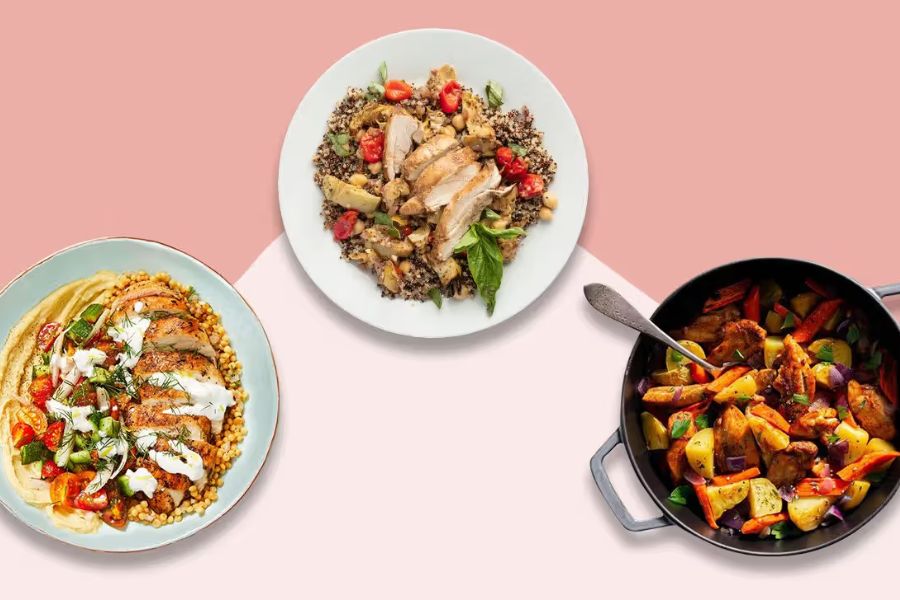
- Build grain bowls with brown rice or quinoa, chickpeas, chopped vegetables, olives, and a lemon olive oil dressing
By relying on herbs, spices, lemon, and vinegar, you keep food interesting without needing a lot of butter, salt, or sugar. This shift is a big reason the Mediterranean pattern is linked to lower rates of cardiovascular disease in large reviews and randomized trials (PubMed).
Use simple meal prep tricks to stay consistent
The Mediterranean diet becomes much easier when you have a few basics prepped. You do not need an all day Sunday cookathon, just a couple of habits you repeat.
You can:
- Roast a big tray of vegetables at the start of the week
- Cook a pot of whole grains like farro, barley, or brown rice
- Keep canned beans like chickpeas and lentils on hand, then rinse and toss them into salads or soups
- Prep a quick vinaigrette with olive oil, lemon juice, and herbs and store it in the fridge
Many beginner plans recommend repeating simple breakfasts and lunches and leaning on leftovers for dinners, which cuts decision fatigue and makes healthy eating more realistic on busy days (EatingWell). You can follow the same idea: pick two or three easy meals you like and rotate them through the week.
Make it social so it stays fun
The Mediterranean diet is as much about lifestyle as it is about ingredients. In many Mediterranean cultures, people cook at home, linger over meals with family or friends, and walk regularly as part of daily life (EatingWell).
You can borrow those habits by:
- Cooking one simple Mediterranean style dinner a week and inviting a friend or partner to join you
- Taking a relaxed walk after dinner instead of immediately sitting on the couch
- Turning screens off while you eat so you can focus on flavors and company
- Hosting a potluck where everyone brings a Mediterranean inspired dish, like a bean salad, roasted vegetables, or grilled fish
When meals feel enjoyable and social, you are more likely to stick with this way of eating long term, which is where the health benefits really pay off.
Adjust the Mediterranean diet to fit your needs
Another reason this pattern works so well is that you can adapt it to your preferences and health needs. It is flexible by design.
If you are vegetarian or gluten free, you can still follow a Mediterranean style pattern. You simply rely more on plant proteins like beans and nuts, and you choose gluten free whole grains like quinoa, brown rice, and oats while skipping wheat based products (Cleveland Clinic). A dietitian can help you personalize your plan, especially if you have allergies or medical conditions.
Healthcare providers often recommend the Mediterranean diet for people with risk factors for heart disease, such as high blood pressure, high cholesterol, or type 2 diabetes, because the evidence for cardiovascular benefits is strong (Cleveland Clinic, PubMed). If you have a medical condition, it is a good idea to talk with your doctor or a registered dietitian before making big changes, so they can help you tailor the approach.
Focus on what to enjoy, not just what to avoid
It helps to think of the Mediterranean diet as a pattern that encourages certain foods rather than a list of strict rules. Still, there are some items you aim to limit because they add a lot of sugar, sodium, or unhealthy fats without much nutritional value.
Foods to keep to a minimum include:
- Highly processed snacks and fast foods
- Sugary drinks and desserts
- Processed meats and frequent servings of red meat
- Foods very high in sodium and saturated fat
These foods are often linked to issues like heart disease and type 2 diabetes, so cutting back on them and replacing them with whole, plant based options can move your health in the right direction (UC Davis Health). At the same time, you can still enjoy occasional treats. The goal is an overall pattern that supports your health, not perfection.
Think of the Mediterranean diet as a template: you fill it with foods you genuinely like, then repeat those meals often enough that healthy choices become your default.
Take your first simple step today
You do not need to overhaul your entire pantry to start benefiting from a Mediterranean diet. One or two small actions are enough to begin:
- Swap your usual cooking fat for extra virgin olive oil
- Add one extra serving of vegetables to tonight’s dinner
- Choose a whole grain option the next time you buy bread or pasta
- Plan a simple Mediterranean style meal this week, like salmon with roasted vegetables and brown rice
The research is clear that better adherence to a traditional Mediterranean pattern is linked to meaningful reductions in heart disease, stroke, and total cardiovascular disease (PubMed). Over time, those small daily choices can support weight loss, protect your heart and brain, and help you feel more energized.
Pick one tip that feels easiest and start there. As it becomes routine, you can layer on the next change, and you will build a way of eating that is both healthy and genuinely enjoyable.
About the Author