Understand intermittent fasting muscle loss
If you are using intermittent fasting for weight loss or better health, you might worry about intermittent fasting muscle loss. Most people want to lose fat, not muscle. The good news is that you can protect, and in many cases even build, muscle while fasting, as long as you pay attention to how you eat and train.
Research on intermittent fasting (IF) and muscle is mixed but informative. A 2020 randomized trial using a 16:8 schedule found people lost a small but significant amount of weight, about 2 pounds on average, yet the fasting group also lost muscle mass while a consistent meal timing group did not (Harvard Health Publishing). On the other hand, studies that combined IF with nutrition guidance and activity support did not see muscle loss and led to more weight loss overall (Harvard Health Publishing).
This means the fasting schedule itself is not the whole story. How you eat, how you move, and how you recover are what determine whether you lose fat, muscle, or both.
How intermittent fasting affects your muscles
To protect your results, it helps to understand what is happening behind the scenes when you fast.
Muscle protein breakdown and fasting
When you do not eat for long stretches, your body has to find fuel. During a prolonged fast of around 16 hours or more, muscle protein breakdown tends to increase over 24 hours compared with eating 3 to 5 meals spread through the day (Frontiers in Nutrition). This is not ideal if your goal is to keep or build muscle.
At the same time, muscle protein synthesis, your body’s process of building new muscle tissue, responds best to moderate doses of protein several times a day. About 0.25 to 0.3 grams of protein per kilogram of body weight at each meal appears to be an effective range (Frontiers in Nutrition). With IF, you often eat fewer meals, so you get fewer opportunities to stimulate that muscle building process.
This is why some experts view certain fasting patterns as a less optimal strategy for muscle remodeling, at least if you do not plan your food and workouts carefully (Frontiers in Nutrition).
Time-restricted eating and lean mass
Time-restricted eating (TRE), such as a daily 16:8 schedule, is one of the most common forms of intermittent fasting. Some randomized trials show that TRE preserves fat-free mass about as well as other diets, but there is also evidence that appendicular lean mass, the muscle in your arms and legs, can drop over 12 weeks with certain TRE protocols (Frontiers in Nutrition).
This does not mean you are guaranteed to lose muscle with TRE. It does mean that if you cut calories hard, skip resistance training, and ignore protein, muscle loss is more likely.
Who is more vulnerable to muscle loss
You may need to be extra careful with fasting if you are in a group that already has a harder time building or maintaining muscle. This includes:
- Older adults
- People who are sedentary
- Individuals with obesity who are not doing resistance exercise
These groups can experience something called anabolic resistance. Their muscles do not respond as strongly to protein intake, so long fasts and fewer protein-rich meals can create a higher risk of losing muscle mass and quality (Frontiers in Nutrition).
If you fit into one of these categories, you do not have to avoid intermittent fasting completely, but you should approach it with a strategy.
Choose a fasting schedule that protects muscle
Not all intermittent fasting methods are equally friendly to muscle. Your schedule matters.
Why 16:8 often works best
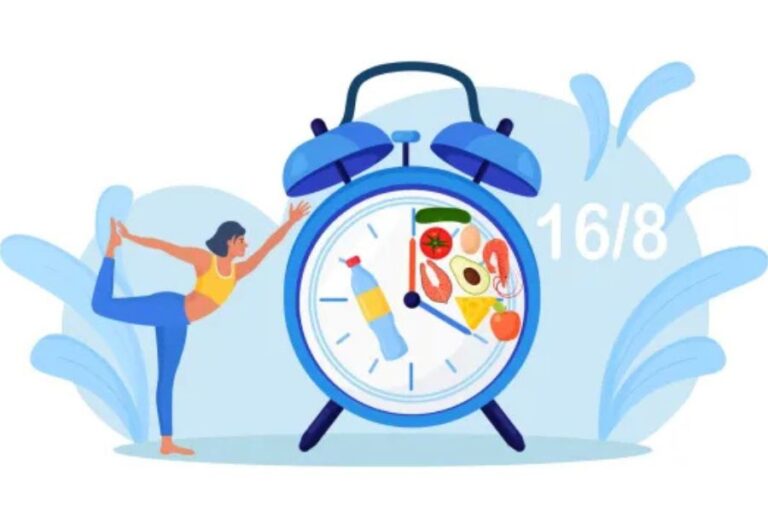
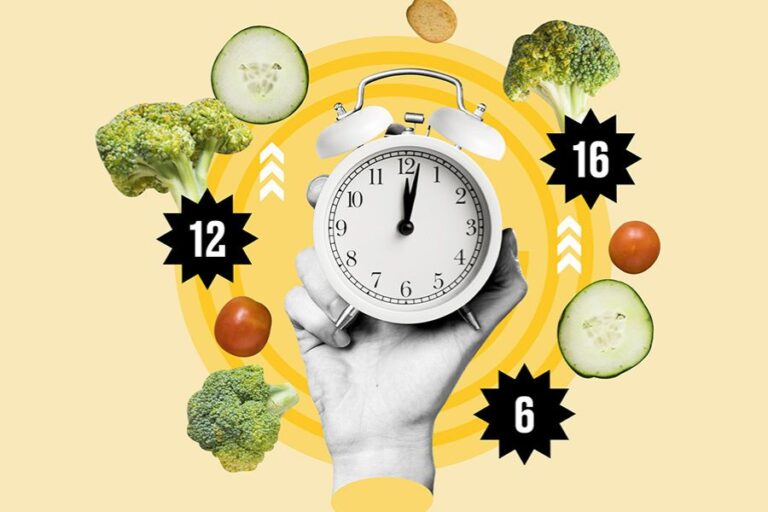
For most people who care about muscle, a 16:8 schedule is the most practical option. You fast for 16 hours, then eat all your calories within an 8 hour window.
This pattern gives you:
- Enough time to eat the calories and protein you need
- At least 2 to 3 solid meals to stimulate muscle protein synthesis
- A daily routine that pairs well with regular workouts
Several sources suggest that a 16:8 setup helps people lose fat while maintaining muscle when they also follow resistance training and eat enough protein (BetterMe, Simple Life).
Fasting approaches that may be riskier
Methods that make muscle loss more likely, especially without guidance, include:
- Very short eating windows, like 20:4 or one-meal-a-day
- Alternate day fasting with severe calorie restriction on fasting days
- Unstructured skipping of meals that leads to very low calorie and protein intake
A 12 week trial of daily 16:8 fasting without any education about diet quality or exercise led to modest weight loss but also reduced muscle mass (Harvard Health Publishing). Trials that included behavioral counseling and nutrition guidance did not show this muscle loss, which suggests structure and support make a real difference (Harvard Health Publishing).
If you prefer alternate day fasting or very tight windows, pay even closer attention to training and nutrition, or consider a gentler fasting style.
Eat to prevent intermittent fasting muscle loss
Your eating window is where you protect your muscle. The goal is simple. Give your body enough protein, calories, and carbs to support recovery and growth.
Dial in your daily protein
Across several sources, a consistent theme shows up. Higher protein intake helps prevent intermittent fasting muscle loss.
Some practical ranges you can consider:
- Around 1.5 grams of protein per kilogram of body weight per day (BetterMe)
- Or roughly 0.6 to 0.9 grams per pound of body weight daily (Simple Life)
Within your eating window, spreading this protein intake fairly evenly across 2 to 3 meals, rather than having one huge meal and several tiny ones, can give you multiple chances to stimulate muscle protein synthesis (Frontiers in Nutrition).
Build balanced meals in your eating window
To make each meal work harder for your muscles, focus on:
-
A strong protein source
-
Meat, poultry, fish, eggs, Greek yogurt, cottage cheese
-
Tofu, tempeh, lentils, beans, or protein powders if you prefer plant-based
-
Smart carbohydrates for fuel
-
Whole grains, potatoes, fruit, beans, and starchy vegetables
-
Aim for roughly 1.8 to 3.2 grams of carbs per pound of body weight if you are focused on muscle gain (Simple Life)
-
Healthy fats
-
Nuts, seeds, olive oil, avocado, and fatty fish
You do not need to count every gram, but aiming for a protein rich food at every meal and snack within your window is a simple way to protect your lean mass.
Avoid overly aggressive calorie cuts
Intermittent fasting can make it easy to eat less without thinking much about it. This can help with fat loss, but if you go too low with calories, muscle loss becomes more likely.
Some research suggests that when calories are not cut too harshly and protein is adequate, intermittent fasting can perform as well as or better than regular diets at preserving muscle mass during weight loss (Simple Life)). The key is staying in a moderate deficit, not chasing the smallest possible number on the scale.
If you notice:
- Constant fatigue
- Trouble finishing your workouts
- Ongoing hunger even within your eating window
you may have pushed calories too low for your current activity level.
Time your workouts and meals
You do not have to perfectly match every meal to every workout, but some simple timing strategies can give you better results with less effort.
Align training with your eating window
If possible, place your workout either:
- Near the middle of your eating window, or
- Toward the end of your fast, just before your first meal
Then eat a protein rich meal within a couple of hours after training. This helps your body shift from breaking down tissue during exercise to building it back up.
Consider BCAAs when needed
If your schedule forces your workout to fall outside of your eating window, some sources suggest sipping branched chain amino acids (BCAAs) during training may help reduce muscle breakdown and support muscle maintenance (BetterMe).
This is optional, and not a magic fix. It can be a useful tool if you repeatedly train while fully fasted and cannot move your workout or meal times.
Lift weights to stay strong and lean
Resistance training is the single most important habit you can add if you want to prevent muscle loss on intermittent fasting.
Why resistance training matters so much
Without a reason to keep muscle, your body will readily tap into it during a calorie deficit. Resistance exercise sends a clear signal that your muscle tissue is valuable and should be preserved, even while you are losing fat.
A 2021 review noted that resistance training can help offset negative muscle protein balance that naturally occurs in the fasted state, although short term studies still did not show large increases in muscle mass when combined with intermittent fasting (Frontiers in Nutrition). Longer, well designed training plans may be needed to see full strength and size gains.
Other sources report that men following a 16:8 fasting schedule while lifting weights were able to retain their muscle and lose body fat at the same time (Simple Life).
Focus on compound exercises
To get the most out of your gym time, build your routine around compound movements. These work several muscle groups at once and give you more strength and muscle gain per minute.
Examples include:
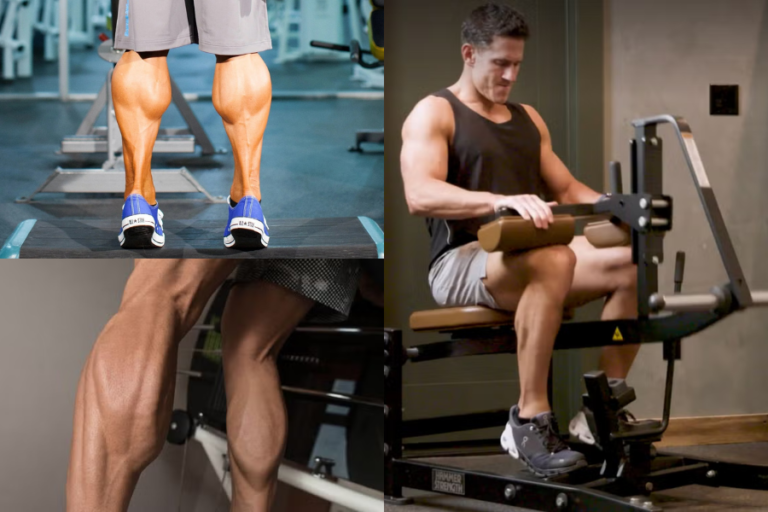
- Squats and leg presses
- Deadlifts and hip hinges
- Bench presses and push ups
- Rows and pull ups
- Overhead presses
Aim for 2 to 4 resistance training sessions per week. Choose a weight that feels challenging in the last few repetitions while keeping good form, and try to add small amounts of weight, reps, or sets over time.
Add cardio without sacrificing muscle
You can still include cardio on an intermittent fasting plan. It can support your heart health and help with fat loss.
Moderate intensity cardio such as 25 to 40 minutes on a bike or elliptical, about three times a week, has been reported to help maintain lean muscle during alternate day fasting without getting in the way of muscle gain (Simple Life).
If you are very focused on muscle retention, keep cardio moderate and avoid stacking long, intense cardio sessions on top of a large calorie deficit.
Learn from existing intermittent fasting research
Looking at how studies are designed can help you avoid common mistakes.
What happens when there is no guidance
The JAMA randomized controlled trial that sparked concern about intermittent fasting muscle loss used a simple 16 hour fast and 8 hour eating window. Participants did not receive any nutrition education or physical activity guidance. Over 12 weeks, the fasting group:
- Lost about 0.94 kilograms (around 2 pounds) compared to a non significant change in the consistent meal timing group
- Also lost muscle mass, while the comparison group did not (Harvard Health Publishing)
This suggests that simply shrinking your eating window, without paying attention to what you eat and how you move, can lead to weight loss that includes muscle, not just fat.
What happens when support is added
A separate study published in the American Journal of Clinical Nutrition enrolled 250 adults with overweight or obesity. This time, intermittent fasting was paired with behavioral counseling, nutrition guidance, and physical activity recommendations. After 12 months, participants:
- Lost an average of 8.8 pounds
- Did not experience muscle mass loss (Harvard Health Publishing)
This shows that when intermittent fasting is treated as a complete lifestyle approach, not just a clock based rule, you can lose weight while keeping your muscle.
What experts recommend to protect your muscle
Experts who study intermittent fasting and muscle consistently highlight a few protective habits:
- Eat a high quality diet, not just any food that fits in your eating window
- Include enough protein to support your lean mass
- Stay physically active and prioritize resistance training
- Avoid overly severe calorie cutting, especially if you are already lean or older (Harvard Health Publishing)
When you combine these habits with a thoughtful fasting schedule, the risk of muscle loss drops significantly.
Turn intermittent fasting into a muscle friendly tool
Intermittent fasting does not have to mean sacrificing strength for a smaller waistline. With a few intentional choices, you can make it a tool that supports both your health and your physique.
Here is a simple checklist you can use as you plan your week:
-
Choose a muscle friendly schedule
-
Use a 16:8 fasting and eating window whenever possible
-
Be cautious with very short eating windows or harsh alternate day fasts
-
Hit your daily protein
-
Aim for about 1.5 g/kg or 0.6 to 0.9 g/lb body weight in protein
-
Spread it across 2 to 3 meals in your eating window
-
Keep calories moderate, not extreme
-
Use a modest calorie deficit for fat loss
-
Watch for signs of under eating like constant fatigue and poor performance
-
Lift weights consistently
-
Train with resistance at least 2 to 3 times per week
-
Center your routine on compound exercises and gradual progression
-
Position meals around workouts
-
Try to train inside your eating window
-
Have a protein rich meal within a couple of hours after lifting
-
Adjust for your situation
-
If you are older, sedentary, or recovering from weight cycling, be even more cautious about long fasts
-
Consider talking with a healthcare provider or dietitian if you have medical conditions
If intermittent fasting currently leaves you feeling weaker or smaller instead of stronger and leaner, start by adjusting just one element. For example, you might add an extra serving of protein at each meal for the next week, or schedule two short strength workouts around your eating window. Small changes like these can shift your results from intermittent fasting muscle loss to muscle maintenance and better overall health.
About the Author