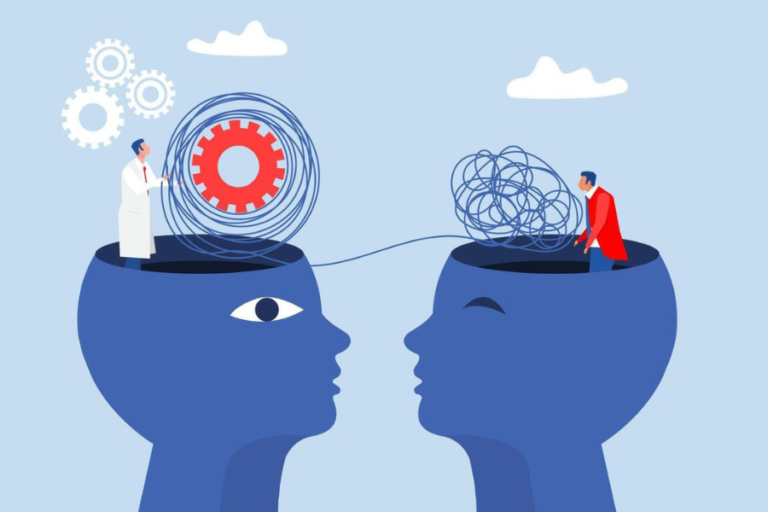
Why workplace mental health matters right now
Your workplace mental health is not a side issue. It shapes how clearly you think, how creative you feel, and how much energy you have left at the end of the day.
When mental health struggles are ignored, productivity often drops. Research across multiple countries shows that poor mental health, especially depression and anxiety, is consistently linked with more missed workdays and reduced effectiveness while you are at work, often called absenteeism and presenteeism (NCBI PMC). In the United States, unresolved depression alone is associated with a 35% reduction in productivity and major economic losses each year (Berkeley Executive Education).
This might sound big and abstract, but it comes down to small daily realities. Struggling to focus during meetings. Feeling numb or on edge most of the day. Coming home drained with nothing left for yourself or the people you care about.
The good news is that you can take practical steps, even if you are not a manager or HR leader, to protect your workplace mental health and reduce your risk of burnout.
Recognize burnout and mental health warning signs
Preventing burnout starts with noticing what is really going on for you, not what you think you “should” be able to handle.
Burnout signs to watch for
According to the CDC, burnout is a long-lasting state of exhaustion and cynicism that makes it harder to cope with daily life both at work and at home (CDC). You might notice:
- Constant fatigue, even after a full night of sleep
- Irritability or feeling emotionally flat
- Growing cynicism about your job, team, or organization
- A sense of dread before workdays or meetings
- Trouble concentrating or finishing routine tasks
- Feeling detached from coworkers or projects you used to care about
Over time, burnout can increase your risk of anxiety and depression and can affect your decision to stay in your role or even your field altogether (CDC).
Mental health red flags at work
Work-related stress is common, but ongoing mental health symptoms deserve attention. Studies show that depression is one of the conditions with the greatest impact on workplace functioning (EBSCO). You may want extra support if you notice:
- Persistent sadness or emptiness most days
- Loss of interest in activities you usually enjoy
- Significant changes in sleep or appetite
- Feeling anxious or on edge almost all the time
- Thoughts like “What is the point?” about your work or life
The CDC notes that depression can interfere with completing physical tasks about 20% of the time and can reduce cognitive performance by 35% (Spring Health). Yet many people never get help, even with moderate or severe symptoms.
If these signs feel familiar, it is not a personal failure. It is a signal that your mind and body need care.
Understand how your job affects your mental health
Not all stress is created equal. Some pressure helps you grow. Other stress slowly wears you down.
Common workplace stressors
Research from the WHO highlights psychosocial risks at work that can harm mental health, including job content, schedules, workplace culture, and limited career development (WHO). Many workers face:
- Heavy workload or unrealistic deadlines
- Long or irregular hours that disrupt sleep
- Lack of control over how or when tasks are done
- Unclear expectations or constantly shifting priorities
- Limited recognition or feedback
- Exposure to harassment, discrimination, or unsafe conditions
In toxic environments, employees are more than twice as likely to rate their mental health as fair or poor, and over 75% say their workplace negatively affects their well-being (Spring Health).
When work helps instead of hurts
Work can also protect your mental health. The WHO notes that decent work can support recovery, inclusion, confidence, and social functioning for many people (WHO). You are more likely to feel well when you have:
- Reasonable demands and clear responsibilities
- Supportive coworkers and managers
- Fair pay and job security
- Opportunities to learn and advance
- A sense that your work matters
Knowing which factors are present in your job helps you decide where to focus your energy, what to ask for, and when you might need a bigger change.
Reduce stress with small daily habits
You do not need an elaborate routine to support your workplace mental health. Simple, repeatable habits can create a buffer between you and chronic stress.
Create realistic boundaries
Work-life harmony is one of the U.S. Surgeon General’s essentials for a mentally healthy workplace (HHS.gov). You can start with boundaries you control:
- Decide on a “shutdown time” each workday and stick to it when you can.
- Avoid checking email or messages in the first and last 30 minutes of your day.
- Silence non-urgent notifications during focused work or after hours.
- Use an out-of-office or status message to set response expectations when you need focus time.
Boundaries do not have to be rigid, but they should be clear enough that you and others can respect them.
Build short recovery breaks into your day
You are not a machine that runs at 100% until it is time to sleep. Short, intentional breaks help you reset.
Try adding:
- A 5-minute stretch or walk after long meetings
- One screen-free break, even if you stay at your desk
- A midday check-in, such as asking “How stressed am I from 1 to 10?” and adjusting your pace if the number is high
Even in demanding roles, a few brief pauses can reduce exhaustion and help you return to tasks with more focus.
Protect your energy outside of work
Your life outside of work strongly influences how resilient you feel during the workday. Consider:
- Prioritizing sleep by setting a regular wind-down time
- Choosing one small daily habit that refuels you, such as reading, time outdoors, or connecting with a friend
- Limiting alcohol or substances that can worsen mood and sleep
These are not “nice to haves.” They are part of your basic infrastructure for mental health.
Shape your workload where you can
You might not control everything about your job, but you often have more influence than you think.
Tweak tasks instead of overhauling your job
Academic research often calls this “job crafting.” In simple terms, it means adjusting how you approach your work so it fits you better. You might:
- Batch similar tasks together to stay in a focused mode
- Schedule your hardest work during your highest energy time
- Trade or redistribute tasks within your team when it makes sense
- Ask to drop low-impact tasks if you have taken on new responsibilities
Even modest changes can reduce the feeling that your job is running you.
Communicate your capacity early
Stress rises quickly when you silently try to meet impossible expectations. Instead of waiting until you are overwhelmed, try:
- Letting your manager know when priorities conflict, and asking which task should come first
- Offering realistic timelines instead of defaulting to “as soon as possible”
- Sharing when a deadline is not feasible and suggesting alternatives
Managers cannot always change the ask, but clear communication gives them a chance to adjust.
Strengthen connection and support at work
Feeling connected at work is not just “nice.” It is one of the core essentials of a healthy workplace, called connection and community in the U.S. Surgeon General’s framework (HHS.gov).
Build small but meaningful connections
You do not have to become best friends with your coworkers. Simple actions can still improve your day:
- Say a genuine hello or check in with someone you work with closely
- Share what you are working on and ask what they are tackling
- Join one optional team event that aligns with your interests
- Offer help with a small task when you have capacity
These gestures make it easier to ask for support when stress climbs and to feel less isolated.
Use existing mental health resources
Many organizations now provide mental health support, but it is often underused. Resources may include:
- Employee assistance programs that offer short-term counseling
- Mental health webinars or workshops
- Quiet rooms, wellness spaces, or mindfulness sessions
- Peer support or “mental health champion” networks
For example, global companies like Unilever have trained thousands of “mental health champions” to notice and support colleagues, and Akamai and Samsung have created broad wellness programs that include counseling, meditation, pet therapy, and stress management activities (Imagine JHU).
If your workplace offers similar programs, you are allowed to use them. They exist for you.
Ask for help without apologizing
Reaching out for help is a practical response to ongoing stress, not a weakness.
Talk to someone you trust
This might be:
- A supervisor who has shown that they care about well-being
- A trusted coworker or mentor
- A friend or family member who knows your work context
You can keep it simple, for example:
- “My workload has been heavy for a while and it is starting to affect my sleep and mood. Could we talk about options?”
- “I am feeling more anxious and less focused than usual. I would appreciate a sounding board while I sort out what might help.”
Often, other people have ideas or influence you might not see on your own.
Seek professional support
The CDC reports that many people with moderate or even severe depression never receive professional help (Spring Health). If you notice ongoing symptoms, consider:
- Checking whether your health insurance covers therapy
- Using an employee assistance program if one is available
- Searching for therapists who specialize in work-related stress, anxiety, or depression
- Calling a crisis line if you ever feel at risk of harming yourself or others
Mental Health America offers a Workplace Wellness Resource Center with tools that can help both workers and employers understand and support mental health at work (Mental Health America).
You deserve support just as much as anyone you care about.
Advocate for healthier workplace practices
You might not design company policy, but your voice still matters. Many improvements to workplace mental health start because workers speak up.
Know what healthy workplaces look like
The U.S. Surgeon General’s Framework for Workplace Mental Health and Well-Being outlines five essentials that any organization can aim for (HHS.gov):
- Protection from harm, both physical and psychological
- Connection and community
- Work-life harmony
- Mattering at work
- Opportunity for growth
You can use these ideas to clarify what you need and to suggest concrete changes instead of vague complaints.
Suggest one specific improvement
When you feel safe enough to do so, you might propose:
- More flexible scheduling or location options for your team
- Clearer expectations around response times and “off hours”
- Manager training on recognizing stress and burnout
- Mental health first aid training or peer support groups
- A mental health awareness day or resource hub
The WHO recommends flexible working arrangements and frameworks to address workplace violence and harassment as part of protecting mental health at work (WHO). Even if your organization moves slowly, each conversation makes the topic less taboo.
Create your personal burnout prevention plan
Instead of trying to change everything at once, pick a small set of actions you can actually follow through on.
You might choose:
- One boundary you will protect this week, for example, no email after a certain time
- One daily habit that supports recovery, such as a 10-minute walk or a real lunch break
- One conversation you will have, with a manager, coworker, or friend
- One resource you will explore, such as an EAP, therapist, or trusted website
Write these down somewhere you will see them. Treat them as commitments to your future self, not optional extras.
Your workplace mental health is not a luxury. It is the foundation for how you show up at work and in your life. By noticing early signs of burnout, shaping your day where you can, leaning on support, and advocating for healthier practices, you give yourself a better chance to stay engaged, grounded, and well.
About the Author