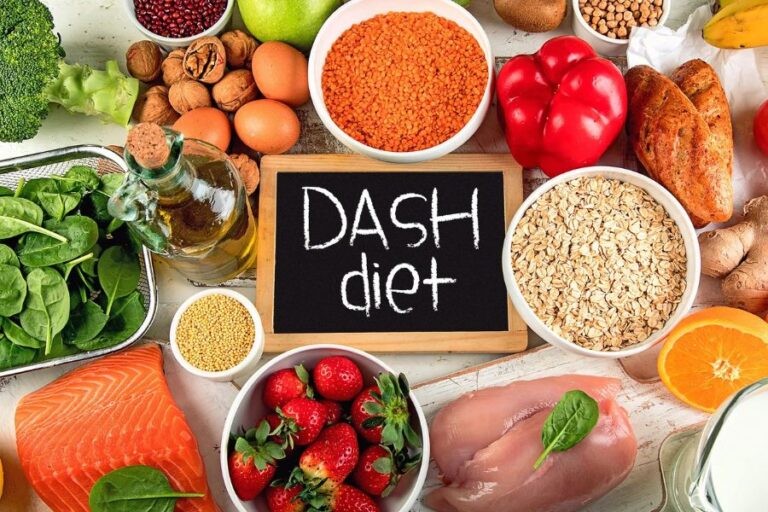
A dash diet grocery list can be simple, budget friendly, and surprisingly flexible. Instead of specialty products, you will focus on everyday foods that help lower blood pressure and support weight loss. With a little planning, you can stock your kitchen with heart healthy basics without overspending.
The DASH diet, short for Dietary Approaches to Stop Hypertension, centers on fruits, vegetables, whole grains, lean protein, and low fat dairy, with limits on saturated fat and sodium. Most of these items are easy to find at any supermarket and you can tailor them to your taste and your budget.
Understand the basics of the DASH diet
Before you write your grocery list, it helps to know what the DASH diet includes and why. The core idea is to eat more foods that are naturally rich in potassium, calcium, magnesium, and fiber and fewer foods that are high in saturated fat and sodium. This approach can help reduce blood pressure and improve overall heart health, as outlined by Mayo Clinic recommendations in 2023 (Mayo Clinic).
On a typical day, you will build your meals around:
- Plenty of vegetables and fruits
- Whole grains instead of refined grains
- Fat free or low fat dairy
- Lean meats, poultry, and fish in modest portions
- Beans, lentils, nuts, and seeds
- Limited sweets and added fats
The DASH diet also guides you to keep sodium between roughly 1,500 and 2,300 milligrams per day, which affects what you choose at the store and how you season your food (Mayo Clinic).
Plan your dash diet grocery list by food group
You do not need a perfect plan to get started, but having a structure makes shopping easier and cheaper. Instead of grabbing random “healthy” items, you can walk the store with a simple checklist built around DASH food groups and suggested servings.
According to Mayo Clinic, the DASH plan gives serving ranges for different calorie levels and explains how many daily servings you might aim for from each group, which is useful when you plan a detailed and balanced grocery list (Mayo Clinic). Use the table below as a friendly reference for a moderate calorie level.
| Food group | Typical daily servings* | Budget friendly picks |
|---|---|---|
| Vegetables | 4 to 5 | Carrots, cabbage, frozen broccoli or spinach |
| Fruits | 4 to 5 | Bananas, apples, oranges, frozen berries |
| Grains (mostly whole) | 6 to 8 | Oats, brown rice, whole wheat bread or pasta |
| Fat free / low fat dairy | 2 to 3 | Store brand yogurt, skim or 1 percent milk |
| Lean meats, poultry, fish | Up to 6 ounces | Chicken breast, turkey, canned light tuna |
| Nuts, seeds, legumes | 4 to 5 per week | Dry beans, lentils, peanut butter |
| Fats and oils | 2 to 3 | Olive or canola oil, soft tub margarine |
| Sweets | 5 or fewer per week | Dark chocolate squares, fruit based treats |
*Serving ranges are based on typical DASH diet patterns described by Mayo Clinic. Your exact needs may differ depending on age, activity, and calorie goals.
Think of this as a flexible framework, not a rigid rulebook. If you are not ready for daily vegetables at every meal, you can start by adding one extra serving each day and build from there.
Stock up on fruits and vegetables for less
Fruits and vegetables are the backbone of your dash diet grocery list. They provide the nutrients that support healthy blood pressure while keeping meals colorful and satisfying. They can also be affordable if you shop strategically.
Fresh produce in season tends to cost less and taste better. In winter, look for cabbage, carrots, onions, and oranges. In summer, lean into zucchini, tomatoes, and melon. For items that are out of season or expensive in your area, frozen produce is a smart alternative. It is usually picked and frozen at peak ripeness, it keeps well, and it is often cheaper per serving.
To stretch your budget, you might:
- Choose whole fruits over pre cut options
- Buy larger bags of apples, potatoes, or carrots instead of single pieces
- Pick store brand frozen mixed vegetables and berries
- Use sturdy vegetables like carrots, onions, and cabbage in soups and stir fries
If you are new to eating more produce, start with two or three fruits you already enjoy and two easy to cook vegetables. You can expand your list as you find recipes you like.
Choose whole grains that fit your budget
Whole grains are a key part of the DASH diet because they offer fiber, vitamins, and minerals that help you feel full and support heart health. Swapping refined grains for whole versions is a simple step that can make a meaningful difference over time.
Budget friendly whole grains include oats, brown rice, barley, and whole wheat pasta. Large containers of rolled oats are usually cheaper than flavored instant packets, and you can customize them with fruit, cinnamon, or a spoonful of peanut butter. Brown rice in bulk bags costs less per serving than small microwave pouches and works in stir fries, grain bowls, and soups.
When you shop, check labels for the words “100% whole grain” or “whole wheat” near the top of the ingredient list. Some breads and cereals look healthy on the front of the package but still rely mostly on refined flour, so a quick label check helps you get the most from your money.
Pick low fat dairy the smart way
The DASH diet encourages fat free or low fat dairy, such as milk, yogurt, and cheese, as part of its grocery list to support heart health and manage blood pressure (Mayo Clinic). Dairy adds calcium and protein, which can help you feel satisfied and support bone health.
To keep your cart budget friendly, focus on:
- Store brand skim or 1 percent milk
- Large tubs of plain low fat yogurt instead of small flavored cups
- Part skim cheese, used as a flavor accent rather than the main focus
Plain yogurt is especially versatile. You can use it at breakfast with fruit and oats, at lunch in a smoothie, or at dinner as a topping for chili or baked potatoes. If you prefer some sweetness, stir in a little honey or fruit at home instead of paying more for pre sweetened options.
If you do not tolerate dairy, you can still follow DASH style principles by choosing fortified plant milks that are low in sugar and sodium. Just be sure to check the nutrition label, since some milks contain added salt or a lot of added sugar.
Focus on lean protein and plant based options
Protein helps keep your meals balanced and satisfying, which is important if you hope to lose weight on a DASH style diet. The plan emphasizes lean meats, poultry, and fish, as well as beans, lentils, nuts, and seeds (Mayo Clinic).
You can keep costs under control by:
- Choosing family packs of chicken thighs or breasts, then freezing portions
- Buying canned light tuna or salmon packed in water
- Using eggs a few times per week for budget friendly dinners
- Making beans and lentils a regular part of your menu
Dry beans and lentils are some of the most economical items you can add to your dash diet grocery list. A single bag can provide multiple meals, from soups to tacos to grain bowls. If you prefer canned beans, you can still keep sodium in check by choosing no salt added varieties or rinsing them under water before use.
Nuts and seeds can seem expensive at first, but you use them in small amounts. A bag of peanuts, sunflower seeds, or mixed nuts can last several weeks if you sprinkle a tablespoon or two over oatmeal, yogurt, or salads.
Keep fats, sweets, and sodium in balance
The DASH diet does not ban fats or sweets, it simply encourages you to choose them carefully and use them in moderation. This balance helps you stick with the plan long term instead of feeling deprived.
For everyday cooking, a small bottle of olive or canola oil will cover most of your needs. Soft tub margarine with little or no trans fat can be another option in place of butter. You can add richness to meals with small amounts of avocado, nuts, or seeds instead of relying on heavy cream sauces or fried foods.
When it comes to sweets, the DASH plan suggests limiting them to five servings or fewer per week (Mayo Clinic). Simple, inexpensive choices include a square or two of dark chocolate, homemade baked apples, or a small serving of frozen fruit with yogurt. If you like packaged treats, buy single servings instead of large boxes to keep portions in check.
For sodium, your grocery habits make a big difference. The DASH diet recommends keeping daily sodium between about 1,500 and 2,300 milligrams by choosing low sodium or no salt added products whenever possible (Mayo Clinic). You can support that goal by:
- Buying low sodium or no salt added canned vegetables, beans, and broths
- Choosing fresh or frozen meats instead of heavily processed options
- Flavoring foods with herbs, spices, citrus, garlic, and vinegar instead of extra salt
Over time, your taste buds adjust, and you may find that you prefer the natural flavor of foods instead of heavily salted versions.
Turn your dash diet grocery list into real meals
A helpful grocery list is only half the story. To feel the benefits of the DASH diet for weight loss and health, you also need simple ways to turn those ingredients into everyday meals you will actually eat.
One easy approach is to build meals from a short formula. For example, many DASH friendly plates include:
- One half plate vegetables and fruits
- One quarter plate whole grains
- One quarter plate lean protein
- A small serving of low fat dairy on the side if you like
Here is how that might look using budget friendly items from your list:
- Breakfast: Oatmeal cooked with skim milk, topped with a sliced banana and a spoonful of peanut butter
- Lunch: Brown rice bowl with black beans, frozen mixed vegetables, salsa, and a sprinkle of cheese
- Dinner: Baked chicken thighs with roasted carrots and potatoes, plus a side of steamed frozen broccoli and a dollop of yogurt based sauce
- Snacks: An apple with a small handful of nuts, carrot sticks with hummus, or yogurt with frozen berries
As you get comfortable, you can swap in different fruits, vegetables, and grains based on what is on sale that week. Your grocery list stays consistent in structure, even if the specific items change with the seasons and your taste.
Make the dash diet work for your life
You do not need to follow every guideline perfectly to see benefits from a dash diet grocery list. Every step you take toward more fruits and vegetables, more whole grains, more low fat dairy, and less sodium can support your blood pressure and your overall health.
To keep things realistic, start with a few goals that feel manageable, such as:
- Adding one extra serving of vegetables per day
- Swapping white bread for whole wheat
- Buying low sodium versions of your usual canned items
- Cooking one bean based meal per week
As these habits become routine, you can build on them. The DASH diet is designed to be practical, flexible, and sustainable. With a thoughtful grocery list in hand and an eye on simple, affordable foods, you can move toward better health one cart at a time.
About the Author