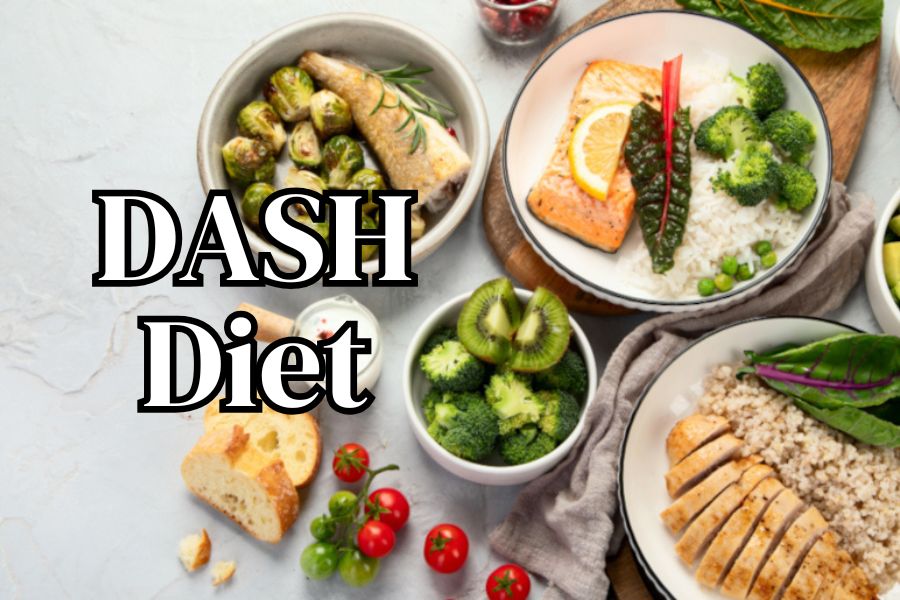
A heart healthy eating plan like the DASH diet for blood pressure control does not have to feel complicated or strict. With a few clear guidelines and some practical meal ideas, you can use this approach to support lower blood pressure, better cholesterol, and even gradual weight loss.
The DASH diet, which stands for Dietary Approaches to Stop Hypertension, was specifically designed to help prevent or treat high blood pressure by focusing on foods that naturally lower blood pressure and limiting those that raise it (Mayo Clinic). It has consistently been named a top diet for heart health and for managing hypertension, including recognition in 2025 as “Best Heart-Healthy Diet” and “Best Diet for High Blood Pressure” (NHLBI).
What the DASH diet is and how it works
At its core, the DASH diet for blood pressure is a pattern of everyday eating, not a short term fad. You focus on vegetables, fruits, and whole grains as the base of your meals, then add lean protein and low fat dairy, and limit sodium, added sugars, and saturated fat.
The plan is rich in potassium, calcium, magnesium, protein, and fiber, all nutrients that help lower blood pressure and support overall heart health (Mayo Clinic). You do not need special products or meal replacements. Everything can come from your regular grocery store or local restaurants, which makes this approach easier to stick with long term (Mayo Clinic).
Instead of counting every calorie, DASH gives you targets for how many servings to aim for from each food group based on a 2,000 calorie per day pattern, which you can adjust up or down depending on your needs (NHLBI).
Key food groups and serving guidelines
You have a lot of flexibility within the DASH guidelines, but it helps to know the general structure. For a 2,000 calorie eating plan, daily and weekly goals typically include (Mayo Clinic; NHLBI):
- Grains, mostly whole grains
- Vegetables
- Fruits
- Fat free or low fat dairy
- Lean meats, poultry, and fish
- Nuts, seeds, and legumes
- Limited fats and oils
- Limited sweets and added sugars
A simplified look at how this comes together for many people on a 2,000 calorie plan:
| Group | Typical servings per day (or week) | What this looks like |
|---|---|---|
| Grains, mostly whole | 6 to 8 per day | Oatmeal, whole wheat bread, brown rice |
| Vegetables | 4 to 5 per day | Salads, steamed veggies, roasted vegetables |
| Fruits | 4 to 5 per day | Fresh, frozen, or canned fruit in juice |
| Fat free or low fat dairy | 2 to 3 per day | Skim milk, low fat yogurt, reduced fat cheese |
| Lean meats, poultry, fish | Up to 6 one ounce servings per day | Skinless chicken, turkey, fish, lean beef or pork |
| Nuts, seeds, legumes | 4 to 5 per week | Almonds, peanuts, lentils, beans |
| Fats and oils | 2 to 3 per day | Olive oil, canola oil, soft margarines |
| Sweets and added sugars | 5 or fewer per week | Small treats, not everyday desserts |
These are starting points, not rigid rules. If you are more active or need fewer calories, your ideal number of servings will shift. What matters most is the pattern: more plants, more fiber, more heart healthy nutrients, and less sodium and saturated fat.
Sodium limits and why they matter
Sodium is a big driver of high blood pressure because it affects how your body holds onto fluid. The more sodium you take in, the more water your body retains, which increases the volume of blood in your vessels and raises pressure.
The standard DASH diet for blood pressure aims for less than 2,300 milligrams of sodium per day, which is about one teaspoon of table salt (Mayo Clinic). There is also a lower sodium version that limits you to 1,500 milligrams daily. According to the National Heart, Lung, and Blood Institute, going down to 1,500 milligrams can lower your blood pressure even more than staying at 2,300 milligrams (NHLBI).
You probably will not need to count every milligram forever, but in the beginning it helps to:
- Read labels and compare brands.
- Choose products marked low sodium, reduced sodium, or no salt added.
- Rinse canned beans and vegetables.
- Flavor food with herbs, spices, lemon, or vinegar instead of extra salt.
Over time, your taste buds adjust, and heavily salted foods begin to taste too intense.
What to eat more of each day
To make the DASH diet feel straightforward, it may help to focus first on what you should add to your plate, not just what to remove.
You will want to include:
- Plenty of vegetables, especially leafy greens, carrots, tomatoes, peppers, and cruciferous vegetables like broccoli.
- A variety of fruits, such as berries, apples, oranges, bananas, and pears.
- Whole grains like oats, brown rice, quinoa, barley, and whole wheat breads or pastas.
- Fat free or low fat dairy, including milk, yogurt, and cottage cheese, which are good sources of calcium and protein.
- Lean protein from fish, poultry, beans, and lentils, which support heart health and help you feel full.
- Nuts and seeds in small portions a few times a week for healthy fats and magnesium.
These foods are naturally rich in the blood pressure friendly nutrients that DASH emphasizes, including potassium, calcium, magnesium, and fiber (Mayo Clinic).
What to limit for better blood pressure
The DASH diet also asks you to cut back on foods that work against your blood pressure goals. The big three are sodium, saturated fat, and added sugars.
You will want to limit:
- Fatty cuts of meat like sausage, bacon, and regular ground beef, which tend to be high in saturated fat and sodium.
- Full fat dairy products such as whole milk, cream, and full fat cheese.
- Packaged snacks that are heavily salted, including chips, crackers, and instant noodles.
- Fast foods and restaurant meals, which are often high in sodium even when they do not taste very salty.
- Sugary drinks and sweets, since they add extra calories without helpful nutrients and can interfere with weight loss.
The DASH diet notably restricts foods high in saturated fat, such as fatty meats and full fat dairy, to help prevent and control hypertension more effectively (Mayo Clinic).
You are encouraged to keep alcohol moderate as well, if you drink. Excessive alcohol can increase blood pressure, so guidelines suggest no more than two drinks per day for men and one or less for women (Mayo Clinic).
Sample day on the DASH diet
Seeing a full day of food can make the DASH diet for blood pressure feel more approachable. Here is one example you can adapt to your tastes and calorie needs.
Breakfast
- Oatmeal cooked with skim milk, topped with sliced banana and a sprinkle of chopped walnuts
- A small glass of calcium fortified orange juice or a piece of additional fruit
Midmorning snack
- Low fat yogurt with a handful of berries
Lunch
- Large salad with mixed greens, cherry tomatoes, cucumbers, grated carrots, and chickpeas
- Grilled chicken breast or baked tofu on top
- Whole wheat roll or slice of whole grain bread
- Olive oil and vinegar dressing, used lightly
Afternoon snack
- Apple slices with a small spoonful of peanut butter
Dinner
- Baked salmon or another fish
- Quinoa or brown rice
- Steamed broccoli and roasted carrots
- A side of low fat yogurt or cottage cheese if desired
Evening snack (if needed)
- A small serving of air popped popcorn with minimal salt
- Or a piece of fruit
This type of day supplies plenty of vegetables, fruits, whole grains, lean protein, and low fat dairy. It is also naturally lower in sodium and saturated fat than a typical Western style eating pattern.
How the DASH diet supports weight loss
Although the DASH diet was originally designed for blood pressure, many people find that it also helps with weight loss. That tends to happen because the plan is high in fiber and protein, both of which keep you full, and relatively low in calorie dense processed foods.
If weight loss is one of your goals, you can:
- Fill half your plate with vegetables at lunch and dinner.
- Choose whole fruits instead of fruit juice so you get the fiber.
- Keep added fats like oils and spreads to moderate amounts.
- Watch portion sizes of grains, especially at dinner.
The DASH eating plan gives daily and weekly nutritional goals, and you can work with your healthcare provider or a dietitian to adjust them to meet your personal calorie needs and weight goals (NHLBI).
Tips for starting and sticking with DASH
You do not need to overhaul everything at once to see benefits. Gradual changes tend to stick better long term.
You might start with a few small steps:
- Add one more serving of vegetables to your day, for example a side salad at lunch.
- Swap one refined grain, like white bread, for a whole grain option.
- Cook at home one extra night per week so you can control sodium.
- Choose low fat or fat free dairy instead of full fat versions.
- Check nutrition labels on two of your regular packaged foods and switch to lower sodium brands if possible.
The DASH eating plan is designed to be flexible and accessible. It does not require specialty foods, and it fits well with many cultural and personal food preferences as long as you keep the main principles in mind (Mayo Clinic).
When to talk with your healthcare provider
If you already have high blood pressure, heart disease, kidney problems, or you take blood pressure medication, it is a good idea to talk with your healthcare provider before making major dietary changes. They can help you choose the right sodium target, usually between 1,500 and 2,300 milligrams per day, and may recommend additional lab work or blood pressure checks as you adjust your eating pattern (NHLBI).
You might also want support from a registered dietitian if you:
- Have other conditions, such as diabetes or high cholesterol.
- Need help creating a DASH style meal plan for your whole household.
- Feel unsure how to meet your nutrient needs, like calcium or protein, while limiting salt and saturated fat.
With guidance, you can tailor the DASH diet for blood pressure control and weight management in a way that fits your life, your culture, and your preferences.
If you are ready to begin, pick one element to try this week. For example, aim to have vegetables at both lunch and dinner, or begin choosing low sodium versions of your favorite canned foods. Each small change you make in the direction of DASH style eating can support healthier blood pressure and a stronger heart over time.
About the Author