A carnivore diet can look surprisingly simple. You eat only animal foods, you skip all carbs, and you hope the scale moves in the right direction. If you are curious about carnivore diet weight loss, it helps to understand how it works, what you might realistically expect, and where the risks sit before you make big changes.
Below, you will find friendly, practical guidance so you can have an informed conversation with your doctor and decide if this approach makes sense for you.
Understand what the carnivore diet really is
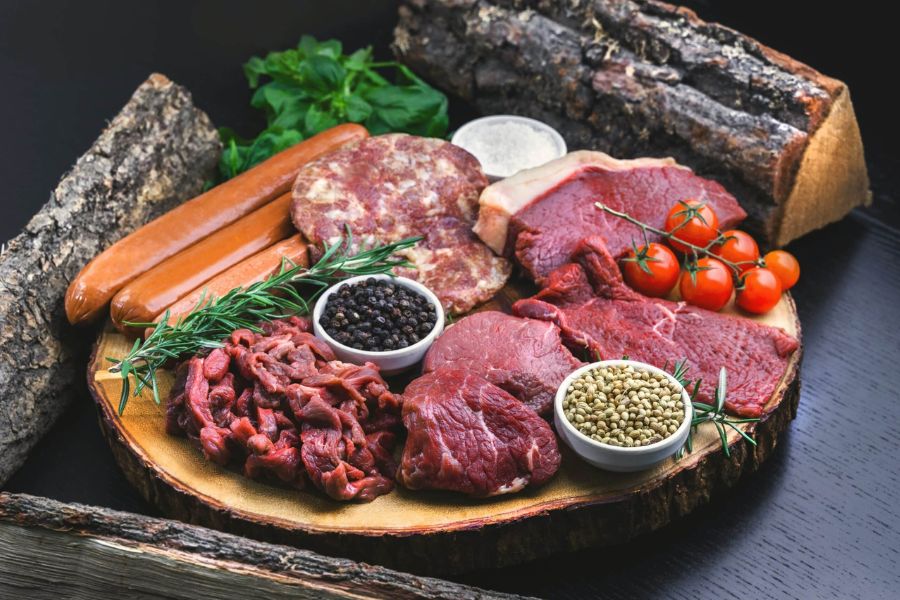
On a classic carnivore diet, you eat only animal products. That usually means meat, poultry, fish, seafood, eggs, and some dairy. You avoid fruits, vegetables, grains, legumes, nuts, seeds, and any source of sugar or starch. In other words, it is a zero carb or nearly zero carb way of eating. (Harvard Health Publishing)
This makes the carnivore diet an extreme version of keto. While keto typically limits carbs to about 5 to 10 percent of your calories, carnivore virtually removes them. Your body responds by using fat for fuel and producing ketones, a state called ketosis. (Harvard Health Publishing)
You may see different versions online, but if there are plant foods involved, it is no longer a true carnivore diet. That detail matters when you think about both potential benefits and risks.
How carnivore diet weight loss can happen
You will find plenty of stories from people who say they lost a lot of weight on carnivore. Some report dropping 20 to 50 pounds in a few months, while others see more modest changes. These are personal accounts, not controlled studies, but they do highlight some patterns. (The Primal)
Here are a few reasons you might lose weight if you try a carnivore diet.
You cut out most high calorie processed foods
The moment you stop eating bread, pasta, sweets, chips, and sugary drinks, you automatically remove many calorie dense, low nutrient foods. That alone can lower your overall intake without counting calories. Several health organizations note that removing these foods is one clear positive of the carnivore trend, even if they do not recommend the diet itself. (Baylor Scott & White Health)
You might find that without desserts and snacks, you simply have fewer opportunities to overeat.
Protein and fat keep you fuller for longer
Animal foods are rich in protein and fat, which tend to be very filling. You may find you are satisfied with two meals a day or that you stop grazing between meals. This can lead to a natural calorie reduction even without tracking.
Many people who share their experiences mention little to no hunger while still losing weight. (The Primal) That can feel like a relief if you are used to white knuckling your way through low calorie eating plans.
Your body may shift into fat burning mode
With so few carbs on your plate, your body taps into stored fat and uses it for energy. This is the same basic mechanism behind ketogenic diets, and it is a big part of the appeal for those looking for faster fat loss. (Harvard Health Publishing)
You may see rapid changes on the scale in the first couple of weeks. Some of that is water weight from dropping carbs, and some may be actual fat loss.
Inflammation or digestive issues may change
A few people turn to carnivore to experiment with relief from IBS, autoimmune issues, or food sensitivities. Some anecdotal reports describe less bloating, fewer digestive symptoms, and improved skin while weight comes off at the same time. (The Primal)
This does not prove the diet cures any specific condition, but if certain plant foods trigger issues for you, removing them might make you feel better, at least in the short term.
What the research and experts actually say
So far, most of what you read about carnivore diet weight loss comes from personal stories and social media posts. Reliable, long term scientific evidence simply is not there yet. Several major health organizations are clear about this.
- Cleveland Clinic notes that claims about carnivore helping with weight loss and chronic disease are mostly anecdotal, not strongly backed by research. (Cleveland Clinic)
- Baylor Scott & White Health and the British Heart Foundation both highlight that while some people lose weight, there is no proof that carnivore is better than other methods in the long run. (Baylor Scott & White Health) (British Heart Foundation)
There is one survey of more than 2,000 people who followed carnivore for at least six months. Many reported better health and less excess weight, but the study relied on self reporting and had no medical checks, so the findings are limited. (British Heart Foundation)
Most registered dietitians quoted by hospitals and heart foundations do not recommend the carnivore diet for weight loss. Instead, they suggest more balanced patterns, such as Mediterranean style eating, that include vegetables, fruits, whole grains, and lean protein for safer, sustainable results. (Cleveland Clinic) (British Heart Foundation)
Risks you need to understand before you start
If you are considering carnivore as a tool for weight loss, it is important to weigh the possible downsides. Many experts are concerned about both short term side effects and long term health risks.
Nutrient gaps and lack of fiber
Carnivore removes entire food groups like fruits, vegetables, whole grains, legumes, nuts, and seeds. These are the main sources of fiber, vitamin C, many antioxidants, and plant compounds that support heart and gut health. (Cleveland Clinic)
Without fiber, constipation is common, and your gut microbiome may suffer over time. Several organizations warn that the diet can lead to deficiencies in key vitamins and phytonutrients, and that the long term impact of such a restrictive pattern is unknown. (Inspira Health Network) (Baylor Scott & White Health)
Heart health and cholesterol concerns
Carnivore is usually high in saturated fat from red meat and full fat dairy. This can drive up LDL, or “bad” cholesterol, which is linked to a higher risk of heart disease. Both Harvard Health Publishing and the British Heart Foundation point to this as a major reason they do not recommend the diet. (Harvard Health Publishing) (British Heart Foundation)
Over time, a heavily meat based diet may also increase the risk of certain cancers, including colon cancer. (St. Vincent’s Medical Center)
Kidney stress and other long term issues
Very high protein intake can be hard on your kidneys, especially if you already have kidney issues. Possible complications include kidney stones, gout, osteoporosis, and impaired kidney function. (Harvard Health Publishing)
Because of these risks, several hospitals recommend that people with heart disease, kidney problems, nutrient deficiencies, pregnant women, children, and those with weakened immune systems avoid or be extremely cautious with carnivore. (University Hospitals)
Social life and sustainability
Even if health markers look fine at first, you still have to live your life. Eating only animal foods can be socially isolating and difficult to maintain. Many nutrition experts describe carnivore as “extreme” and “unsustainable” for most people over time. (Inspira Health Network) (University Hospitals)
You may stick with it for a month or two, but if the plan is to keep your weight off for years, you will likely need an eating pattern you can enjoy in everyday situations.
If you are drawn to carnivore, you might ask yourself: am I looking for a short experiment, or do I want a way of eating that I can happily follow in a year or two?
How to approach carnivore more safely if you are curious
If you still feel strongly about trying carnivore diet weight loss, here are some ideas to help you do it more thoughtfully. These do not remove all risk, but they can make the process more intentional.
Start with your doctor and lab work
Before you change your diet so dramatically, talk with your doctor or a registered dietitian, especially if you have a history of heart disease, high cholesterol, kidney issues, diabetes, or autoimmune conditions. Health systems repeatedly recommend this step for any restrictive eating plan. (Inspira Health Network)
Ask about checking your baseline:
- Lipid panel, including LDL and HDL
- Kidney function
- Blood pressure
- Blood sugar and A1C if you are at risk for diabetes
If you do try carnivore, repeating these tests after several weeks or months can show whether the diet is helping or harming your health.
Treat it as a short term experiment, not a forever rule
Given the lack of long term evidence and the potential for nutrient gaps, consider approaching carnivore as a time limited experiment rather than a permanent lifestyle. For example, you might try it for 2 to 4 weeks with medical supervision.
During that time, pay attention to:
- Energy levels and mental clarity
- Digestive changes
- Sleep quality
- Cravings and appetite
- Mood and stress
Keep honest notes about what improves and what feels worse. The goal is to gather information about your body, not to force yourself into a rigid identity.
Focus on food quality and variety within the rules
If you only eat animal products, you can still aim for variety. This may help you feel better and possibly fill some nutrient gaps.
You might rotate between:
- Fatty and lean cuts of beef, lamb, pork, and poultry
- Different kinds of fish and seafood
- Eggs prepared in multiple ways
- Small amounts of dairy if you tolerate it, such as hard cheese or plain yogurt
- Organ meats like liver or kidney for extra vitamins and minerals (Saint Alphonsus)
Choosing minimally processed options and including some organ meats can help improve the overall nutrient density of what you eat.
Watch for warning signs and be ready to adjust
If you notice persistent constipation, severe fatigue, dizziness, unusual muscle cramps, or mood changes, do not ignore them. Persistent or worsening symptoms are a signal to pause and talk with your healthcare provider.
You might find that a less strict low carb plan, which still allows some non starchy vegetables and low sugar fruits, gives you many of the same weight loss benefits with fewer side effects.
When a balanced plan may be a better choice
If radical change feels too intense, you are not alone. Many registered dietitians strongly suggest more balanced patterns for weight loss and long term health.
A few options to consider with your provider include:
- A Mediterranean style diet that focuses on vegetables, fruits, whole grains, legumes, olive oil, fish, and modest amounts of meat, which the British Heart Foundation prefers over carnivore for heart health and sustainable weight loss. (British Heart Foundation)
- A lower carb plan that still includes fiber rich vegetables and some whole grains, which can give you steady energy without fully eliminating food groups.
- The MyPlate model, where your plate is half vegetables, one quarter lean protein, and one quarter whole grain or starchy vegetable, a structure many hospital dietitians recommend for most people. (St. Vincent’s Medical Center)
These approaches might not seem as dramatic as carnivore, but they are generally easier to maintain and better supported by research.
Bringing it all together
Carnivore diet weight loss is possible, especially in the short term. By eliminating processed carbs, increasing protein, and triggering ketosis, you may see the scale move and some symptoms improve. At the same time, the diet carries real risks, from nutrient deficiencies and digestive issues to higher cholesterol and potential long term health problems.
Your next step can be simple. Write down why you are drawn to carnivore, then schedule a quick conversation with your doctor or a dietitian. Share your goals, your health history, and your questions. Together, you can decide whether a short, supervised carnivore trial or a more balanced plan gives you the best chance at losing weight in a way that supports your health, not just your measurements.
About the Author