A paleo plate probably looks simple to you, but its impact on your immune system can be surprisingly complex. If you live with an autoimmune condition or worry about one developing, it is natural to wonder how the paleo diet and autoimmune disease are connected, and whether eating like your ancestors could help dial down symptoms.
Below, you will see how paleo and its stricter cousin, the Autoimmune Protocol (AIP), might support your immune health, what the science actually says, and how you can experiment safely without turning eating into a full‑time job.
Understanding autoimmune disease and your plate
Autoimmune diseases happen when your immune system mistakenly attacks your own tissues. This can show up as joint pain, gut problems, skin rashes, thyroid issues, fatigue, or a mix of all of the above. There is no single cause, but genetics, infections, stress, and diet all seem to play a role.
Many researchers now view your gut as a major control center for autoimmune activity. When the gut lining is irritated or inflamed, food particles and bacterial fragments can slip into the bloodstream more easily. Your immune system reacts, which can trigger or worsen autoimmune symptoms. That is one reason diets that focus on gut health, like paleo and AIP, have gotten so much attention.
Paleo basics in plain language
Before you connect the paleo diet and autoimmune disease, it helps to be clear about what paleo actually looks like.
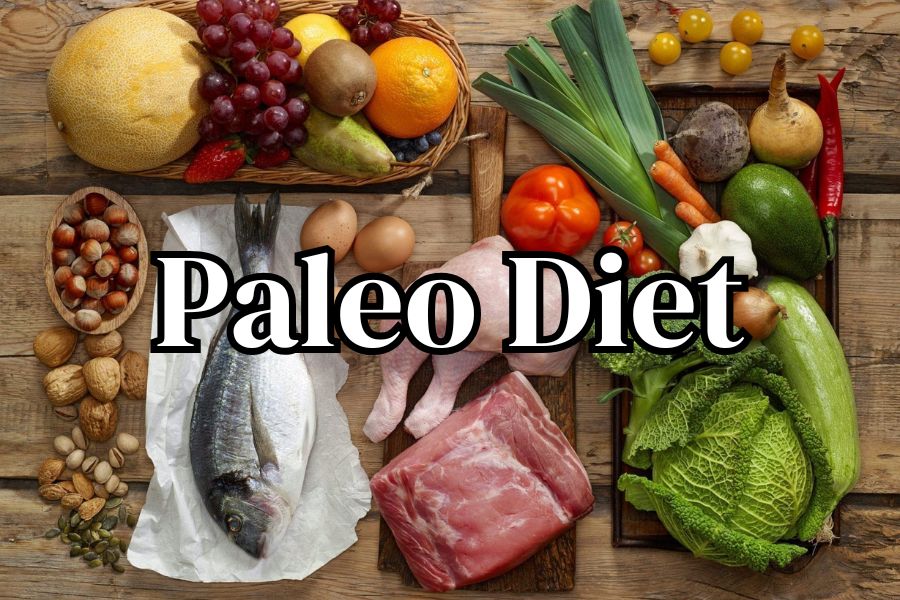
In general, the paleo diet encourages you to eat:
- Vegetables and fruits
- Lean meats, poultry, and fish
- Eggs and healthy fats, such as avocado and olive oil
- Nuts and seeds
- Herbs and spices
It asks you to avoid or limit:
- Grains like wheat, oats, and rice
- Legumes like beans, lentils, and peanuts
- Dairy products
- Refined sugar and most processed foods
The basic idea is that you focus on whole, unprocessed foods that resemble what humans once ate before modern agriculture and ultra processed products took over supermarket shelves.
How paleo may support autoimmune health
The link between the paleo diet and autoimmune disease is still being studied, but several features of paleo make it a strong candidate for symptom relief.
Less processed food, less inflammation
Ultra processed foods can be packed with additives, refined oils, sugar, and ingredients that may disturb your gut microbiome. The AIP diet, which is built on a paleo foundation, is specifically designed to reduce inflammation and pain in autoimmune diseases like lupus, celiac disease, inflammatory bowel disease, and rheumatoid arthritis by cutting out those irritants and focusing on nutrient dense whole foods (Green Chef).
By switching from boxed snacks and sugary drinks to real food, you naturally lower your intake of many compounds that might stoke inflammation. In people with inflammatory bowel disease, following an AIP style plan built on paleo principles has been reported to improve bowel movement frequency, lower stress, and boost quality of life in as little as three weeks (Nourish).
A nutrient boost your immune system can use
Paleo style meals are usually rich in vitamins, minerals, and antioxidants that your immune system needs to work properly. A 2023 systematic review of Paleolithic and ancestral style diets in adults with autoimmune thyroid disease found that these approaches, combined with supplements, exercise, and mindfulness, helped reduce thyroid antibodies and improved thyroid hormone levels (PubMed).
The researchers highlighted that ancestral type foods might offer natural sources of nutrients that are particularly helpful for thyroid and immune function (PubMed). For you, this can translate into meals built around vegetables, good quality protein, and healthy fats rather than relying on fortified processed products for nutrition.
Better gut health, calmer immune responses
The Autoimmune Paleo Diet (AIP) is an elimination and reintroduction protocol that grows out of the paleo diet. Its core goal is to reduce gut inflammation, heal the gastrointestinal tract, and lower overall systemic inflammation in autoimmune diseases (Mindd).
AIP takes the paleo framework and goes further. In addition to excluding grains and processed foods like paleo does, it removes common immune triggers such as legumes, nightshades, dairy, nuts, seeds, coffee, and alcohol during the elimination phase (NCBI – Metabolism Open). By reducing the constant “background noise” of gut irritation, your immune system may have a chance to calm down and respond more appropriately.
What the research says about paleo, AIP, and autoimmunity
You will not find a single definitive trial that proves the paleo diet cures autoimmune disease. However, early research on paleo style and AIP approaches is encouraging.
Clinical trials and case studies in conditions like Hashimoto thyroiditis, inflammatory bowel disease, and rheumatoid arthritis show that the Autoimmune Protocol can improve disease related symptoms and quality of life, although results for specific lab markers such as thyroid hormones and inflammatory markers are still mixed (NCBI – Metabolism Open).
A 2024 review noted that one AIP study reported decreased systemic inflammation and better immune regulation, with people experiencing symptom reduction and an overall better quality of life (Dr. Emily Parke).
In thyroid specific research, the 2023 systematic review mentioned earlier found that all eight included studies of Paleolithic or ancestral diets in autoimmune thyroid disease showed clinical improvements. One trial showed significant improvement and two case studies even reported resolution of the disease after following an ancestral style approach along with supplements, exercise, and stress management (PubMed).
Taken together, these findings suggest that eating in a paleo or AIP pattern may help you:
- Reduce symptom intensity
- Improve energy and quality of life
- Support more favorable antibody and hormone patterns in some conditions
At the same time, the evidence is still considered preliminary. That means you will want to treat paleo or AIP as a powerful tool in your toolkit, not a stand alone cure.
Paleo vs Autoimmune Paleo (AIP)
Because the phrase “paleo diet and autoimmune disease” often overlaps with AIP, it helps to see how the two compare.
| Feature | Standard paleo diet | Autoimmune Paleo (AIP) |
|---|---|---|
| Main goal | Overall health and weight, reduced processed food | Targeted autoimmune symptom relief and gut healing |
| Removes | Grains, legumes, most dairy, refined sugar, processed foods | All paleo exclusions plus nightshades, eggs, nuts, seeds, coffee, alcohol, and more in the first phase (NCBI – Metabolism Open) |
| Phases | No formal phases | Elimination for 30 to 90 days, then careful reintroduction (Green Chef) |
| Typical use | Long term eating pattern | Short term reset that is then personalized |
AIP is essentially a stricter version of paleo. It begins with a temporary elimination phase, often 30 to 90 days, where you remove potentially irritating foods to give your gut and immune system time to settle (Mindd). After that, you slowly reintroduce foods one at a time, watching for symptom flares so you can identify your specific triggers (Green Chef).
Both approaches emphasize anti inflammatory, nutrient dense whole foods and support gut health and immune regulation. However, AIP is more restrictive and may not be a good fit for you without professional guidance, especially if you already struggle with a limited diet or a history of disordered eating (Dr. Emily Parke).
Potential benefits you may notice
If you choose to experiment with the paleo diet or AIP for autoimmune symptoms, these are some changes you might experience.
Less joint and gut pain
Many people report improvements in joint stiffness, bloating, and abdominal pain after adopting AIP or paleo, which are designed to dial down inflammation and remove common irritants (Green Chef). In inflammatory bowel disease specifically, an AIP style approach can improve bowel habits and reduce symptom severity within a few weeks (Nourish).
More stable energy
Big swings in blood sugar and inflammation can leave you drained. Paleo style meals, which center around protein, fiber rich vegetables, and healthy fats, often bring more steady energy throughout the day. Several AIP studies in autoimmune conditions have reported better overall quality of life, which often includes improvements in fatigue (NCBI – Metabolism Open).
Easier weight management
If you are exploring the paleo diet and autoimmune disease with weight loss in mind, you may find that cutting back on refined carbs and ultra processed foods makes it easier to manage your weight without counting every calorie. Paleo meals tend to be filling, which can naturally reduce overeating while still supporting your nutrient needs.
Important cautions and limitations
Paleo and AIP are powerful tools, but they are not risk free, especially when AIP is followed strictly.
A 2024 review of the Autoimmune Protocol highlighted several concerns:
- People on AIP can develop deficiencies in folate, vitamin B12, riboflavin, vitamin D, and calcium if the diet is not carefully planned (NCBI – Metabolism Open).
- Strict elimination can increase the risk of social isolation and make eating out or sharing meals more stressful (NCBI – Metabolism Open).
- Some patients with specific gut conditions, for example ileal strictures, may experience gastrointestinal complications on AIP, which is why expert guidance matters (NCBI – Metabolism Open).
Because of these issues, working with a registered dietitian who specializes in autoimmune health is strongly recommended. Dietitians can help you meet your nutrient needs, monitor symptom changes, and design a pattern that is realistic for your life. Many of these services are covered by insurance (Nourish).
How to start experimenting safely
If you want to explore the paleo diet and autoimmune disease connection for yourself, you do not have to jump straight into the most restrictive version. You can move gradually and observe how your body responds.
-
Begin with a gentle paleo reset
For two to four weeks, focus on eating mostly vegetables, fruits, lean meats and fish, and healthy fats. Cut back on packaged snacks, sugary drinks, refined grains, and fast food. This alone often brings noticeable improvements in digestion and energy. -
Track your symptoms
Keep a simple daily log of what you eat and how you feel. Note joint pain, gut symptoms, rashes, mood, and energy. This will help you notice patterns instead of guessing. -
Consider a short AIP phase if needed
If basic paleo helps but symptoms remain, you might try a more formal AIP elimination for 30 days. During this time, you would avoid grains, legumes, dairy, processed foods, nightshades, nuts, seeds, eggs, coffee, and alcohol, while emphasizing vegetables, quality meats, fish, fermented foods, fruits, and bone broth (Dr. Emily Parke). Always involve your healthcare provider, especially if you take medication or have multiple health conditions. -
Reintroduce foods carefully
After the elimination phase, reintroduce one food at a time and watch for flares in your symptoms. The AIP protocol is intentionally structured this way so you can identify which foods are personal triggers and which are safe for you (Green Chef). -
Build your long term plan
Long term, you will likely land on a “personalized paleo” pattern that keeps your trigger foods out while giving you as much variety as possible. Your goal is to support your immune system, not to follow diet rules perfectly.
The bottom line
You cannot change your genes, but you can change what you put on your plate. The current evidence suggests that a paleo style diet, and in some cases the more targeted Autoimmune Protocol, can reduce inflammation, improve symptoms, and support better quality of life in several autoimmune conditions (Green Chef, NCBI – Metabolism Open, PubMed).
If you decide to explore the paleo diet and autoimmune disease connection for yourself, move slowly, work with a knowledgeable professional when you can, and listen closely to your own body. Even a few simple changes, like swapping processed snacks for real food and piling more vegetables and quality protein on your plate, can be a meaningful step toward calmer immunity and better everyday health.
About the Author