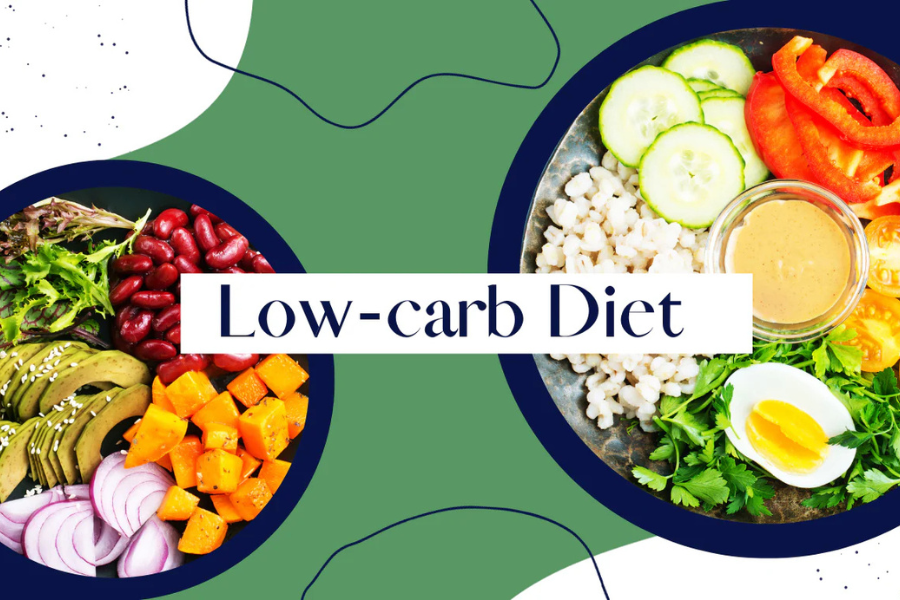
A low carb weight loss plan can sound intense at first, but many people are surprised by how quickly it changes their appetite, energy, and even lab results. By simply lowering your daily carbohydrate intake, you encourage your body to burn more fat for fuel and rely more on protein and healthy fats for satisfaction. You do not have to go full keto to see benefits, and you can adjust the approach to fit your lifestyle.
Below, you will learn what low carb really means, how it can help you lose weight and improve your health, and what to watch out for so you can decide if it is a good fit for you.
Understand what “low carb” really means
Low carb is not one strict number. It is a range that is lower than a typical Western diet.
According to Mayo Clinic, a low carb diet usually limits you to about 20 to 57 grams of carbohydrates per day, which is far below the usual 225 to 325 grams in a standard diet that gets 45% to 65% of calories from carbs (Mayo Clinic). Harvard Health describes low carb more broadly as less than about 130 grams of carbs per day, or around 26% of your daily calories (Harvard Health Publishing).
Within that, there are a few common levels you might choose:
- Moderate low carb: under 130 grams of carbs per day
- Low carb: under about 100 grams per day
- Very low carb or ketogenic: usually 20 to 50 grams per day
The stricter you go, the more your body shifts away from using carbs as its main fuel and toward burning fat.
How low carb triggers fat burning
When you cut back on carbs, you change how your body uses energy.
Carbohydrates are typically your main source of glucose, which your cells burn for fuel. If you drop your intake significantly, your body uses up stored glycogen, then turns to fat. On a very low carb or ketogenic diet, this shift can produce a measurable state called ketosis, where your body makes ketones from fat to use as energy.
Cleveland Clinic notes that ketosis usually begins when you eat fewer than about 50 grams of carbs per day for 2 to 4 days, although it can take longer depending on your metabolism and past carb intake (Cleveland Clinic). For most people, that is roughly the amount of carbohydrate in three slices of bread or one cup of cooked pasta.
You do not have to be in full nutritional ketosis to lose weight, but as you lower carbs, you nudge your body to rely more on stored fat. This is one reason low carb weight loss often feels faster in the early weeks.
Why low carb weight loss can feel faster
Many people notice that low carb diets seem to “work” quickly, especially in the first few months.
Reviews of clinical studies show that low carb diets tend to produce more rapid weight loss than other dietary approaches over the first 6 to 12 months (NCBI Bookshelf). Mayo Clinic also notes that very low carb approaches may lead to greater short‑term weight loss than low‑fat diets, although these differences shrink over 12 to 24 months (Mayo Clinic).
There are a few reasons this happens:
You lose water first. When you eat fewer carbs, you store less glycogen, and your body releases the water that was stored with it. This can drop the scale fast in the first week or two.
You usually feel fuller. Higher protein and fat intake help many people feel satisfied longer. Both Mayo Clinic and Harvard Health point out that replacing carbs with protein and healthy fats can make you less prone to overeating, which naturally reduces your calorie intake without a lot of counting or measuring (Mayo Clinic, Harvard Health Publishing).
You may burn slightly more energy. Some research suggests a possible “metabolic advantage,” where people on low carb diets burn 200 to 300 more calories per day compared with isocaloric higher carb diets, although this idea remains controversial and is not settled science as of 2023 (NCBI Bookshelf).
The key for you is not just the fast start but whether the approach helps you stick with a calorie deficit and feel well in the long run.
If you feel less hungry and more satisfied on a low carb pattern, weight loss often feels less like constant willpower and more like a natural side effect of how you are eating.
Health benefits beyond the scale
Low carb weight loss is only part of the picture. There are meaningful health gains that can show up in your bloodwork and daily life too.
Better blood sugar control
If you have prediabetes or type 2 diabetes, reducing carbs gives your body fewer sudden sugar spikes to manage. A 2023 review notes that low carb diets can improve glycemic control, lower hemoglobin A1c, and reduce the need for insulin and other medications in people with type 2 diabetes. Some even achieve diabetes remission, defined as maintaining an A1c below 6.5% without medication for at least 3 months (NCBI Bookshelf).
Harvard Health also highlights that low carb eating can stabilize blood sugar and reduce insulin resistance, which is a core issue in both diabetes and prediabetes (Harvard Health Publishing).
If you take diabetes medications, you should never drastically lower carbs without talking to your healthcare provider first, since your doses may need adjustment.
Improved cholesterol and heart markers
Low carb diets can shift your cholesterol pattern in mixed but often positive ways. Research summarized in the NCBI review shows that low carb approaches tend to reduce triglycerides and increase HDL cholesterol, the “good” cholesterol that helps clear excess fat from your bloodstream (NCBI Bookshelf).
LDL cholesterol can stay the same or rise slightly, which is why your overall pattern of fats matters. Mayo Clinic and Harvard Health both suggest focusing on healthy sources of fat and protein, such as fish, nuts, seeds, and plant oils, to support long‑term heart health (Mayo Clinic, Harvard Health Publishing).
Potential support for other conditions
Low carb and ketogenic diets originally were not designed for weight loss. The classic ketogenic diet was developed in the 1920s to reduce seizures in children with epilepsy (NCBI Bookshelf). It is still used for seizure management today and is also being explored for certain neurological conditions and athletic performance, although this research is ongoing.
For you, the main takeaway is that lowering carbs affects more than your weight. It changes your metabolism in ways that can influence your brain, hormones, and long‑term disease risk.
What you actually eat on low carb
You do not have to memorize macros to get started. Think in terms of food categories.
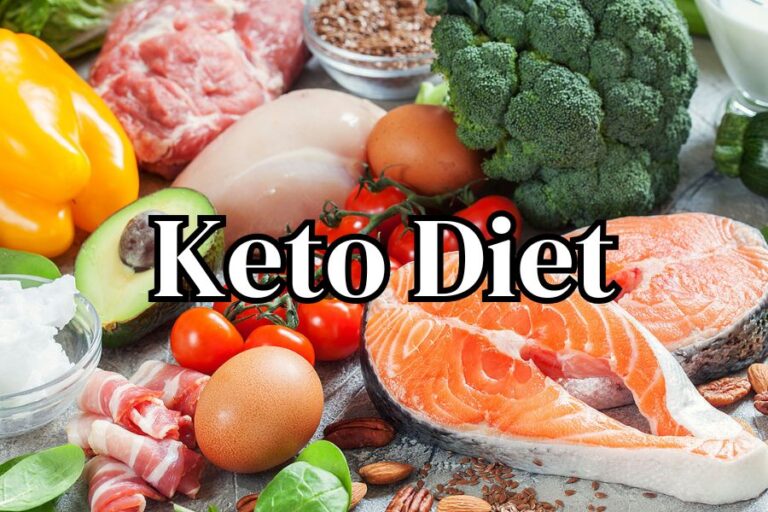
On a low carb weight loss plan, you generally eat more of:
- Protein: meat, poultry, eggs, fish, shellfish
- Non‑starchy vegetables: leafy greens, broccoli, cauliflower, zucchini, peppers, green beans
- Healthy fats: olive oil, avocado, nuts, seeds, some full‑fat dairy
Healthline notes that most animal proteins contain almost no carbohydrate, which makes them easy staples for low carb meals, although some organ meats do have a small carb content (Healthline). Vegetables that are low in starch but high in fiber, like leafy greens and cruciferous vegetables, let you fill your plate while keeping carbs down (Healthline).
You usually limit or avoid:
- Bread, pasta, rice, and other refined grains
- Sugary drinks and sweets
- Starchy vegetables like potatoes and corn
- Most baked goods and snack foods
Fruit is a gray area. It is healthy, but it does contain natural sugars. Healthline suggests that on a low carb plan, you may want to keep fruit to 1 or 2 servings per day, choosing lower sugar options such as berries, avocados, and olives (Healthline).
Sample low carb meals that keep you full
Planning ahead makes low carb weight loss much easier. The Obesity Medicine Association offers some simple meal ideas that fit well within a low carb pattern and support weight loss goals.
For breakfast, you might try:
- Scrambled eggs with bacon
- A vegetable omelet
- Avocado with smoked salmon
- Low carb pancakes that provide about 11 grams of carbs and 12 grams of protein per serving (Obesity Medicine Association)
For lunch, a recipe like zucchini taco boats gives you around 300 calories, 15 grams of carbs, and 31 grams of protein per serving (Obesity Medicine Association). You can think of it as a taco filling in a hollowed‑out zucchini instead of a tortilla.
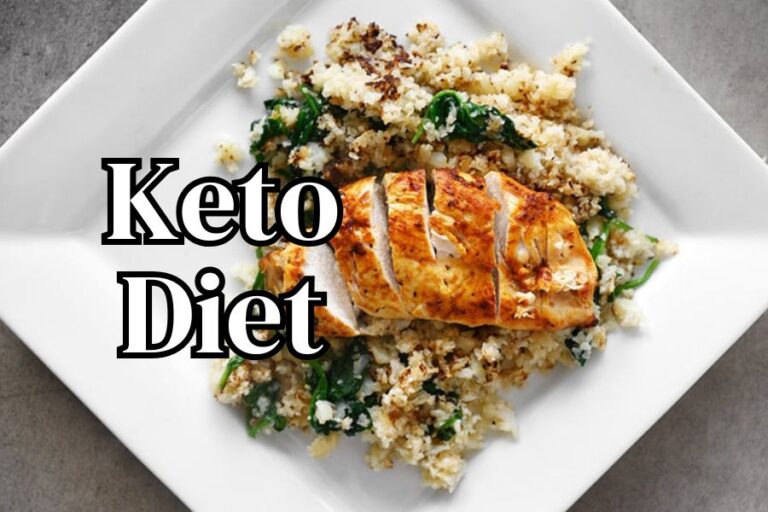
For dinner, pairing protein with non‑starchy vegetables keeps things simple. The Obesity Medicine Association shares options like steak with broccoli or chicken with riced cauliflower. One example dinner offers about 350 calories, 19 grams of carbs, and 49 grams of protein per serving (Obesity Medicine Association).
They also suggest counting total carbohydrates, not just “net carbs,” and being careful with very calorie‑dense foods like cheese and fatty meats. These can fit into a low carb plan, but large amounts might slow your weight loss even if your carb count looks great (Obesity Medicine Association).
Possible side effects and risks to know
Like any major dietary change, low carb eating has trade‑offs.
Short‑term side effects
If you drop carbs quickly, you might feel what many people call the “keto flu,” even if you are not in full ketosis. Symptoms can include headaches, fatigue, lightheadedness, and irritability in the first few days as your body adjusts.
Mayo Clinic notes that severe carbohydrate restriction and the shift toward ketosis can cause side effects such as bad breath, headache, fatigue, and weakness (Mayo Clinic). Drinking more fluids, getting enough electrolytes, and easing into a lower carb intake gradually can soften this transition.
Fiber and digestion issues
One challenge is fiber. Many higher carb foods like whole grains and legumes are also major sources of fiber. Harvard Health warns that if you remove these and do not replace them with high‑fiber vegetables and other low carb sources, you may struggle with constipation and other digestive issues (Harvard Health Publishing).
If you choose a low carb approach, it helps to load up on leafy greens, broccoli, cauliflower, Brussels sprouts, chia seeds, and other fiber‑rich options that still fit your carb limit.
Long‑term considerations
There are still open questions about the long‑term effects of very low carb, high fat diets, especially if most of your fat comes from saturated animal sources. Mayo Clinic cautions that high intakes of saturated and trans fats might increase your risk of heart disease or certain cancers over time (Mayo Clinic).
The NCBI review notes that no general evidence links higher protein intake from low carb diets to kidney harm in people with normal kidney function, but if you already have kidney disease, you need personalized guidance before making big changes (NCBI Bookshelf).
If strict ketogenic eating interests you, it comes with additional risks like possible nutrient deficiencies, constipation, kidney strain, and increased heart disease risk when saturated fats are very high, according to experts at Northwestern Medicine (Northwestern Medicine). Many people also find keto hard to maintain over the long term.
Making low carb work for your life
You do not have to choose between “all carbs” and “no carbs.” You can find your own middle ground.
Here are ways to personalize low carb weight loss so it feels more sustainable:
Start with a moderate target. Instead of jumping straight to 20 grams per day, you might begin by dropping from a high‑carb pattern to under 130 grams daily, as Harvard Health suggests, and see how you feel (Harvard Health Publishing).
Prioritize quality, not just quantity. Focus on lean meats or fish, plenty of low‑starch vegetables, and mostly unsaturated fats like olive oil, nuts, seeds, and avocado. This helps you capture the metabolic benefits of low carb without overloading your system with unhealthy fats.
Protect your fiber. Build vegetables into every meal, add seeds or nuts where you can, and keep an eye on your digestion. If constipation becomes a pattern, check whether your fiber or fluid intake needs a boost.
Check in with your healthcare provider. If you have diabetes, heart disease, kidney disease, or take regular medications, work with your doctor or a registered dietitian while you change your diet. You can monitor your labs, adjust meds if needed, and make sure the plan is serving your long‑term health, not just the number on the scale.
Finally, pay attention to how you feel. The most surprising benefit of low carb weight loss for many people is not just a lower body weight, but a steadier appetite, fewer afternoon crashes, and better control over cravings. If those changes show up for you, it is a good sign you have found an approach worth keeping, even if you choose a flexible, moderate version rather than the strictest form.
About the Author