Understand intermittent fasting vs keto
If you are comparing intermittent fasting vs keto for weight loss and better health, you are really comparing two very different approaches. Intermittent fasting focuses on when you eat. The ketogenic diet focuses on what you eat. Both can influence your metabolism, your energy, and your long‑term health, but they do it in different ways and carry different trade‑offs.
This guide walks you through how intermittent fasting and keto work, what the research says, potential benefits and risks, and how to decide which, if either, might fit your life.
What intermittent fasting is
Intermittent fasting is an eating pattern where you cycle between periods of eating and not eating. You still focus on total calories and food quality, but the main rule is the clock.
According to registered dietitians, there are three common types of intermittent fasting (Culina Health):
-
Alternate‑day fasting
You alternate between days of very low or no calories and days of normal eating. -
Periodic fasting (for example, 5:2 method)
You eat normally 5 days per week and have 2 low‑calorie days. -
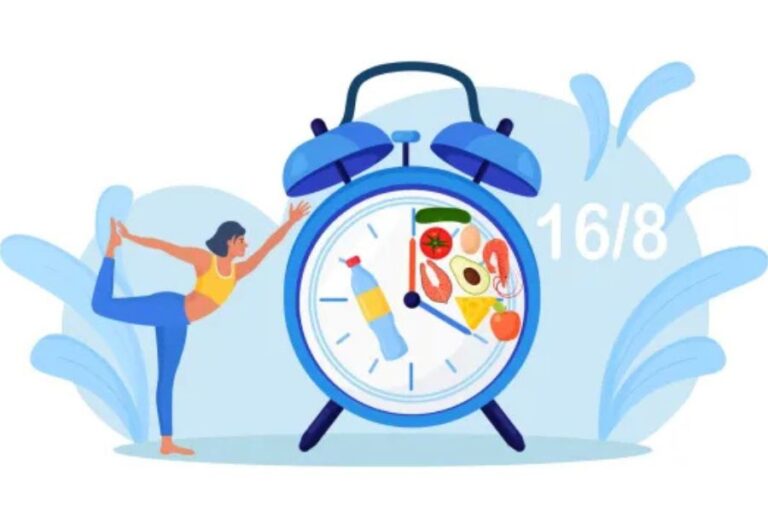
Time‑restricted fasting (for example, 16:8)
You eat only during a set daily window, such as 12 p.m. to 8 p.m., and fast the remaining 16 hours.
How intermittent fasting affects your body
During a fast, your body uses circulating glucose, then stored glycogen in the liver. As fasting continues, your body gradually shifts toward burning more fat for fuel and begins producing ketones, especially toward the end of your fasting window (UC Davis Health).
Research suggests that for most people:
-
Weight loss mainly comes from calorie deficit
A 2019 review found that intermittent fasting produced similar weight and fat loss compared with continuous daily calorie restriction when total calories were the same (Culina Health). In other words, it is not magic timing as much as eating less overall. -
Metabolic changes may still help
Time without food can help your body reset how it uses energy, including the activity of a protein called mTOR, which is involved in growth, insulin resistance, and inflammation (UC Davis Health).
Potential benefits of intermittent fasting
If it suits your routine, intermittent fasting might help you:
- Create a natural calorie deficit without counting every bite
- Reduce evening or mindless snacking
- Improve insulin sensitivity and metabolic flexibility in some people
- Spend more hours in a light fat‑burning state
Some researchers suggest that a balanced diet combined with modest caloric restriction, about 10 percent below your needs, or a long daily fast of about 17 hours can help lower baseline mTOR activity and support health (UC Davis Health).
Risks and challenges of intermittent fasting
Intermittent fasting is not risk free and it is not ideal for everyone.
Possible downsides include:
- Low energy, irritability, or difficulty concentrating during long fasts
- Overeating or choosing highly processed foods during eating windows
- Potential blood sugar swings in some individuals, especially if you have diabetes or certain medical conditions (Culina Health)
Fasting can be particularly challenging if you:
- Work shifts or have an unpredictable schedule
- Take medications that must be taken with food
- Have a history of disordered eating
If you have any chronic condition, especially diabetes, speak with your healthcare provider before trying intermittent fasting.
What the keto diet is
The ketogenic diet, usually called keto, is a high‑fat, very low‑carbohydrate way of eating. The goal is to push your body into a metabolic state called ketosis so you burn fat as your main fuel, not carbohydrates.
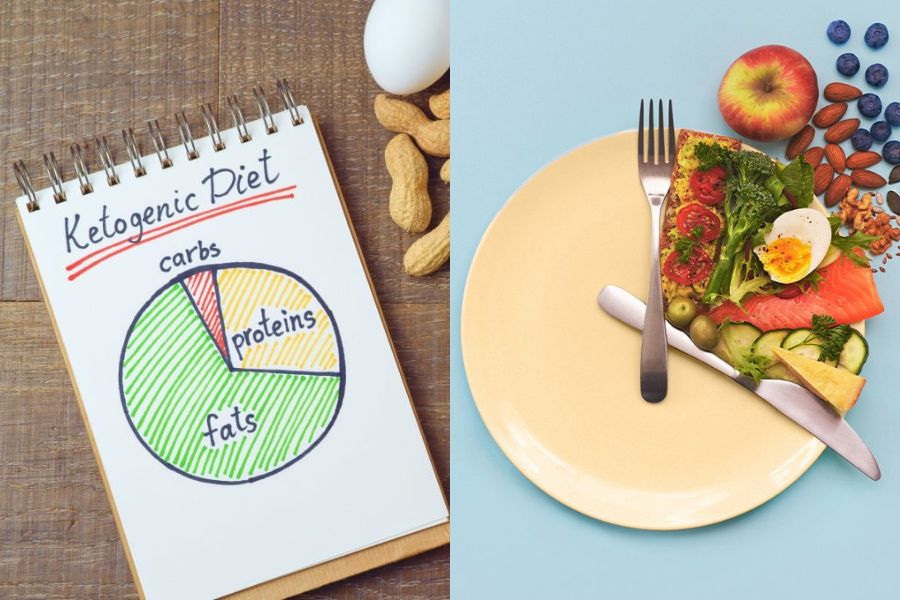
Typical keto macros look like this:
- 70 to 80 percent of calories from fat
- 10 to 20 percent from protein
- 5 to 10 percent from carbohydrates
To reach and maintain ketosis, most people need to stay under about 50 grams of carbohydrates per day (Cleveland Clinic). Some sources describe keto as about 10 to 15 percent of calories from carbohydrates (Culina Health).
What ketosis does in your body
In ketosis, your liver converts fat into molecules called ketones. These ketones become a major fuel source for your body and brain, instead of glucose (Cleveland Clinic).
The Cleveland Clinic notes that ketosis can:
-
Support weight loss
It can reduce hunger, help your body burn visceral fat, and preserve lean muscle mass. -
Potentially improve focus and energy
Ketones may provide a steadier fuel for your brain and reduce inflammation in some people.
Intermittent fasting, especially patterns like 16:8, may help you reach ketosis faster compared with keto alone because long fasting windows speed up the shift from glucose to fat burning (Cleveland Clinic).
Potential benefits of the keto diet
Some research and clinical experience suggest that keto can:
- Lead to significant short‑term weight loss, partly from eating fewer calories
- Improve blood sugar control and reduce waist circumference in people with type 2 diabetes when supervised, as shown in very low calorie ketogenic diet studies (The American Journal of Case Reports)
- Increase ketone levels enough to influence brain function, which is why therapeutic versions of keto are used for certain medical conditions
Animal studies from UC Davis also show that ketogenic diets can improve mitochondrial function, strength, endurance, learning, memory, and lifespan compared with low carbohydrate diets, likely due to effects of ketones such as beta hydroxybutyrate (UC Davis Health). These results are in mice, so they do not directly guarantee the same benefits in humans, but they help explain why ketones are of interest.
Side effects and risks of keto
Keto is a strict and sometimes difficult diet to follow. You eliminate or greatly restrict many fruits, starchy vegetables, grains, and many processed foods.
Common short‑term side effects of ketosis and the keto diet include (Cleveland Clinic):
- “Keto flu,” such as headache, fatigue, and upset stomach
- Keto breath
- Constipation
Longer term, reports and reviews highlight possible risks such as:
- Kidney stones and nutrient deficiencies (Culina Health)
- Changes in blood lipids, including possible increases in cholesterol (UC Davis Health)
- Potential bone weakening in animal models on long‑term keto (UC Davis Health)
- Hepatic steatosis and glucose intolerance in animal studies after long‑term adherence (The American Journal of Case Reports)
Keto can also, in rare cases, contribute to dangerous complications. For example:
- A case report described a 60‑year‑old man with type 2 diabetes on a strict ketogenic diet combined with prolonged fasting who developed starvation ketoacidosis, with symptoms like nausea, vomiting, and fainting (The American Journal of Case Reports).
Reviews note that ketogenic and intermittent fasting approaches can lead to serious issues such as ketoacidosis, electrolyte disturbances, hypoglycemia, acute pancreatitis, and dyslipidemia, especially in people with other health conditions like diabetes (The American Journal of Case Reports).
Because of this risk profile, it is important to work with a healthcare professional if you are considering keto, especially if you have diabetes, kidney disease, or other chronic conditions.
Why keto weight loss is not all fat
Keto has a reputation for rapid weight loss, especially in the first weeks. Studies suggest that:
- Much of the early weight loss is water, not fat, due to the diuretic effect of ketones
- Over time, when calories are matched, keto does not show significantly greater fat loss than higher carbohydrate diets (Culina Health)
In many people, keto works because it makes it easier to eat fewer total calories, not because it defies the laws of energy balance.
Intermittent fasting vs keto: key differences
Both intermittent fasting and keto can help you lose weight and may support your metabolic health, but they do so in different ways and ask different things from you day to day.
Here is a side‑by‑side look to help you compare intermittent fasting vs keto more clearly:
| Aspect | Intermittent fasting | Keto diet |
|---|---|---|
| Main focus | When you eat | What you eat |
| Typical structure | Set fasting and eating windows (for example, 16:8) | Very low carb, high fat, moderate protein |
| Carb limit | None specific, depends on your food choices | Often under 50 g carbs per day (Cleveland Clinic) |
| How it promotes weight loss | Calorie deficit through fewer eating hours | Calorie deficit plus appetite reduction and ketosis |
| Ketone levels | Mild increase near end of fast (UC Davis Health) | Higher, more constant ketone production |
| Food flexibility | Flexible, can include all food groups | Restrictive, limits many fruits, grains, and starchy foods |
| Common side effects | Hunger, low energy, possible blood sugar swings | Keto flu, constipation, keto breath, potential lipid changes |
| Long‑term adherence | Varies, some find it sustainable, others do not | Often difficult long term, higher dropout rates reported |
| Special precautions | Caution with diabetes, pregnancy, certain medications | Strong caution with diabetes, kidney disease, pancreatitis |
What science says about weight loss
When you look at intermittent fasting vs keto in research, an important theme shows up: for most people, nutrition quality and total calories matter more than the specific method.
Nutrition is more powerful than exercise for weight loss
UC Davis exercise physiologist Keith Baar explains that it is much easier to eat 100 extra calories than to burn 100 calories through activity. For example, you can drink 100 calories in a few sips, while burning 100 calories requires roughly running a mile (UC Davis Health).
This highlights a key point for you:
- Your eating pattern, whether intermittent fasting, keto, or a balanced diet, is usually the main driver of weight change.
- Exercise is still very important for health, muscle, and mental well‑being, but it is less efficient for changing your weight on its own.
Intermittent fasting vs continuous calorie restriction
A 2019 review found no significant difference in body weight or body fat loss when intermittent fasting was compared with traditional continuous calorie restriction, as long as total calories were the same (Culina Health).
This suggests that intermittent fasting can be a tool to help you:
- Organize your eating
- Reduce grazing
- Naturally lower intake
However, it is not inherently better for fat loss than any other approach that creates a similar calorie deficit.
Keto vs higher carbohydrate diets
Similarly, studies on keto show:
- Most weight loss is due to reduced calorie intake
- Once you adjust for calories, there are no major differences in fat loss between keto and higher carbohydrate diets (Culina Health)
- Initial weight changes on keto are heavily influenced by water loss
So if you choose keto, the main advantage might be that it helps you feel fuller on fewer calories, not that it breaks the rules of metabolism.
Health beyond weight: metabolic flexibility and mTOR
Both intermittent fasting and keto affect deeper aspects of metabolism, not just the number on the scale.
Processed foods, mTOR, and chronic disease
Chronic over‑consumption of processed, carbohydrate‑rich foods can keep a protein called mTOR constantly active. This continuous activation is linked with insulin resistance and chronic inflammation (UC Davis Health).
Approaches that reduce mTOR activity at rest, such as:
- Lower carbohydrate or lower protein intake
- Time‑restricted feeding or intermittent fasting
can improve your metabolic flexibility. That means your body gets better at switching between glucose and fat as fuel and may respond more effectively to stressors like infections (UC Davis Health).
Balanced diet with modest restriction
Researchers at UC Davis note that a balanced diet including carbohydrates, protein, and fats can support health if you:
- Reduce calories by around 10 percent below your daily needs, or
- Use intermittent fasting with longer fasting windows, for example about 17 hours daily
Both strategies appear to lower baseline mTOR activity, although they can be difficult to maintain for many people (UC Davis Health).
This is encouraging if you want results but do not feel drawn to strict keto. You can still make meaningful metabolic changes with a more moderate and flexible plan.
Intermittent fasting does not fully mimic keto
Even though intermittent fasting can increase ketones toward the end of your fast, it usually does not reach the same therapeutic ketone levels as a full ketogenic diet (UC Davis Health).
This means:
- Intermittent fasting can offer health benefits and some ketone production.
- It likely does not replicate every potential effect of sustained keto, especially for conditions where a medical keto diet is prescribed.
Which is safer and more sustainable for you?
When comparing intermittent fasting vs keto, one of the most important questions is what you can safely and realistically maintain.
When intermittent fasting might fit
Intermittent fasting might be a better fit if you:
- Prefer flexibility in what you eat
- Like clear rules about when to start and stop eating
- Struggle with late‑night snacking
- Do not have medical conditions or medications that make fasting risky
You might start by:
- Choosing a 12:12 schedule and slowly working toward 14:10 or 16:8 if it feels good
- Keeping your meals balanced with vegetables, lean proteins, healthy fats, and high‑fiber carbohydrates
- Paying attention to how you feel, especially in the morning and late in your fast
When keto might fit
Keto might appeal to you if you:
- Prefer a structured food list and do not mind giving up many carbohydrate‑rich foods
- Enjoy high‑fat foods like avocado, olive oil, nuts, and fatty fish
- Have tried other methods and feel less hungry on higher fat meals
You would still want to:
- Work closely with a healthcare provider, especially if you have diabetes, kidney disease, or other chronic conditions
- Monitor your blood work, including lipids and kidney function, on a regular schedule
- Plan for how you will transition off keto if you do not wish to stay on it long term
Who should be very cautious or avoid these approaches
You should speak with a doctor or registered dietitian before starting intermittent fasting or keto if you:
- Have type 1 or type 2 diabetes
- Take medications that affect blood sugar or blood pressure
- Are pregnant, breastfeeding, underweight, or have a history of eating disorders
- Have kidney disease, liver disease, or pancreatitis
In some of these situations, unsupervised intermittent fasting or keto could lead to complications such as hypoglycemia, electrolyte problems, or even ketoacidosis (The American Journal of Case Reports).
How to choose a practical starting point
If you are not sure where to begin, you do not have to jump straight into strict keto or aggressive fasting. You can start with small, evidence‑aligned steps.
Step 1: Improve food quality
Regardless of whether you choose intermittent fasting vs keto, focusing on quality will help:
- Emphasize whole, minimally processed foods
- Include vegetables at most meals
- Choose lean or moderate fat proteins such as fish, eggs, poultry, and legumes if tolerated
- Use healthy fats like olive oil, nuts, and seeds
- Reduce sugary drinks and highly processed snacks
This alone moves you away from the pattern that keeps mTOR chronically high and promotes insulin resistance (UC Davis Health).
Step 2: Create a modest calorie deficit
You can aim for a small calorie reduction, such as about 10 percent below your estimated needs, which is often enough to trigger gradual weight loss without feeling deprived (UC Davis Health).
Ways to do this include:
- Slightly smaller portions of energy‑dense foods
- Fewer liquid calories from sweetened beverages or alcohol
- Choosing snacks more intentionally rather than by habit
Step 3: Layer in timing or carb changes, if you wish
Once the basics feel stable, you could experiment with either:
-
Gentle time‑restricted eating
For example, try finishing dinner a bit earlier and delaying breakfast, creating a 12‑ to 14‑hour overnight fast. See how your energy and hunger respond before extending to 16 hours. -
Moderate carbohydrate reduction
Without going full keto, you might reduce refined carbohydrates, replace some starches with vegetables, and keep whole grains in moderate portions.
You do not need to be in full ketosis to make progress. Many people lose weight and improve lab markers with these moderate shifts.
Intermittent fasting vs keto: bottom line
When you step back, the question is not which approach is universally better, but which is safer, more sustainable, and more aligned with your life.
- Intermittent fasting gives you structure around eating times with more flexibility in food choices. It can support weight loss mainly through calorie reduction and may improve metabolic health for some people.
- Keto emphasizes a very low carbohydrate, high‑fat intake that drives higher ketone levels. It may help with appetite and blood sugar in the short term, but it is restrictive and carries more potential risks, especially if you have underlying health conditions.
For many people, a balanced diet with whole foods, a modest calorie deficit, and possibly a gentle time‑restricted eating pattern offers a realistic middle ground that supports both weight and health goals (UC Davis Health).
If you are considering intermittent fasting vs keto, think about:
- Your medical history
- Your daily schedule and social life
- How you prefer to eat
- What you can imagine living with for months or years, not just days
Then discuss your options with a healthcare provider or registered dietitian who can help tailor a plan that prioritizes both results and long‑term well‑being.
About the Author