Understand 16 8 intermittent fasting
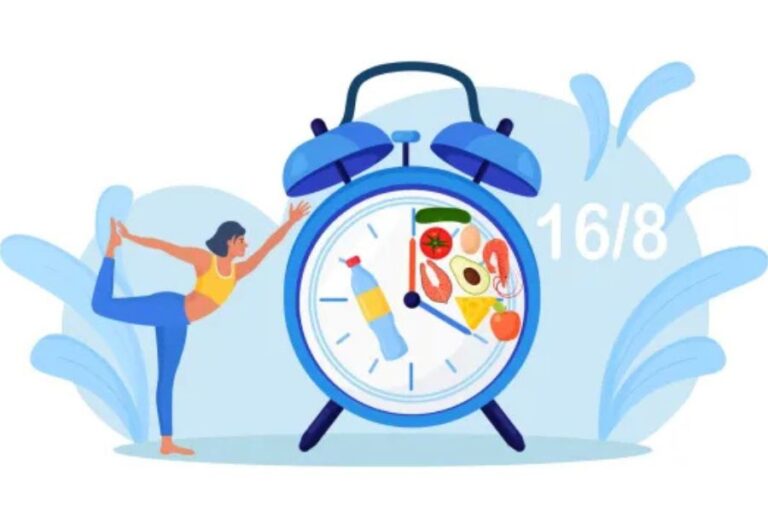
If you are curious about 16 8 intermittent fasting to lose weight or improve your health, you are not alone. This simple schedule focuses on when you eat instead of strictly what you eat, which many people find easier to follow than a traditional diet.
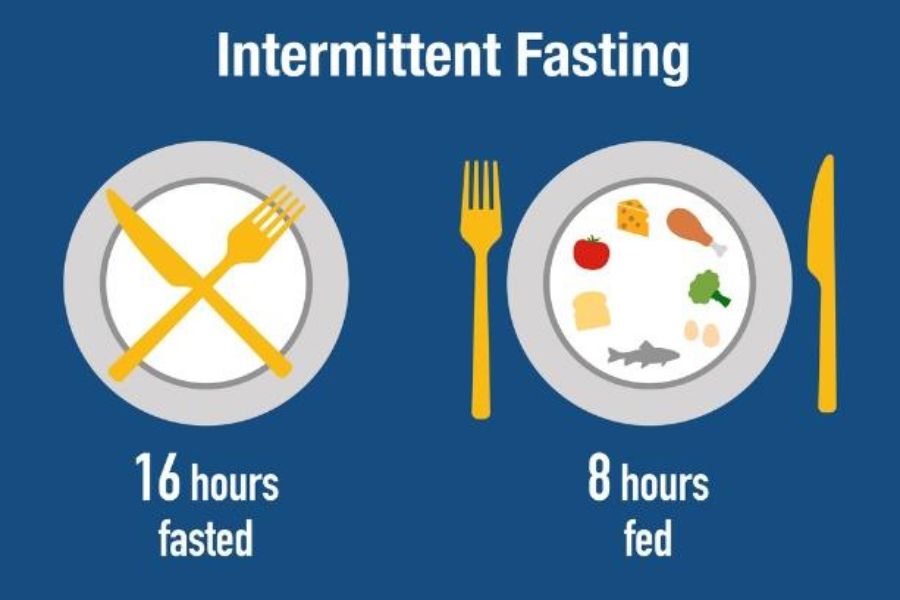
With the 16 8 method, you:
- Fast for 16 hours in a row
- Eat all your meals and snacks in an 8 hour window
During the 16 hour fasting window, you avoid food and calorie-containing drinks. You can still have water, plain coffee, and unsweetened tea, which do not break the fast (Healthline).
For example, you might eat between 10 a.m. and 6 p.m., or between 11 a.m. and 7 p.m. Outside that window you only have calorie-free drinks.
Intermittent fasting in general is an eating pattern that alternates between periods of eating and fasting. It aims to help you manage weight and may support overall health, according to Johns Hopkins Medicine in 2024 (Johns Hopkins Medicine).
See how the 16 8 schedule works
The 16 8 intermittent fasting schedule is a type of time restricted eating. You eat every day, but you limit the number of hours when you consume calories.
Here is the basic structure:
- 16 hours: fasting, no calories
- 8 hours: eating window, normal meals and snacks
Common eating windows include:
- 8 a.m. to 4 p.m.
- 10 a.m. to 6 p.m.
- 12 p.m. to 8 p.m.
Time restricted eating plans like 16 8 are popular because they are straightforward and can be adjusted to your routine. Mass General Brigham notes that many people find daily eating windows of 6 to 10 hours approachable and flexible (Mass General Brigham).
Some research suggests it may be better to start your eating earlier in the day and finish with an earlier dinner, instead of starting late in the afternoon. This early time restricted pattern may offer extra benefits even when you still follow a 16 8 schedule (Mass General Brigham).
Learn what happens in your body
When you first start intermittent fasting, it can feel like you are just watching the clock. Inside your body, however, several useful changes are happening.
Metabolic switch from sugar to fat
After several hours without food, your body begins to use up its stored sugar. Johns Hopkins researcher Mark Mattson explains that once your sugar stores are depleted, your body switches to using fat for energy instead. This metabolic switching is one of the key reasons intermittent fasting may support fat loss and better metabolic health (Johns Hopkins Medicine).
Mass General Brigham notes that this switch tends to begin around 10 to 12 hours after your last meal. That is why a 16 hour fast can give your body several hours in fat burning mode, instead of constantly relying on glucose (Mass General Brigham).
Possible health related changes
During regular fasting periods, research suggests your body may:
- Improve how it handles blood sugar
- Lower fasting insulin levels
- Reduce inflammation
- Adjust cell repair and stress response processes
Intermittent fasting has been linked to benefits for weight management and metabolic health, and Johns Hopkins Medicine notes that it may help protect against conditions such as type 2 diabetes, heart disease, and some neurological diseases, although more research is still needed (Johns Hopkins Medicine).
Explore the potential benefits
16 8 intermittent fasting is not magic, but it may offer several advantages when you pair it with balanced meals and an overall healthy lifestyle.
Weight loss support
In one summary of studies, 11 out of 13 intermittent fasting trials showed statistically significant weight loss among participants. This suggests that strategies like 16 8 can help reduce overall calorie intake and support weight loss for many people (Healthline).
Key reasons it may help:
- Fewer eating hours often means fewer spontaneous snacks
- You have a natural cut off time at night, which can reduce late night grazing
- The metabolic switch to fat burning may make it easier to tap into fat stores
A 7 day 16 8 meal plan example from Berry Street uses nutrient dense meals like scrambled eggs with avocado, grilled chicken salads, and salmon with roasted sweet potatoes to keep you full and energized within your eating window (Berry Street).
Blood sugar and diabetes risk
Several sources note that intermittent fasting, including the 16 8 style, can improve blood sugar control by lowering fasting insulin and blood sugar levels. This may reduce the risk of type 2 diabetes over time (Healthline, Berry Street).
If you already have diabetes or use medications that affect blood sugar, you should talk with your healthcare provider before you change your eating pattern.
Heart health markers
Some research summarized by Berry Street suggests that 16 8 intermittent fasting may support heart health by:
- Lowering LDL (often called “bad”) cholesterol
- Reducing triglycerides
- Increasing HDL (often called “good”) cholesterol
- Lowering some inflammation markers tied to heart disease (Berry Street)
At the same time, the Mayo Clinic notes that some evidence links a 16 hour fasting and 8 hour eating pattern to a possible increase in heart disease risk compared to other time restricted cycles for certain people (Mayo Clinic). This is one reason to view 16 8 as one option, not the only option, and to check in with your doctor if you have heart concerns.
Possible longevity and brain benefits
Animal studies suggest that intermittent fasting may extend lifespan and improve metabolic pathways and insulin sensitivity (Healthline). Other research highlighted by Johns Hopkins points to potential protective effects against neurodegenerative diseases and certain cancers, possibly due to changes in inflammation, cellular stress responses, and metabolism during fasting periods (Johns Hopkins Medicine).
These findings are promising, but human evidence for long term longevity benefits is still limited, so it is wise to see 16 8 as a potentially helpful tool rather than a guaranteed pathway to a longer life.
Consider the possible downsides
Every eating pattern has trade offs. Before you commit to 16 8 intermittent fasting, it helps to know what might be challenging or risky for you.
Short term side effects
When you begin fasting, your body needs time to adapt. In the first days or weeks, you may notice:
- Increased hunger and cravings
- Headaches, often mild to moderate
- Tiredness or low energy
- Irritability or mood changes
- Dizziness or lightheadedness
- Constipation
These experiences have been reported across several intermittent fasting studies and reviews (Healthline, Harvard Health Publishing). Many people find these symptoms fade as the body adjusts, typically within two to four weeks for routines like 16 8, according to Johns Hopkins Medicine (Johns Hopkins Medicine).
Overeating and food choices
A common challenge with 16 8 intermittent fasting is the temptation to overeat during your eating window. Harvard Health Publishing notes that your body has a natural drive to compensate for fasting, which can lead to:
- Very large meals during the eating window
- Preference for high sugar or high fat foods when you finally eat
- A pattern that looks similar to strict diets followed by overeating (Harvard Health Publishing)
Over time, this can blunt weight loss progress or even lead to weight gain if your overall calorie intake goes up.
Dehydration risk
When you fast, your body tends to lose more water and salt. Healthline notes that this natural diuresis can increase the risk of mild dehydration, especially at the beginning (Healthline). Sipping water regularly and paying attention to urine color (pale yellow is a good sign) can help.
Hormonal and menstrual concerns
Some older animal studies suggest that intermittent fasting may affect hormone balance and menstrual cycles (Healthline). Human research is more limited, but it is smart to pay close attention to how your body feels. If you notice cycle changes, worsening PMS, or unusual fatigue, speak with a healthcare provider and reconsider your fasting approach.
Not ideal for everyone
Experts caution that 16 8 intermittent fasting may not be safe or appropriate if you:
- Take medications for diabetes, blood pressure, or heart disease
- Have a history of eating disorders or disordered eating
- Are pregnant, breastfeeding, or trying to conceive
- Are under 18
- Are an older adult at risk of frailty or unintentional weight loss
Harvard Health Publishing and Mass General Brigham both note that medications can interact with fasting by affecting minerals, blood pressure, and blood sugar, and some drugs should not be taken on an empty stomach (Harvard Health Publishing, Mass General Brigham). If you fall into any of these groups or are unsure, you should check in with your doctor before you begin.
Decide if 16 8 is right for you
When you look at 16 8 intermittent fasting, it can help to keep both the potential benefits and uncertainties in mind.
What research supports
So far, studies suggest that intermittent fasting:
- Can support weight loss in many people, at least in the short term
- May improve blood sugar control and insulin sensitivity
- Might benefit heart health markers and inflammation
- May offer protective effects against certain chronic diseases (Healthline, Johns Hopkins Medicine, Berry Street)
However, the Mayo Clinic points out that long term health effects are still unclear and that reducing calories without fasting might provide similar benefits for some people (Mayo Clinic).
Questions to ask yourself
Before starting, it may help to ask:
- Can I realistically stop eating at a set time most nights?
- Do I often have breakfast meetings or late dinners that would clash with a fixed window?
- Do I have a history of restrictive dieting that turned into overeating later?
- Am I dealing with any health conditions or medications that need a doctor’s input?
If your answers suggest that a structured schedule would reduce mindless snacking and late night eating, 16 8 might be worth a careful trial.
Ease into 16 8 intermittent fasting
If you decide to try 16 8 intermittent fasting, you do not need to jump straight into a full 16 hour fast on day one. A gradual approach tends to feel kinder and more sustainable.
Step 1: Start with a 12 hour fast
Begin by setting a simple 12 hour overnight fast, for example:
- Finish eating by 8 p.m.
- Have your first meal at 8 a.m.
Stay at this stage for several days until it feels natural.
Step 2: Extend your fasting window
Next, slowly add 1 hour of fasting every few days until you reach 16 hours. For instance:
- Phase 1: 8 p.m. to 8 a.m. (12 hours)
- Phase 2: 8 p.m. to 9 a.m. (13 hours)
- Phase 3: 8 p.m. to 10 a.m. (14 hours)
- Phase 4: 8 p.m. to 11 a.m. (15 hours)
- Phase 5: 8 p.m. to 12 p.m. (16 hours)
Berry Street recommends this kind of gradual increase and emphasizes staying hydrated and listening to your body as you extend your fasting time (Berry Street).
Step 3: Pick an eating window that fits your life
Think about your daily routine:
- If you like breakfast, an 8 a.m. to 4 p.m. or 9 a.m. to 5 p.m. window may work
- If dinner is your main social meal, a 12 p.m. to 8 p.m. or 1 p.m. to 9 p.m. window might feel better
Mass General Brigham notes that earlier windows can sometimes be more beneficial, but your plan also has to be realistic for your schedule and social life (Mass General Brigham).
Plan your meals for steady energy
16 8 intermittent fasting focuses on timing, but what you eat still matters. Nutritious, balanced meals can help you feel full and energized instead of hungry and sluggish.
Build balanced plates
During your 8 hour window, aim for meals that combine:
- Protein, for fullness and muscle maintenance
- Fiber rich carbohydrates, like whole grains, beans, vegetables, and fruits
- Healthy fats, such as nuts, seeds, avocados, and olive oil
A sample day in a 12 p.m. to 8 p.m. window might look like:
- 12 p.m. lunch: Grilled chicken or tofu salad with leafy greens, quinoa, assorted vegetables, olive oil dressing
- 3 p.m. snack: Greek yogurt with berries and a handful of nuts
- 7 p.m. dinner: Baked salmon, roasted sweet potatoes, and steamed broccoli
This mirrors the type of nutrient dense 16 8 meal plan Berry Street describes, which is designed to keep you satisfied and stable in energy (Berry Street).
Avoid common eating window traps
During your eating window, it can be tempting to treat the time as “anything goes.” To get the most from 16 8 intermittent fasting, try to:
- Avoid breaking your fast with high sugar foods that can cause a quick spike and crash
- Limit ultra processed snacks that are easy to overeat
- Eat mindfully and stop when you feel comfortably full, not stuffed
- Give yourself at least 2 hours after your last meal before bed when possible
These simple habits help you avoid the overeating pattern that some experts warn about and support more stable blood sugar and energy (Harvard Health Publishing).
Stay comfortable during the fasting hours
Your fasting window does not have to feel like a long stretch of white knuckle hunger. Small changes in routine can make the hours pass more easily.
Choose the right drinks
Calorie free drinks are your allies. During the fast, you can have:
- Plain water, still or sparkling
- Unsweetened herbal tea
- Black coffee or coffee with a splash of very low or zero calorie milk, if it fits your plan
Healthline notes that water and calorie free drinks are allowed during the 16 hour fast, while foods and calorie containing drinks are not (Healthline).
Use routines to reduce cravings
To manage hunger waves, you can:
- Keep busy during your usual snack times with a walk, a short stretch, or a task that uses your hands
- Brush your teeth after your last meal to signal “kitchen closed”
- Try going to bed a bit earlier if late night snacking is your main challenge
Hunger is often strongest in the first days of a new routine and tends to lessen as your body adapts, as shown in intermittent fasting studies up to 2020 (Healthline).
Protect your health while fasting
16 8 intermittent fasting can be safe for many people, but you still need to use common sense and watch for warning signs.
When to talk to a healthcare provider
You should check in with a medical professional before you start if you:
- Have diabetes or prediabetes
- Take medications that must be taken with food or at specific times
- Have heart disease or high blood pressure
- Have a history of eating disorders
- Are pregnant, breastfeeding, under 18, or an older adult
Mass General Brigham and Harvard Health Publishing both point out that fasting can interact with medications and may affect mineral balance and blood sugar, which is why medical guidance is important in these cases (Mass General Brigham, Harvard Health Publishing).
Warning signs to watch for
During your trial of 16 8 intermittent fasting, it is a good idea to pause or stop and seek advice if you notice:
- Persistent dizziness or fainting
- Very low energy that affects daily tasks
- Strong mood swings or depression
- Irregular or missed menstrual cycles
- Unwanted or rapid weight loss
The Mayo Clinic also reminds people that long term effects of intermittent fasting are still uncertain, and calorie controlled eating without strict fasting may work just as well for some people (Mayo Clinic). It is always acceptable to decide that an eating pattern is not a good fit for you and to try a different approach.
Give yourself time to adjust
It can take two to four weeks for your body to adapt to an intermittent fasting routine like 16 8, according to Johns Hopkins Medicine (Johns Hopkins Medicine). During this adjustment period, you might feel hungrier or more irritable than usual.
A realistic way to test 16 8 intermittent fasting is to:
- Commit to a gentle 3 to 4 week trial, with your doctor’s approval if needed.
- Start with a shorter fast and gradually lengthen it.
- Focus on nourishing, balanced meals inside your eating window.
- Track how you feel in a simple journal, including energy, mood, sleep, and hunger.
At the end of your trial, you can look back at your notes and decide whether 16 8 feels sustainable and supportive of your goals.
If you like the structure and feel better overall, you can continue and adjust your window as needed. If it does not feel right, you can carry forward what you learned about your eating habits and explore other options with more confidence.
About the Author