Understand nutrition and weight management
When you think about nutrition and weight management, it is easy to jump straight to quick fixes and strict diets. Yet research shows that most named diets lead to only modest weight loss at six months and the benefits often fade by twelve months (American Society for Nutrition).
That means the real secret is not a special meal plan. It is a long term approach that balances what you eat, how you move, and how you think about progress.
In this guide you will learn:
- How calories, metabolism, and food choices actually affect your weight
- Why exercise alone rarely works and what to do instead
- How to set realistic goals and track progress beyond the scale
- Simple daily habits that help you maintain weight loss for good
Use this as a practical roadmap you can return to whenever you feel stuck.
Learn how weight loss really works
Before you overhaul your diet, it helps to understand what is happening behind the scenes in your body.
Calories in versus calories out
Your weight is largely influenced by the balance between:
- Calories you eat and drink
- Calories you burn through
- Basal metabolism, the energy your body uses at rest
- Physical activity and exercise
- Everyday movement such as walking and fidgeting, often called NEAT
If you consistently eat more calories than you burn, you gain weight. If you consistently eat fewer, you lose weight. Even small imbalances add up over time. For example, one extra small snack each day can lead to several pounds of gain in a year, while modest calorie cuts can lead to steady loss (Harvard Health Publishing).
The 2020 to 2025 Dietary Guidelines for Americans suggest that a reduction of about 500 to 750 calories per day can lead to around 1 to 1.5 pounds of weight loss per week (Mayo Clinic).
What metabolism actually does
Metabolism is the process your body uses to convert food into energy. It is partly genetic and mostly outside your direct control. A higher metabolism burns more calories at rest. A lower one burns fewer.
However, research shows that excess weight is usually driven more by environment, eating patterns, and activity levels than by an unusually slow metabolism (Harvard Health Publishing).
Key points about metabolism:
- Basal metabolic rate is influenced by muscle mass, age, sex, and genetics
- Everyday movement can burn around 100 to 800 calories per day, depending on how much you move (Mayo Clinic)
- Serious metabolic disorders that cause major weight gain are rare
You do not need to fix your metabolism to lose weight. You need a realistic calorie deficit and consistent habits.
Why crash diets fall short
Very low calorie diets and strict meal replacements can lead to short term weight loss of up to about 15 percent in some studies, but keeping that weight off is difficult without long term behavior changes and physical activity support (Nutrients).
A large analysis of 14 popular diets found that most people lost some weight and saw heart health improvements at six months, but many of those benefits faded by twelve months (American Society for Nutrition).
In other words, if a plan is too strict to live with for a year or longer, it is unlikely to give you lasting results.
Build a sustainable eating pattern
Healthy nutrition and weight management starts with what you eat most of the time, not with one perfect meal or one “bad” day.
Focus on overall eating patterns
The CDC notes that people with healthy eating patterns live longer and have lower risk of heart disease, type 2 diabetes, and obesity (CDC). Two well studied patterns are:
- Mediterranean style eating, rich in vegetables, fruits, whole grains, beans, nuts, and healthy fats
- DASH style eating, designed to support heart health with plenty of produce and limited sodium
These patterns are naturally high in fiber and nutrients, and they help improve cholesterol, blood pressure, insulin sensitivity, and inflammation (Nutrients).
Use simple food guidelines
You do not have to count every calorie to eat better. A few practical shifts can move you in the right direction.
For fruits and vegetables:
- Choose fresh, frozen, or canned options without added sugars or syrups
- Look for fruit packed in water or natural juice rather than heavy syrup (CDC)
For grains:
- Pick whole grains like oatmeal, brown rice, and whole wheat bread most of the time
- Save refined grains such as white bread and pastries for less frequent treats
For protein:
- Include beans, lentils, peas, and tofu regularly
- Choose lean meats and fish and prepare them by baking or grilling instead of frying
- Occasionally swap meat for dry beans in recipes to lower calories and increase fiber (CDC)
For fats:
- Favor olive oil, nuts, seeds, and avocado in moderate amounts
- Limit deep fried foods and processed snacks high in saturated fat
The USDA’s MyPlate plan can help you picture how to build a balanced plate and stay within your calorie range (CDC).
Plan for comfort foods instead of banning them
You do not have to give up your favorite foods to manage your weight. In fact, an all or nothing mindset can backfire and lead to binge eating.
The CDC suggests two smart strategies (CDC):
- Enjoy comfort foods less often and in smaller portions
- Experiment with lighter versions, for example
- Use baked chicken instead of fried
- Cut added sugar in desserts and add fruit for sweetness
This approach lets you keep pleasure in your diet without losing control of portions or calories.
Personalize your calorie target
Professional guidelines often recommend a daily calorie reduction of 500 to 1000 calories for a safe loss of about 0.5 to 1 kilogram, or roughly 1 to 2 pounds, per week (Nutrients).
You can tailor this by:
- Estimating your maintenance calories with a reputable calculator
- Subtracting 500 to 750 calories per day to start, as suggested by the Mayo Clinic (Mayo Clinic)
- Checking how you feel, hunger levels, and energy, and adjusting slightly if needed
If you take medications, manage chronic conditions, or have a history of disordered eating, talk with a health care provider or dietitian before making big changes.
Use exercise wisely for weight loss
Exercise is powerful for health and weight maintenance, but it is not magic on its own.
Why exercise alone is not enough
A review of long term studies found that exercise alone often leads to only small amounts of weight loss. For significant loss, you usually need to combine higher levels of physical activity with a calorie controlled diet (Diabetes Spectrum).
One study in obese men showed that expending about 700 calories per day through exercise, roughly 60 minutes of activity, led to around 7.5 kilograms of weight loss over three months (Diabetes Spectrum). That is more exercise than general health guidelines typically recommend.
At the same time, many people unconsciously eat more when they start exercising and end up canceling out some of the calorie burn. Individual differences in appetite and “compensatory eating” help explain why some people lose less weight than expected from exercise alone (Diabetes Spectrum).
Follow evidence based activity guidelines
For overall health, the CDC recommends that adults aim for (CDC):
- At least 150 minutes per week of moderate aerobic activity such as brisk walking
or - 75 minutes per week of vigorous activity such as running or fast cycling
- Plus muscle strengthening activities on two or more days per week
These amounts help prevent weight gain and support heart health. To lose weight and keep it off, you usually need more activity unless you also cut calorie intake.
The Mayo Clinic suggests at least 30 minutes of aerobic exercise most days, plus strength training at least twice per week, to support weight loss and maintenance (Mayo Clinic).
See how many calories you might burn
The CDC provides useful estimates for a 154 pound person in 30 minutes (CDC):
- Walking at 3.5 mph: about 140 calories
- Light gardening: about 165 calories
- Hiking: about 185 calories
- Running or vigorous swimming: roughly 220 to 295 calories
These numbers are estimates, but they show why combining exercise with a calorie deficit is more efficient than relying on activity alone.
Use strength training and daily movement
Two often overlooked tools are:
- Muscle strengthening, which helps maintain or slightly increase muscle mass so your basal metabolism stays higher as you lose weight (Mayo Clinic)
- Everyday movement, such as walking more, taking stairs, and breaking up long sitting time, which can add hundreds of calories burned per day (Mayo Clinic)
You do not have to become an athlete. You do need to move regularly in ways that fit your lifestyle and that you can sustain.
Combine nutrition, movement, and treatment options
For many people, nutrition and weight management work best as a multi tool approach.
Consider personalized nutritional therapy
Recent guidelines favor flexible, individualized plans that reduce daily calories by about 500 to 1000, allow different mixes of carbohydrates, fats, and protein, and emphasize nutrient dense foods. This approach aims for steady weight loss of roughly 0.5 to 1 kilogram per week and focuses on long term sustainability (Nutrients).
Instead of asking “what is the best diet,” you ask:
- What eating pattern can you follow most days of the week
- How can you make higher quality choices within your culture and budget
- What level of structure helps, such as basic calorie tracking or plate models
A registered dietitian can help tailor this to your needs, preferences, and health conditions.
Understand when medications play a role
For some people living with obesity, nutrition support alone is not enough. Newer medications, such as GLP 1 agonists, can help control appetite and improve adherence to a calorie restricted diet. Research shows that combining nutritional therapy with these medications can improve health outcomes beyond weight loss, as long as side effects are monitored and nutrient intake remains adequate (Nutrients).
Medication is not a shortcut or a replacement for healthy habits. It is one more tool that may be appropriate if you have significant obesity or obesity related conditions and lifestyle changes by themselves have not been successful.
Set realistic, health focused goals
It is tempting to chase a specific number on the scale. However, aiming for steady, moderate loss and better health tends to be more effective and motivating.
Choose safe and achievable weight loss targets
The Mayo Clinic recommends aiming to lose about 1 to 2 pounds per week, which usually means burning 500 to 750 more calories than you eat each day (Mayo Clinic).
Losing even 5 percent of your body weight can make a real difference. For someone who weighs 180 pounds, that is about 9 pounds. This level of loss can reduce your risk of heart disease and type 2 diabetes (Mayo Clinic).
Think of weight loss as a series of small, meaningful steps instead of one huge leap.
Track more than the scale
Focusing only on the scale can be discouraging, especially when your weight plateaus or fluctuates. Research in obesity care emphasizes the value of “non scale victories,” such as (Nutrients):
- Better sleep and more consistent energy
- Improved mood or reduced anxiety
- Fewer joint aches or easier movement
- Better digestion or fewer blood sugar swings
- Clothing fitting more comfortably
You can track these wins in a journal, an app, or alongside your weight and measurements. Seeing this broader picture helps you stay on track when the scale is slow to budge.
Build habits that actually stick
Lasting nutrition and weight management is less about willpower and more about routines that become automatic.
Start with a few manageable changes
You do not need to change everything at once. You can begin with:
- Adding one or two servings of vegetables to your day
- Replacing sugary drinks with water or unsweetened tea most of the time
- Walking for 10 to 15 minutes after one or two meals
- Planning your snacks so you are not grabbing food impulsively
Once these feel easier, you can layer on new habits, such as strength training twice a week or preparing healthier lunches at home.
Use structure to support better choices
Some people do well with more structured approaches, such as:
- Meal planning for the week so decisions are easier
- Using the MyPlate visual to build balanced meals (CDC)
- Keeping only certain treats at home and choosing them intentionally
- Eating regular meals and limiting all day grazing
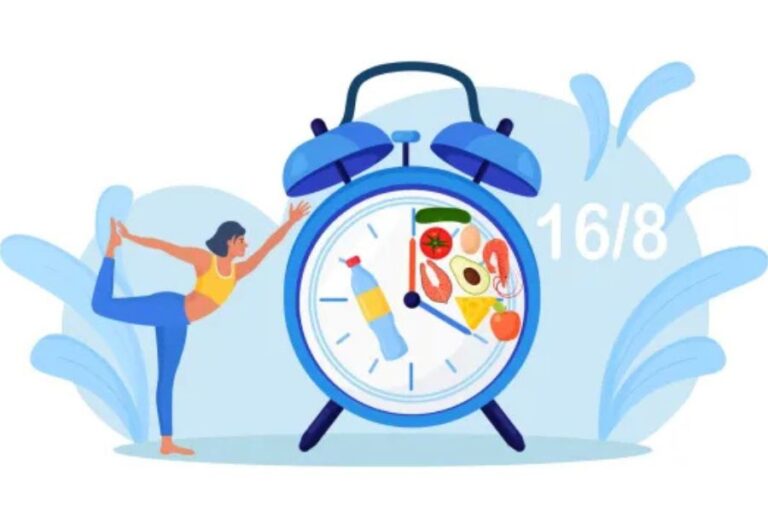
The Adventist Health Study 2 suggests that certain patterns, such as eating fewer meals per day, making breakfast your largest meal, and having a long overnight fasting window, are associated with a lower BMI and less weight gain over time (American Society for Nutrition). If this style appeals to you, you can experiment gently and see how your body responds.
Move toward mindful, not perfect, eating
Mindful eating means paying attention to what you eat and how it makes you feel. Over time, this can help you:
- Notice hunger and fullness cues more clearly
- Enjoy food more, even while reducing portions
- Spot emotional eating triggers so you can use other coping tools
The Mayo Clinic highlights the importance of a positive mindset and lasting behavior changes for long term success in weight management (Mayo Clinic).
You will still have days that feel off. The goal is to see those as normal, not as failure. Then you return to your routines at the next meal, not next Monday.
Put it all together in your daily life
To make this practical, you can think in terms of a simple daily checklist.
Daily checklist for better nutrition and weight management
You can aim to check off most of these on a typical day:
- Eat a balanced breakfast or first meal with protein, fiber, and healthy fat
- Fill half your plate with vegetables at one or two meals
- Include at least one plant based protein, such as beans or lentils
- Limit sugary drinks and choose water most of the time
- Move your body for at least 30 minutes, even in short chunks
- Do a few minutes of strength work, like bodyweight exercises, several times a week
- Notice at least one non scale victory, such as better focus or easier stairs
- Go to bed at a consistent time to support appetite hormones and recovery
You do not need a perfect score. You only need enough consistency that these actions become your new normal.
Key takeaways
- Successful nutrition and weight management relies on a steady calorie deficit created through healthier eating and increased activity, not extreme diets
- Metabolism affects how many calories you burn, but everyday choices about food and movement are the main drivers of weight change (Harvard Health Publishing)
- Healthy eating patterns like Mediterranean and DASH styles improve heart and metabolic health beyond just weight loss (Nutrients)
- Exercise supports weight loss and, especially, weight maintenance, but it works best when you also adjust your calorie intake (CDC)
- Aiming for about 1 to 2 pounds of loss per week is safe and realistic, and losing even 5 percent of your body weight can improve your health (Mayo Clinic)
- Tracking non scale victories, building sustainable habits, and keeping a flexible mindset help you maintain progress for the long term
You can start today with one simple change, such as adding an extra serving of vegetables, taking a brisk walk, or planning a balanced breakfast for tomorrow. Over time, these small, consistent steps become the true “secret” behind lasting nutrition and weight management.
About the Author