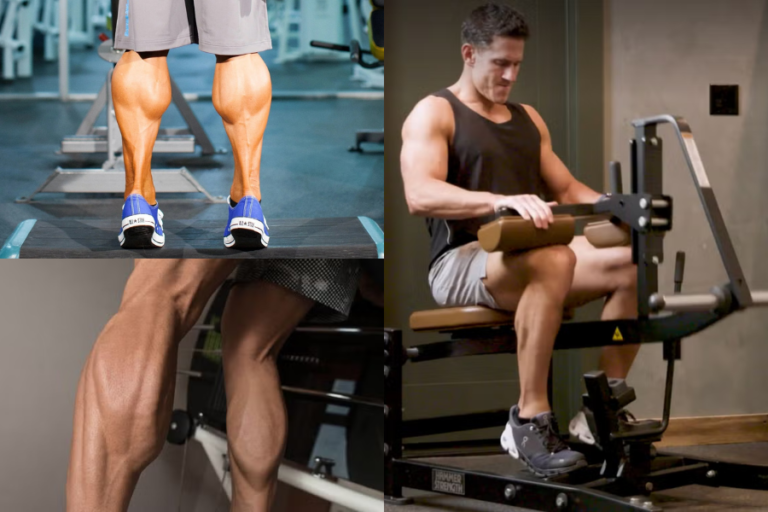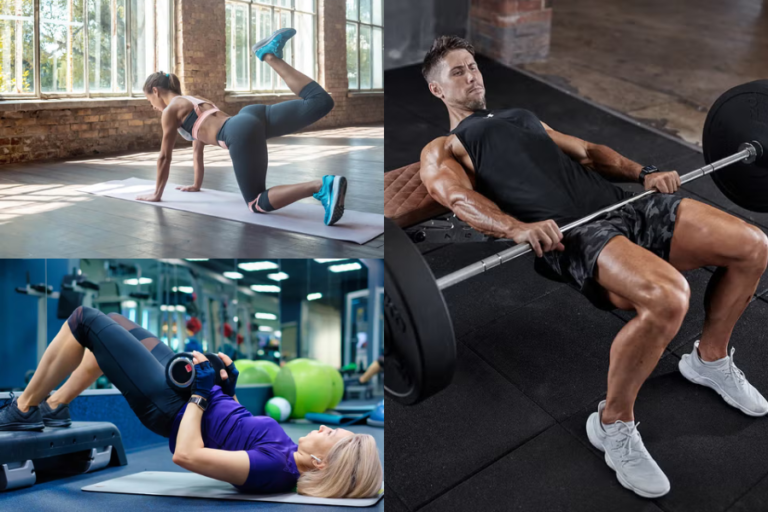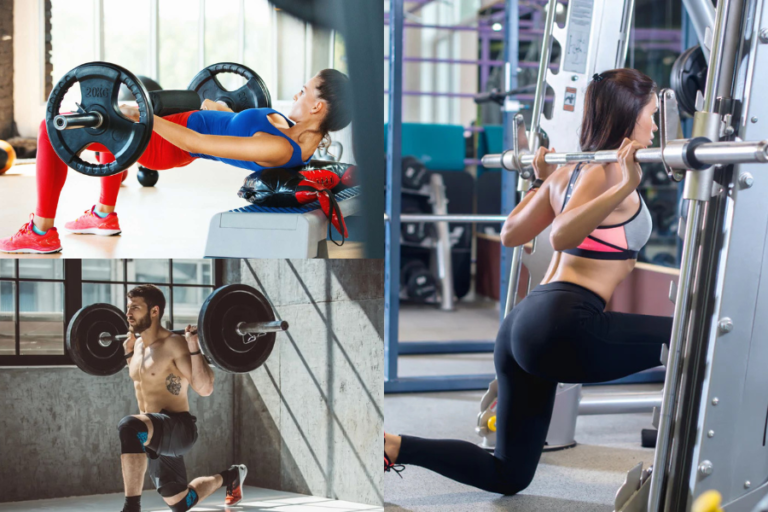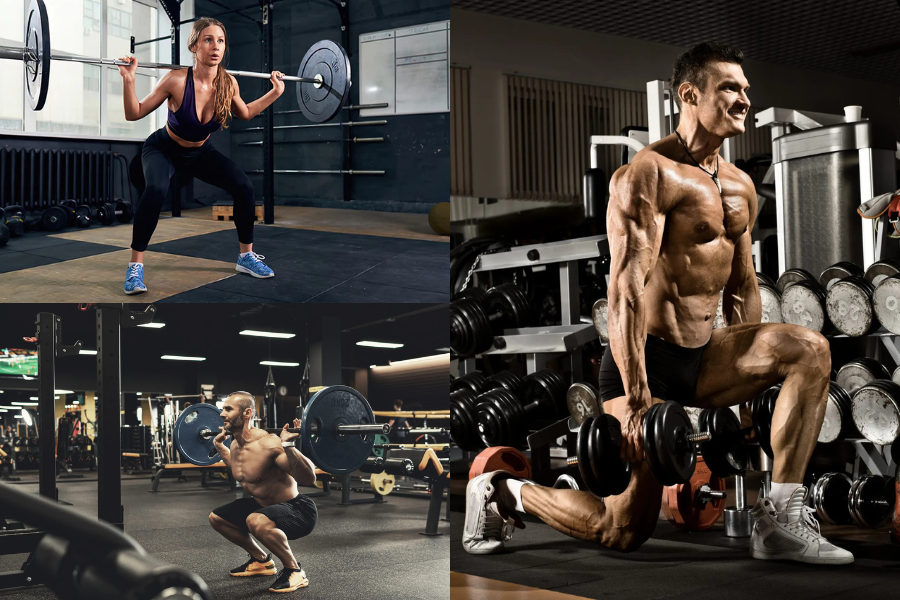
A strong quad workout for beginners does not have to be complicated or intimidating. With a few smart exercises and a simple structure, you can start building powerful legs at home or in the gym, even if you are new to strength training.
Below you will find a complete beginner-friendly quad workout you can try today, along with form tips, options for different fitness levels, and a sample weekly plan.
Understand your quads and why they matter
Your quadriceps are a group of four muscles at the front of your thighs. They help you straighten your knees, support you when you stand up, walk, climb stairs, and lift weights. Because they are involved in most lower body movements, strong quads play a big role in your overall strength and daily comfort.
When you follow a quad workout for beginners, you are not just training for aesthetics. You are also:
- Supporting your knees and hips
- Improving performance in squats, deadlifts, and jumps
- Making everyday tasks like getting up from the floor or carrying groceries easier
Learning some basic anatomy and function helps you choose better exercises and understand what you should feel working during each rep.
How to set up your beginner quad workout
For a simple and effective quad workout for beginners, aim for:
- Training frequency: 2 sessions per week
- Exercises per session: at least 2 quad-focused moves
- Sets and reps: 3 to 4 sets of 8 to 12 reps for most exercises
- Rest: about 60 seconds between sets, with at least 48 hours between quad sessions
If you are completely new to exercise, you can start lighter with 2 sets of 10 to 12 reps and increase sets or reps gradually as you get stronger. This helps you build consistency without overwhelming your joints or nervous system.
A balanced plan will include exercises that hit your quads in different positions:
short length, mid length, and long length. This means you work the muscle when it is more compressed, more neutral, and more stretched, which supports even growth and strength.
Warm up before you start
Before you jump into your working sets, take 5 to 10 minutes to warm up. You might:
- Walk briskly or cycle gently
- Do leg swings, bodyweight squats, and lunges without weight
- Add a few light sets of your first exercise
A short warm up raises your heart rate, increases blood flow to your legs, and prepares your joints so that your quad workout feels smoother and safer.
Key quad exercises for beginners
You will see some exercises repeated in the research because they show up often in expert recommendations for quad training. You do not need to use all of them at once. Start with a few, learn the form, and then mix and match over time.
Bodyweight squat
Bodyweight squats are one of the best all around exercises to start building quad strength, along with your hamstrings, glutes, core, and spinal erectors.
How to do it:
Stand with feet about hip to shoulder width apart. Keep your chest lifted and your weight evenly through your feet. Bend your knees and hips to sit back and down as if into a chair. Go as low as is comfortable, then push through your feet to stand back up.
Tips for beginners:
- If squatting deep feels too challenging, reduce your squat depth at first
- Hold a sturdy surface for balance if needed
- Focus on smooth, full range of motion over speed or high reps
Start with 2 sets of 10 to 12 reps. Over time, you can add more sets or hold a dumbbell to progress.
Goblet squat and heel elevated goblet squat
The goblet squat is a beginner-friendly full body exercise that targets your quads and helps you learn proper squat form. You hold a kettlebell or dumbbell under your chest, which encourages an upright torso and reduces back strain.
Basic prescription for beginners:
- 2 sets of 10 reps
- About 60 seconds of rest between sets
If your ankles feel tight or you struggle to stay upright, try the heel elevated goblet squat. Place a small plate or wedge under your heels. This reduces ankle bend and shifts more of the load to your quads, which makes it a helpful quad focused modification, especially if you have limited ankle mobility.
Split squats
Split squats train one leg at a time, improve balance, and heavily involve the quads.
How to do it:
Step one foot forward and the other back into a lunge stance. Keep your torso upright. Bend both knees to lower your body, then push through your front foot to stand back up. Do not let the back knee slam into the floor.
Beginner guideline:
- 2 sets of 10 reps on each leg
- About 30 seconds of rest
As you grow stronger, hold dumbbells at your sides, or slow down your lowering phase to increase difficulty.
Bulgarian split squats
Bulgarian split squats are an advanced variation of the split squat that ramps up quad engagement and the stretch on your back leg.
Set up with your back foot on a bench or step behind you and your front foot on the floor. Lower your hips straight down, keeping your torso mostly upright. Push through your front foot to stand up.
A starter prescription:
- 2 sets of 10 reps per side
- 30 seconds of rest
You can use this once basic split squats feel comfortable. Focus on control rather than depth at first.
Lunges and walking lunges
Lunges are versatile and can easily be adjusted to emphasize your quads. Walking lunges also challenge coordination.
To place more emphasis on your quads, keep your torso more upright and let your front knee travel forward over your toes, while your heel stays on the floor. You can also place a plate under the front foot to increase knee bend and quad load.
If lunges feel too difficult:
- Reduce the range of motion by only going halfway down
- Use a shorter step length
- Hold on to a support for balance
Start with 2 sets of 10 to 12 steps per leg and increase as your control improves.
Wall sits
Wall sits build quad endurance and are simple to set up anywhere you have a wall.
Slide your back down the wall until your knees are roughly at a right angle or slightly higher if needed. Keep your feet flat and your knees aligned over your toes. Hold the position as long as you can.
Beginner recommendation:
- 2 sets of 30 seconds, or as long as possible
- 30 seconds of rest in between
You will feel a deep burn in your quads. Focus on steady breathing instead of tensing your shoulders or holding your breath.
Quadruped rocking
Quadruped rocking is not a strength exercise, but it is great for hip and quad mobility, especially at the start or end of your workout. It combines positions similar to yoga’s cow and child’s poses.
Start on hands and knees. Slowly rock your hips back toward your heels, then come forward again while keeping your spine neutral and comfortable. You should feel a gentle stretch in the hips and front of the thighs.
Suggested prescription:
- 2 sets of 10 rocks
- 30 seconds of rest between sets
This move helps you explore your available hip and knee range of motion, which can make squats and lunges feel more natural.
Front squats and hack squats (for gym access)
If you train in a gym, front squats and the hack squat machine are excellent quad builders.
Front squats place the barbell across the front of your shoulders. This front loaded position forces you to stay more upright and increases quad engagement. Because they are demanding, beginners should start with lighter weights than back squats and focus on form. Keep your elbows lifted and your chest up to maintain balance and keep the bar in place.
Hack squat machines support your upper body and guide your movement pattern. This reduces the need for core stability and balance, which can make it less intimidating while still highly effective for your quads.
For both exercises, stay in the 8 to 12 rep range for 3 to 4 sets. Use a full range of motion so that your thighs reach at least parallel to your calves. Avoid piling on weight too quickly, which often leads to truncated reps and sloppy form.
Leg extensions and sissy squats (more advanced options)
Leg extensions are a short length isolation movement that works your quads when they are not fully stretched. They allow you to focus closely on the quads without much involvement from other muscles. Use smooth, controlled reps and avoid snapping your knees at the top.
Sissy squats are a highly effective but advanced move. They remove much of the hip involvement by driving your knees forward over your toes while you rise onto your tiptoes and lean back. Because they require strong quads, good balance, and control, they are not ideal early in your quad workout for beginners.
If you want to explore them later, you can loop a resistance band around a squat rack for assistance until you develop more stability.
Pistol squats: why beginners should wait
Pistol squats, or single leg squats, demand high levels of strength, mobility, and balance. For beginners, it is better to master squats, lunges, and split squats first. Once you are solid on those exercises, and your joints feel stable, you can gradually work toward assisted pistol variations if you wish.
Sample beginner quad workout you can try today
Here is a simple workout you can start with right away. Adjust sets and reps if needed, but keep rest periods fairly short to maintain focus.
- Quadruped rocking
- 2 sets of 10 rocks
- 30 seconds rest
- Heel elevated goblet squat
- 2 to 3 sets of 10 reps
- 60 seconds rest
- Split squat
- 2 sets of 10 reps per leg
- 30 to 45 seconds rest
- Wall sit
- 2 sets of 30 seconds, or as long as you can hold
- 30 seconds rest
As you gain confidence, you can either add an extra set to each exercise or move some exercises to a second weekly session. For example, one day might focus on goblet squats and lunges, while another includes hack squats and leg extensions if you have gym access.
Progress slowly and focus on form first. Quality reps with moderate weight and full range of motion will build stronger, more resilient quads than heavy, rushed sets.
Common mistakes beginners should avoid
New lifters often make similar errors that can limit results or cause discomfort. As you go through your quad workout for beginners, watch out for these:
- Cutting your range of motion short. Try to lower until your thighs reach at least parallel to your calves during squats and leg presses. Partial reps reduce muscle growth and practice.
- Going too heavy too soon. If the weight forces you to lean forward excessively, lose balance, or stop just halfway down, it is too heavy for now.
- Relying on foot position tricks to isolate muscles. Changing your foot placement on machines like the Smith machine or hack squat will not fully separate quads from glutes. Proper form, range of motion, and tension matter more.
- Ignoring discomfort signals. Some muscle burning is normal, but sharp pain in your knees, hips, or lower back is a sign to stop, adjust your setup, or lighten the load.
A podcast episode titled “Training Mistakes Pt. 5: QUADS” from the Living Lean podcast walks through quad anatomy, exercise selection, and common setup and execution errors. It also discusses how to handle pain and discomfort and how to adapt your quad work to your body and available equipment. If you like learning by listening, it can be a useful companion as you build your routine.
Putting it all together
A smart quad workout for beginners focuses on clear basics rather than fancy moves. Use bodyweight squats, goblet squats, split squats, lunges, and wall sits to build strength and control. Sprinkle in mobility work like quadruped rocking, and, if you are in a gym, add front squats, hack squats, or leg extensions as you progress.
Train your quads twice per week, perform 3 to 4 sets of 8 to 12 reps on your main movements, and give yourself at least 48 hours between sessions. Stay patient, keep your form honest, and adjust gradually. With consistent practice, you will notice stronger legs, easier daily movement, and more confidence in every lower body exercise you do.
About the Author