Maximizing the growth and strength of your glutes can transform the way you move, train, and look. A well-planned glute hypertrophy workout not only helps you shape your lower body but also boosts stability, posture, and overall athletic performance. Below, you’ll find practical advice on how to target this powerful muscle group and see noticeable results.
Recognize why glute strength matters
Your glutes play a key role in everyday tasks like climbing stairs, squatting to pick up objects, and simply standing upright. When these muscles are strong, you’re less prone to lower-back stress, and you often enjoy better exercise form in most workouts.
Benefits of well-developed glutes
- Enhanced posture: Strong glutes provide support for your lower spine and reduce unnecessary strain on your back.
- Improved balance: Solid hip stability helps you stay steady when doing activities like running, hiking, or lifting.
- Greater power in sports: From sprinting to heavy weightlifting, glutes are central to powerful movements.
Focus on compound exercises
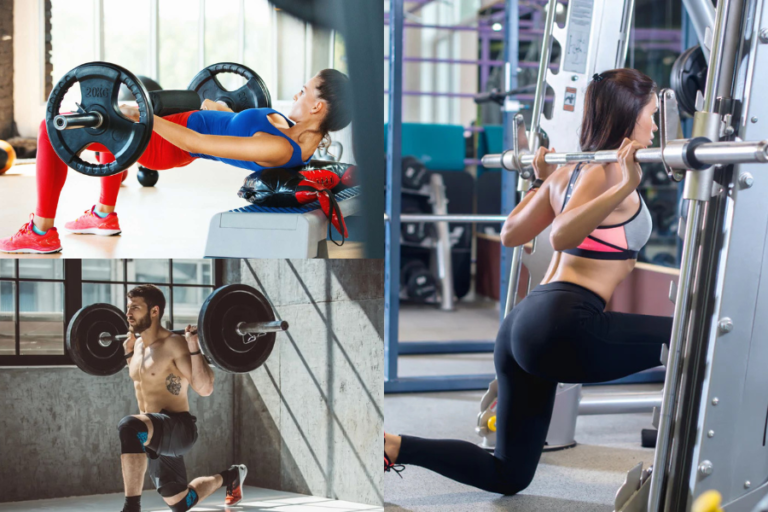
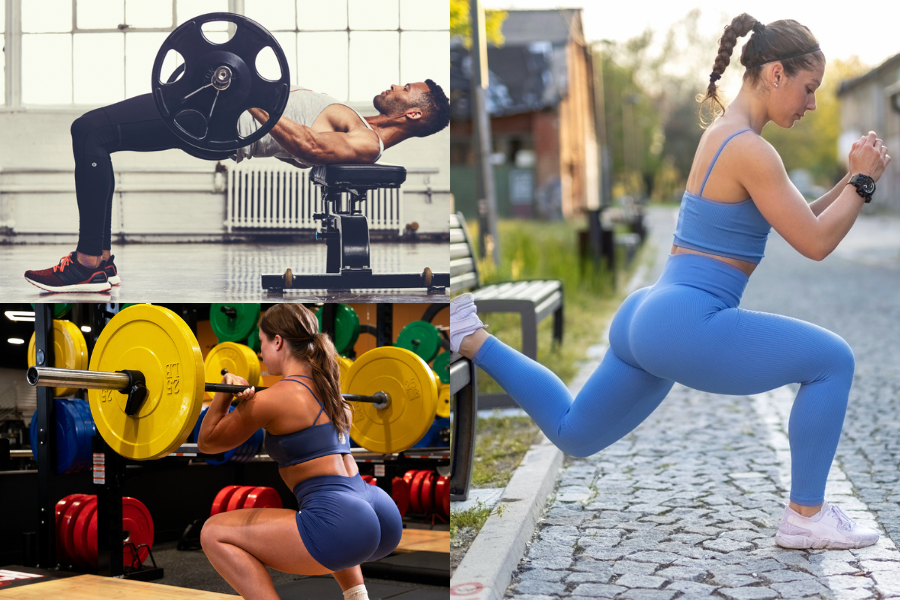
Compound moves such as squats, lunges, and deadlifts effectively engage multiple muscle groups at once, allowing you to build overall strength. By incorporating these into your routine, you give your glutes a growth-friendly environment while working quads, hamstrings, and core together.
Key compound moves
- Squats: Opt for variations like front squats or back squats to shift tension in different ways.
- Lunges: Try walking or reverse lunges to target each glute independently.
- Deadlifts: Traditional or Romanian deadlifts challenge your hip extensors and promote a strong posterior chain.
Incorporate targeted isolation exercises
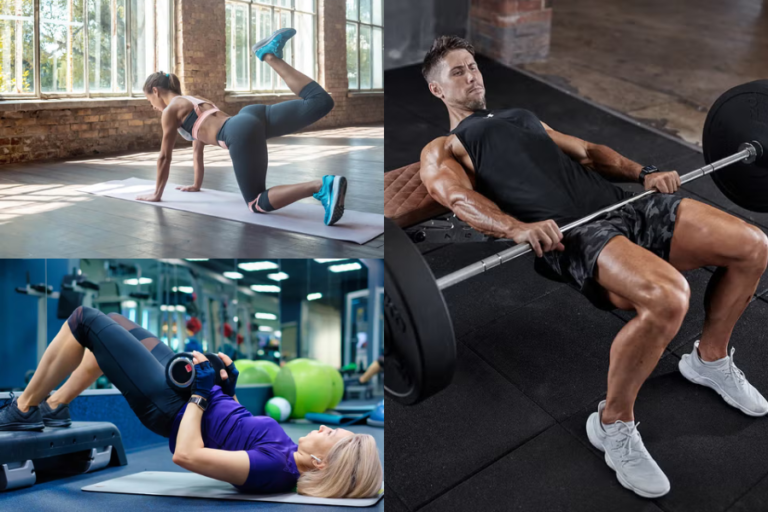
Isolation movements like hip thrusts or glute bridges can help you focus on areas that compound exercises might not fully address. These moves allow you to zero in on muscle fibers, creating the micro-tears needed for hypertrophy.
Glute-specific moves
- Hip thrusts: Use a bench for upper-back support and drive your hips upward to feel a deep contraction.
- Glute bridges: Similar to hip thrusts but performed on the floor. Concentrate on squeezing your glutes at the peak.
- Kickbacks: Whether on a cable machine or with resistance bands, kickbacks isolate each side of your posterior and refine muscle definition.
Optimize your training strategy
A successful glute hypertrophy workout strategy goes beyond just the exercises. Pay attention to volume, rest periods, and progressive overload. Aim for at least two glute-focused sessions per week to give your muscles frequent stimuli without overtraining.
Essential workout tips
- Progressive overload: Gradually increase weight or resistance to encourage ongoing gains.
- Mindful rest: Allow 48 hours between intensive glute workouts, so muscles can recover and grow.
- Proper form: Focus on slow, controlled movements to fully engage the targeted muscles and avoid cheats.
- Balanced routine: Complement glute training with core and upper-body exercises to maintain overall strength.
Stay consistent and track progress
Consistency is the game-changer for building a stronger, rounder shape. As you work through your regimen, track key measures such as weights used, sets and reps completed, and how you feel post-workout. This record helps you adjust your plan and stay motivated.
Simple ways to measure results
- Keep a workout journal: Jot down session details, like weight, reps, and perceived exertion.
- Take frequent progress photos: Visual documentation shows you subtle changes images can reveal what the mirror might miss.
- Re-evaluate monthly: Assess your routine every few weeks to see if you need to change exercises, increase weights, or add rest days.
Key takeaways
- Glute strength improves posture, balance, and athletic performance.
- Compound exercises like squats and deadlifts lay the foundation for growth.
- Isolation moves, such as hip thrusts and kickbacks, fine-tune muscle development.
- Effective strategies include progressive overload, mindful rest, and regular tracking.
- Consistency sustains your progress, so commit to monitoring and fine-tuning your routine.
By embracing a structured glute hypertrophy workout, you’re investing in a stronger, more resilient body. Try pairing compound lifts with targeted isolation moves, and remember to steadily push your limits for continued results. Before you know it, your glutes will be a powerhouse of strength and stability.
About the Author