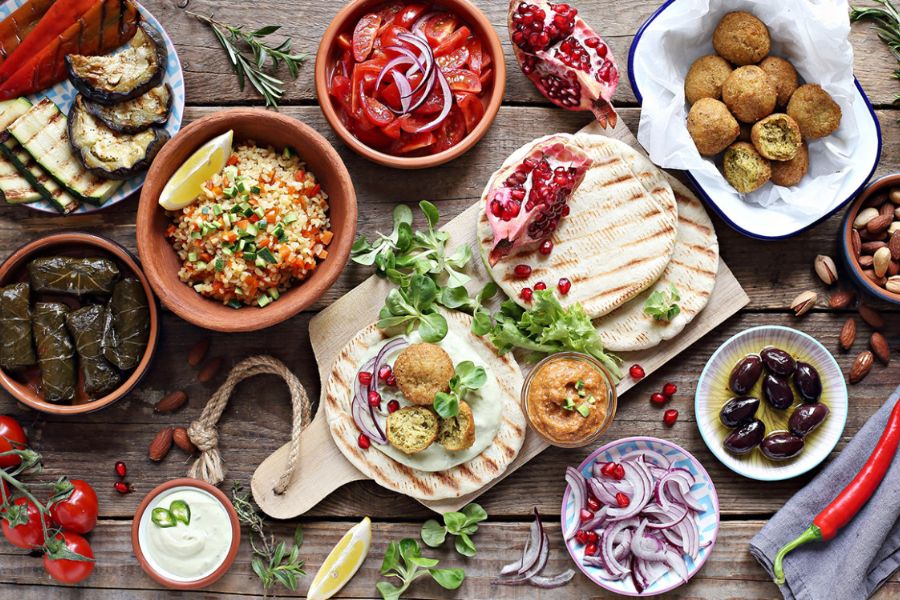
A Mediterranean diet for beginners can feel refreshingly simple. You focus on whole foods like vegetables, fruits, whole grains, beans, nuts, and fish, and you use extra virgin olive oil as your main fat. You are not counting every calorie or tracking macros, but you are choosing foods that support long‑term weight loss and better health instead of working against it (Healthline).
Still, it is easy to make mistakes that slow your progress or leave you wondering why you do not feel any different. Here are the most common missteps you will want to avoid and what to do instead so this way of eating actually works for you.
Assuming all “Mediterranean” foods are healthy
You might think anything labeled Mediterranean is fair game. In restaurants and at the grocery store, that often means heavy cream sauces, piles of white pasta, or pastries with a drizzle of honey and a sprinkle of nuts.
The traditional Mediterranean diet looks very different. It centers on vegetables, fruits, legumes, whole grains, nuts, seeds, fish, and generous amounts of extra virgin olive oil, with red meat and sweets kept for special occasions (Cleveland Clinic). Processed foods and refined carbohydrates with added sugars are eaten rarely or in small amounts (UC Davis Health).
Instead of assuming a dish is healthy because it has olives or feta on top, look at the base of the meal. Ask yourself: Is it mostly vegetables and whole grains, or mostly refined flour and cheese? Keeping this question in mind will help you stay aligned with what actually makes the Mediterranean diet so powerful.
Turning it into a low‑fat or no‑fat diet
If you have tried to lose weight before, you may instinctively reach for fat‑free dressings or cook everything without oil. On a Mediterranean diet, that can backfire. Healthy fats are a core feature, not a side note.
Extra virgin olive oil is the main fat in this way of eating. It provides a favorable ratio of unsaturated to saturated fats and is rich in antioxidants that support heart and brain health and help reduce inflammation (Cleveland Clinic). Nuts, seeds, avocado, and fatty fish also contribute beneficial fats that keep you satisfied and stabilize your blood sugar.
If you cut oil and all visible fat, you might feel hungry soon after eating. That can nudge you toward snacking on less healthy foods later. Instead, use a measured drizzle of olive oil to roast vegetables, dress salads, and finish soups. You get flavor, better nutrient absorption, and longer‑lasting fullness.
Ignoring portion sizes and moderation
One reason the Mediterranean diet is so approachable is that you do not have to count calories or track every gram of protein, carb, or fat. However, that does not mean portions are unlimited. You still need a sense of balance, particularly if your goal is weight loss (Healthline).
Olive oil, nuts, and whole grains are healthy, but they are also energy dense. When you cook, measure oil in a spoon instead of pouring straight from the bottle. Serve nuts in a small handful rather than grazing from an open bag. With whole grains like brown rice or whole‑wheat pasta, fill most of your plate with vegetables first, then add a moderate scoop of the grain.
You do not need to obsess over exact numbers. Aim for meals that visually prioritize plants and use fats and starches in supporting roles. This mindset keeps your intake in a helpful range without turning your diet into a math problem.
Overdoing bread, pasta, and “white” carbs
Bread baskets and pasta bowls are often the first images that come to mind when you hear “Mediterranean.” In reality, the traditional pattern focuses more on whole grains like farro, barley, bulgur, oats, and whole‑wheat bread, with refined white flour products appearing less often (UC Davis Health).
If your plate is mostly white pasta or fluffy white bread with only a token amount of vegetables, you miss out on fiber and nutrients that help control hunger and support heart health. You also risk blood sugar spikes that can leave you tired and craving more food soon after.
You can keep pasta and bread in your diet, especially if you choose whole‑grain options, but treat them as a partner to vegetables and protein, not the main attraction. Think of a bowl that is half vegetables, one quarter whole grains, and one quarter protein like beans, lentils, or fish. That simple shift changes how the meal supports your energy and long‑term health.
Forgetting about vegetables at every meal
On paper, you may agree that the Mediterranean diet is plant based. In practice, it is easy to end up with vegetables appearing only at dinner while breakfast and lunch lean heavily on grains and dairy.
The traditional pattern encourages vegetables and fruits throughout the day, not just once. You see leafy greens, tomatoes, peppers, onions, herbs, and seasonal produce in soups, salads, stews, side dishes, and even snacks (Harvard Health Publishing).
To make this work for you, think of vegetables as the base of every meal. Add spinach or tomatoes to your morning eggs. Serve lunch with a large salad or a roasted vegetable side, not only a sandwich. Build dinners around a variety of colorful plants, then layer in protein and healthy fats. Over time, this becomes automatic and you benefit from the fiber, vitamins, and anti‑inflammatory compounds that make this diet so protective (UC Davis Health).
Treating red wine as a requirement
You might have heard that a glass of red wine is part of the Mediterranean lifestyle and therefore feel you should drink it for your heart. The reality is more nuanced.
If you already drink alcohol, the Mediterranean pattern allows low to moderate amounts of red wine, usually with meals, and not as a reason to overindulge. If you do not drink, there is no health reason to start. Eggs are another example of a “sometimes” food. You can include them in moderation, often 2 to 4 servings per week, as part of a balanced plan (Healthline).
The core benefits of this diet come from plant foods, healthy fats, and overall pattern, not from wine. Focus on the fundamentals first. Treat wine, if you choose to have it, as an optional complement, not a daily must.
Forgetting that lifestyle matters too
It is tempting to see the Mediterranean diet only as a list of foods. In the regions where it originated, it is closer to a lifestyle that includes how you eat and move, not just what you put on your plate.
People tend to cook at home, share meals with family and friends, and enjoy food as a social experience. They also move regularly through walking and other gentle physical activities, which supports overall health and complements the diet (Harvard Health Publishing). This combination has been linked to a reduced risk of heart disease, metabolic syndrome, diabetes, certain cancers, depression, and improved mental and physical function in older adults (Harvard Health Publishing).
You can bring aspects of this into your routine by sitting down for meals without screens, taking short walks after eating, and cooking simple dishes at home most days. These small habits make the pattern more enjoyable and sustainable.
Think of the Mediterranean diet less as a short‑term eating plan and more as a set of daily habits that support how you want to feel ten years from now.
Changing everything at once and burning out
If you try to overhaul your entire diet overnight, you may feel energized for a few days, then overwhelmed. Research on practical adoption of the Mediterranean diet suggests that small weekly changes are more sustainable. You start with the easiest shifts and build from there (Harvard Health Publishing). Health organizations also recommend gradual changes, since a stepwise approach leads to better adherence and long‑term results (UC Davis Health).
Choose one or two simple actions, such as:
- Swapping butter for extra virgin olive oil when cooking
- Adding one serving of vegetables to a meal you already eat
- Serving fish instead of red meat once this week
- Replacing sugary desserts with fresh fruit most nights
Once these feel normal, you can add new steps, like experimenting with beans or whole grains or planning more homemade lunches. This layered approach lowers stress and makes your new habits stick.
Skipping medical and nutrition guidance
Because the Mediterranean diet is flexible and does not eliminate major food groups, it can feel safe to start without any input. In most cases it is a very healthful pattern, but your medical history, medications, and specific needs still matter.
Healthcare providers encourage beginners to talk with a primary care physician or dietitian before making significant dietary changes. That way, you can tailor the plan to your health goals, preferences, and any conditions you are managing, such as diabetes or heart disease (Cleveland Clinic). A dietitian can also help you adjust portions, balance calories if weight loss is a goal, and make sure you are meeting nutritional needs if you are vegetarian or gluten free (Cleveland Clinic).
If you are new to this style of eating, consider booking a single session to get a personalized roadmap. That guidance can save you time, frustration, and confusion later.
Putting it all together
When you avoid the most common beginner mistakes, a Mediterranean diet becomes straightforward and satisfying. You are eating mostly plants, using extra virgin olive oil and other healthy fats, enjoying fish, beans, and whole grains, and keeping red meat, sweets, and processed foods in the “sometimes” category (EatingWell).
This pattern has been linked to better heart and brain health, reduced risk of chronic disease, and support for weight loss and overall wellness (UC Davis Health). You do not need to be perfect to benefit. Start with one change this week, such as cooking a simple vegetable‑rich dinner with olive oil instead of ordering in, and notice how you feel. Then build from there at a pace that fits your life.
About the Author