A high blood pressure diagnosis can feel overwhelming, but you have more control than you might think. The DASH diet for hypertension gives you a clear, flexible way to lower your numbers with everyday foods, not fancy supplements or special products.
Below, you will see how the DASH eating plan works, why it is so effective for blood pressure, and simple ways you can start using it today even if you are busy, on a budget, or not a “perfect” eater.
Understand what the DASH diet is
The DASH diet stands for Dietary Approaches to Stop Hypertension. It is a researched eating plan developed to prevent and treat high blood pressure through balanced nutrition rather than restriction alone.
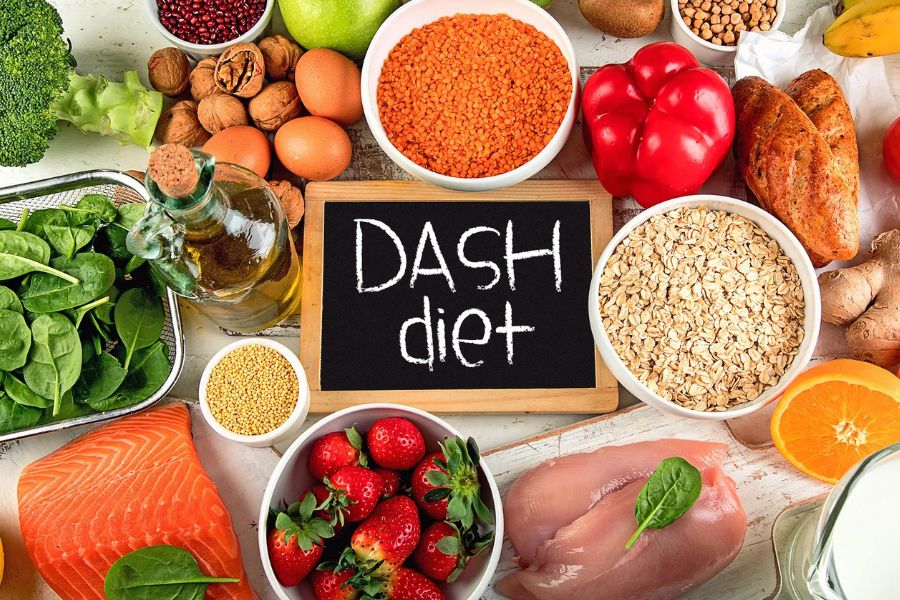
You focus on vegetables, fruits, whole grains, lean proteins, and low fat dairy, and you cut back on sodium, added sugar, and saturated fat. You also increase nutrients that naturally support healthy blood pressure, such as potassium, calcium, magnesium, protein, and fiber (Mayo Clinic).
One important point is that DASH is not a short term crash diet. The U.S. National Heart, Lung, and Blood Institute describes it as a pattern that gives you daily and weekly nutrition goals using regular grocery store foods, so it is meant to fit into your real life, not replace it (NHLBI).
See how DASH helps your blood pressure
To understand why the DASH diet for hypertension is recommended so often, it helps to look at what is actually happening in your body.
When you eat a lot of salty, highly processed foods, your body holds onto extra fluid. This extra volume increases the pressure inside your blood vessels, which pushes your blood pressure up. At the same time, a lack of potassium, calcium, and magnesium makes it harder for blood vessels to relax.
The DASH diet tackles these issues from several angles:
- It lowers sodium, which reduces fluid retention.
- It increases potassium, calcium, and magnesium, which help relax blood vessels and support normal blood pressure.
- It reduces saturated fat and cholesterol, which supports healthier arteries overall (MedlinePlus).
Large clinical trials have found that people following the DASH diet can see blood pressure drops within weeks. In the original DASH study, participants who followed the diet had the greatest reductions in blood pressure compared with those eating a typical American diet, even when everyone consumed the same amount of sodium (NHLBI).
Follow up research has also shown that DASH not only lowers blood pressure, but also improves LDL cholesterol levels and reduces long term cardiovascular risk (NHLBI, Cureus).
Know your sodium targets
Sodium is one of the most important levers you can pull when you use the DASH diet for hypertension. You do not need to remove salt completely, but you do need a clear target.
Health organizations outline two main sodium levels for DASH:
- Standard DASH: up to 2,300 milligrams of sodium per day, about the amount in 1 teaspoon of table salt (Mayo Clinic).
- Lower sodium DASH: up to 1,500 milligrams per day, which can lower blood pressure even more and is often recommended if you already have hypertension (NHLBI).
Your ideal target depends on your health history, medications, and what your healthcare provider recommends, so it is worth asking directly. Even if you do not hit 1,500 milligrams right away, any step down from a very salty diet can help.
Instead of obsessively tracking every milligram, start by noticing your main sodium sources. Restaurant meals, canned soups, salty snacks, deli meats, and frozen dinners usually contribute far more than the salt you sprinkle on your food at home.
Focus on the core food groups
The DASH diet is built around specific food groups and suggested serving ranges, often based on a 2,000 calorie per day pattern (NHLBI, Mayo Clinic). You can adjust up or down with your own calorie needs, but the overall balance stays the same.
At a glance, your daily plate will lean toward:
- Plenty of vegetables and fruits
- Mostly whole grains instead of refined grains
- Lean proteins, like poultry, fish, beans, and lentils
- Low fat or fat free dairy
- Small amounts of healthy fats and nuts
Here is a simple way to picture a typical DASH style dinner plate:
Fill half your plate with vegetables and some fruit, one quarter with whole grains, and one quarter with lean protein, then add a small portion of healthy fat, such as olive oil or nuts.
Over a week, this balance gives you the potassium, calcium, magnesium, fiber, and protein that support healthy blood pressure, while keeping sodium, added sugars, and saturated fat in check.
Turn guidelines into everyday meals
Knowing the rules is helpful, but you also need ideas that can live in your actual kitchen. You do not have to cook elaborate recipes to follow a DASH diet for hypertension.
You can build simple DASH friendly meals around familiar foods:
- Breakfast might be oatmeal topped with berries and a spoonful of nuts, plus a side of low fat yogurt.
- Lunch could be a large salad with mixed greens, colorful vegetables, beans, grilled chicken, and a small amount of vinaigrette.
- Dinner might be baked salmon or chicken breast, a serving of brown rice or quinoa, and steamed broccoli or roasted vegetables.
Snacks can be straightforward too. Fresh fruit, unsalted nuts, carrot sticks with hummus, low fat cottage cheese, or a small handful of whole grain crackers fit well within the plan.
If you like following set menus, the Mayo Clinic provides sample three day DASH diet meal plans that you can adapt to your tastes and cultural preferences (Mayo Clinic).
Cut sodium without losing flavor
One common worry is that lowering sodium means eating bland food. You can keep your meals satisfying by learning a few flavor tricks.
Start by choosing fresh or frozen vegetables without added sauces instead of canned versions that often contain a lot of salt. If you do use canned beans or vegetables, look for low sodium labels and rinse them under water before cooking to remove some of the sodium.
In your cooking, rely on herbs, spices, garlic, lemon, and vinegar instead of salt to build flavor. Over a couple of weeks your taste buds adjust, and foods that once seemed “normal” can start to taste overly salty.
When you eat out, you can:
- Ask for sauces and dressings on the side and use a small amount.
- Choose grilled, baked, or steamed options more often than fried ones.
- Request that your meal be prepared with less salt when possible.
These small shifts add up and can help you inch closer to the 1,500 to 2,300 milligram range recommended in the DASH diet for hypertension (MedlinePlus).
Combine DASH with movement and lifestyle changes
Diet is powerful, but it works even better alongside other heart friendly habits. Research has shown that when people follow the DASH diet and also add physical activity and supportive coaching, they see greater reductions in blood pressure and weight compared to advice alone (NHLBI, Cureus).
You do not need a complicated workout plan. The DASH guidelines and MedlinePlus suggest at least 30 minutes of moderate intensity exercise, such as brisk walking or biking, on most days of the week, which comes out to about 2 hours and 30 minutes per week (MedlinePlus).
Other habits that support your blood pressure include:
- Limiting alcohol to no more than two drinks per day for men and one for women
- Keeping caffeine moderate, since it can cause temporary blood pressure spikes for some people
- Managing stress with sleep, relaxation techniques, or counseling if needed (Mayo Clinic)
Think of these changes as part of the same toolkit as your DASH meals. Each one nudges your numbers in the right direction.
Work with your healthcare team
If you already take blood pressure medication, the DASH diet is meant to work alongside your treatment, not replace it. MedlinePlus notes that you should continue your prescribed medication and tell your healthcare provider that you are following DASH, so they can monitor your blood pressure and adjust your plan if needed (MedlinePlus).
Because the DASH diet can lower blood pressure and improve cholesterol, your provider might eventually need to review your medication dose. Regular check ins help you avoid blood pressure that becomes too low and allow you to track your progress in a concrete way.
This is also a good time to ask questions about your sodium target, weight goals, and any other health conditions you need to factor in, such as diabetes, kidney disease, or gout. There is evidence that the DASH pattern can support bone health, uric acid levels, and overall cardiovascular risk, but your provider can help you tailor it to your specific needs (Cureus).
Start small and build from there
The idea of changing your entire eating pattern overnight can feel like too much. You do not have to. One advantage of the DASH diet for hypertension is that you can phase it in over time.
You might start this week by:
- Adding one extra serving of vegetables each day.
- Swapping one salty snack for a piece of fruit or unsalted nuts.
- Cooking one more meal at home instead of ordering in.
Next week, you might switch your bread and pasta to whole grain versions, or begin to cut back the amount of salt you add during cooking. Little by little, your daily pattern will start to look a lot like the official DASH plan, and your heart will feel the difference.
You are not aiming for perfection. You are aiming for a way of eating and moving that you can live with, one that steadily brings your blood pressure into a safer range and supports your long term health.
About the Author