A paleo diet can be a powerful tool in your weight loss journey if you use it thoughtfully. By focusing on whole, minimally processed foods and cutting out common calorie traps, you naturally reduce overeating and often feel more satisfied between meals. You also support better blood sugar control and heart health, which makes it easier to maintain a healthy weight over time (Mayo Clinic).
Below, you will see how the paleo diet works, what the research actually shows, and how to make it practical for your everyday life.
Understand what the paleo diet really is
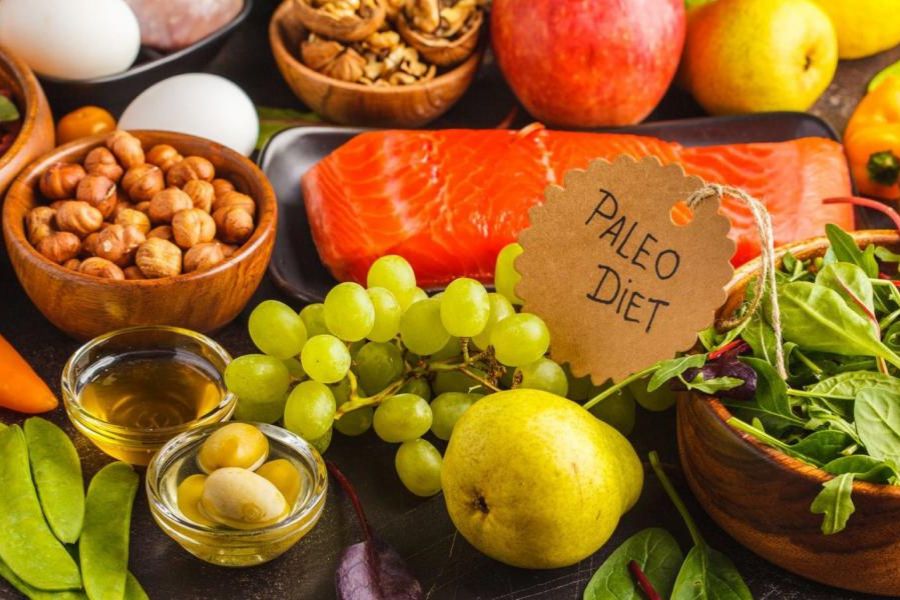
At its core, the paleo diet is about eating closer to how your hunter-gatherer ancestors might have eaten. You focus on:
- Vegetables and fruits
- Lean meats and poultry
- Fish and seafood
- Eggs
- Nuts and seeds
- Natural fats like olive oil and avocado
You avoid foods that rely on agriculture and modern processing, such as grains, legumes, refined sugar, most dairy, and ultra-processed snacks (Mayo Clinic). The idea is that your body may function better when you eat the foods it evolved to handle, and that this mismatch with modern foods may contribute to obesity and chronic disease.
Modern versions of the paleo diet are more flexible than they might sound at first. Many plans allow a range of 19 to 35 percent of calories from protein, 28 to 58 percent from fat, and 22 to 40 percent from carbohydrates (NCBI Bookshelf). Some followers include small amounts of starchy vegetables or occasionally fermented dairy, so you can adapt it to your needs instead of following a rigid rulebook.
See how paleo supports weight loss
The paleo diet can help your weight loss efforts in several overlapping ways. It is not a magic trick, but it reshapes your food environment so that fat loss is more likely.
Calorie reduction without counting
When you swap processed foods for whole foods, you often eat fewer calories without trying. Fresh vegetables, lean proteins, and whole fruits are naturally filling and usually less energy dense than items like chips, pastries, or sugary drinks. Because the paleo diet does not require you to track calories or macros, you may find it easier to stick to in everyday life (The Paleo Diet).
In a study of postmenopausal women with obesity, those who followed a paleo diet lost about 9 percent of their body weight in six months and 10.6 percent at 12 months, which suggests meaningful short term weight loss benefits (Healthline).
Better blood sugar control and fewer energy crashes
Frequent spikes and crashes in blood sugar can drive cravings and overeating. By avoiding refined grains and sugar and focusing on fiber rich vegetables, fruits, and protein, you give your body a more stable fuel source.
A meta analysis of 21 randomized controlled trials found that paleo style diets improved markers of carbohydrate metabolism, including fasting glucose and insulin levels, especially in the short term (PMC, MDPI). When your blood sugar stays steadier, you are less likely to reach for quick snacks to keep your energy up.
Potential impact on fat loss and body composition
Research suggests the paleo diet may aid fat loss beyond basic calorie reduction. The same meta analysis found that people on paleo style diets lost more body mass in the short term than those on control diets, about 5.8 kilograms versus 3.9 kilograms (PMC, MDPI). Higher protein intake can help preserve lean muscle while you are losing fat, which is important for a healthy metabolism.
Although long term data are limited, early results are promising enough that paleo is considered a viable short term approach to weight and waist circumference reduction, particularly for people with metabolic syndrome or at risk of cardiovascular disease (NCBI Bookshelf).
Understand the health benefits beyond the scale
Even if your main focus is weight loss, it helps to know what else might improve when you eat a paleo style diet.
Heart health and blood pressure
Several studies show that paleo diets can improve blood lipids and blood pressure, both key markers for heart disease risk. Long term interventions have found reductions in total cholesterol and LDL cholesterol for people on paleo compared with control diets, while control groups often show no significant change (PMC, MDPI).
Short term research also shows notable drops in systolic and diastolic blood pressure among those who follow a paleo diet (PMC, MDPI). These changes often go hand in hand with weight loss, but the shift away from processed foods and toward more produce and healthy fats likely plays a role too.
Metabolic health and inflammation
The modern paleo diet is typically rich in vegetables, some fruits, and omega 3 fats from fish and certain meats. This pattern can help reduce inflammation and improve markers linked with metabolic syndrome, such as triglycerides, waist circumference, and fasting glucose (NCBI Bookshelf).
Many paleo guidelines also recommend grass fed meats and wild seafood, which often provide a better fat profile, including more anti inflammatory omega 3s, compared with grain fed or heavily processed animal products (EatingWell).
Overall, the strongest benefits of the paleo diet appear to come from eating fewer ultra processed foods and more whole, plant centered meals, not from perfection or strict rules.
Weigh the drawbacks and limitations
No eating pattern is perfect. Before you commit to the paleo diet for weight loss, it is important to understand potential downsides and how you might handle them.
Possible nutrient gaps
Because you avoid grains, legumes, and most dairy, you risk missing out on certain nutrients if you are not careful. These foods normally provide fiber, calcium, vitamin D, and some B vitamins. Paleo style diets may therefore increase your risk of deficiencies, particularly in calcium and vitamin D, and they may alter gut health by reducing prebiotic fiber from grains and legumes (NCBI Bookshelf).
You can partly offset this by loading up on non starchy vegetables, nuts, seeds, and, if it fits your version of paleo, small amounts of fortified or fermented dairy. Still, you may want to speak with a healthcare provider about whether supplements are appropriate for you.
Cost, convenience, and social life
Lean meats, fresh produce, and specialty paleo products can be more expensive than grain based staples, so budget can become a barrier (Mayo Clinic). The diet also requires more cooking, since many convenience foods do not fit the guidelines. If you rely on takeout or prepackaged meals, this shift can feel like a big adjustment.
Social situations such as work events or gatherings might be trickier as well. You will often need to scan menus for grilled meats, salads, and vegetable sides, and you may have fewer dessert or drink options. A flexible approach can help you participate without feeling isolated.
Limited long term evidence
Short term studies are encouraging, but there is still a lack of long term clinical trials that clearly show paleo is superior to other healthy diets like Mediterranean or DASH patterns (Mayo Clinic). Major health organizations also do not officially endorse paleo at this time, largely due to concerns about nutritional balance and sustainability (NCBI Bookshelf).
This does not mean you cannot use paleo successfully. It simply means you should view it as one tool among several possible healthy eating patterns, not the only path to better health.
Make paleo work in real life
If you decide to use the paleo diet to support weight loss, you will have the best results when you keep it simple, flexible, and focused on what you can add to your plate rather than what you have to remove.
Start with small, manageable changes
Instead of overhauling your entire pantry overnight, begin with a few clear shifts:
- Replace sugary breakfast cereals with eggs and vegetables or a fruit and nut bowl
- Swap refined snacks, such as crackers or cookies, for fresh fruit, carrots with guacamole, or a handful of nuts
- Build your dinners around a palm sized portion of protein and a large serving of non starchy vegetables
Focusing on these core habits quickly reduces processed food intake and boosts protein and fiber, which directly supports weight loss.
Plan meals around protein and plants
For each meal, choose your protein first, then fill in with colorful plants and healthy fats. For example, you might have grilled salmon with roasted Brussels sprouts and a side salad, or chicken thighs with mixed roasted vegetables and a small portion of sweet potato.
This structure keeps meals satisfying and helps prevent the “just meat” trap that some people fall into when they picture paleo. Contrary to the stereotype, a well planned paleo diet is plant centered, with an emphasis on non starchy vegetables in many colors (NUNM).
Use flexibility instead of perfection
Many people do better on PaleoFLEX or “80 percent paleo” instead of a strict version. The Paleo Diet organization itself notes that you can get health benefits even if only 50 to 85 percent of your food choices are paleo friendly (The Paleo Diet).
That might mean:
- Including coffee and an occasional glass of wine in moderation (The Paleo Diet)
- Enjoying a small treat baked with almond flour and honey instead of wheat flour and refined sugar (The Paleo Diet)
- Allowing occasional whole grains or legumes if they help you meet your nutritional needs and stay on track overall (EatingWell)
By giving yourself room to adapt, you are more likely to stick with the plan long enough to see results.
Decide if paleo is right for you
The paleo diet can absolutely support your weight loss journey, particularly if you struggle with processed foods, unstable blood sugar, or constant cravings. It encourages you to eat more vegetables, prioritize quality protein, and cut back on sugary, refined products that rarely move you closer to your goals.
At the same time, it may not be the best fit if you are vegetarian or vegan, if you rely heavily on grains and legumes for budget reasons, or if removing entire food groups feels too restrictive (NUNM). Other well studied diets, such as Mediterranean style eating, can offer similar cardiovascular benefits while including those foods (Mayo Clinic).
If you are curious, you might try several weeks of a simple, flexible paleo pattern and pay attention to your weight, energy, digestion, and cravings. With a bit of planning and a focus on whole foods, you can use the paleo diet as a practical, short or medium term tool in your wider weight loss and health journey.
About the Author