Understand intermittent fasting for men
If you are exploring intermittent fasting for men to lose weight or improve your health, you are not alone. Intermittent fasting (IF) has moved from trend to mainstream because it focuses on when you eat rather than what you eat.
According to Johns Hopkins Medicine, intermittent fasting is an eating pattern where you alternate between periods of eating and fasting on a regular schedule, which can help manage weight and may prevent or even reverse certain diseases (Johns Hopkins Medicine).
In this guide, you will learn how intermittent fasting works for men, the science-backed benefits, the risks to watch for, and how to decide if it fits your life.
Common intermittent fasting styles
You can approach intermittent fasting for men in several ways. The goal is to find a structure that fits your daily routine and health needs.
-
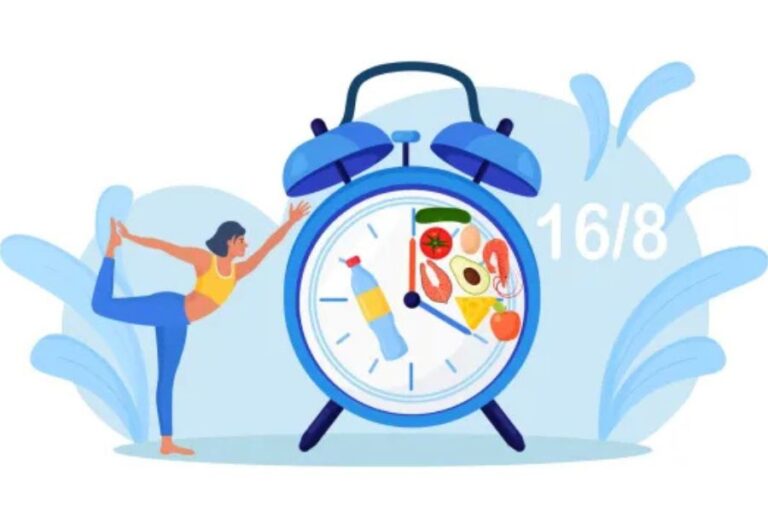
16/8 method
You fast for 16 hours and eat during an 8 hour window. For example, you might eat from 10 a.m. to 6 p.m. and fast from 6 p.m. to 10 a.m. the next day. This is one of the most popular and beginner friendly schedules (Cleveland Clinic). -
14/10 method
You fast for 14 hours and eat during a 10 hour window. This is often easier when you are just starting, since the fasting period is slightly shorter. -
Time restricted eating (TRE)
This is the broader name for plans like 16/8 and 14/10, where you eat all your calories within a limited daily window, often 6 to 10 hours (Harvard Chan School). -
Alternate day or whole day fasting
You sharply restrict calories on certain days and eat normally on others. Because longer fasts up to 24 to 72 hours can stress your body and even encourage fat storage through a starvation response, experts advise caution and medical supervision for these methods (Johns Hopkins Medicine).
Most men do best with time restricted eating plans like 16/8 that extend an overnight fast, avoid late night snacking, and still allow you to eat every day.
How intermittent fasting affects your body
To understand the benefits of intermittent fasting for men, it helps to know what is happening under the surface when you stop eating for a stretch of time.
The metabolic switch
When you go several hours without food, your body burns through stored sugar, called glycogen, and switches to burning fat for energy. Johns Hopkins neuroscientist Mark Mattson describes this as a metabolic switch that usually happens after you have not eaten for many hours (Johns Hopkins Medicine).
In a typical modern eating pattern, you snack from morning to night. That constant intake means your body rarely reaches this deeper fat burning state. Intermittent fasting gives your system a break and encourages it to rely more on stored fat.
Hormones, hunger, and energy
Fasting periods can change your hormone levels in ways that affect appetite and energy:
- Insulin tends to drop, which can improve insulin sensitivity and support blood sugar control.
- Ghrelin, a key hunger hormone, may decrease over time, which can reduce cravings and late night hunger in some men (Harvard Chan School).
- Cortisol, your main stress hormone, can rise during very long or extreme fasts, which may work against testosterone and general well being if you push fasting too far.
In a 2018 study of pre diabetic men, an early time restricted eating plan, with meals in a shorter morning to afternoon window, led to significantly better blood sugar control and improved insulin sensitivity even without weight loss (Harvard Chan School).
Key health benefits for men
You may be drawn to intermittent fasting to lose a few inches around your waist, but research points to a longer list of potential benefits.
Support for weight loss
Daily intermittent fasting, such as eating within a 6 to 8 hour window and fasting for 16 hours, can naturally lower your daily calorie intake. One review from Harvard Chan School notes that this pattern can cut roughly 250 calories a day on average, which may translate to about half a pound of weight loss per week, primarily because you eat fewer calories and your hunger hormones decrease (Harvard Chan School).
However, not every study finds dramatic weight loss from time restricted eating alone. Johns Hopkins highlights research where simply tightening your daily eating window did not always prevent weight gain or produce major weight loss (Johns Hopkins Medicine).
What this means for you: fasting is a tool, not magic. It works best when you still pay attention to overall calories and food quality.
Better blood sugar and insulin sensitivity
For men concerned about prediabetes or type 2 diabetes, intermittent fasting may improve how your body handles glucose.
- The landmark early time restricted feeding study in pre diabetic men found that eating in an earlier 6 hour window improved blood sugar control and insulin sensitivity, even without weight loss (Harvard Chan School).
- Johns Hopkins reports that fasting can help prevent or potentially reverse some metabolic diseases in certain people by shifting how your body uses and stores energy (Johns Hopkins Medicine).
These benefits appear stronger when your eating window ends earlier in the day, rather than late at night.
Heart and blood pressure benefits
Several studies show that intermittent fasting can help your cardiovascular health, at least in the short term:
- IF is associated with significant reductions in blood pressure and oxidative stress, which is a type of cell damage tied to conditions like heart disease and some cancers (Harvard Chan School).
- Time restricted eating has been shown to improve short term markers such as blood pressure, blood glucose, and cholesterol levels (American Heart Association Newsroom).
However, a large observational study of more than 20,000 adults in the United States found that people who reported eating within less than 8 hours a day had a 91% higher risk of death from cardiovascular disease compared with those who ate over 12 to 16 hours per day (American Heart Association Newsroom).
This study does not prove that an 8 hour window causes heart problems, and it had limitations like self reported diets and no detailed look at food quality. Even so, it is an important reminder that more restrictive is not always better, especially if you already have heart disease or cancer.
Brain and longevity support
Research summarized by Mark Mattson suggests that intermittent fasting may:
- Increase lifespan in animal studies
- Improve brain function
- Protect against chronic diseases like type 2 diabetes, heart disease, neurodegenerative disorders, inflammatory bowel disease, and some cancers (Johns Hopkins Medicine)
These findings come mostly from animal and short term human research, so you should treat them as promising, but not guaranteed.
Hunger control and energy patterns
You might expect to feel hungrier all the time on intermittent fasting, but research paints a more nuanced picture. Studies report that IF can:
- Lower hunger in the early evening
- Make hunger more stable across the day
- Improve blood sugar levels without causing muscle loss in typical daily fasting routines (Harvard Chan School)
In real life, many men find that once their bodies adapt, they feel fewer random cravings and can focus better between meals.
Intermittent fasting and testosterone
Because testosterone is central to energy, strength, mood, and libido, you may wonder how intermittent fasting for men affects your hormones. The answer is not simple, and the evidence is still developing.
What research currently shows
A 2022 review of human trials found that:
- Intermittent fasting reduced testosterone levels in lean, physically active young men.
- Sex hormone binding globulin (SHBG), a protein that carries testosterone, did not change.
- Muscle mass and strength were not negatively affected within the short time frames studied (PubMed).
The same review highlights that very few studies have looked closely at reproductive hormones during intermittent fasting, so it is too early to draw firm long term conclusions. It also suggests that lower androgen markers, such as testosterone, could potentially impact metabolic health and libido in men, which is why more research is needed.
Possible indirect benefits and risks
Some experts point out that intermittent fasting might indirectly help testosterone in specific situations:
- Reducing excess visceral fat can lower levels of aromatase, an enzyme in fat tissue that converts testosterone into estrogen.
- Improving insulin sensitivity can help stabilize hormone function, since obesity and type 2 diabetes are strongly linked with lower testosterone (Gameday Men’s Health).
At the same time, certain patterns of fasting can work against healthy testosterone levels if you are not careful:
- Chronic under eating signals your body to conserve energy, which can lead to lower testosterone production over time.
- Nutrient deficiencies, especially in healthy fats, protein, zinc, and vitamin D, can blunt hormone synthesis.
- Very long or stressful fasts may push cortisol higher, which tends to suppress testosterone (Gameday Men’s Health).
Intermittent fasting is not a stand alone treatment for clinically low testosterone or hypogonadism. If you suspect low testosterone, you should talk with a healthcare provider about testing and a more complete plan that includes nutrition, resistance training, sleep, stress management, and, when appropriate, medical treatment (Gameday Men’s Health).
Muscle, strength, and intermittent fasting
If you lift weights or want to maintain muscle as you get older, you might be concerned that fasting will eat into your gains. The current evidence suggests a mixed picture that depends on how you structure your meals and workouts.
How fasting affects muscle protein
Muscle protein balance is driven by two opposing processes:
- Muscle protein synthesis (MPS), building new muscle
- Muscle protein breakdown (MPB), breaking down muscle
A 2021 review in Frontiers in Nutrition explains that:
- Long fasting periods of 16 hours or more can raise muscle protein breakdown because insulin levels are lower, tipping the balance toward net muscle loss over 24 hours compared with eating 3 to 5 regular meals.
- MPS is mainly stimulated by dietary amino acids from protein, and each meal can only stimulate MPS so much, roughly with 0.25 to 0.3 grams of protein per kilogram of body weight.
- After a meal, there is a 3 to 5 hour “muscle full” period where your muscles will not respond much to more protein. This means that packing all your protein into one or two big meals, which often happens with intermittent fasting, may be less effective for muscle building and repair (Frontiers in Nutrition).
Randomized controlled trials show mixed results. Some find no difference in fat free mass when comparing intermittent fasting with normal diets, while others report small losses in appendicular lean mass, which may reflect skeletal muscle. Many of these studies are short and do not control diet and activity perfectly, so results are not final (Frontiers in Nutrition).
Role of resistance training
Resistance training can protect muscle during intermittent fasting. The same review notes that when men combine IF with strength training, short studies of 4 to 8 weeks usually show similar muscle gains compared with training on a normal eating schedule (Frontiers in Nutrition).
The authors still conclude that intermittent fasting is probably suboptimal if your main goal is to maximize muscle mass and quality, especially when you are also eating fewer calories. To support muscle while using time restricted eating, they recommend:
- Eating at least 1.6 grams of protein per kilogram of body weight per day.
- Dividing that protein into several meals, spaced 3 to 5 hours apart, within your eating window (Frontiers in Nutrition).
If muscle and strength are top priorities for you, you may want a more flexible eating schedule or a slightly longer daily eating window that lets you space protein across 3 or more meals.
Potential side effects and risks for men
While intermittent fasting can be helpful, it is not the right fit for every man. You should understand the common side effects and more serious risks before you jump in.
Short term side effects
Harvard Health Publishing notes that men who start intermittent fasting may experience:
- Headaches
- Lethargy or low energy
- Irritability or crankiness
- Constipation
These issues often depend on how long and how aggressively you fast. Some men find that switching to a moderate time restricted eating plan, like a 10 or 12 hour window instead of 6 or 8 hours, reduces these side effects (Harvard Health Publishing).
Risk of overeating and poor food choices
Restricting your eating to a short window can backfire if it encourages you to overeat or reach for highly processed convenience foods once the window opens. Harvard Health warns that intermittent fasting may trigger overeating in some men after fasting periods due to increased appetite hormones and brain hunger centers, which can offset any calorie reduction (Harvard Health Publishing).
If you choose to fast, it is important to stay mindful of what you eat, not just when you eat.
Concerns for older men and those with medical conditions
Intermittent fasting carries extra risks for some men:
- Older men can lose too much weight too quickly, which may harm bone health, immune function, and energy levels. Most IF studies focus on younger and middle aged adults and are short term, so you do not have much long term safety data for seniors (Harvard Health Publishing).
- Men on medications for diabetes, blood pressure, or heart disease may experience mineral imbalances or medication side effects if they suddenly change meal timing or skip meals. You should always talk with your doctor before starting intermittent fasting if you take prescription medications (Harvard Health Publishing).
The Cleveland Clinic also notes that intermittent fasting is not recommended without medical supervision for people with a history of eating disorders or those going through major hormone changes because fasting can increase irritability, energy crashes, and the urge to binge (Cleveland Clinic).
Cardiovascular risk questions
As mentioned earlier, the American Heart Association highlighted a study that linked an 8 hour eating window with a higher risk of cardiovascular death in U.S. adults. The researchers stress that this is an association, not proof of cause and effect, and the study has important limitations, such as:
- Self reported eating patterns
- No detailed look at nutrient quality
- Unmeasured health differences between groups (American Heart Association Newsroom)
Still, the findings suggest that an ultra short daily window is not automatically safer or better, especially for men with existing heart disease or cancer. A more moderate window, such as 10 to 12 hours, paired with a nutrient rich diet, might offer a safer balance.
Practical tips to start safely
If you decide to try intermittent fasting for men, you can ease in gradually rather than jumping straight into a strict schedule.
Choose a realistic fasting schedule
Start by picking a modest time restricted eating window that fits your life. For example:
- Begin with a 12 hour window, such as 8 a.m. to 8 p.m.
- After 1 to 2 weeks, tighten to 10 hours, like 9 a.m. to 7 p.m.
- If you feel well and want to go further, shift to a 16/8 pattern, such as 10 a.m. to 6 p.m.
The Cleveland Clinic recommends the 16/8 method for many beginners because it simply extends your overnight fast and tends to be easier to follow (Cleveland Clinic).
Whenever possible, aim to:
- Place more of your calories earlier in the day.
- Avoid late night snacking that can spike blood sugar and add extra calories before bed (Cleveland Clinic).
Prioritize food quality and protein
Intermittent fasting is not a free pass to eat whatever you want during your window. For better results:
- Center meals around lean proteins, such as poultry, fish, eggs, beans, and tofu.
- Include plenty of vegetables and some fruit for fiber and micronutrients.
- Choose whole grains and healthy fats, like olive oil, nuts, and seeds.
- Limit highly processed snacks, sugary drinks, and desserts.
To support muscle and hormones, especially if you are active:
- Target at least 1.6 grams of protein per kilogram of body weight per day, spread across 2 or 3 meals within your eating window (Frontiers in Nutrition).
Stay hydrated and listen to your body
During fasting hours, you can usually drink:
- Water
- Unsweetened tea
- Black coffee, if tolerated
Pay attention to how you feel. If you notice signs such as dizziness, extreme fatigue, heart palpitations, or intense irritability, ease up on your fasting length and check in with your healthcare provider.
Consider your training schedule
If you work out, especially with weights:
- Try to place a meal with protein within a few hours before or after your training session.
- Avoid stacking very intense workouts at the tail end of a long fast if you feel weak or lightheaded.
You may need to experiment with timing so that fasting supports, rather than sabotages, your performance.
Deciding if intermittent fasting is right for you
Intermittent fasting for men can be a powerful tool for weight management, metabolic health, and habit change. At the same time, it is not a cure all, and it can carry real downsides if you push too hard or ignore your body’s signals.
You may be a good candidate to try a moderate time restricted eating plan if:
- You want a simple structure to reduce evening snacking and mindless eating.
- You are generally healthy and not on complex medication regimens.
- You are willing to pair fasting with balanced meals and consistent movement.
You should talk with a healthcare professional before starting intermittent fasting, and potentially look for other strategies, if:
- You have diabetes, cardiovascular disease, cancer, or another chronic condition.
- You take prescription medications that depend on food timing.
- You are older, underweight, or experiencing unexplained weight loss.
- You have a history of disordered eating.
If you do decide to begin, start small, choose an eating window that matches your lifestyle, and give yourself time to adjust. You can always loosen or tighten your schedule based on how your body responds.
With a thoughtful approach, intermittent fasting can be one more tool in your toolbox for better health, not the only strategy you rely on.
About the Author