Understand what mental health stigma is
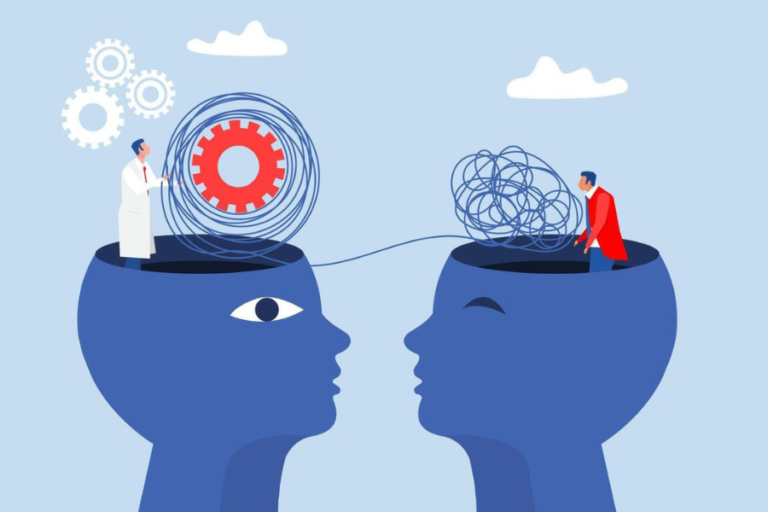
When you hear the phrase mental health stigma, you are hearing about the negative attitudes, labels, and judgments that people attach to mental health conditions. Stigma is not just a rude comment here or there. It affects how you see yourself, how others treat you, and how likely you are to get the support you deserve.
According to the Mayo Clinic, stigma shows up in the beliefs and attitudes people hold about individuals with mental health conditions and often leads to discrimination or social rejection (Mayo Clinic). Even the term “mental illness” can feel loaded, which is why many people prefer “mental health condition” instead.
Three main types of stigma
Experts describe several kinds of mental health stigma that can affect your life:
-
Social or public stigma
This is what you see in the culture around you. It includes stereotypes like “people with depression are weak” or “people with schizophrenia are dangerous.” Mental Health America notes that these beliefs can cause people to be excluded or treated as if they are less capable or less trustworthy (Mental Health America). -
Self‑stigma
This happens when you start to believe those negative messages about yourself. If you live with a mental health condition, you may feel ashamed, think you are “broken,” or tell yourself you do not deserve help. Self stigma can hurt your self esteem and make you less likely to reach out for care (Mental Health America). -
Structural stigma
This shows up in systems and policies. For example, when workplaces quietly punish people whose symptoms affect performance instead of offering support, or when laws and health systems make it harder for you to access mental health care. Structural stigma can limit your opportunities in housing, employment, and health care (Mental Health America).
You might experience one type of stigma or feel all three at once. Recognizing which ones are affecting you is a powerful first step toward healing.
See how stigma shows up in everyday life
Mental health stigma is not always obvious. Sometimes you can see it clearly, like a cruel joke at someone’s expense. Other times it shows up in small decisions, quiet assumptions, or things people do not say out loud. Noticing these patterns helps you understand why you might feel unsafe, hesitant, or ashamed about your own mental health.
Common ways stigma appears
Here are some examples, drawn from research and real experiences, of how stigma might affect you or people around you:
-
Comments and jokes
Someone calls a person “crazy” for having a panic attack, or uses conditions like “bipolar,” “OCD,” or “schizo” as casual insults. NAMI points out that using mental health terms as put downs is one of the ways stigma keeps harmful stereotypes alive (NAMI). -
Avoidance and social distance
People may avoid sitting next to someone in visible distress, or quietly stop inviting a friend who has been open about depression. Research shows that public stigma often leads to fear, exclusion, and social avoidance (PMC). -
Assumptions about danger or instability
Movies and shows still frequently present characters with mental health conditions as violent or unpredictable. Studies have found that negative media portrayals like the film Joker can increase prejudice and self stigma and even delay help seeking (American Psychiatric Association). -
Workplace fears and silence
You might worry that if you tell your manager you are struggling, it will affect your job security or opportunities. A national poll found that less than half of workers feel comfortable talking openly about mental health with their supervisors and only a little more than half feel comfortable using mental health services at work (American Psychiatric Association). -
Health care barriers
Structural stigma can show up when mental health is treated as less important than physical health, or when laws and systems still rely heavily on institutional care rather than community based support. The World Health Organization reports that only a small proportion of countries have shifted fully to community based mental health care and that this lack of progress keeps stigma in place (WHO).
Seeing these patterns is not about blaming individuals. It is about understanding the environment you are navigating, so you can be gentler with yourself and clearer about what needs to change.
Understand how stigma hurts your mental health
Mental health stigma does not just affect how others see you. It can shape the choices you make, the support you feel allowed to ask for, and the way you talk to yourself when you are struggling. Over time, this can deeply harm your mental and emotional well being.
It can keep you from getting help
One of the most serious impacts of stigma is delayed or avoided treatment. The American Psychiatric Association notes that more than half of people with mental health conditions do not receive treatment. Fears of being judged, treated differently, or losing a job are major reasons why people stay silent instead of reaching out (American Psychiatric Association).
If you have ever thought:
- “If I see a therapist, people will think I am unstable.”
- “If my boss finds out, I might lose my job.”
- “Other people have it worse, I should handle this on my own.”
you are not alone. These thoughts are common responses to living in a culture where mental health stigma still exists.
It can affect your recovery
Stigma does more than delay support. It can also interfere with how fully you recover. A 2017 study that followed over 200 people with mental health conditions found that higher levels of self stigma were linked with poorer recovery outcomes one and two years later (American Psychiatric Association).
When you internalize negative beliefs about yourself, you might:
- Doubt that you deserve to feel better
- Question whether treatment can actually help you
- Give up on goals that once mattered to you
- Withdraw from friends and activities that bring you joy
It is not that you are weak. It is that stigma makes hope feel risky.
It can isolate you socially
Stigma can quietly push you away from people and places that would otherwise support you. The CDC notes that stigma often leads to exclusion from social groups and negative treatment from others (CDC). You might:
- Hide how you are feeling to avoid judgment
- Decline invitations because you feel ashamed or “too much”
- Stop talking about your experiences after someone reacts badly
Over time, this can lead to loneliness and a sense that nobody truly understands you, which can worsen symptoms of anxiety, depression, or trauma.
It can shape how you see your own worth
When self stigma takes hold, it can change the story you tell yourself about who you are. Mental Health America explains that self stigma can cause shame, low self esteem, and reluctance to ask for help (Mental Health America).
You might catch yourself thinking:
- “I am a burden.”
- “If I were stronger, I would not feel this way.”
- “This is my fault.”
These thoughts are painful, but they come from living in a world that has often misunderstood mental health. They are not a reflection of your true value.
Notice your own internalized stigma
Becoming aware of your own internalized stigma does not mean blaming yourself. It means gently noticing whether you have absorbed messages that do not belong to you.
Questions to ask yourself
You can reflect on questions like these:
- When you think about seeking therapy or medication, what feelings come up first, relief or shame?
- If a close friend had your exact symptoms, would you judge them the way you judge yourself?
- Do you feel comfortable saying “I live with a mental health condition,” or do you feel you must hide that part of yourself?
- Have you ever downplayed your pain around others so you would not be seen as dramatic, unstable, or weak?
If you recognize yourself in these questions, you are not alone. Self stigma is common, and it is something you can work through over time.
Signs you might be internalizing stigma
You might be experiencing self stigma if you often:
- Feel guilty for needing rest, support, or treatment
- Criticize yourself harshly for having symptoms you cannot fully control
- Believe you are less capable or less worthy than people who do not have mental health conditions
- Hide important parts of your story from people who care about you
Naming these patterns is a step toward healing them. It allows you to start separating who you are from the stereotypes you have been taught.
Learn why stigma is so widespread
If you have ever wondered why mental health stigma is still so strong, especially when mental health is talked about more than ever, it helps to look at where these ideas come from.
Historical roots and misunderstanding
Stigma has deep historical roots. For centuries, people with mental health conditions were often misunderstood and mistreated. They were sometimes hidden away, feared, or seen as morally flawed rather than as people with legitimate health needs. BrainsWay notes that misunderstandings and poor treatment over time helped create long lasting stigma, even as knowledge and compassion have improved in recent decades (BrainsWay).
Media portrayals and fear
Modern media still plays a big role in shaping how people think about mental health. Sensational stories, especially those that link mental health conditions with violence, can fuel fear and assumptions. Research cited by the American Psychiatric Association found that viewing certain negative portrayals, such as the film Joker, increased prejudice toward people with mental health conditions and worsened self stigma (American Psychiatric Association).
BrainsWay explains that inaccurate information, fear, and assumptions often come together to keep stigma alive, especially when media focuses more on shock than on accuracy or empathy (BrainsWay).
Social norms and expectations
Cultural norms also affect how safe you feel sharing what you are going through. For example, public social stigma can be strong for men and boys, who may be taught that showing emotion is a sign of weakness. BrainsWay notes that gender expectations can prevent many men and boys from opening up about mental health out of fear of seeming weak or unmanly (BrainsWay).
Similar pressures can show up in different communities around you, especially if you grew up with messages that said “we do not talk about this” or “you just need to be strong.”
Explore how stigma affects work and daily life
Your work, school, and everyday routines are key parts of your life. When mental health stigma shows up in these spaces, it can have real consequences for your stability, income, and long term wellbeing.
Workplace stigma
Workplace stigma can make you feel that you need to choose between your mental health and your career. BrainsWay notes that many employees hide their struggles because they are afraid of being fired or treated differently and that some employers are more likely to punish workers whose symptoms affect performance rather than offer support (BrainsWay).
The American Psychiatric Association reports that in a recent national poll, only 48 percent of workers felt comfortable discussing mental health with supervisors and just 52 percent felt comfortable using mental health services at work (American Psychiatric Association).
This kind of environment can lead you to:
- Work through burnout or panic instead of asking for accommodations
- Use sick days for mental health but lie about the reason
- Stay in silent distress because you do not feel safe speaking up
Everyday routines and relationships
Stigma can follow you into many parts of daily life, sometimes in subtle ways:
-
Family life
You may feel pressure to act “fine” around family members who do not believe mental health conditions are real, or who see treatment as a sign of failure. -
Friendships
You might carefully choose who you tell about your diagnosis, or you might avoid mentioning therapy or medication in conversation because you are unsure how people will respond. -
Community spaces
If your community has strong beliefs about strength, privacy, or morality, you may feel even more hesitant to talk about mental health, even when you are in crisis.
Recognizing these pressures does not solve them immediately, but it helps you understand why some days feel so heavy and why asking for help can feel much harder than it should.
Try practical ways to cope with stigma
You cannot fix stigma on your own. It is a social and structural problem. Still, there are steps you can take right now to protect your wellbeing and gently push back against the way stigma affects you.
1. Acknowledge your experience without blame
Accepting that you live with a mental health condition is not the same as liking it or resigning yourself to it. It simply means you are willing to see your reality clearly.
Mayo Clinic suggests that accepting your condition and recognizing that it is not your fault is one way to reduce the power of stigma and start prioritizing your own care (Mayo Clinic).
You might try:
- Writing down a simple statement like “I live with anxiety” or “I am experiencing depression right now”
- Reminding yourself that mental health conditions are common and affect people from all backgrounds
- Replacing self blame statements with more compassionate ones, for example, changing “I should handle this alone” to “It is understandable that I need support”
2. Reach out for support
You deserve care and connection. That might include:
-
Professional help
Therapy, counseling, and medication are tools you are allowed to use. As the CDC notes, treatments are more available than ever and can help you cope, recover, and thrive, but stigma often keeps people from using them (CDC). -
Peer or support groups
Hearing from others who share similar experiences can ease shame and build a sense of community. -
Trusted friends or family
Even sharing a small part of your story with one safe person can reduce the burden of secrecy.
If you are in crisis or considering harming yourself, confidential help is available 24/7 in the United States by calling or texting 988, or chatting at 988lifeline.org (CDC). Reaching out in a crisis is a sign of courage, not weakness.
3. Challenge negative self talk
When you notice stigma shaped thoughts, you can gently question them. For example:
-
Thought: “Needing medication means I am weak.”
Reframe: “If I needed medication for my heart or lungs, I would not call that weakness. My brain deserves the same care.” -
Thought: “Other people will think less of me if they know.”
Reframe: “Some people may not understand, but many will, and the ones who do are the ones I can feel safe with.”
Over time, challenging these thoughts helps loosen the grip of self stigma and makes it easier to take steps that truly support you.
Take steps to push back against stigma
You do not have to become a full time advocate, and you never owe anyone your story. Still, if you have the energy and safety to do so, you can play a part in reducing mental health stigma for yourself and others.
Use respectful, accurate language
The words you use matter. Mental Health America encourages using conscious, respectful language to reduce stigma and promote dignity (Mental Health America).
You can:
- Avoid using diagnoses as adjectives, for example, saying “I like things neat” instead of “I am so OCD”
- Refer to people as “a person living with bipolar disorder” rather than labeling them only as “bipolar”
- Gently correct yourself if you catch old language habits slipping in
These shifts may seem small, but they change how you and those around you think about mental health.
Share your story when it feels safe
NAMI highlights that talking openly about your experience with mental health conditions, when you are ready and in a safe setting, can help others feel less alone and reduce stigma (NAMI). You might:
- Tell a trusted friend you are seeing a therapist
- Participate in a support group where you share as much or as little as you choose
- Support awareness campaigns at school, work, or online
Research shows that hearing personal stories, even through brief videos, can significantly improve people’s understanding, reduce stigma, and help them recognize when they might need care themselves (American Psychiatric Association).
Gently educate when you can
If someone makes a hurtful comment about mental health and you feel safe enough, you can offer a calm response. NAMI describes how thoughtfully speaking up during conversations or after rude remarks can be an effective way to correct misinformation (NAMI).
For example, you might say:
- “Actually, most people with mental health conditions are not violent.”
- “Depression is not a choice, it is a health condition and treatment can really help.”
- “Jokes like that can make it harder for people to ask for help when they need it.”
You do not need to debate or convince everyone. Even a brief, calm correction can plant a seed.
Support more compassionate systems
On a larger scale, organizations like the World Health Organization are calling for urgent investment in mental health services and for laws that meet human rights standards, including ending unnecessary institutionalization and expanding community based care (WHO).
You can contribute by:
- Supporting policies and leaders that prioritize mental health care
- Participating in awareness campaigns or local initiatives
- Encouraging your workplace or school to adopt mental health trainings, clear support policies, and stigma free messaging
You are not responsible for fixing the entire system, but your voice and choices do matter.
Create a more supportive environment for yourself
While you cannot control every message you receive about mental health, you can make choices that make your daily life kinder and safer for you.
Curate what you consume
What you read, watch, and listen to can either reinforce stigma or help undo it.
You might:
- Limit exposure to media that sensationalizes or demonizes mental health conditions
- Seek out books, podcasts, or shows that portray mental health with nuance and compassion
- Follow mental health organizations that share accurate information and supportive resources, such as the CDC, Mental Health America, NAMI, or the American Psychiatric Association
Over time, feeding your mind more balanced stories makes it easier to believe that you deserve care and respect.
Build a personal support circle
Think of your support system as a small group of people and resources that help you feel grounded and seen.
This might include:
- One or two friends who listen without judgment
- A therapist, counselor, or peer support group
- A trusted family member, teacher, mentor, or spiritual leader
- Helpful hotlines or text lines you can turn to in a crisis, such as 988 in the US (CDC)
You do not have to tell everyone everything. You can decide who knows what, and that is part of taking care of yourself.
Practice compassion toward yourself
Stigma encourages you to see your mental health condition as a flaw. Compassion helps you see it as a part of your life that deserves care and tenderness.
You can start small:
- Notice when you are being harsh with yourself and ask, “Would I speak this way to a friend?”
- Allow yourself moments of rest without labeling them as lazy or weak
- Remind yourself that over a billion people worldwide live with mental health conditions, and needing support connects you to, rather than separates you from, the human experience (WHO)
Move forward with hope and realistic steps
Mental health stigma can make you feel isolated, hesitant, and ashamed. It can delay treatment, interfere with recovery, and affect your work, relationships, and sense of self. At the same time, understanding stigma gives you a clearer path toward healing.
You can:
- Name the different kinds of stigma affecting you
- Challenge the negative beliefs you have absorbed
- Seek out supportive people, professionals, and resources
- Use respectful language and share your story when it feels safe
- Take small actions that make your environment kinder to your mental health
You do not have to change everything at once. You might start with one manageable step today, such as:
- Looking up a therapist or support group in your area
- Telling a trusted friend you are struggling
- Writing down one stigma based belief you want to question and replace
Your mental health is part of your overall wellbeing, and you deserve understanding, respect, and care, including from yourself.
About the Author